
Travel luggage represents a significant investment for frequent travelers and vacation enthusiasts alike. Whether you own a sleek hardside spinner or a classic soft-shell duffel, proper maintenance ensures your bags serve you well for years to come. This comprehensive guide explores practical strategies to keep your travel companions in excellent condition, saving you money and hassle in the long run.
Why Luggage Maintenance Matters
Many travelers overlook the importance of caring for their bags until damage occurs. However, regular maintenance prevents costly repairs and replacements. Furthermore, well-maintained luggage performs better during travel, protecting your belongings more effectively. Your bags endure harsh conditions including airport conveyor belts, overhead compartments, and various weather conditions. Therefore, a proactive approach to care makes perfect sense.
Neglected luggage develops problems quickly. Zippers fail, wheels break, and fabric tears when basic maintenance gets ignored. Additionally, dirty bags can harbor bacteria and unpleasant odors that transfer to your clean clothes. By following simple maintenance routines, you extend the lifespan of your investment considerably.
Initial Steps After Purchase
Start your maintenance routine immediately after buying new luggage. Remove all tags and stickers carefully to avoid leaving residue. Register your product warranty if available, keeping documentation in a safe place. Take clear photos of your bags from multiple angles. These images prove valuable for insurance claims if loss or damage occurs during travel.
Apply a fabric protector spray to soft-shell luggage before first use. This creates a barrier against stains and moisture. For hardside bags, inspect the shell for any manufacturing defects while you can still return them. Check all zippers, locks, and wheels to ensure everything functions smoothly from the start.
Regular Cleaning Fundamentals
Keeping your bags clean prevents long-term damage and maintains hygiene. Empty your luggage completely after every trip, checking all pockets and compartments thoroughly. Shake out debris and crumbs that accumulate during travel. This simple step prevents buildup that attracts pests and creates odors.
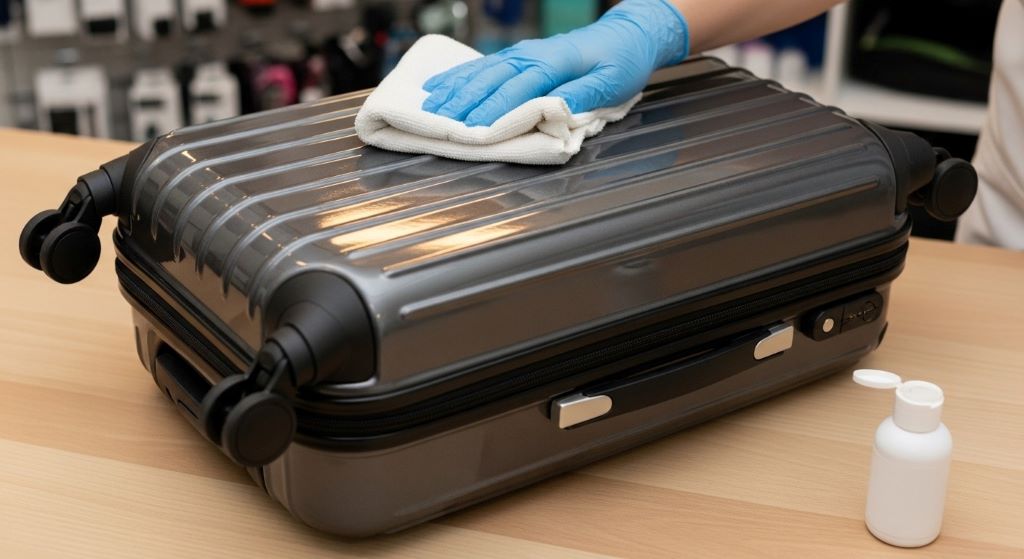
For exterior cleaning, different materials require specific approaches. Hardside polycarbonate or ABS shells respond well to mild soap and water solutions. Use a soft cloth to wipe down surfaces, paying attention to corners and crevices where dirt accumulates. Avoid abrasive cleaners that scratch protective coatings.
Soft-shell luggage needs gentler treatment. Create a cleaning solution using lukewarm water and a small amount of mild detergent. Test the solution on an inconspicuous area first to ensure it does not damage the fabric. Use a soft brush or cloth to work the solution into stained areas gently. Rinse thoroughly with clean water and allow the bag to air dry completely before storage.
The interior deserves equal attention. Vacuum the inside using an upholstery attachment to remove dust and debris. For fabric linings, spot clean stains immediately when they occur. A mixture of baking soda and water works effectively on many interior stains. Additionally, placing dryer sheets inside stored luggage keeps interiors smelling fresh between trips.
Wheel and Handle Care
Wheels bear tremendous stress during travel. Inspect them regularly for debris wrapped around axles. Hair, thread, and plastic wrap commonly tangle in wheel mechanisms, causing them to stick or fail. Remove debris carefully using tweezers or small scissors. Wipe wheels clean with a damp cloth after each trip, especially if you traveled through dirty or wet conditions.
Lubricate wheel bearings periodically to maintain smooth operation. A small amount of silicone-based lubricant applied to the axle prevents squeaking and extends wheel life. However, avoid over-lubricating, which attracts more dirt. Test wheels after maintenance by rolling the bag in different directions.
Telescoping handles require attention too. Extend and retract them several times monthly, even when not traveling. This prevents mechanisms from seizing. Wipe down handles with disinfecting wipes, as they contact many surfaces during travel. Check locking mechanisms to ensure handles stay secure when extended or retracted.
Zipper Maintenance Strategies
Zippers represent the most common failure point on luggage. Fortunately, proper care prevents most zipper problems. Keep zipper tracks clean by wiping them with a dry cloth regularly. Dirt and grime cause zippers to stick and eventually break.
Lubricate zippers occasionally using a graphite pencil or zipper lubricant. Run the lubricant along both sides of the zipper teeth, then open and close the zipper several times to distribute it evenly. This simple maintenance prevents snags and keeps zippers gliding smoothly.
Never force a stuck zipper. Instead, identify what is causing the problem. Fabric caught in teeth requires gentle manipulation to free it. Misaligned zipper teeth often realign with careful adjustment. For persistent problems, professional repair services can replace individual zipper sliders before complete zipper failure occurs.
Storage Best Practices
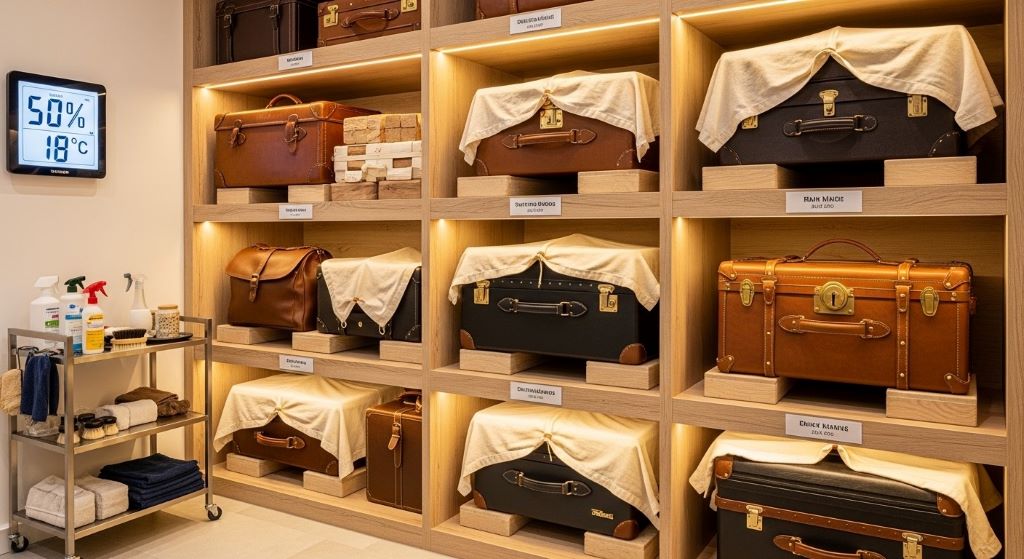
Proper storage between trips significantly impacts luggage longevity. Store bags in a cool, dry place away from direct sunlight. Extreme temperatures and humidity damage materials over time. Basements and attics often provide poor storage environments due to temperature fluctuations and moisture.
Store luggage empty rather than packed. Keeping bags stuffed with items stresses zippers and seams unnecessarily. However, you can place items inside to help maintain shape. Stuff soft bags loosely with acid-free tissue paper or clean linens. This prevents creasing and maintains structure without adding stress.
Stack luggage carefully if space is limited. Place heavier hardside bags on the bottom and lighter soft bags on top. Alternatively, nest smaller bags inside larger ones to save space. Leave zippers partially open during storage to allow air circulation, preventing musty odors and mildew growth.
Cover stored luggage with breathable fabric bags or old sheets. This protects against dust while allowing air circulation. Avoid plastic covers, which trap moisture and promote mold growth. Check stored luggage every few months to ensure no problems develop during storage periods.
Handling Specific Materials
Different luggage materials require tailored care approaches. Leather luggage demands regular conditioning to prevent drying and cracking. Apply leather conditioner every few months, following product instructions carefully. Keep leather bags away from excessive heat and direct sunlight, which accelerate deterioration.
Nylon and polyester fabrics benefit from fabric protector sprays reapplied annually. These materials resist stains naturally but lose protection over time. When treating fabric luggage, ensure adequate ventilation and allow bags to dry completely before use or storage.
Polycarbonate and ABS hardshells withstand rough handling well. However, they can scratch easily. Consider using protective covers during travel to minimize cosmetic damage. Minor scratches on hardside luggage often respond to specialized plastic polish products.
Aluminum luggage requires minimal maintenance beyond regular cleaning. Check rivets and corners periodically for looseness. Tighten any loose hardware promptly to prevent further damage. Aluminum dents sometimes pop out with careful pressure from inside the bag.
Dealing With Damage Promptly
Address damage immediately when you notice it. Small problems become major failures if ignored. A small tear in fabric expands quickly under travel stress. Similarly, a wobbly wheel eventually falls off completely.
For minor fabric tears, fabric glue or iron-on patches provide quick fixes. These repairs prevent tears from expanding during your next trip. More significant damage requires professional repair services. Many luggage brands offer repair programs, sometimes even after warranty expiration.
Broken zippers often receive professional replacement rather than home repair. However, replacing a zipper slider yourself is manageable with basic tools and replacement parts ordered online. Watch tutorial videos specific to your luggage brand before attempting repairs.
Document all damage that occurs during airline travel immediately. File claims with airlines while still at the airport when possible. Take photos of damage and keep all receipts related to repairs. Airlines bear responsibility for damage occurring during checked baggage handling.
Travel-Specific Protection
Protect your luggage during travel itself through smart practices. Use luggage covers or wrapping services at airports for valuable bags. These coverings protect against scratches, dirt, and tampering. Additionally, they make your bags easily identifiable on crowded carousels.
Remove old baggage tags and stickers promptly after each trip. Multiple tags confuse baggage handlers and increase misrouting risks. They also make your luggage look worn and less cared for. Keep only current trip tags attached during active travel.
Pack thoughtfully to prevent internal damage. Distribute weight evenly throughout the bag rather than concentrating it in one area. This prevents stress on specific seams and hinges. Use packing cubes to organize contents and provide cushioning.
Never overpack beyond manufacturer weight recommendations. Excessive weight strains zippers, handles, and wheels beyond their design limits. Furthermore, overweight bags incur airline fees and increase damage risk during handling.
Seasonal Maintenance Considerations
Adapt your luggage care tips to seasonal factors affecting your bags. Winter travel exposes luggage to salt, snow, and ice. Clean suitcase properly after winter trips, removing salt residue that corrodes metal components and stains fabric. Allow bags to dry completely before storage to prevent moisture damage.
Summer travel in humid climates requires thorough drying before storage. Moisture trapped inside stored luggage promotes mold and mildew growth. Run a fan near opened luggage if necessary to ensure complete drying. Consider using silica gel packets inside stored bags in humid climates.
Spring cleaning provides an excellent opportunity for thorough luggage maintenance. Deep clean all bags, inspect for damage, and make necessary repairs before travel season begins. Replace worn bags before they fail during important trips.
Creating a Maintenance Schedule
Establish a regular maintenance routine to ensure nothing gets overlooked. After each trip, perform basic cleaning and inspection. This takes only minutes but prevents problems from developing.
Monthly maintenance for frequently used luggage includes wheel cleaning, zipper lubrication, and exterior wiping. Quarterly deep cleaning addresses interior spaces and applies fabric protectors when needed. Annual maintenance involves thorough inspection, professional repairs if needed, and updating your luggage inventory.
Keep a simple maintenance log noting when you performed various tasks. This prevents over-maintenance while ensuring nothing gets forgotten. Record any damage and repairs to track which bags hold up best over time.
Making Smart Purchase Decisions
While this guide focuses on maintenance, choosing quality luggage initially makes maintenance easier. Research brands known for durability and repairability. Read reviews focusing on long-term performance rather than just initial impressions.
Consider warranty coverage and brand repair programs during purchase decisions. Companies standing behind their products often produce higher-quality items worth maintaining. Additionally, repairable designs prove more economical than disposable luggage over time.
Select appropriate luggage for your travel style. Frequent business travelers need different features than occasional vacation travelers. Matching luggage to usage patterns reduces wear and extends lifespan naturally.
Conclusion
Maintaining your travel luggage requires minimal effort but delivers substantial benefits. Regular cleaning prevents damage while keeping bags hygienic and pleasant to use. Proper storage protects your investment between trips. Addressing damage promptly prevents minor issues from becoming major failures.
By implementing these luggage care tips, you ensure your bags serve you reliably for many years. The time invested in maintenance pays dividends through better performance, longer lifespan, and reduced replacement costs. Start your maintenance routine today, and your luggage will reward you with dependable service throughout countless adventures.
Remember that different materials and designs require specific approaches. Adapt these general principles to your particular luggage type. With consistent care and attention, even moderately priced luggage performs admirably over extended periods. Your well-maintained bags will look better, function more reliably, and protect your belongings effectively trip after trip.
Frequently Asked Questions
How often should I clean my luggage thoroughly?
Perform basic cleaning after every trip and deep cleaning seasonally or quarterly for frequently used bags. This schedule prevents buildup while avoiding excessive wear from over-cleaning. Adjust frequency based on travel conditions and how dirty your bags become.
Can I wash luggage in a washing machine?
Most luggage should not go in washing machines, as agitation damages zippers, wheels, and structural components. Hand cleaning with appropriate solutions proves safer and more effective. Only wash removable fabric components like garment bag covers if manufacturer instructions permit it.
How do I remove stubborn odors from luggage?
Sprinkle baking soda generously inside the bag and let it sit overnight before vacuuming thoroughly. For persistent odors, place activated charcoal or coffee grounds inside for several days. Ensure bags dry completely before storage, as moisture causes most odor problems.
When should I replace rather than repair luggage?
Replace luggage when repair costs exceed 50 percent of replacement value or when multiple components fail simultaneously. Additionally, replace bags with compromised structural integrity that cannot safely protect contents. Well-maintained quality luggage often lasts 5-10 years or longer.
What is the best way to store luggage long-term?
Store bags in climate-controlled spaces away from direct sunlight. Keep them clean, dry, and partially unzipped with interior loosely stuffed to maintain shape. Cover with breathable fabric and check periodically for any developing issues.
Related Topics:
The Ultimate Guide to Choosing the Best Travel Insurance for International Travel
How to Pick Foldable Bike Rollers for Small Spaces