

Texas weather has a split personality. One minute, the sun is scorching the asphalt; the next, a wall of water rolls in with winds that bend streetlights. You need gear that can handle these sudden, violent downpours without emptying your wallet. The problem is that most budget rain gear either feels like a trash bag or falls apart after two washes. This guide cuts through the noise to help you find a durable, breathable, and truly affordable rain suit Texas storms demand, ensuring you stay dry without sacrificing comfort or your budget.
What Makes a Rain Suit “Affordable” Without Being Cheap?
An affordable rain suit is not just about the lowest price tag. It’s about the best value for your specific needs—balancing upfront cost against durability, breathability, and waterproofing. A $30 suit that rips in a month is more expensive than a $70 suit that lasts three years.
The True Cost of Ownership
When calculating affordability, factor in lifespan. Look for reinforced seams, quality zippers, and fabrics that resist UV degradation. Consider the cost per wear. If you commute daily in Houston’s monsoon season, a slightly pricier suit with better materials is the economical choice in the long run.
Key Materials to Look For
- PVC (Polyvinyl Chloride): Cheapest and fully waterproof, but heavy, stiff, and non-breathable. Best for short outdoor tasks, not for walking miles.
- PU (Polyurethane) Coated Nylon: Good balance of weight and waterproofing. More flexible than PVC and folds compactly.
- Polyester with TPU Laminate: The sweet spot for budget. It’s lighter, more breathable, and often taped at the seams for better protection.
What to Avoid on a Budget
Steer clear of suits with “water-resistant” labels instead of “waterproof.” Check the hydrostatic head rating; aim for 5,000mm or higher. Also, avoid suits with mesh linings that trap sweat, making you wet on the inside—a common failure of cheap gear.
Why Do Texas Storms Demand Specific Rain Gear Features?
Texas storms are not just rain; they are events. They bring horizontal rain, high humidity, and sudden temperature drops. Standard rain gear fails because it doesn’t account for this trifecta of heat, wind, and water volume.
Combating Humidity and Sweat
In Texas, the heat before a storm is oppressive. If your rain suit has zero breathability, you’ll be drenched in sweat within minutes. Pit zips (ventilation openings under the arms) are almost mandatory. Look for jackets with mesh-lined vents that allow heat to escape while keeping rain out.
Dealing with Horizontal Rain and Flash Floods
Heavy rain in Texas often comes with 40+ mph gusts. A simple elastic cuff won’t cut it. Needed: adjustable storm cuffs, a high collar, and a long tail on the jacket to keep water from running down your back. For pants, look for ankle zippers that allow you to pull them over boots for a seal.
The Rollercoaster of Temperature Swings
An affordable suit should have room for long sleeves underneath when a cold front hits suddenly. Sizing up is a smart strategy. Ensure the fit is loose enough to layer a hoodie underneath for those spring hail storms, but not so baggy that it catches wind like a sail.
How Do You Test a Budget Rain Suit for Waterproofing?
Testing a budget suit is about proactive checks, not waiting for a flood to reveal a leak. This simple water and movement test takes just ten minutes and can save you a miserable commute.
The “Sink Spray” Test
Put on the jacket, cinch all cuffs tight, and have a partner spray it with a showerhead on full blast while you move your arms like you are walking. Wait three minutes. Check the interior for damp spots, focusing on the shoulders and zipper area, When walking your pet in stormy weather, ensure visibility by learning keep your dog safe at night with a reflective harness.
The “Sit Down” Test
Sit on a wet bench or grass for five minutes. This tests the pants’ ability to resist pressure. Cheap suits leak when you sit because the water pressure pushes through the seam. If you feel moisture on your backside, the fabric or seam seal is inadequate.
The “Paper Towel” Zipper Check
Close the jacket zipper fully. Take a piece of dry paper towel and run it along the inside of the zipper. If the towel gets damp, the zipper is not a waterproof barrier. Look for a storm flap behind the zipper—essential in Texas.
Which Styles Work Best for Various Texas Activities?
Your environment dictates which suit is ‘best.’ A construction worker needs different gear than an angler or a tailgater. Choosing the right style ensures functionality, not just coverage.
For Commuting and Urban Walking
Look for a packable design—a jacket and pants that stuff into a pocket with a carrying sack. Reflective piping is non-negotiable for visibility in gray, rainy traffic. A shorter jacket length (hip length) is easier for driving.
For Fishing and Outdoor Work
Anglers need a chest-high bib or a long parka length. Durability against rod guides and line tangles is key. A reinforced seat in the pants is a massive plus. Ensure pockets have flaps or waterproof zippers to protect your phone and keys.
For Sports and Spectating
A lightweight, oversized pullover poncho might be better than a fitted suit if you are sitting still in the stands. It allows airflow and can cover a cooler or backpack. However, for tailgating with cooking gear, a complete jacket/pant suit offers better fire resistance and safety.
Can You Use a Fishing Rain Suit for Everyday Texas Weather?
Yes, but with caveats. Fishing suits are generally heavier and more durable. They are designed for prolonged exposure to wetness, not necessarily for walking long distances. Using one for your daily errands is often overkill but effective.
Breathability vs. Durability Trade-off
Commercial fishing suits often use thick PVC, which is bulletproof but traps 100% of your body heat. For walking from a parking lot to an office, this is miserable. You should look for lighter “technical” fishing suits made from nylon, not PVC.
Fit and Mobility Adjustments
Fishing suits have larger hoods to fit over hats and adjustable sleeves for casting. While functional, these can get in the way when driving. Ensure the suit you buy has a stowable hood—one you can roll into the collar—for urban usability.
Feature Prioritization
Prioritize suits with magnetic snaps or Velcro closures on the chest—these are faster to open and close when the weather is patchy. Avoid suits with tons of metal hardware, which can rust and scratch car doors.
How Easy Is It to Care for and Maintain a Budget Suit?
Maintenance directly impacts longevity. Most budget suits require simple care, but ignoring the instructions ruins the waterproof coating quickly. Following a few rules keeps even a $40 suit waterproof for years.
Washing and Drying Guidelines
Use cold water on a gentle cycle with a detergent specifically designed for waterproof fabric. Do not use fabric softeners; they clog the membrane’s pores. Always air dry, never tumble dry. Heat destroys the waterproof adhesive in seams.
Reapplying DWR (Durable Water Repellent)
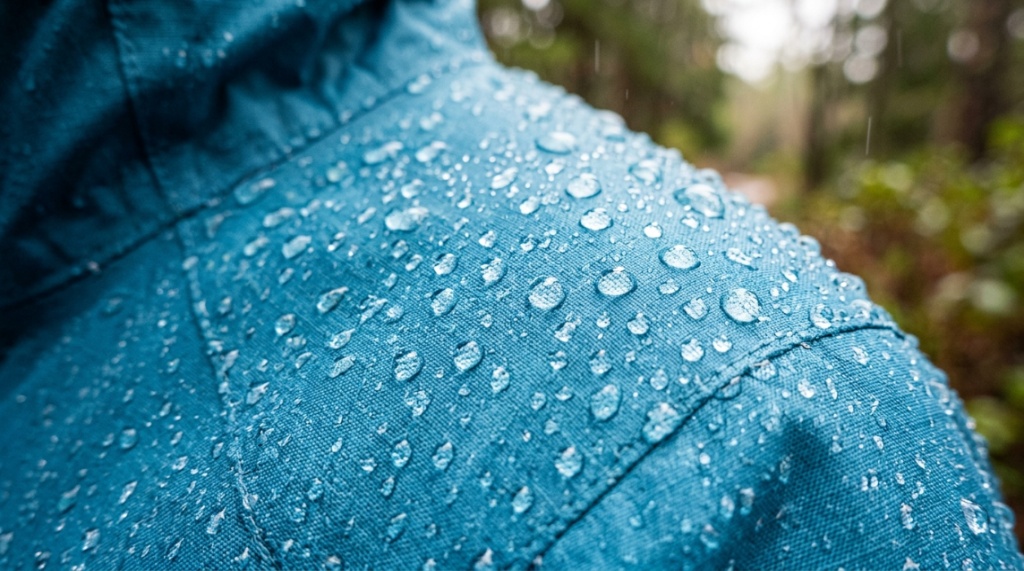
Over time, water stops beading up and starts soaking into the outer layer. Buy a cheap spray can of Nikwax or Grangers and reapply every few months. This restores the top layer and stops the ‘wetting out’ effect that causes clamminess.
Storage Tips
Never store a rain suit wet—it promotes mold and mildew rot. Dry it completely before folding. Store it loosely in a cool, dry place. Compression sacks are fine for trips but don’t keep it crammed in a car glovebox all year; it will degrade the folds.
What Is the Difference Between a Poncho and a Suit for Rain?
The choice between a poncho and a two-piece suit is a critical one for storm prep. Ponchos offer massive ventilation and coverage, while suits offer mobility and wind resistance. For day-long Texas storms, the suit wins on protection.
Pros and Cons of Ponchos
Pros: Inexpensive, fits over backpacks, extremely breathable. Cons: Flaps in wind, doesn’t protect your legs well, and sleeve openings often let water in.
Pros and Cons of Two-Piece Suits
Pros: Full coverage, windproof, better for movement. Cons: More expensive, requires layering correctly, can be hotter if not vented.
When to Choose Which
Pick a poncho for a short walk or a festival. Pick a suit for hurricane prep, working on your feet, or riding a bike. If you plan to drive in the rain, the suit is significantly safer because it doesn’t billow over the steering wheel.
How Do You Choose the Right Size for Layering?
Size is the #1 reason for discomfort. A snug rain suit is a cold rain suit. Ensure you have room for a base layer and a mid-layer. Check the size chart, but also measure your chest and hips over your normal clothes.
Sizing for the “Desert “Fit
Avoid “fitted” styles. Look for “regular” or “relaxed” cuts. You need the ability to raise your arms without the jacket riding up to your navel. The jacket should have enough room to comfortably wear a thick fleece underneath without feeling constricted.
Adjustable Components Matter
Ensure the waist has a drawcord, the cuffs have Velcro or snaps, and the hood is volume-adjustable. Adjustability allows one suit to fit multiple weather conditions and thermal layers. A good hood should rotate with your head.
Length of the Jacket Tail
A jacket that ends at your natural waist is useless when you bend over. Look for a tail that drops 4-6 inches below the waistline at the back. This prevents a rush of cold water down your pants when you reach, sit, or bend.
Which Brands Offer the Best Durability for Under $100?
You don’t need to buy Arc’teryx to survive a Texas squall. Several brands consistently deliver high-performance features at prices that make sense. Focus on brands specializing in commercial workwear or DIY outdoor gear, as they prioritize function over fashion.
Frogg Toggs – The Budget Champion
This brand dominates the budget market. Their “Ultra-Lite” lines are extremely packable, waterproof, and surprisingly robust for the cost. They are not the most breathable, but they are the safest bet for casual use.
Columbia – The Versatile Commuter
Look for Columbia’s “OutDry” or “Hydroplus” lines. They often go on sale for under $100. They feature better fit ergonomics and often include pit zips, making them superior for walking around Austin or Dallas.
NRS – The Premium Budget Stretch
NRS is primarily for water sports, but their “A-Tak” suits are perfect for flooding. They are slightly over $100 sometimes, but watch for sales. They are practically indestructible and have neoprene cuffs—worth stretching the budget for if you spend serious time outdoors in the elements.
How Do You Identify Quality Seams and Zippers?
The seams are where cheap suits die. A rain suit is only as good as its weakest stitch. You must check the seam construction and the zipper material before purchasing.
Sealed vs. Taped Seams
Look for “critically taped seams” or “fully taped seams.” This means a waterproof tape covers the needle holes. If the tag doesn’t mention taping, sewing needles have punctured holes through which water will wick in.
Coil vs. Molded Zippers
Coil zippers are soft and flexible, but they leak slightly. Molded zippers (teeth that snap together) are waterproof. For budget gear, you often get a coil zipper but with an internal storm flap. Ensure the flap extends the entire length of the zipper.
The “Fold” Test for Fabric Stiffness
Take the fabric and fold it in half, squeezing tightly. If it leaves a white crease mark, it is low-quality PU coating that will eventually crack and peel. High-quality fabric bounces back without a crease.
Why Is Ventilation Crucial for Texas Heat?
Even during a storm, Texas temperatures rarely drop below 70°F. Wearing a plastic suit in this heat is dangerous. Heat exhaustion and dehydration are real risks. Ventilation is your life-saving mechanism.
Pit Zips vs. Back Vents
Pit zips are the most effective because heat rises and exits at the armpits. Back vents are good, but they require a backpack or wearing the jacket loose. Prioritize pit zips over anything else.
The Importance of Mesh Linings
Some budget suits have a mesh liner inside. This is surprisingly helpful. It holds the jacket away from your skin, allowing sweat to evaporate and cooling your body. If a suit has no liner, you must wear a wicking base layer underneath.
Management of Internal Condensation
Condensation is unavoidable. To manage it, you must allow airflow. Leave the main zipper slightly unzipped at the top to vent—but ensure you have a high collar to keep rain out. Buttoning the top while zipping down is a great trick.
Are Expensive Rain Suits Worth the Extra $200?
Generally, no, unless you are mountaineering. The price jump often gives you lighter fabrics and more waterproof-breathable membranes (like Gore-Tex), which are excellent but unnecessary for heavy monsoon rain. For Texas storms, mass and durability matter more than ultra-lightweight fabrics.
Where the Money Goes
Expensive suits cut weight (important for backpacking) and offer superior fit articulation. If you’re walking 20 miles a day, this is crucial. But if you are driving between job sites, a heavier suit is fine and often more durable.
The “Urban” Compromise
Spend $100 on a great PVC/Fishing suit over a $300 ultralight suit. The heavier suit handles the harsh abrasion of a truck bed and the brutal sun better. The expensive suit will degrade under sustained UV exposure.
Sound Investment Strategy
Buy the best you can, but don’t chase the top tier. A mid-range suit with fully taped seams and pit zips is the perfect spot. You can always layer expensive merino wool underneath to stay warm, but you cannot repair a leaking cheap suit.
Where Can You Buy an Affordable Suit Locally in Texas?
Buying locally allows you to try it on and assess the fabric feel. Big-box stores are your friend. Look for workwear sections, not just outdoor sections.
Academy Sports + Outdoors
This Texas-based retailer has excellent private labels. Look for their “Magellan Outdoors” brand. They usually have a wide selection of fishing rain suits specifically designed for Gulf Coast storms, often under $80.
Bass Pro Shops / Cabela’s
These are Mecca for budget rain gear. They have frequent sales on house brands. Check the “RedHead” brand. Their suits frequently feature taped seams at surprisingly low price points.
Hardware Stores (Home Depot/Lowes)
Do not overlook these. The workwear section is a goldmine. Rain suits designed for construction workers are tough, high-visibility, and often cheaper than “tactical” or “outdoor” brands because they don’t have lifestyle marketing costs attached.
Frequently Asked Questions
Can I put a cheap rain suit in the washing machine?
Yes, but only on a gentle cycle with cold water and a specialized tech-wash detergent. Avoid spin drying fully; let it hang to dry out of direct sunlight. Fabric softeners ruin the water-repellent coating quickly.
Is a rain suit enough to stop hypothermia in a cold Texas front?
No. A rain suit is a shell; it stops water but traps no heat. You must layer with insulating clothing underneath. Without a warm mid-layer, the suit will keep you wet from the inside with sweat, leading to sudden chilling.
What is the best way to store a rain suit in my car?
Keep it in a breathable mesh bag or tied loosely in a dry box. Avoid vacuum-sealed bags for long-term storage. Seal them tightly and the creases will become weak points that crack. Hang it up in your garage to retain flexibility.
Do rain suits stretch out of shape over time?
PVC suits can stretch permanently in the knees and elbows. Nylon/PU suits are more resilient. To minimize stretching, avoid sitting tightly in them for long periods and store them flat or on a wide hanger, not folded in a tight ball.
How often should I re-waterproof my budget rain gear?
Every 5-6 washes or every 3 months of heavy summer use. A quick field test: splash water on the shoulder. If it soaks in (absorbs) instead of beading up, it’s time to reapply a DWR spray.
Conclusion
Choosing the right affordable rain suit Texas storms requires understanding materials, ventilation, and fit more than staring at the price tag. Don’t get blinded by slick marketing. Focus on fully taped seams, a durable PU or TPU coating, adjustable hoods, and functional pit zips. You now have the checklist needed to make a smart choice. Whether you’re heading to the coast or navigating the concrete bayous, the right suit is a tool of survival. Don’t wait for the next front to hit—take a look at your current gear, apply these tests, and go secure a suit that works as hard as you do.