

Cooking clubs give students far more than simple kitchen practice. They combine teamwork, creativity, nutrition, and practical learning within an enjoyable after school setting. Research has shown that school based cooking programs improve cooking confidence and food knowledge among children. Studies also suggest that longer cooking programs can increase vegetable intake and strengthen food literacy. These benefits make cooking clubs valuable for both academic growth and everyday life.
Why Cooking Clubs Matter for Student Development
A cooking club creates an environment where students learn by doing instead of only listening. Every recipe becomes an opportunity to build confidence through real experiences.
Unlike traditional classroom lessons, cooking activities combine science, mathematics, reading, creativity, and communication within one practical task. Students remember lessons better because they actively participate throughout every session.
Many schools now recognize cooking clubs as valuable enrichment programs. They help students develop skills that remain useful long after graduation.
Builds Practical Life Skills
Students need practical abilities alongside academic knowledge. Cooking clubs provide those skills through regular hands on activities.
They gradually learn how to prepare meals safely and confidently. Every session introduces another useful technique they can apply at home.
Essential Skills Students Learn
- Measuring ingredients accurately
- Reading recipes carefully
- Following instructions step by step
- Using kitchen tools safely
- Organizing cooking spaces
- Cleaning while working
- Managing preparation time
These abilities encourage independence and responsibility during daily life.
Improves Nutrition Knowledge
Many children understand very little about balanced eating before joining a cooking club. Practical experience changes that understanding quickly.
Students discover why vegetables, fruits, whole grains, and lean proteins support healthy bodies. They also learn how different ingredients affect flavor and nutrition.
Instead of avoiding unfamiliar foods, students often become willing to taste new ingredients after preparing them themselves.
Better Food Choices
Cooking clubs encourage healthier habits through positive experiences rather than strict rules.
Students often begin to:
- Eat more vegetables
- Try unfamiliar foods
- Reduce processed snacks
- Understand food labels
- Appreciate balanced meals
These habits may continue throughout adulthood.
Develops Teamwork and Communication
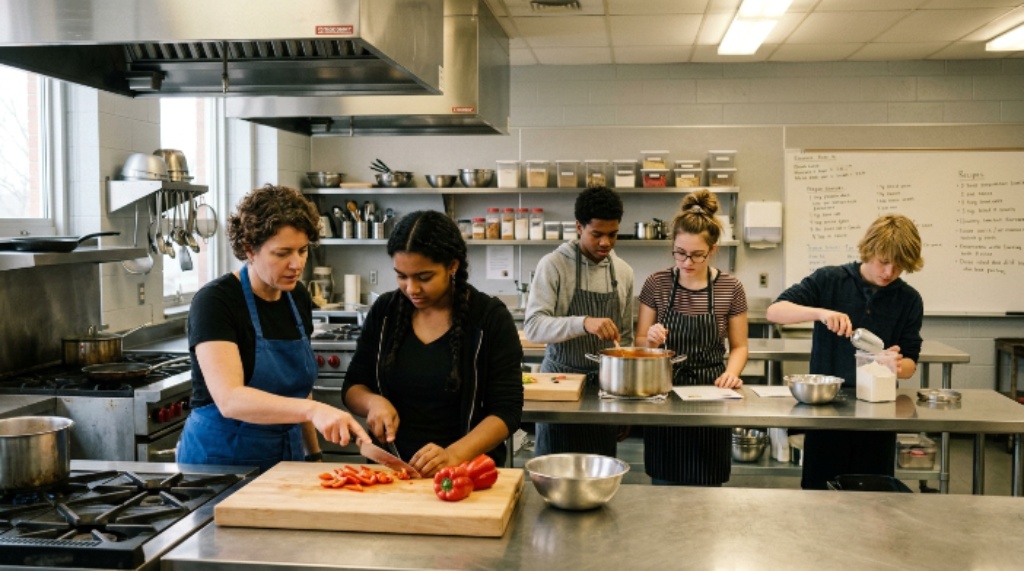
Cooking rarely happens alone during club activities. Students work together while sharing equipment, ingredients, and responsibilities.
Every recipe requires communication between team members. They discuss measurements, timing, preparation, and presentation throughout each activity.
Consequently, students improve listening skills while learning respectful collaboration.
Collaboration Benefits
Working together teaches students how to:
- Share responsibilities
- Respect different opinions
- Solve disagreements calmly
- Encourage classmates
- Celebrate shared success
These social skills help inside and outside school.
Strengthens Academic Learning
Cooking naturally connects several school subjects. Students apply classroom knowledge while completing practical cooking tasks.
For example, measuring ingredients strengthens mathematics skills. Reading recipes improves comprehension and vocabulary.
Meanwhile, cooking processes introduce scientific concepts like heat transfer, chemical reactions, and food safety.
Subjects Reinforced Through Cooking
Mathematics becomes meaningful through measuring, fractions, and conversions.
Science appears naturally during baking, boiling, and food preparation.
Reading improves while following detailed recipes.
Writing develops when students record recipes and cooking reflections.
Artistic creativity grows through food presentation and decoration.
Encourages Problem Solving
Not every recipe works perfectly during the first attempt. Students quickly discover that mistakes become valuable learning opportunities.
They learn how to adjust ingredients, improve techniques, and solve unexpected kitchen problems calmly.
Therefore, cooking clubs help students develop resilience instead of fearing failure.
Boosts Confidence
Confidence grows every time students complete a recipe successfully. They realize they can accomplish tasks independently with practice.
Preparing meals for classmates, teachers, or family members creates genuine pride. Positive feedback motivates students to continue improving.
As confidence increases inside the kitchen, many students become more willing to tackle new challenges elsewhere.
Supports Creativity
Cooking combines structure with imagination. Students follow recipes while adding personal ideas and creative touches.
They experiment with colors, flavors, textures, and presentation. These experiences encourage original thinking without unnecessary pressure.
Creative expression helps students enjoy learning while building confidence.
Improves Time Management
Every cooking activity follows a schedule. Students must prepare ingredients, monitor cooking times, and finish before the session ends.
This process teaches planning and organization naturally. They begin understanding how preparation saves time later.
These habits often improve homework routines and daily responsibilities.
Promotes Responsibility
Students quickly learn that kitchen safety depends upon responsible behavior. Every action affects both personal safety and group success.
They practice washing hands properly, handling equipment carefully, and cleaning workstations completely.
Responsibility learned during cooking often transfers into other school activities.
Responsible Habits Developed
- Following safety rules
- Respecting shared equipment
- Preventing food waste
- Cleaning immediately
- Completing assigned duties
- Helping classmates when needed
These habits build dependable character.
Teaches Financial Awareness
Cooking clubs introduce students to smart food budgeting. They compare ingredients and understand why planning meals saves money.
Students also discover that homemade meals often cost less than frequent restaurant purchases.
Learning these concepts early supports stronger financial decisions later.
Reduces Food Waste
Many students never realize how much food people throw away daily. Cooking clubs help change that perspective.
They learn creative ways to use leftover ingredients and proper food storage methods.
Consequently, students develop greater appreciation for food and resources.
Supports Emotional Well Being
Cooking provides a calming activity that encourages focus and patience. Many students enjoy the relaxing rhythm of preparing meals.
Completing recipes successfully creates a sense of achievement. That accomplishment often reduces stress while improving self esteem.
Shared cooking experiences also strengthen friendships and classroom connections.
Encourages Family Involvement
Students frequently bring new recipes home after club meetings. Families often cook together while practicing recently learned skills.
These shared experiences strengthen family relationships through meaningful activities.
Parents also appreciate seeing practical skills develop outside regular classroom lessons.
Activities Families Can Enjoy Together
- Preparing weekend breakfasts
- Trying seasonal recipes
- Planning healthy dinners
- Baking together
- Shopping for ingredients
These experiences create lasting memories while reinforcing learning.
Builds Leadership Skills
Experienced club members often mentor newer participants. They demonstrate techniques while encouraging classmates patiently.
Leadership develops naturally through teaching and cooperation. Students become comfortable guiding others respectfully.
These experiences prepare students for future school leadership opportunities.
Creates Career Awareness
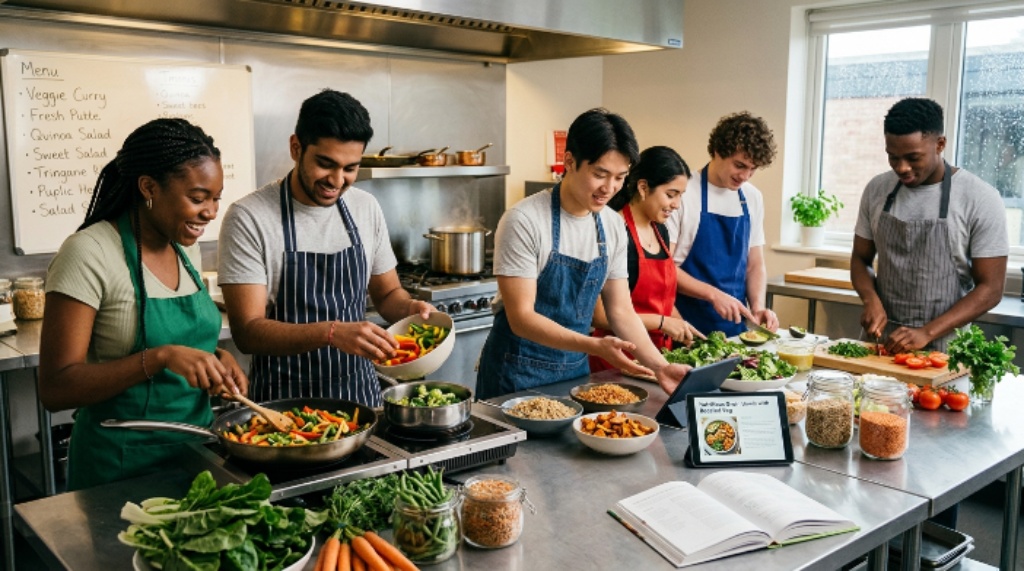
Cooking clubs introduce students to careers connected with food and hospitality. Many participants discover interests they never considered before.
Potential career paths include:
- Chef
- Baker
- Nutritionist
- Food scientist
- Restaurant manager
- Dietitian
- Food photographer
- Culinary instructor
Even students choosing different careers benefit from strong cooking skills.
Makes Learning Enjoyable
Students often remember enjoyable lessons longer than traditional lectures. Cooking transforms learning into an engaging experience filled with discovery.
Every completed recipe rewards effort immediately. That success encourages continued participation and curiosity.
Learning becomes something students anticipate rather than avoid.
How Schools Can Maximize Cooking Club Benefits
Schools achieve stronger results by creating well organized cooking programs. Consistent planning keeps students engaged throughout the year.
Successful clubs usually include:
- Simple recipes for beginners
- Progressive skill development
- Nutrition education
- Food safety lessons
- Team based activities
- Seasonal cooking projects
- Opportunities for family participation
Regular practice allows students to build lasting confidence steadily.
Conclusion
Cooking clubs offer students much more than recipe preparation. They build confidence, teamwork, creativity, nutrition knowledge, responsibility, leadership, and practical life skills that remain valuable for years. These experiences also strengthen academic learning while making education more enjoyable. If your school offers a cooking club, encourage students to participate and experience the lifelong benefits of learning through food.
FAQs
How does a cooking club improve student confidence?
Students gain confidence by successfully preparing meals and mastering new cooking techniques.
Can cooking clubs improve academic performance?
Yes, cooking reinforces mathematics, science, reading, and problem solving through practical activities.
Are cooking clubs suitable for all age groups?
Yes, activities can be adjusted safely for elementary, middle, and high school students.
What life skills do students learn in cooking clubs?
Students learn teamwork, responsibility, time management, budgeting, organization, and safe food preparation.
Why do schools offer after school cooking clubs?
Schools use cooking clubs to promote healthy habits, practical learning, creativity, and student engagement.