
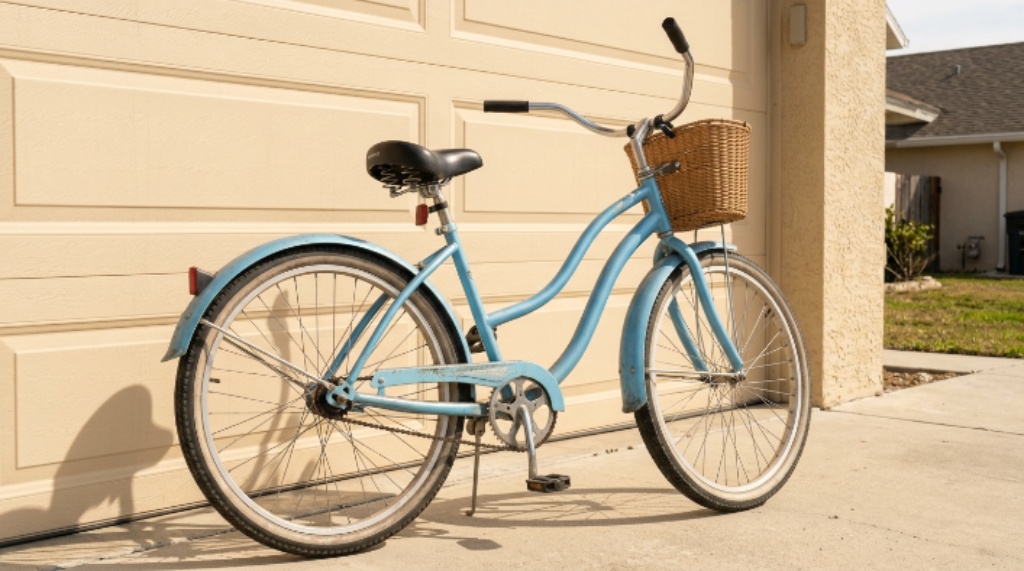
Maintaining a cruiser bike mainly requires regular cleaning, correct tire pressure, chain care, and brake checks. A simple 10 minute inspection each week can prevent many common riding problems. Monthly cleaning also helps protect metal parts from grime, moisture, and surface corrosion.
Why Cruiser Bike Maintenance Matters
Cruiser bikes usually have relaxed geometry, wide tires, comfortable seats, and simple components. However, their straightforward design does not eliminate routine maintenance needs. Regular care keeps the ride smooth, improves control, and helps components last longer.
Moreover, neglected dirt can hold moisture against metal surfaces and accelerate corrosion. Low tire pressure can make steering heavier and increase rolling resistance. A dry chain can also create noise and accelerate wear across the drivetrain.
You do not need advanced mechanical skills for most cruiser bike maintenance. Instead, you need a basic cleaning kit, a reliable pump, suitable lubricant, and simple inspection habits. With those tools, you can handle most routine care at home.
Build a Simple Cruiser Bike Maintenance Routine
A useful maintenance routine works best when you divide tasks by frequency. This approach prevents small problems from becoming expensive repairs.
Use this simple schedule:
- Before every ride: Check tires, brakes, steering, and quick releases.
- Every week: Inspect the chain, wheels, cables, and frame.
- Every few weeks: Clean the bike and lubricate the chain.
- Every month: Inspect brake pads, tire condition, and drivetrain wear.
- Seasonally: Check bearings, wheel alignment, cables, and fasteners.
Your riding conditions should influence these intervals. Frequent rain, coastal air, dusty roads, and muddy paths require more frequent cleaning.
Start With a Basic Cleaning Setup
Cleaning your cruiser bike does not require a complicated workshop. A few bicycle friendly supplies can handle most routine cleaning jobs.
Keep these items available:
- A clean bucket
- Mild bicycle cleaning soap
- Soft brushes
- Microfiber cloths
- A sponge
- Bicycle chain cleaner
- Bicycle chain lubricant
- A floor pump with a pressure gauge
- A small brush for tight areas
Avoid household degreasers that can damage finishes, seals, or sensitive components. Also, avoid aggressive pressure washing because high pressure can force water into bearings.
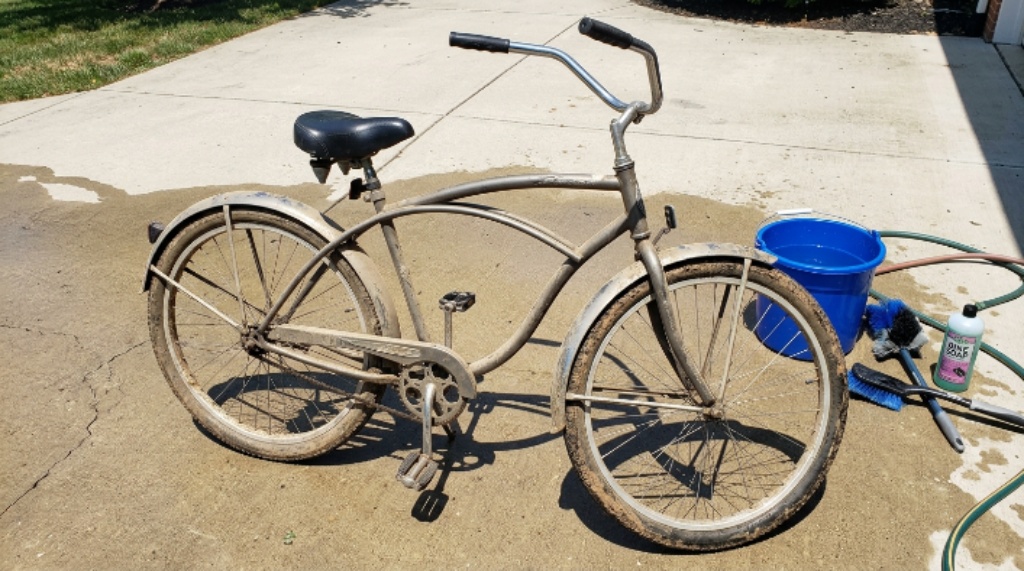
Before cleaning, place the bike somewhere stable and well ventilated. Then remove loose dirt with gentle water flow before applying cleaner.
Clean Your Cruiser Bike Without Damaging It
Start at the handlebars and work toward the wheels. This method lets dirty water move downward instead of spreading grime across cleaned areas.
Mix a small amount of bicycle soap with water. Dip a soft sponge into the mixture and gently clean the frame, fork, handlebars, and other accessible surfaces.
Next, use a soft brush around the wheels, crank area, and frame joints. Pay special attention to areas where road dirt collects behind the fork and near the rear wheel.
Keep cleaning products away from brake pads and braking surfaces. Contamination can reduce braking performance and create dangerous stopping problems.
After washing, rinse the bike gently with clean water. Then dry the frame and components thoroughly with a clean microfiber cloth.
Do not leave your cruiser bike wet after cleaning. Water trapped around bolts, cables, bearings, or drivetrain parts can encourage corrosion over time.
Give Extra Attention to Hidden Dirt
Cruiser bikes often collect dirt in places that remain unnoticed during quick cleaning. Check beneath the saddle, around the chain guard, behind the fork, and between frame joints.
Use a small soft brush for these areas. However, never force dirt deeper into bearings or seals while brushing.
Maintain Cruiser Bike Tires Correctly
Tires directly affect comfort, handling, braking, and rolling efficiency. Therefore, tire maintenance should become one of your most consistent habits.
Check tire pressure before longer rides and whenever the bike feels unusually sluggish. Always use the pressure range printed on the tire sidewall or specified by the bike manufacturer.
Do not rely only on how the tire feels under your hand. A pressure gauge gives you a much more useful measurement.
Low pressure can cause sluggish handling and increase the chance of rim damage. Excessive pressure can make the ride harsh and reduce traction on uneven surfaces.
Inspect Tires for Damage
Look closely at the entire tread and sidewalls. Search for cuts, cracks, embedded glass, sharp stones, bulges, or unusually worn areas.
Remove small debris carefully when the tire sits off the rim. Do not ignore repeated punctures because they may indicate an underlying tire problem.
Replace a tire when its casing shows serious damage or the tread becomes excessively worn. A damaged tire can fail unexpectedly during a ride.
Check Tire Pressure Consistently
Temperature changes can affect tire pressure, especially when outdoor conditions change significantly. Consequently, check pressure more often during major seasonal changes.
Keep your pump accessible instead of storing it somewhere difficult to reach. Easy access makes regular pressure checks much more likely.
Keep the Cruiser Bike Chain Clean
The chain transfers your pedaling force to the rear wheel. Because it works continuously under tension, dirt and poor lubrication can quickly affect performance.
First, inspect the chain for heavy dirt, rust, stiffness, or unusual discoloration. Rotate the pedals slowly while watching each section move through the drivetrain.
A healthy chain should move smoothly through the gears. Stiff links can create clicking sounds and cause uneven drivetrain movement.
Clean the Chain Properly
Apply bicycle specific chain cleaner to a cloth or suitable chain cleaning tool. Rotate the pedals backward while gently cleaning the chain.
For heavier grime, use a soft drivetrain brush. Work around the chain carefully while avoiding unnecessary contact with brake components.
After cleaning, allow the chain to dry completely. Then apply a suitable bicycle chain lubricant to the chain rollers.
Do not flood the chain with lubricant. Excess lubricant attracts dust and creates a sticky layer that holds abrasive particles.
Apply Chain Lubricant Correctly
Place a small drop of lubricant on each chain section while slowly rotating the pedals backward. Give the lubricant enough time to reach the moving parts.
Afterward, wipe the outside of the chain with a clean cloth. The goal involves lubricating internal moving surfaces while removing excess lubricant externally.
Use wet lubricant for consistently wet riding conditions and dry lubricant for cleaner, drier environments. Follow the lubricant manufacturer’s application instructions for the best results.
Check Cruiser Bike Brakes Before Riding
Reliable brakes matter more than appearance or comfort. Therefore, inspect your brake system regularly and test it before every ride.
Squeeze each brake lever while the bike remains stationary. The lever should feel firm and should not pull excessively close to the handlebar.
Next, inspect the brake pads for uneven wear or contamination. Replace worn pads before their braking material becomes dangerously thin.
Watch for Brake Problems
Pay attention to these warning signs:
- Squealing that continues after cleaning
- Grinding sounds during braking
- Weak braking force
- Excessive lever travel
- Uneven brake pad contact
- Visible pad contamination
- A rubbing wheel after releasing the brake
Each symptom can indicate a different problem. Some issues need simple adjustment, while others require replacement or professional service.
Never apply lubricant, polish, or cleaning oil to brake pads or braking surfaces. Even a small amount of contamination can seriously reduce braking performance.
Inspect Brake Cables and Housing
Mechanical cruiser bike brakes often depend on cables that move inside protective housing. Dirt, corrosion, or damaged housing can make braking feel stiff.
Look for frayed cable strands, cracked housing, rust, and sharp bends. Test the brake lever several times and notice whether it returns smoothly.
Replace damaged cables instead of trying to repair frayed sections. A compromised cable can fail when you need maximum braking force.
If your cruiser uses hydraulic brakes, inspect the system for leaks and unusual lever behavior. Hydraulic brake servicing requires different procedures and should follow the manufacturer’s instructions.
Check the Wheels and Fasteners
Wheel condition affects both safety and riding comfort. Spin each wheel and watch for obvious side to side movement.
A wheel that moves noticeably from side to side may need truing. Avoid tightening spokes randomly because incorrect adjustments can make the wheel worse.
Check the axle or wheel retention system before each ride. Make sure everything sits correctly and remains securely fastened.
Also inspect the stem, handlebar, saddle, and crank area. Loose components can affect control and create avoidable mechanical problems.
Protect Your Cruiser Bike From Rust
Moisture creates one of the biggest long term threats to metal bicycle components. Therefore, dry your bike after wet rides and clean salty or dirty residue promptly.
Store the bike somewhere dry with reasonable airflow. Avoid leaving it outside for extended periods, even under a basic cover.
If surface rust appears, address it early. Small rust spots often remain manageable, while neglected corrosion can weaken or damage components.
Keep protective products away from brake pads and braking surfaces. Always follow the product instructions and apply protection only where appropriate.
Maintain the Saddle and Contact Points
Your saddle does more than provide comfort. Its mounting hardware must remain secure during normal riding.
Check the saddle for movement before longer rides. If it tilts unexpectedly or shifts under pressure, inspect the clamp and mounting hardware.
Clean the saddle according to its material. Use gentle products on synthetic coverings and avoid soaking materials that can absorb moisture.
Also inspect the grips and pedals. Replace damaged grips or loose pedals when they no longer provide dependable control.
Know When Your Cruiser Bike Needs Professional Service
Routine maintenance can handle many everyday problems. However, some repairs require specialized tools, accurate adjustments, or replacement parts.
Consider professional service when you notice:
- Persistent wheel wobble
- Damaged bearings
- Hydraulic brake problems
- Severe drivetrain wear
- Cracked structural components
- Repeated spoke failures
- Difficult gear shifting
- Unusual frame damage
Do not continue riding when a structural component appears cracked or seriously damaged. Safety should always take priority over completing a ride.
A Five Minute Pre Ride Check
You can catch many problems with a quick inspection before leaving home. This check takes little time but can prevent uncomfortable or unsafe situations.
Use this simple sequence:
- Press both tires and verify their pressure.
- Squeeze both brake levers and check their firmness.
- Spin each wheel and watch for obvious rubbing.
- Move the handlebars gently and check for looseness.
- Inspect the chain for dryness or visible damage.
- Check the saddle and pedals for movement.
- Look around the frame for cracks or serious damage.
This routine works especially well before longer rides. It also creates a habit that makes mechanical problems easier to identify early.

Common Cruiser Bike Maintenance Mistakes
Many maintenance problems happen because riders use too much force or the wrong product. Simple care works better when you protect sensitive components.
Avoid these common mistakes:
- Using high pressure water around bearings
- Applying excessive chain lubricant
- Ignoring tire sidewall damage
- Cleaning brake pads with oily products
- Riding with loose wheel hardware
- Storing the bike while wet
- Ignoring unusual grinding sounds
- Delaying replacement of badly worn brake pads
Small mistakes can gradually create bigger repair needs. Fortunately, careful cleaning and regular inspections prevent many of them.
How Weather Changes Your Maintenance Routine
Your local riding environment can change how often your bike needs attention. Wet roads, heavy humidity, dust, and salty air all increase maintenance demands.
After riding through rain, dry the bike and inspect the chain. If you ride near the coast, clean salty residue from exposed metal parts more frequently.
During dry and dusty periods, clean the drivetrain before grime builds into a thick abrasive paste. Keep the chain properly lubricated without leaving excess oil on its exterior.
Storage conditions also matter. A dry indoor location protects the bike better than an exposed porch or outdoor rack.
Create a Maintenance Checklist You Will Actually Use
The best maintenance plan remains simple enough to follow consistently. A complicated schedule often becomes another task that riders eventually ignore.
Write a short checklist and keep it near your bike storage area. Mark each inspection after completing it so you can spot missed tasks easily.
Your basic checklist should include:
- Tire pressure
- Tire damage
- Brake performance
- Chain condition
- Wheel alignment
- Loose hardware
- Frame condition
- Cleaning needs
Once the routine becomes familiar, the entire inspection becomes much faster. Consistency matters more than spending hours on maintenance occasionally.
Final Thoughts
A cruiser bike stays dependable when you regularly clean it, maintain tire pressure, lubricate the chain, and inspect the brakes. Add quick wheel, hardware, and frame checks, and you can catch many problems before they interrupt your ride.
Start with a five minute inspection today, then create a weekly maintenance habit. Keep your cleaning supplies and pump nearby, and service serious mechanical problems before riding again.
Frequently Asked Questions
How often should I clean my cruiser bike?
Clean your cruiser bike whenever it becomes visibly dirty, especially after wet, muddy, or salty rides.
How often should I lubricate a cruiser bike chain?
Lubricate the chain when it becomes dry, noisy, dirty, or after cleaning and drying it thoroughly.
What tire pressure should a cruiser bike use?
Use the tire pressure range printed on the tire sidewall or recommended by the bike manufacturer.
How do I know when cruiser bike brake pads need replacement?
Replace brake pads when their braking material becomes excessively thin, damaged, contaminated, or unevenly worn.
Can I wash a cruiser bike with a hose?
You can use gentle water flow, but avoid high pressure spray near bearings, seals, hubs, and other sensitive components.