Living in a compact apartment or house doesn’t mean you have to sacrifice your indoor cycling routine. Many cyclists face the challenge of maintaining their fitness during bad weather or busy schedules while dealing with limited storage space. Fortunately, foldable bike rollers offer an excellent solution for those who need effective training equipment that doesn’t take over their living area.
Choosing the right equipment for small spaces requires careful consideration of several factors. You need something that performs well, stores easily, and fits your budget. This guide will help you navigate the options and find portable cycling rollers that meet your specific needs without cluttering your home.
Understanding How Bike Rollers Work
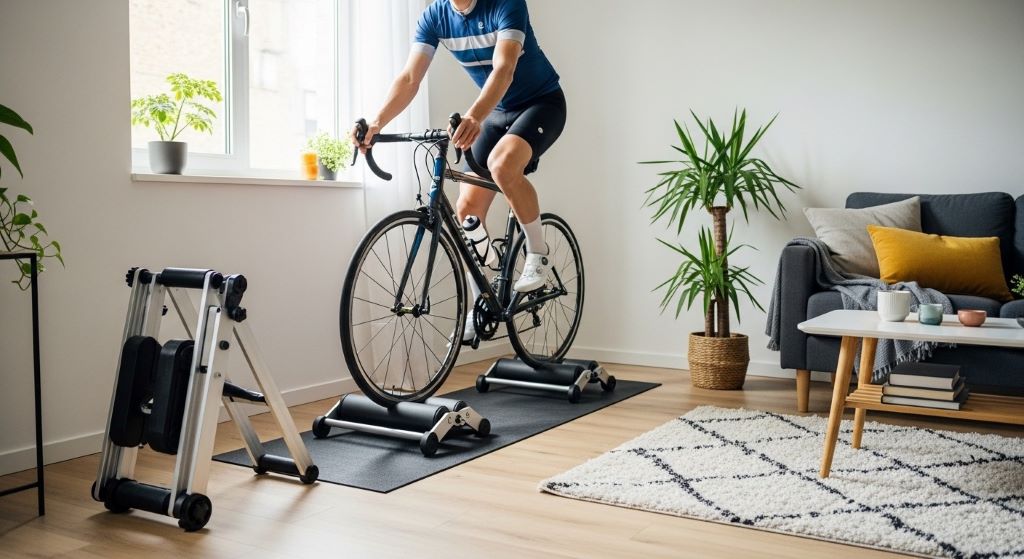
Before diving into the selection process, it’s helpful to understand what makes rollers different from other indoor cycling options. Rollers consist of three cylindrical drums mounted in a frame. Your bike sits on top of these drums, with the front wheel on one roller and the rear wheel on two others.
Unlike stationary trainers that clamp your bike in place, rollers require you to balance while pedaling. This creates a more realistic riding experience and engages your core muscles. The free movement means you develop better bike handling skills even while training indoors.
The resistance on rollers comes from the friction between your tires and the drums, plus the air resistance created by spinning the rollers. Some models include magnetic or fluid resistance units for added challenge. However, the basic design remains simple and effective for maintaining fitness and improving your pedaling technique.
Why Space-Saving Designs Matter
For many cyclists, space limitations significantly impact their equipment choices. A traditional roller setup can measure four feet long and two feet wide. When you’re not using it, that’s a substantial amount of floor space occupied by a single piece of equipment.
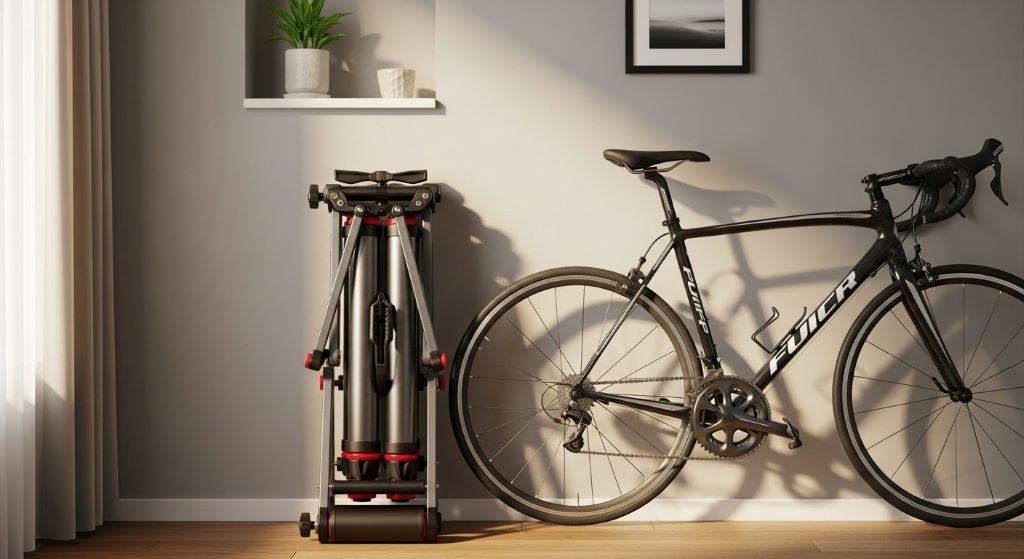
Foldable designs address this problem directly. These units collapse down to a fraction of their operating size, making them easy to tuck into a closet, slide under a bed, or stand against a wall. This flexibility means you can set up your training area when needed and reclaim that space afterward.
Additionally, compact designs make transportation much simpler. If you travel frequently for races or training camps, being able to fold your rollers and pack them in your vehicle becomes a valuable feature. Some cyclists even bring their equipment when visiting family or going on extended trips.
Key Features to Consider When Shopping
Selecting the right foldable rollers involves evaluating several important characteristics. Each feature impacts how well the equipment fits your space and meets your training needs.
The folding mechanism itself deserves close attention. Look for designs that fold and unfold smoothly without requiring tools or complicated steps. You should be able to set up and pack away your rollers quickly. If the process becomes too cumbersome, you’ll be less likely to use them regularly.
Frame construction affects both durability and storage size. Aluminum frames typically offer a good balance of strength and light weight. Steel frames are heavier but often more affordable. Consider what you’ll be doing with the rollers when they’re folded. If you need to carry them up stairs frequently, weight becomes more important.
Drum width influences stability and ease of use. Wider drums provide more surface area for your tires, making it easier to balance. However, wider drums also mean a larger footprint when set up. Most rollers use drums between 3 and 4.5 inches wide. Beginners often find wider drums more forgiving.
The distance between drums matters for bike compatibility. Longer wheelbases require more space between the front and rear drums. Check the specifications to ensure your bike will fit properly. Some adjustable models accommodate various bike sizes, which is helpful if multiple people in your household plan to use the equipment.
Noise level impacts where and when you can train. If you live in an apartment with neighbors below or family members who work from home, quieter operation becomes crucial. Look for models with parabolic drums or special roller designs that reduce noise. Reading user reviews often provides honest feedback about sound levels.
Evaluating Portability and Storage
The term portable cycling rollers encompasses more than just foldable designs. True portability considers weight, folded dimensions, and ease of movement.
Weight typically ranges from 15 to 30 pounds for most foldable models. Lighter options make carrying easier but might sacrifice some stability. Heavier models often feel more solid during use but become challenging to move frequently. Think about your specific situation. Will you fold and unfold daily, or just occasionally?
Folded dimensions vary considerably between models. Some collapse to a compact package roughly the size of a suitcase. Others fold but still remain somewhat bulky. Measure your intended storage space before shopping. Knowing exactly how much room you have helps you choose appropriately.
Built-in carrying handles or included carrying bags enhance portability significantly. These features make transportation much more convenient. Some manufacturers include protective bags that prevent the rollers from scratching floors or getting damaged during storage.
Comparing Different Roller Types
While shopping, you’ll encounter several roller variations. Understanding these differences helps you choose the best option for your space and training goals.
Traditional three-drum rollers represent the classic design. They’re simple, reliable, and usually the most compact when folded. These work well for most cyclists and offer an authentic riding feel. The straightforward design also means fewer parts that might break or need maintenance.
Resistance rollers include built-in units that increase workout intensity. These might use magnets, fluids, or fans to create additional resistance. While they offer more training options, they’re often larger and heavier. Consider whether you need this extra resistance or if your training goals can be met with basic rollers.
Rollers with frames or cages provide guardrails that prevent you from riding off the sides. These designs help beginners feel more secure but take up more space. Some foldable models incorporate removable safety features that store separately, offering a compromise between security and compactness.
Smart rollers connect to training apps and provide electronic resistance control. These high-tech options appeal to data-driven cyclists but typically cost more and may have larger footprints. However, recent innovations have produced some surprisingly compact smart roller designs.
Assessing Build Quality and Durability
Investing in a compact bike trainer means finding equipment that withstands regular use despite its portable design. Several indicators help you judge quality before purchasing.
Frame welds and joints reveal construction quality. Look for clean, even welds without gaps or rough spots. Poorly welded frames might develop cracks over time, especially at folding points where stress concentrates. Quality manufacturers typically showcase their welding in product photos.
Drum material affects longevity and performance. Most rollers use PVC, aluminum, or composite materials. PVC drums work well and cost less but might wear faster with heavy use. Aluminum drums last longer and often run quieter. Composite materials offer good performance characteristics but vary widely in quality between manufacturers.
Bearing quality determines how smoothly the drums spin. Sealed bearings resist dust and moisture, lasting longer with minimal maintenance. Cheaper rollers might use unsealed bearings that require regular cleaning and lubrication. While this adds maintenance, it doesn’t necessarily mean the product is inferior.
Folding mechanism durability matters greatly for portable equipment. Hinges, pins, and locking mechanisms endure repeated stress from folding and unfolding. Look for reinforced connection points and solid locking systems. Plastic components at these critical points might indicate cost-cutting that affects longevity.
Setting Up Your Training Space
Even with foldable equipment, you need adequate space for safe training. Understanding spatial requirements helps you determine if a particular model works for your home.
Operating dimensions differ from storage dimensions. When set up, most rollers need a space roughly four feet long and two feet wide, plus clearance on both sides. You also need overhead space for your handlebars and head. Measure your intended training area carefully, accounting for door swings and nearby furniture.
Floor surface affects stability and noise transmission. Concrete floors provide the most stable base but transmit more vibration. Carpeted areas absorb some noise but might not offer enough stability. A rubber mat under your rollers solves both issues, providing grip and sound dampening. These mats also protect floors from sweat drips and tire marks.
Ventilation becomes important during intense workouts. Indoor training generates significant heat and sweat. Position your setup near a fan or window if possible. Some cyclists prefer training in basements or garages where temperature and humidity concerns matter less.
Budget Considerations and Value
Foldable bike rollers span a wide price range, from budget options around one hundred dollars to premium models exceeding five hundred dollars. Understanding what influences price helps you identify good value.
Basic models without resistance units or smart features cost less but still provide effective training. If you’re new to rollers or have simple training needs, these entry-level options might serve you perfectly. Don’t assume you need the most expensive model to achieve your fitness goals.
Mid-range options often include better build quality, quieter operation, and sometimes adjustable resistance. These typically offer the best value for regular users who train several times weekly. The improved construction means they’ll last longer, potentially saving money over time.
Premium models justify their cost through advanced features, exceptional build quality, and often superior customer support. If you’re a serious cyclist who trains daily or plans to use your equipment for many years, the investment might make sense. Additionally, premium manufacturers sometimes offer better warranties and replacement parts availability.
Consider the total cost of ownership. Cheaper rollers might wear out faster or require tire replacements more frequently. Quieter models might eliminate the need for soundproofing your training area. Sometimes paying more upfront actually saves money and hassle later.
Reading Reviews and Gathering Information
Before making your final decision, research helps you avoid common pitfalls and find the best match for your needs.
User reviews provide invaluable real-world insights. Look for reviews from people with similar living situations. Someone in an apartment can tell you about actual noise levels. Users with limited space share storage experiences. Pay attention to reviews mentioning long-term durability rather than first impressions.
Professional reviews from cycling publications offer technical analysis and comparative testing. These sources often measure noise levels, test stability, and compare multiple models. However, remember that professional reviewers might not prioritize the same features you need.
Manufacturer specifications tell you exact dimensions, weight capacities, and materials used. Compare these details across different models. Sometimes very similar products have subtle differences that matter for your situation.
Customer service reputation matters more than many people realize. When issues arise, responsive manufacturers who stand behind their products make ownership much more pleasant. Check if the company offers good warranties and actually honors them according to customer feedback.
Making the Most of Your Compact Setup
Once you’ve chosen your equipment, several strategies help you maximize its effectiveness in your small space.
Establish a quick setup routine. The faster you can deploy your rollers, the more likely you’ll use them regularly. Practice the folding and unfolding process until it becomes second nature. Some cyclists time themselves to make it a challenge.
Create a dedicated storage spot that makes access easy. If you have to move other items every time you want to train, the hassle might discourage you. A closet near your training area or a vertical storage solution against a wall works well.
Combine your roller training with other space-saving workout equipment. A folding exercise mat, resistance bands, or compact weights can create a complete fitness station without requiring much room. When everything stores efficiently, maintaining multiple workout options becomes feasible.
Consider the timing of your workouts. If noise concerns you, schedule training sessions during times when it’s less likely to disturb others. Many cyclists find early morning or late evening sessions fit well into their schedules anyway.
Maintaining Your Equipment for Longevity
Proper care extends the life of your foldable rollers and ensures they continue performing well.
Regular cleaning prevents buildup that causes wear. Wipe down the drums after each use to remove tire rubber residue. Clean the frame periodically to prevent corrosion from sweat. A damp cloth handles most cleaning tasks without requiring special products.
Inspect folding mechanisms regularly. Look for loose bolts, worn pins, or damaged hinges. Tightening hardware before problems develop prevents more serious issues. Most maintenance requires only basic tools you probably already own.
Drum alignment affects performance and tire wear. If you notice uneven tire wear or wobbling during use, check that drums are properly aligned. Most adjustable models include instructions for this in their manuals.
Store your rollers in a dry location when possible. While quality equipment resists moisture, prolonged exposure to humidity can cause rust or corrosion. If you must store them in a damp area, consider using a protective cover.
Alternatives and Complementary Equipment
Understanding related options helps you make the best decision for your specific situation.
Turbo trainers offer an alternative that some cyclists prefer. These devices clamp your rear wheel and provide fixed resistance. They’re often more compact than rollers but don’t offer the same balance and bike handling benefits. Some turbo trainers also fold for storage.
Direct-drive trainers completely replace your rear wheel. These provide the most realistic road feel and quietest operation but typically cost more and take up more space. However, some newer models offer reasonable compactness.
Combining rollers with other training tools creates variety. A yoga mat for stretching, resistance bands for strength work, or a foam roller for recovery all store compactly. This multi-tool approach keeps training interesting while respecting space limitations.
Safety Tips for Roller Training
Training on rollers requires more attention to safety than fixed trainers. Following basic precautions prevents accidents and builds confidence.
Start slowly if you’re new to rollers. Most beginners find it helpful to set up in a doorway where they can grab the frame for balance initially. As your balance improves, you’ll need this support less frequently.
Wear your cycling shoes and clip in if you use clipless pedals. This connection to the bike actually makes balancing easier. However, practice clipping out quickly before you need to in an emergency.
Keep the area around your rollers clear. If you do lose balance, having open space to step off safely prevents injuries. Remove any obstacles that might trip you or damage your bike.
Consider using a front wheel block or having something to lean against when mounting and dismounting. Getting on and off the bike while it’s on rollers challenges even experienced cyclists.
Conclusion
Selecting foldable bike rollers for small spaces involves balancing multiple factors. You need equipment that provides effective training while storing efficiently when not in use. By considering frame construction, folding mechanisms, dimensions, and your specific space constraints, you can find portable cycling rollers that fit your lifestyle perfectly.
Remember that the best compact bike trainer is one you’ll actually use consistently. Convenience matters as much as features. Equipment that’s easy to set up, store, and maintain encourages regular training sessions that improve your cycling fitness.
Take time to research thoroughly, read reviews from users in similar situations, and don’t rush your decision. The right choice will serve you well for years, providing excellent training opportunities regardless of weather conditions or limited living space. Your investment in quality foldable rollers pays dividends through improved fitness, better bike handling skills, and the convenience of training whenever your schedule allows.
Frequently Asked Questions
Do I need special tires for using bike rollers?
You don’t necessarily need special tires, but they can improve your experience. Regular tires work fine, though they may wear faster on rollers than on roads. Some cyclists prefer using an old tire designated for indoor training. Smooth trainer tires reduce noise and last longer but aren’t essential, especially if you’re just getting started with roller training.
How much space do I actually need to use foldable rollers safely?
You need approximately four feet of length and three feet of width to accommodate the rollers and your bike. Additionally, allow at least one foot of clearance on each side in case you lose balance. Ceiling height should be at least seven feet to ensure adequate headroom. When measuring, account for handlebar width and any natural swaying that occurs while riding.
Can I use rollers if I live in an upstairs apartment?
Yes, but you’ll need to take noise precautions. Use a thick rubber mat designed for exercise equipment underneath your rollers. This absorbs vibration and significantly reduces sound transmission. Consider training during daytime hours when it’s less likely to disturb neighbors. Some cyclists also notify neighbors about their training schedule to maintain good relationships.
How long does it take to learn to balance on rollers?
Most people can ride comfortably on rollers after three to five sessions of practice. Initial attempts might last only a few minutes, but balance improves quickly. Starting in a doorway where you can catch yourself helps build confidence. Within two weeks of regular practice, most cyclists feel comfortable enough to watch videos or complete full workouts while riding.
Are foldable rollers less stable than non-folding models?
Not necessarily. Well-designed foldable rollers can be just as stable as fixed models when properly set up and locked in position. The key is ensuring the locking mechanism is secure and the frame is rigid when deployed. Some premium foldable models actually outperform cheaper non-folding options. Check reviews specifically mentioning stability to gauge how different models perform.
Related Topics:
Why Do My Hands Fall Asleep on Road Bike Hoods
Cheap Yet Reliable Mountain Bikes Under $500 for New Riders