Introducing your child to golf can be one of the most rewarding experiences for both of you. However, choosing the right equipment makes all the difference between a frustrated youngster who gives up quickly and an enthusiastic learner who develops a lifelong passion for the sport. The clubs you select will directly impact how fast your child learns and how much they enjoy their time on the course.
Many parents make the mistake of buying clubs that are too heavy, too long, or simply not designed for young beginners. These poor choices lead to bad habits, slower progress, and diminished enjoyment. Understanding what makes a quality beginner set will help you make an informed decision that sets your child up for success from their very first swing.
This comprehensive guide will walk you through everything you need to know about selecting the perfect starter clubs for your young golfer. From understanding proper sizing to recognizing quality features, you’ll gain the knowledge needed to make a smart investment in your child’s golfing journey.
Understanding Why Proper Equipment Matters for Young Golfers
Children are not simply small adults. Their bodies work differently, their strength levels vary significantly from grown-ups, and their learning patterns require special consideration. Using adult clubs or poorly designed junior options can actually hinder development rather than help it.
When clubs are too heavy, children struggle to complete a full swing. This limitation forces them to develop compensating movements that become ingrained bad habits. Breaking these habits later requires significant effort and can delay progress for years.
Similarly, clubs that are too long create problems with posture and swing plane. A child using oversized clubs will stand too far from the ball, bend incorrectly, and struggle to make solid contact. These issues compound over time, making the game frustrating rather than fun.
Conversely, properly fitted equipment allows young players to develop natural, efficient swing mechanics from the start. They can focus on learning technique rather than fighting their equipment. This foundation accelerates skill development and builds confidence that carries through their entire golfing life.
Determining the Right Size for Your Child
The most critical factor in selecting junior clubs is getting the proper size. Club length must match your child’s height and arm length to promote good posture and swing mechanics.
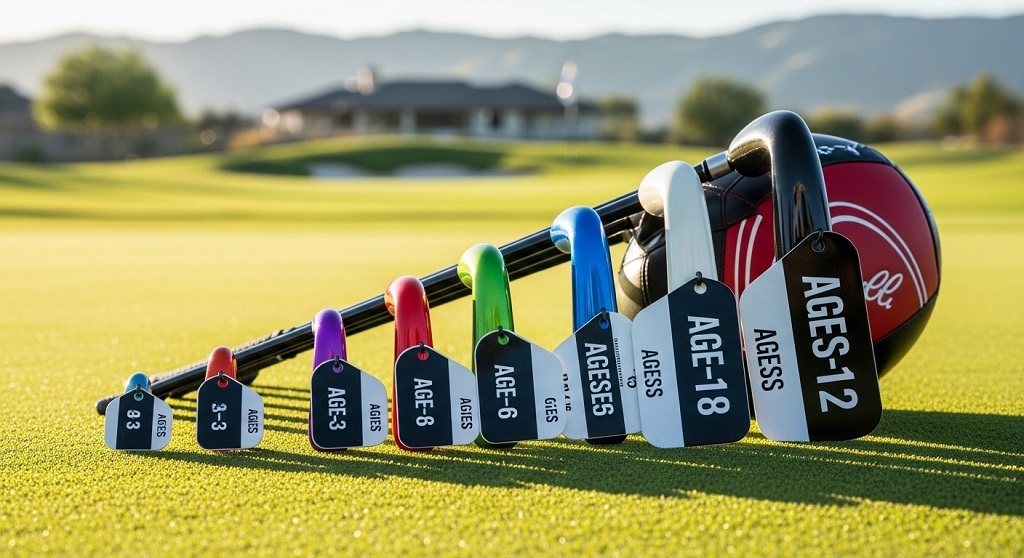
Manufacturers typically categorize junior clubs by age ranges, but these should serve only as general guidelines. Children grow at different rates, so height provides a more accurate sizing method. A tall eight-year-old might need clubs designed for ten-year-olds, while a smaller twelve-year-old might still fit comfortably in a younger age category.
Most quality sets provide sizing charts that match club length to height ranges. Generally, children between 36 and 42 inches tall need clubs in the 24 to 29 inch range. Those measuring 42 to 52 inches typically require 35 to 43 inch clubs. Taller juniors standing 52 to 60 inches work best with 48 to 54 inch clubs.
Beyond height, consider your child’s athletic ability and coordination. More coordinated children can sometimes handle slightly longer clubs, while those still developing motor skills benefit from shorter options that offer better control.
Have your child try different lengths if possible. They should be able to address the ball comfortably with a slight knee bend and their arms hanging naturally. The club should not force them to stand unusually upright or bend excessively at the waist.
Recognizing Quality Features in Lightweight Junior Golf Clubs
Not all junior sets are created equal. Several key features separate quality options from cheaper alternatives that might actually impede learning.
Weight distribution stands as perhaps the most important characteristic. Lightweight junior golf clubs allow children to swing freely without straining. However, the weight must be distributed correctly, with an appropriate balance point that promotes proper swing tempo and rhythm.
Look for clubs made from modern materials like graphite or specially designed lightweight steel alloys. These materials provide adequate weight for feedback and control while remaining manageable for young muscles. Avoid sets that feel excessively heavy when you lift them.
The grip size matters significantly for small hands. Oversized grips prevent children from holding the club correctly, leading to poor hand positioning and weak contact. Quality junior sets feature appropriately sized grips that allow proper finger placement and comfortable control.
Shaft flexibility affects how clubs perform during the swing. Junior shafts should flex more easily than adult versions, helping children generate clubhead speed despite limited strength. This flexibility also provides better feel and feedback during the learning process.
Club head design influences forgiveness and ease of use. Larger club heads with perimeter weighting help beginners make solid contact even on off-center hits. This forgiveness builds confidence and makes practice more productive.
Deciding Between Complete Sets and Individual Clubs
Parents often wonder whether to purchase a complete set or build a custom selection of individual clubs. Each approach has merits depending on your situation and goals.
Complete sets offer convenience and value. They typically include a driver, fairway wood, hybrid, several irons, a wedge, and a putter. This combination covers all the basic shots children need to learn. Additionally, buying a complete set usually costs less than purchasing clubs individually.
However, complete sets sometimes include clubs that young beginners don’t actually need yet. A three-year-old just starting out doesn’t require a full complement of irons. They might be better served with just a few essential clubs that won’t overwhelm them.
For very young children or absolute beginners, consider starting with a simplified selection. A driver, a seven iron, a pitching wedge, and a putter provide everything needed to learn fundamental skills. As your child progresses and shows genuine interest, you can add more clubs to fill out their bag.
This progressive approach also makes financial sense since children outgrow clubs relatively quickly. Investing in a smaller starter selection minimizes the cost when you need to upgrade to the next size.
More experienced junior players who have demonstrated commitment to the sport benefit from complete sets that allow them to practice a full range of shots and course management skills.
Evaluating Child-Friendly Golf Sets for Beginners
When shopping for your child’s first clubs, certain characteristics indicate whether a set is truly designed with young learners in mind.
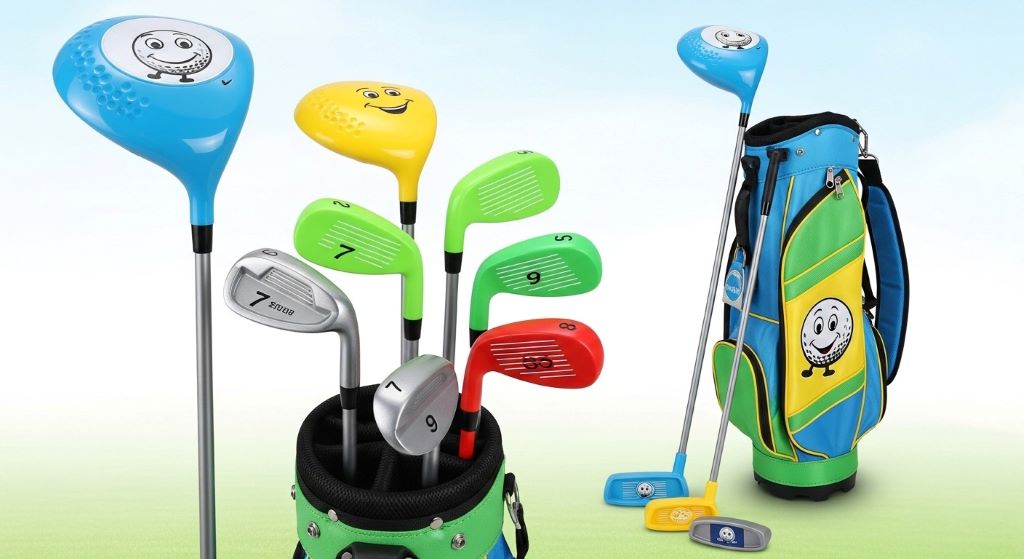
Visual appeal matters more than many people realize. Children respond positively to equipment that looks fun and appealing. Bright colors, attractive designs, and modern styling make kids excited to practice. While performance trumps aesthetics, combining both creates the ideal situation.
The carry bag should be lightweight and feature comfortable straps designed for smaller frames. A bag that’s too heavy or awkward to carry discourages children from wanting to practice. Look for bags with stand legs, multiple pockets for organization, and straps that adjust to fit growing bodies.
Quality sets include appropriately sized headcovers to protect the clubs. These covers should fit snugly and feature designs that appeal to children. Teaching kids to care for their equipment early instills good habits and responsibility.
Consider sets that include basic accessories like tees and a divot tool. These extras add value and ensure your child has everything needed to start playing immediately.
Read reviews from other parents and junior golf instructors. Their real-world experiences provide valuable insights about durability, performance, and whether sets live up to their marketing claims. Pay particular attention to comments about club weight, quality construction, and how quickly children showed improvement.
Understanding Price Points and Value
Junior golf sets range from under fifty dollars to several hundred dollars. Understanding what you get at different price points helps you make a wise investment.
Budget sets under seventy-five dollars typically feature basic construction and minimal technology. They work adequately for very young children just exploring the sport or families wanting to test interest before making a larger commitment. However, these sets often feel cheap, lack proper weight distribution, and may not hold up to regular use.
Mid-range options between seventy-five and two hundred dollars offer significantly better quality. These sets feature better materials, improved weight distribution, and more thoughtful design. They provide genuine performance benefits that help children develop skills faster. Most families find this price range offers the best balance of quality and value.
Premium sets costing over two hundred dollars incorporate advanced materials and manufacturing techniques. They closely mirror adult club technology adapted for junior sizes. These sets make sense for children showing serious commitment to golf or families planning to pass clubs down to younger siblings.
Remember that children outgrow clubs every few years. Therefore, spending excessively on junior equipment doesn’t always make sense unless your child is highly competitive or you have multiple children who will use the clubs.
Consider the cost per year of use when evaluating price. A two hundred dollar set used for three years costs less annually than a seventy-five dollar set that needs replacing after one year due to poor quality.
Matching Clubs to Your Child’s Skill Level
Beyond physical size, your child’s experience level should influence your equipment selection.
Absolute beginners benefit from extreme forgiveness and simplicity. They need clubs that make it easy to get the ball airborne and produce decent results even on mishits. Oversized drivers, cavity back irons with wide soles, and putters with alignment aids all help new players experience early success.
Children who have taken lessons or played for a season or two can handle slightly more sophisticated equipment. They’re ready for clubs that provide better feedback and allow them to work on shot shaping and distance control. However, forgiveness remains important since their consistency is still developing.
Competitive junior players preparing for tournaments need equipment that performs at a higher level. These children have developed repeatable swings and can benefit from clubs offering more workability and precision. However, even competitive juniors should prioritize clubs designed specifically for their age group rather than jumping to adult equipment prematurely.
Talk with your child’s golf instructor if they have one. These professionals can assess your child’s current abilities and recommend appropriate equipment specifications. Their insights prove invaluable in matching clubs to skill level.
Considering Long-Term Growth and Adjustability
Children grow quickly, often outgrowing clubs within two to three years. Some sets offer features that extend their useful life.
A few manufacturers produce clubs with adjustable lengths. These systems allow you to extend club length as your child grows, potentially doubling the usable timeframe. While these sets cost more initially, they may save money over time.
However, adjustable systems add weight and complexity. Evaluate whether the extended use justifies these compromises. For children growing at average rates, traditional sets often work better despite requiring periodic replacement.
Consider buying slightly longer clubs if your child is in a growth spurt. Adding a half inch to club length won’t significantly impact performance but might extend the set’s usable period by several months. Avoid going more than an inch over ideal length, as this creates more problems than it solves.
Some families coordinate hand-me-downs with friends who have children of different ages. This approach allows each family to recoup some value from their investment while ensuring multiple children benefit from quality equipment.
Testing Clubs Before Purchase
Whenever possible, have your child try clubs before buying. This hands-on evaluation reveals issues that specifications alone cannot predict.
Many golf shops and pro shops allow children to swing demo clubs. Even hitting a few balls on a practice range provides valuable information about whether clubs feel right. Watch how easily your child swings the clubs and how solid their contact sounds.
Pay attention to your child’s feedback. Do the clubs feel comfortable? Can they complete a full swing without straining? Does the weight feel manageable throughout the motion? Children often instinctively recognize when equipment doesn’t fit properly.
If in-person testing isn’t possible, purchase from retailers with generous return policies. This safety net allows you to order based on specifications, then return clubs if they don’t work out. Most reputable retailers understand the challenges of fitting growing children and offer accommodations.
Golf professionals at local courses can often provide guidance and may even have junior demo equipment available. Building a relationship with these professionals provides ongoing support as your child develops.
Avoiding Common Purchasing Mistakes
Several pitfalls trap well-meaning parents shopping for junior golf equipment.
Never buy adult clubs and cut them down. This practice destroys the club’s designed weight distribution and shaft characteristics. The resulting clubs perform poorly and can actually harm your child’s swing development. Always purchase equipment designed specifically for juniors.
Avoid the temptation to buy clubs your child will grow into. Oversized equipment prevents proper swing development and makes the game frustrating. Children need clubs that fit now, even if that means replacing them sooner.
Don’t overlook the putter when evaluating sets. Many budget sets include poor quality putters that make learning to putt unnecessarily difficult. A good putter appropriate for your child’s height helps them develop feel and confidence on the greens.
Resist pressure to buy expensive brands just for the name. Many lesser-known manufacturers produce excellent junior equipment. Focus on the specifications and features rather than marketing hype.
Finally, don’t forget to budget for other essentials like golf shoes, gloves, and proper attire. Having complete gear makes your child feel like a real golfer and shows you take their interest seriously.
Maintaining and Caring for Junior Clubs
Proper maintenance extends the life of junior clubs and teaches children responsibility.
Clean clubs after each use by wiping dirt and grass from the clubheads and shafts. This simple habit prevents buildup that can affect performance. Teach your child to do this themselves, making it part of their post-round routine.
Store clubs in a dry location away from extreme temperatures. Moisture can damage grips and promote rust on metal components. Excessive heat or cold can affect shaft materials and grip compounds.
Inspect clubs regularly for damage. Check that clubheads remain firmly attached to shafts, grips haven’t become slick or torn, and shafts show no signs of cracking or bending. Addressing small issues quickly prevents them from becoming serious problems.
Replace grips when they become worn or slippery. Worn grips force children to squeeze harder, creating tension that ruins swing mechanics. New grips cost relatively little and make clubs feel fresh and responsive.
When clubs are outgrown, clean them thoroughly before selling or passing them along. Well-maintained used clubs retain more value and help other families afford quality equipment.
Finding Opportunities to Practice and Learn
Having the right clubs matters, but regular practice is what truly develops skills. Fortunately, many resources help young golfers improve.
Many courses offer junior programs that provide instruction and supervised play. These programs give children peer groups to learn with, making golf a social activity rather than just a skill to develop.
Driving ranges often have discounted rates for juniors. Regular range practice helps children develop consistency and confidence. Make these sessions fun rather than drill-focused to maintain enthusiasm.
Short game areas allow children to practice chipping and putting. These areas are less intimidating than full ranges and help kids develop crucial scoring skills. Additionally, short game practice requires less strength, making it ideal for young players.
Consider pitch and putt courses for your child’s first on-course experiences. These shorter layouts reduce frustration and allow children to play a complete round in less time. Success on these courses builds confidence for transitioning to regulation courses.
Online resources and video analysis apps help children see their swings and track improvement. Modern technology makes coaching more accessible and allows parents to participate in their child’s development even without extensive golf knowledge.
Recognizing When to Upgrade Equipment
Knowing when your child has outgrown their clubs ensures they always have equipment that supports continued improvement.
The most obvious sign is physical growth. If your child has grown more than three inches since getting their clubs, evaluation for the next size is probably warranted. Additionally, if clubs now barely reach your child’s waist when standing upright, they’re definitely too short.
Performance plateaus sometimes indicate equipment limitations. If your child seems stuck despite regular practice, improper club fit might be holding them back. A professional fitting can determine whether equipment is the issue.
Increased strength and swing speed mean your child might need different shaft flex or weight characteristics. As children mature physically, their equipment needs change even if they haven’t outgrown the length.
Watch for signs of frustration with specific clubs. If your child consistently struggles with certain clubs while others work well, those problem clubs might not suit their current abilities or swing characteristics.
Don’t upgrade just because other children have newer equipment. Base decisions on your child’s actual needs and development rather than keeping up with peers.
Conclusion
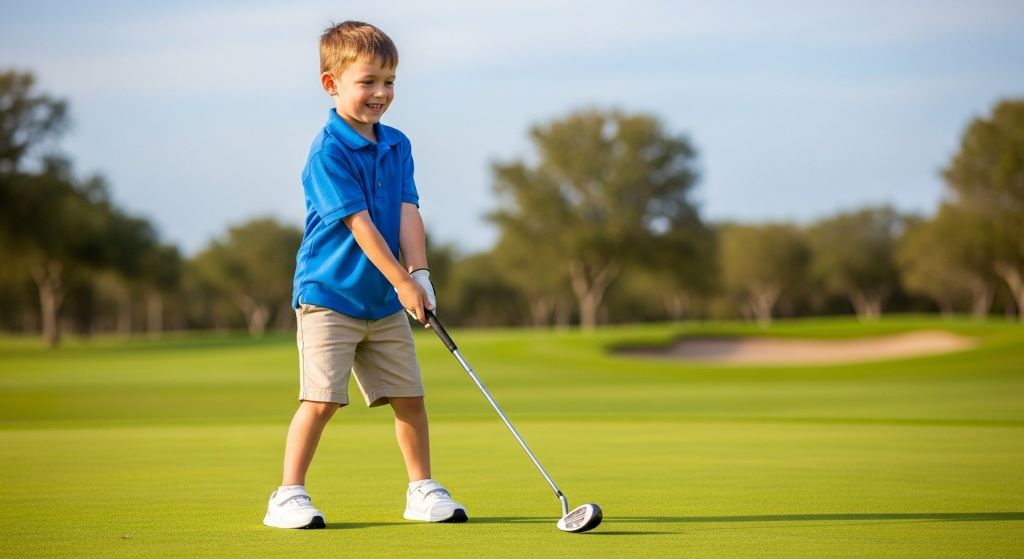
Selecting the right beginner golf clubs for your child involves careful consideration of size, quality, and features designed specifically for young learners. Lightweight junior golf clubs that match your child’s height and strength level allow them to develop proper mechanics from the start. Child-friendly golf sets that prioritize forgiveness, appropriate weight distribution, and appealing design keep children engaged and progressing quickly.
Remember that proper fit trumps all other considerations. Clubs must match your child’s current size, not what you hope they’ll grow into. Quality construction and thoughtful design features separate sets that genuinely help children improve from those that simply look the part.
Price doesn’t always indicate quality, but investing in mid-range equipment typically provides the best balance of performance and value. Combining proper equipment with regular practice, professional instruction when possible, and encouragement creates the ideal environment for your child to develop a lasting love of golf.
By following the guidance in this article, you’ll be well-equipped to select clubs that set your young golfer up for success, faster skill development, and years of enjoyment on the course.
Frequently Asked Questions
At what age should I introduce my child to golf?
Children can start learning golf as young as three or four years old if they show interest and can follow basic instructions. However, most children develop the coordination and attention span needed for meaningful practice around age five or six. Focus on making early experiences fun rather than technical. Let your child’s enthusiasm and ability guide when to start formal instruction.
How long will my child use a beginner set before needing new clubs?
Most children outgrow junior clubs every two to three years depending on their growth rate. Rapid growth spurts may require replacement sooner, while slower-growing children might use a set longer. Regular evaluation ensures clubs remain appropriate. When clubs no longer fit properly, replacing them prevents the development of bad habits and maintains progress.
Should I buy used junior golf clubs or invest in new ones?
Used clubs can be an excellent option, especially for very young children who will outgrow them quickly. Look for clubs in good condition with no significant wear or damage. Ensure grips are still tacky and clubheads are securely attached. However, avoid extremely cheap adult clubs that have been cut down, as these perform poorly. Quality used junior-specific clubs from reputable brands often provide great value.
Do girls and boys need different junior golf clubs?
Gender-specific junior clubs are primarily marketing gimmicks. Club selection should be based entirely on height, strength, and skill level rather than gender. Some manufacturers offer clubs in different colors or designs marketed to girls, but the actual specifications rarely differ from equivalent sets marketed to boys. Choose clubs that fit your child’s physical characteristics regardless of how they’re marketed.
Can my child learn with just a few clubs instead of a full set?
Absolutely. Beginners often learn better with a simplified selection of clubs rather than a full set. A driver, one mid-iron like a seven iron, a pitching wedge, and a putter cover all basic shots. This approach reduces decision-making complexity and allows children to master fundamental skills before adding more clubs. As they progress and show commitment, you can expand their club selection gradually.
Related Topics:
How Junior Golf Clubs Are Sized by Age and Why It Matters
How to Pick the Best Beginner Skateboard for Kids