
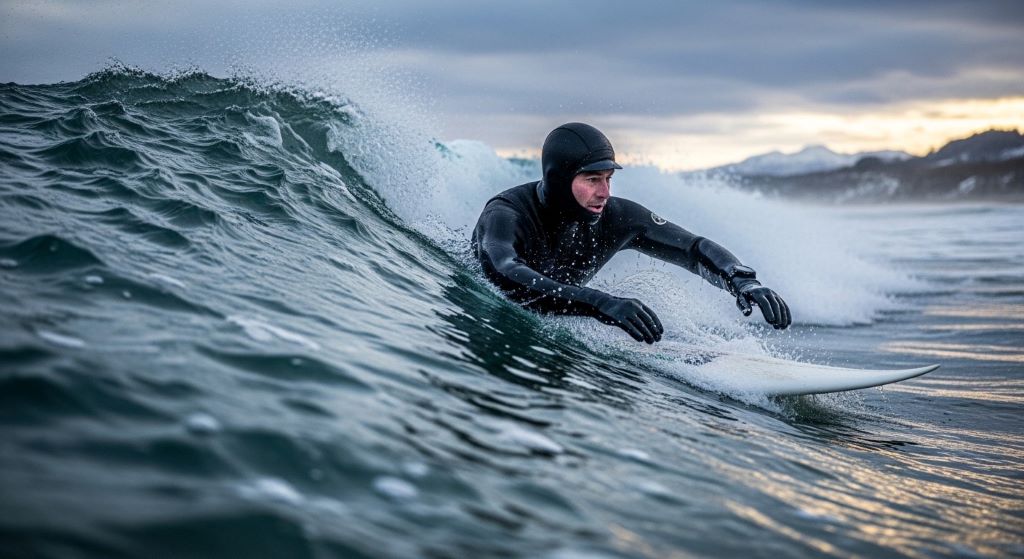
Winter waves often deliver the best surf conditions of the year. Clean swells, offshore winds, and uncrowded lineups make cold-water surfing incredibly rewarding. However, frigid water temperatures can quickly turn an epic session into a painful experience if you’re not properly equipped.
Choosing the right wetsuit for winter conditions has become more complex with the introduction of heated technology. Traditional neoprene suits have kept surfers warm for decades, but battery-powered heated options now promise extended comfort in freezing waters. Understanding the differences between these two approaches will help you make the best choice for your surfing style and local conditions.
This guide explores everything you need to know about selecting the perfect wetsuit for winter surfing. We’ll examine how each type works, their advantages and limitations, and what factors should influence your decision.
Understanding How Cold Affects Your Surfing
Before diving into wetsuit options, it’s worth understanding what happens to your body in cold water. When water temperature drops below 60 degrees Fahrenheit, your body starts losing heat faster than it can produce it. This heat loss affects your muscle function, coordination, and decision-making ability.
Your extremities feel the cold first. Hands and feet become numb, making paddling difficult and pop-ups clumsy. As your core temperature drops, your body restricts blood flow to your limbs to protect vital organs. This survival mechanism leaves you feeling weak and uncoordinated.
Additionally, cold water triggers rapid breathing and can cause your heart rate to spike initially. These physiological responses make surfing more challenging and potentially dangerous if you’re not adequately protected. Therefore, choosing appropriate thermal protection isn’t just about comfort; it’s a safety consideration.
How Traditional Wetsuits Keep You Warm
Regular wetsuits work through a simple but effective principle. The neoprene material traps a thin layer of water between your skin and the suit. Your body heat warms this water, creating an insulating barrier that reduces heat loss.
Modern neoprene technology has come remarkably far. Today’s suits feature different thicknesses for different body areas, flexible materials that don’t restrict movement, and sealed seams that prevent water flushing. A quality winter wetsuit typically measures 5/4mm or 6/5mm, with the first number indicating torso thickness and the second representing limb thickness.
The effectiveness of a traditional suit depends heavily on proper fit. Any gaps or loose areas allow cold water to flush in and out, constantly stealing your body heat. Conversely, a suit that’s too tight restricts movement and can actually make you colder by limiting circulation.
However, traditional neoprene has limitations. Once water temperatures drop into the 40s or below, even the best conventional suit struggles to keep you comfortable for extended periods. Your body can only generate so much heat, and eventually, the cold wins.
The Technology Behind Heated Wetsuits
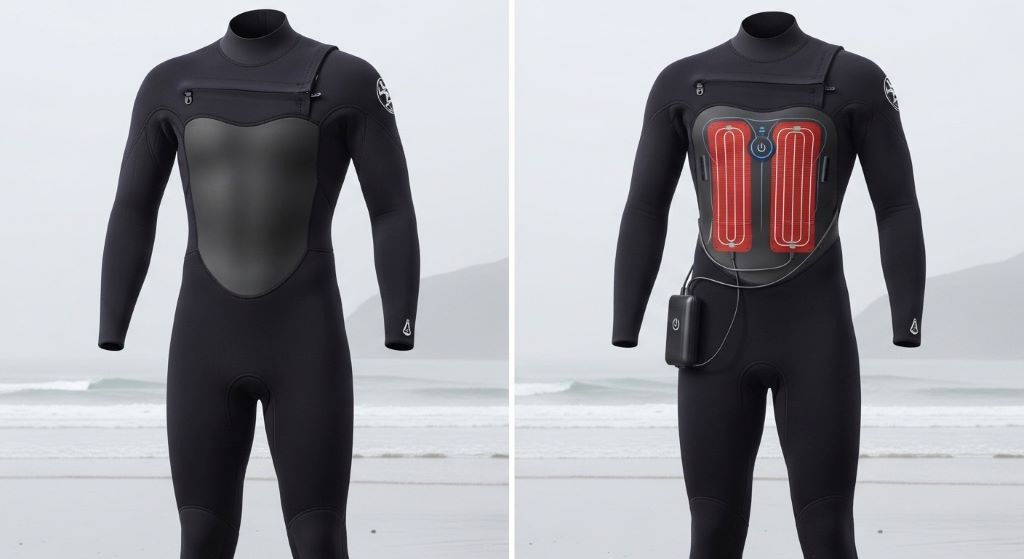
Heated wetsuits represent a newer approach to cold-water protection. These suits incorporate thin, flexible heating elements powered by rechargeable batteries. The heating panels are strategically placed across key areas like your lower back, chest, and kidneys where they can most effectively warm your core.
The batteries typically mount in waterproof pouches integrated into the suit design. Most systems offer multiple heat settings, allowing you to adjust warmth based on conditions and activity level. Battery life varies considerably depending on the heat setting you choose and the specific system design.
These suits still use neoprene construction with the same thickness options as traditional suits. The heating elements supplement rather than replace the natural insulating properties of the wetsuit. This combination aims to extend your comfortable surf time in extremely cold conditions.
Nevertheless, heated technology adds complexity, weight, and potential failure points. The systems require charging, maintenance, and eventual battery replacement. Understanding these requirements is essential before making an investment.
Comparing Performance in Different Temperature Ranges
The practical difference between heated and regular suits becomes apparent when you examine specific water temperatures. Each type has a sweet spot where it performs optimally.
In water above 55 degrees Fahrenheit, a quality traditional wetsuit provides excellent warmth for most surfers. The heating elements in a powered suit offer minimal advantage at these temperatures and primarily drain battery power unnecessarily. Many surfers find they never activate the heating function in these conditions.
Between 45 and 55 degrees, personal tolerance becomes the deciding factor. Some surfers stay comfortable in a thick traditional suit for several hours. Others feel the cold creeping in after 45 minutes and would benefit from supplemental heating. Your body composition, activity level, and cold tolerance determine which camp you fall into.
Below 45 degrees, heated suits show their true value. Traditional neoprene reaches its practical limit around this temperature. While you can survive in a regular suit, comfort becomes elusive. Heated elements make a noticeable difference in these brutal conditions, potentially doubling your comfortable surf time.
Evaluating Cost and Value
Price represents one of the most significant differences between these options. A high-quality traditional winter wetsuit typically costs between 400 and 600 dollars. Premium models with advanced features might reach 700 dollars.
Heated suits command substantially higher prices. Entry-level heated options start around 800 dollars, while top-tier models easily exceed 1,200 dollars. Additionally, replacement batteries add to the long-term cost. Most batteries need replacing every two to three years depending on usage.
Consider how often you’ll actually use the heating function. If you surf in truly frigid conditions regularly, the investment makes sense. However, if you only encounter extreme cold occasionally, the extra expense might not justify the limited use.
Traditional suits also offer better value retention. You can often sell a well-maintained conventional wetsuit for a reasonable percentage of its original cost. Heated suits depreciate faster due to battery degradation and the rapid pace of technological improvements.
Maintenance and Durability Considerations
Regular wetsuits require straightforward care. Rinse with fresh water after each session, hang properly to dry, and store away from direct sunlight. Follow these basic steps and a quality suit lasts several seasons.
Heated suits demand more attention. Beyond standard wetsuit care, you must manage battery charging cycles, ensure electrical connections stay dry and clean, and monitor the heating elements for damage. Furthermore, repairs become more complicated and expensive when electronics are involved.
Battery maintenance particularly requires diligence. Lithium batteries perform best when stored partially charged rather than fully charged or completely drained. Extreme temperatures during storage can reduce battery lifespan. These extra considerations add complexity to suit ownership.
Durability also differs between the two types. Traditional neoprene proves remarkably resilient. Small tears can be easily repaired with neoprene cement. Heated suits incorporate delicate electronic components that don’t tolerate rough treatment as well. A hard wipeout or equipment impact could potentially damage heating elements or connections.
Mobility and Paddling Performance
Movement quality affects your surfing more than many people realize. A wetsuit that restricts your paddle stroke or limits your pop-up costs you waves and energy.
Modern traditional suits have become impressively flexible. Manufacturers use different neoprene formulations for different panels, placing stretchier material in high-movement areas. The result is a suit that moves with you rather than against you.
Heated suits face additional challenges in this area. The heating elements and battery packs add bulk and weight. While manufacturers work to minimize these effects, some restriction is inevitable. The battery pack location particularly affects paddling comfort and back flexibility.
However, the mobility difference has narrowed considerably in recent years. Current heated suit designs integrate components more seamlessly than earlier generations. Many surfers report only minimal restriction from quality heated suits. Testing before buying becomes crucial to ensure the specific model works with your surfing style.
Battery Life and Session Length
Battery performance represents a critical consideration for heated suits. Understanding realistic battery life helps set appropriate expectations and prevents mid-session disappointments.
Most heated wetsuit batteries provide two to six hours of warmth depending on the heat setting. Maximum heat drains batteries quickly, sometimes lasting only 90 minutes. Medium settings typically offer three to four hours. Low heat can extend battery life to five or six hours.
Therefore, you must plan your sessions around battery capacity. A dawn patrol followed by an afternoon session might require a spare battery or recharging between surfs. Some systems allow mid-session battery swapping, while others require removing the suit.
Temperature affects battery performance significantly. Cold weather reduces battery efficiency, meaning you get less runtime in the exact conditions where you need heat most. This ironic reality frustrates some heated suit users.
Traditional suits face no such limitations. You can surf until exhaustion or darkness forces you in, without worrying about power management. This freedom appeals to surfers who prefer spontaneous, extended sessions.
Environmental Impact and Sustainability
Sustainability concerns increasingly influence purchasing decisions. Understanding the environmental footprint of each option helps make responsible choices.
Traditional wetsuits already carry environmental costs. Neoprene production involves petroleum-based materials and energy-intensive manufacturing. However, newer eco-friendly alternatives use limestone-based or plant-based neoprene that reduces environmental impact.
Heated suits multiply these concerns. Beyond the neoprene itself, they require battery production, which involves mining lithium and other materials. Electronic components add manufacturing complexity. Eventually, disposing of batteries and electronics creates additional waste and environmental hazards.
Longevity partially offsets these impacts. A suit that lasts longer distributes its environmental cost over more uses. Unfortunately, heated suits typically have shorter lifespans than traditional ones due to battery degradation and electronic failures.
Some manufacturers now offer recycling programs for old wetsuits and batteries. Taking advantage of these programs helps minimize your environmental footprint regardless of which type you choose.
Making the Right Choice for Your Situation
Several personal factors should guide your decision between heated and traditional options. Honestly assessing these elements leads to a choice you won’t regret.
Consider your typical water temperatures. If you rarely encounter water below 50 degrees, a heated suit is probably unnecessary. However, if you regularly surf in the 40s or below, the investment becomes more justifiable.
Evaluate your session length preferences. Surfers who typically limit sessions to 90 minutes or less might find adequate warmth from a thermal wetsuit comparison between high-end traditional suits. Those who prefer marathon sessions in frigid conditions benefit more from heating technology.
Think about your cold tolerance. Some people generate more body heat naturally or tolerate cold better than others. If you run warm and rarely feel cold, you might not need heated assistance even in chilly water.
Budget constraints matter. If the price difference strains your finances, a top-quality traditional suit provides excellent performance and represents a smarter investment than a budget heated option.
Alternative Warmth Strategies
Before committing to a heated suit, consider whether other approaches might meet your needs more economically.
Layering accessories with your existing suit can significantly extend its effective temperature range. Neoprene hoods prevent massive heat loss through your head. Quality gloves and booties protect extremities where you feel cold most acutely. A hooded vest worn under your wetsuit adds extra core insulation.
Pre-warming techniques help your body start sessions with a heat advantage. Hot showers before suiting up, warm drinks, and light exercise all increase your core temperature. This elevated starting point extends the time before you feel uncomfortably cold.
Improving your paddling efficiency reduces energy expenditure and helps maintain body heat. Strong, efficient paddling generates more warmth than weak, thrashing movements. Additionally, staying active in the water rather than sitting idle keeps your circulation moving.
Shortening individual sessions while increasing frequency sometimes works better than extended single sessions. Two one-hour surfs with a warming break between might prove more enjoyable than one frigid two-hour marathon.
Real-World Experiences from Cold-Water Surfers
Learning from others who surf in winter conditions provides valuable perspective. Experienced cold-water surfers offer insights that specifications and marketing can’t convey.
Many veteran winter surfers report that heated suits changed their relationship with cold-water surfing. The confidence of knowing you can stay warm allows more relaxed, enjoyable sessions. You focus on waves rather than fighting numbness and shivering.
Conversely, some surfers who invested in heated technology found they rarely use the heating function. They discovered that a quality traditional winter surfing wetsuit met their needs adequately. These surfers wished they’d saved the extra money.
Several surfers mention that heated suits work best as specialized tools rather than everyday equipment. They keep a traditional suit for most conditions and break out the heated option only when temperatures plunge into truly brutal territory.
Others appreciate heated suits for specific situations beyond extreme cold. Surfers recovering from injuries or managing conditions that affect circulation find the supplemental warmth helpful even in moderate temperatures.
Future Developments in Wetsuit Technology
Wetsuit innovation continues advancing rapidly. Understanding emerging trends helps you decide whether to buy now or wait for next-generation improvements.
Battery technology improves constantly. Newer lithium batteries offer better energy density, faster charging, and longer lifespans than older generations. These improvements make heated suits more practical with each iteration.
Integration of heating elements becomes more sophisticated. Manufacturers develop thinner, more flexible heating panels that minimize bulk while maintaining effectiveness. Some experimental systems use carbon fiber heating elements that distribute more evenly than wire-based systems.
Smart features are appearing in premium models. Bluetooth connectivity allows phone-based temperature control. Some suits include automatic temperature regulation that adjusts heat output based on water temperature sensors.
Meanwhile, traditional wetsuit materials continue evolving. New neoprene formulations offer better insulation with less thickness. Some manufacturers experiment with graphene-enhanced materials that reflect body heat back toward your skin.
Conclusion
Choosing between a heated wetsuit and a traditional option for winter surfing depends on multiple factors unique to your situation. Water temperature, session length preferences, budget, and personal cold tolerance all influence which type serves you best.
Traditional wetsuits provide proven, reliable warmth for most winter surfing conditions. They require minimal maintenance, offer excellent value, and perform admirably in water down to the mid-40s Fahrenheit. For many surfers, a quality insulated surf suit without heating elements delivers everything they need.
Heated suits excel in truly extreme conditions where traditional neoprene reaches its limits. They extend comfortable surf time in frigid water and provide confidence for surfers who struggle with cold tolerance. However, they demand higher investment, more maintenance, and acceptance of battery limitations.
Neither option is universally superior. The best choice matches your specific needs, conditions, and priorities. Consider starting with a high-quality traditional suit if you’re uncertain. You can always add a heated option later if you find yourself regularly surfing in conditions that exceed its capabilities.
Ultimately, the right wetsuit is the one that keeps you surfing through winter rather than sitting inside waiting for warmer weather. Whether that requires heating elements or just excellent neoprene construction depends entirely on your individual circumstances.
Frequently Asked Questions
How long do heated wetsuit batteries typically last before needing replacement?
Most heated wetsuit batteries maintain reasonable performance for approximately 300 to 500 charge cycles, which typically translates to two to three years of regular use. However, battery lifespan varies based on how well you maintain them. Proper storage at moderate temperatures and avoiding complete discharge extends battery life. Replacement batteries usually cost between 150 and 250 dollars depending on the brand and capacity.
Can I add heating elements to my existing wetsuit?
While aftermarket heating systems exist, installing them in an existing wetsuit is challenging and often unsatisfactory. The heating elements need specific placement for effectiveness, and waterproofing battery connections requires expertise. Additionally, cutting into your wetsuit for installation compromises its integrity. Most surfers who try this approach end up disappointed with the results. Purpose-built heated suits work significantly better than retrofitted systems.
What water temperature requires a 6mm wetsuit versus a 5mm?
Generally, a 5mm suit works well for water temperatures between 45 and 55 degrees Fahrenheit. When water drops below 45 degrees, a 6mm suit provides necessary insulation for most surfers. However, personal factors matter considerably. Lean individuals or those with poor circulation might prefer 6mm in warmer conditions. Conversely, surfers who generate significant body heat might find 5mm adequate even in colder water. Session length also influences thickness requirements.
Do heated wetsuits work for other water sports besides surfing?
Absolutely. Heated wetsuits benefit any cold-water activity including diving, paddle boarding, kayaking, and kitesurfing. In fact, they often prove more practical for these sports than for surfing. Activities with less intense physical exertion generate less body heat, making supplemental warming more valuable. Additionally, longer session times in diving or cruising make battery capacity less of a limiting factor. Many heated suit manufacturers market their products across multiple water sports.
How much does a heated wetsuit weigh compared to a regular one?
A traditional 5mm winter wetsuit typically weighs between four and six pounds when dry. A comparable heated wetsuit adds approximately one to two pounds from the heating elements and battery pack. While noticeable, this additional weight doesn’t significantly impact most surfers’ performance. The bulk of the battery pack affects mobility more than the actual weight. When wet, both types become substantially heavier, and the relative difference becomes less apparent.
Related Topics
How to Pick the Best Beginner Skateboard for Kids
Independent Skateboard Trucks Kit: Complete Review and Performance Breakdown