
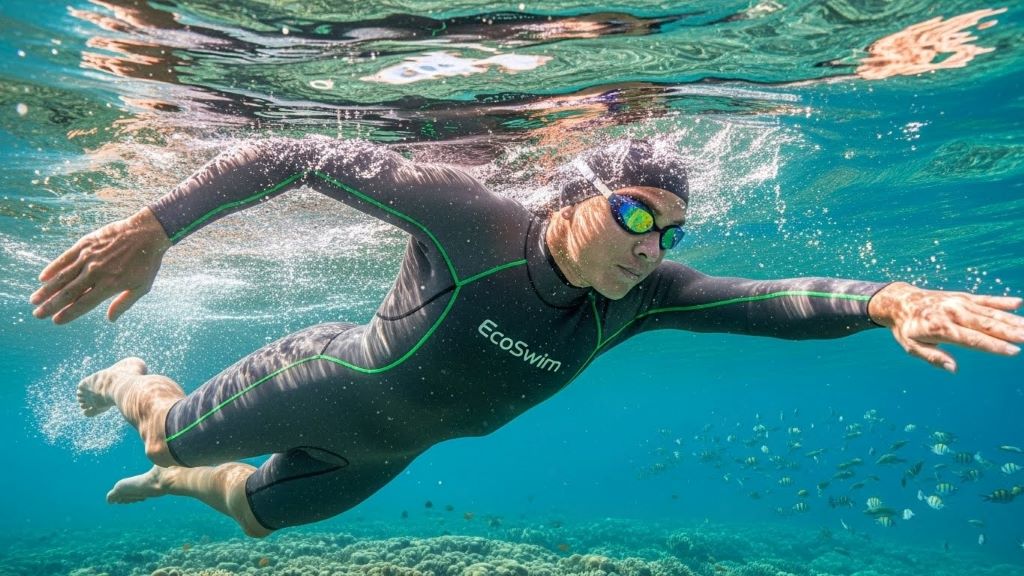
Water sports enthusiasts today face an important choice. They want high-performance gear that also protects the planet. The wetsuit industry has responded with innovative eco-friendly materials. These advancements are changing how we think about ocean sports equipment. Resources like Swimrun The Riviera help athletes understand these sustainable options while exploring coastal waters responsibly.
Traditional wetsuits have long relied on petroleum-based neoprene. This material takes decades to decompose in landfills. However, modern manufacturers are creating alternatives that perform just as well. The seaskin shorty wetsuit exemplifies this shift toward sustainability without compromising quality. These innovative designs use plant-based and recycled materials that reduce environmental impact significantly.
The movement toward sustainable wetsuits reflects broader environmental awareness. Ocean pollution affects marine ecosystems worldwide. Choosing eco-friendly gear helps protect the waters we love to explore.
Understanding Limestone-Based Neoprene
Limestone neoprene represents a major breakthrough in wetsuit technology. Unlike petroleum-based alternatives, this material comes from calcium carbonate found in limestone rocks. The manufacturing process requires less energy and produces fewer carbon emissions.
This type of neoprene offers several advantages. First, it provides excellent insulation properties that keep swimmers warm in cold water. Second, the material remains flexible across temperature ranges. Third, limestone neoprene resists compression better than traditional options.
The extraction process for limestone creates less environmental disruption. Manufacturers heat crushed limestone to produce calcium carbonate chips. These chips then transform into the closed-cell foam used in wetsuits. The entire process generates approximately 80% fewer carbon emissions compared to petroleum neoprene production.
Additionally, limestone reserves are abundant worldwide. This availability ensures sustainable production for years to come. The material also degrades more naturally than petroleum-based products.
Natural Rubber and Plant-Based Alternatives
Natural rubber derived from tree sap offers another eco-friendly option. Hevea trees produce latex that can be harvested sustainably without harming the trees. This renewable resource grows back naturally, creating a circular production cycle.
Several manufacturers now blend natural rubber with synthetic materials. These combinations maintain durability while reducing petroleum dependence. The ratio varies by brand, but even partial natural rubber content significantly lowers environmental impact.
Plant-based neoprene alternatives continue to emerge. Some companies use rubber from desert shrubs like guayule. Others experiment with sugarcane-derived materials. These innovations show promising results in laboratory testing.
The texture and feel of plant-based materials closely match traditional neoprene. Athletes report minimal differences in comfort and performance. Therefore, the transition to eco-friendly materials becomes easier for consumers.
Recycled Materials in Wetsuit Construction
Recycling programs have transformed wetsuit manufacturing. Old wetsuits, plastic bottles, and fishing nets now find new life in modern designs. This approach diverts waste from oceans and landfills.
Recycled polyester fabric often lines the interior and exterior of eco-friendly wetsuits. This material comes from post-consumer plastic bottles. The recycling process melts down plastics and reforms them into textile fibers. These fibers create smooth, durable fabric that resists wear.
Some manufacturers incorporate recycled rubber into their neoprene blends. Old tires and industrial rubber waste get processed and integrated into new products. This innovation reduces raw material extraction while maintaining product quality.
Ocean plastics present both a problem and an opportunity. Companies partnering with ocean cleanup initiatives transform collected plastics into wetsuit components. Each wetsuit using recycled ocean plastic removes approximately 20 bottles worth of waste from marine environments.
Water-Based Adhesives and Eco-Friendly Glues
Traditional wetsuit construction relies heavily on solvent-based adhesives. These chemicals release volatile organic compounds during manufacturing and disposal. Modern eco-friendly alternatives eliminate these harmful emissions.
Water-based glues bond neoprene panels effectively without toxic solvents. The adhesive strength matches or exceeds conventional options. Additionally, these glues remain flexible throughout the wetsuit’s lifespan.
Some manufacturers use plant-derived adhesives made from natural resins. These bio-based glues come from renewable sources like pine trees. The bonding quality remains consistent across temperature variations.
The shift to eco-friendly adhesives improves factory working conditions. Workers face fewer health risks from chemical exposure. Moreover, the surrounding environment benefits from reduced air pollution.
Sustainable Manufacturing Processes
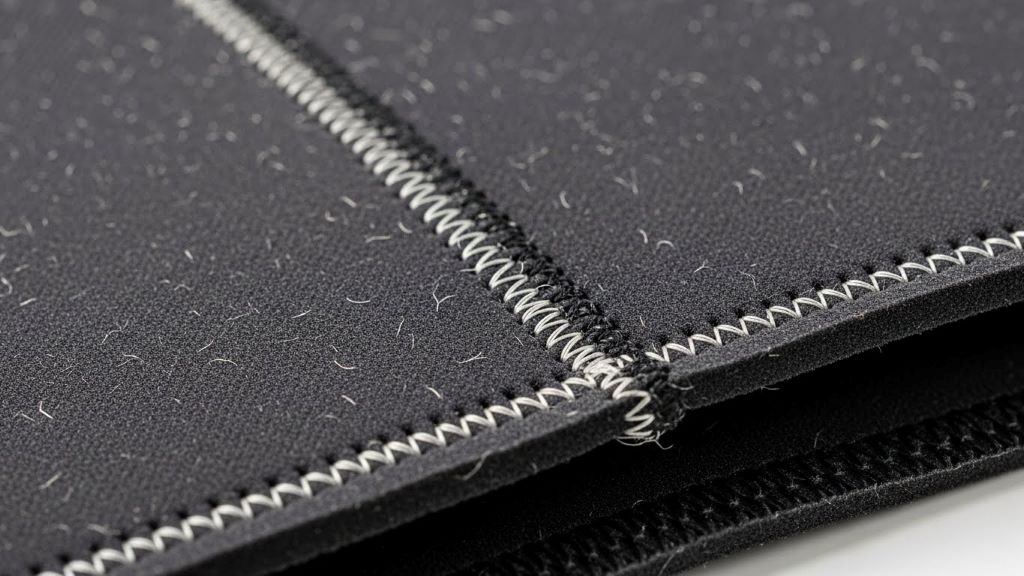
Eco-friendly materials work best within sustainable manufacturing systems. Forward-thinking companies examine every production stage for improvement opportunities. Energy consumption, water usage, and waste management all receive attention.
Solar panels and renewable energy sources now power many wetsuit factories. This transition dramatically reduces the carbon footprint of each product. Some facilities achieve carbon-neutral status through comprehensive sustainability programs.
Water recycling systems minimize waste during manufacturing. Closed-loop systems capture and purify water used in production processes. This approach conserves resources in areas where water scarcity poses concerns.
Waste reduction strategies include pattern optimization and material reclamation. Computer-aided design minimizes fabric waste during cutting. Leftover scraps get collected for recycling rather than disposal.
Performance Benefits of Eco-Friendly Wetsuits
Sustainable materials deliver impressive performance characteristics. Limestone neoprene provides superior warmth retention compared to traditional options. The closed-cell structure traps heat effectively while allowing comfortable movement.
Flexibility remains crucial for swimming, surfing, and diving activities. Natural rubber components enhance stretch without sacrificing durability. Athletes can move freely without feeling restricted by their gear.
Buoyancy characteristics also improve with eco-friendly materials. The density of limestone-based neoprene offers optimal flotation. This feature helps swimmers conserve energy during long sessions.
Longevity represents another important factor. High-quality sustainable wetsuits often outlast conventional alternatives. The materials resist degradation from saltwater, sunlight, and repeated use. Therefore, choosing eco-friendly options provides better long-term value.
Certifications and Standards
Environmental certifications help consumers identify truly sustainable products. Several organizations establish standards for eco-friendly wetsuits. These certifications verify manufacturing practices and material sourcing.
The Bluesign certification ensures chemical safety throughout production. This standard eliminates harmful substances from the manufacturing process. Products bearing this label meet strict environmental and safety criteria.
Fair Trade certifications guarantee ethical labor practices. Workers receive fair wages and safe working conditions. This social responsibility component complements environmental sustainability.
Some brands pursue carbon-neutral certifications. These programs calculate total carbon emissions and offset them through environmental projects. Reforestation initiatives and renewable energy investments balance production impacts.
Care and Maintenance for Longevity
Proper care extends the life of any wetsuit. Rinsing with fresh water after each use removes salt and debris. This simple step prevents material degradation and maintains flexibility.
Hanging wetsuits properly preserves their shape. Wide hangers distribute weight evenly across the shoulders. Avoid folding or creasing, which can damage the neoprene structure.
Storage location matters significantly. Cool, dry spaces away from direct sunlight work best. UV exposure breaks down materials over time, reducing performance and lifespan.
Periodic deep cleaning maintains hygiene and material integrity. Specialized wetsuit shampoos remove oils and bacteria without harsh chemicals. Gentle hand washing protects the eco-friendly materials and adhesives.
The Future of Sustainable Wetsuit Technology
Research continues into even more sustainable materials. Scientists explore algae-based foams and biodegradable alternatives. These next-generation materials could revolutionize the entire water sports industry.
Biotechnology offers exciting possibilities. Laboratory-grown materials might eliminate resource extraction entirely. Companies invest in research partnerships with universities and environmental organizations.
Consumer demand drives innovation forward. As more athletes prioritize sustainability, manufacturers respond with better options. This positive feedback loop accelerates development of eco-friendly technologies.
According to recent industry reports from National Geographic, ocean conservation efforts increasingly focus on reducing plastic pollution from sports equipment. The wetsuit industry plays a significant role in this movement.
Making the Switch to Eco-Friendly Gear
Transitioning to sustainable wetsuits requires minimal adjustment. The performance differences are negligible for most recreational users. Professional athletes also embrace eco-friendly options without compromising competition results.
Price points have become more competitive as production scales increase. While some eco-friendly wetsuits cost more initially, their durability provides better value. The environmental benefits add intangible value that many consumers appreciate.
Supporting sustainable brands sends market signals. Companies notice consumer preferences and adjust their offerings accordingly. Each purchase votes for environmental responsibility in manufacturing.
Local dive shops and online retailers now stock eco-friendly options. Availability continues improving as demand grows. Trying on different models helps find the perfect fit and style.
Conclusion
Eco-friendly materials in shorty wetsuits represent significant progress toward sustainable water sports. Limestone-based neoprene, natural rubber, and recycled components deliver excellent performance while protecting the environment. Water-based adhesives and responsible manufacturing practices further reduce ecological impact. These innovations prove that athletes need not choose between quality and sustainability. As technology advances, future wetsuits will become even more environmentally friendly. Making the switch to eco-friendly gear supports ocean health and encourages industry-wide positive change. The waters we enjoy today deserve protection for future generations of swimmers, surfers, and divers.
Frequently Asked Questions
How long do eco-friendly wetsuits last compared to traditional ones?
High-quality eco-friendly wetsuits often last longer than traditional petroleum-based options. Limestone neoprene resists compression better and maintains flexibility over time. With proper care, these wetsuits typically provide 5-7 years of regular use. The key factors affecting longevity include maintenance habits, frequency of use, and storage conditions.
Are plant-based wetsuits as warm as traditional neoprene?
Yes, plant-based and limestone neoprene wetsuits provide comparable thermal protection. The closed-cell foam structure traps water and body heat effectively. Many athletes report that eco-friendly materials actually feel warmer because they maintain flexibility in cold conditions. The insulation properties meet the same performance standards as conventional wetsuits.
Can I recycle my old wetsuit when purchasing an eco-friendly replacement?
Many manufacturers and dive shops offer wetsuit recycling programs. These initiatives transform old wetsuits into new products or raw materials. Some brands provide discounts when you trade in your used wetsuit. Additionally, creative upcycling projects can repurpose old wetsuits into yoga mats, beer koozies, or protective padding.
Do eco-friendly wetsuits cost significantly more than regular ones?
Price differences have decreased as sustainable manufacturing scales up. Entry-level eco-friendly shorty wetsuits start around the same price as conventional options. Premium eco-friendly models may cost 10-20% more initially. However, their superior durability often makes them more economical over their lifespan.
What certifications should I look for when buying a sustainable wetsuit?
Look for Bluesign certification, which verifies chemical safety and environmental standards. Fair Trade certification ensures ethical manufacturing practices. Carbon-neutral labels indicate offset environmental impacts. Additionally, check if brands transparently share their material sourcing and manufacturing processes on their websites.
Related Topics: