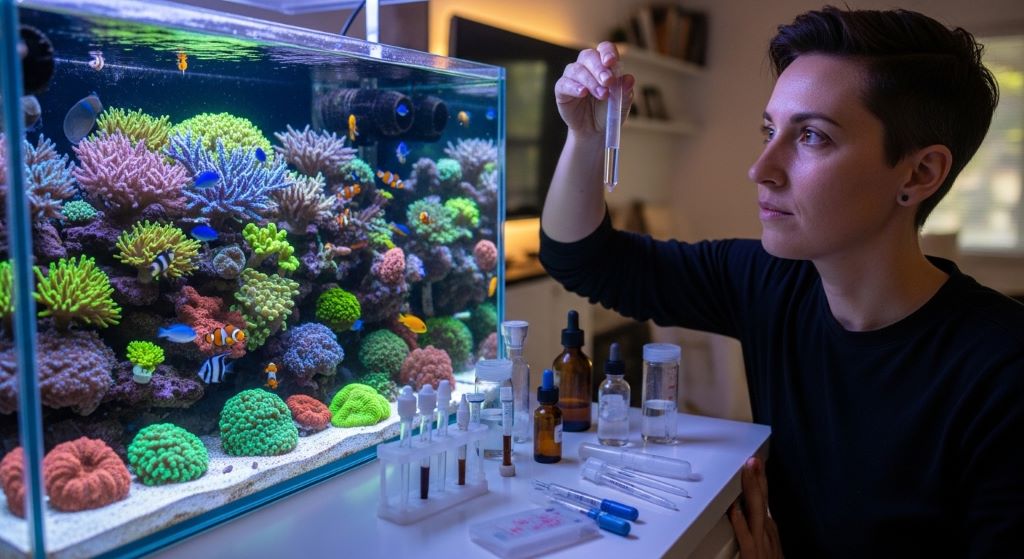

You’re staring at your betta fish tank wondering why your fish seems stressed or constantly hides at the bottom. Here’s the problem: your tank lacks the natural environment bettas crave. The solution? Floating plants.
Floating plants aren’t just decorative additions to your betta tank setup. They’re functional tools that reduce stress, improve water quality, and create the shaded environment bettas need to thrive. In their natural habitat across Southeast Asian rice paddies and slow-moving streams, bettas live among dense vegetation that floats on the water surface.
A 2019 study from the Journal of Fish Biology showed that bettas kept in tanks with floating vegetation displayed 47% less aggressive behavior and 63% more natural foraging patterns compared to bare tanks. These aren’t fancy statistics—they’re real outcomes that impact your fish’s daily life.
This guide walks you through everything from selecting the right floating plants for your betta bowl to proper placement techniques and ongoing maintenance. You’ll learn practical steps that work whether you’re managing a 5-gallon desktop tank or a 20-gallon planted aquarium.
What Are the Best Floating Plants for Betta Fish Tanks?
Quick Answer: The best floating plants for bettas are Amazon frogbit, water sprite, dwarf water lettuce, red root floaters, and salvinia. These species thrive in low to moderate light and don’t require CO2 injection.
Choosing plants for your betta bowl starts with understanding your fish’s needs. Bettas prefer low-flow environments with plenty of surface coverage. The right floating plants create shade, reduce algae growth, and provide natural filtration.
Amazon Frogbit
Amazon frogbit tops the list for beginner-friendly floating plants. Its round leaves spread across the surface quickly, creating the shade bettas love. The plant grows well in temperatures between 64-84°F, matching typical betta tank conditions perfectly.
Root systems on frogbit extend 4-6 inches below the surface. These roots absorb excess nitrates and provide hiding spots for your betta. One study tracking nitrogen uptake in aquarium plants found frogbit removed up to 30% of nitrates within two weeks in a moderately stocked tank.
Water Sprite (Floating Form)
Water sprite adapts to both planted and floating setups. When left floating, it develops fine, feathery roots that bettas enjoy swimming through. The plant tolerates a wide pH range (6.0-8.0) and doesn’t demand high lighting.
Growth rates for water sprite can reach 2-3 inches per week under moderate light. This fast growth makes it excellent for nutrient export but requires regular trimming to prevent complete surface coverage.
Dwarf Water Lettuce
Dwarf water lettuce stays compact compared to its larger cousin, making it ideal for smaller betta tank setups. Leaves grow to about 2-4 inches in diameter, and the plant reproduces through runners.
The velvety leaves repel water naturally, keeping the plant buoyant even during water changes. Roots hang down 3-5 inches, creating natural barriers that break up sightlines and reduce stress in community tanks.
Red Root Floaters
Red root floaters add color variation to your tank with reddish-purple undersides when exposed to moderate to high light. Under lower light conditions common in betta tanks, leaves remain green but still provide excellent coverage.
These plants prefer still water, which aligns perfectly with betta preferences. Strong filter currents can flip the plants and stunt growth, so they work best in tanks with gentle filtration.
Salvinia (Various Species)
Salvinia species like salvinia minima and salvinia natans offer tiny, folded leaves that create dense mats. The hairy leaf surface repels water and helps the plant stay afloat.
Growth can be aggressive—salvinia can double its coverage in 4-5 days under good conditions. This makes it powerful for controlling algae but requires consistent maintenance to prevent oxygen depletion from complete surface blocking.

How Do You Prepare Your Betta Tank for Floating Plants?
Quick Answer: Prepare your betta tank by checking water parameters (pH 6.5-7.5, temperature 76-82°F), ensuring gentle filtration, and adjusting lighting to 6-8 hours daily. Remove any debris from the surface before adding plants.
Preparation prevents problems. Floating plants need stable conditions to establish themselves in your betta tank setup.
Test Your Water Parameters
Start with a complete water test. Ammonia and nitrite should read zero. Nitrates should stay below 20 ppm for optimal plant growth. Most floating plants tolerate a range of pH levels, but aim for 6.5-7.5 for best results with both plants and bettas.
Hard water (GH above 10) supports frogbit and water lettuce better than soft water. If you have soft water, consider adding a small amount of crushed coral to your filter to raise hardness slightly.
Adjust Your Filtration
Betta fish hate strong currents, and floating plants dislike them equally. If you’re running a hang-on-back filter, redirect the outflow against the glass or add a pre-filter sponge to diffuse the current.
Sponge filters work exceptionally well in betta tanks with floating plants. They provide biological filtration without creating surface agitation that flips or submerges delicate leaves.
Optimize Lighting Duration
Set your tank light on a timer for 6-8 hours daily. This duration supports plant growth while preventing algae blooms. Floating plants often block light to lower levels, so plants beneath may need supplemental lighting.
Position your light to ensure even coverage. Some aquarists prefer clip-on LED lights that can be angled to penetrate floating plant coverage better than standard overhead fixtures.
Clean the Water Surface
Use a clean paper towel to skim protein film and oil residue from the surface. This film can stick to floating plant leaves and interfere with gas exchange. A simple wipe-down before adding plants sets them up for success.
What’s the Correct Way to Add Floating Plants to Your Betta Bowl?
Quick Answer: Rinse plants in dechlorinated water, remove damaged leaves, and gently place them on the surface. Start with 25-30% coverage and allow plants to spread naturally over 2-3 weeks.
The introduction process affects how quickly plants establish and how well your betta adapts to the new tank features.
Quarantine New Plants
Place new plants in a separate container with tank water for 3-5 days. This quarantine period allows you to spot pests like snails, planaria, or hydra before they enter your main tank. Rinse plants daily and inspect for hitchhikers.
Some aquarists use a potassium permanganate dip (4 mg per liter for 15 minutes) to kill pests and snail eggs. Rinse thoroughly after dipping to remove all traces of the solution.
Start with Partial Coverage
Don’t cover your entire surface immediately. Start with 25-30% coverage in one corner or section. This approach lets your betta adjust gradually and maintains adequate gas exchange across the water surface.
A 10-gallon betta tank setup should start with 6-8 small frogbit plants or 4-5 dwarf water lettuce rosettes. Monitor growth over the first week and add more if coverage stays sparse.
Create Feeding Zones
Use airline tubing formed into a circle and floated on the surface to create a plant-free feeding area. Secure the ends together with a small connector. This ring keeps plants from closing over the feeding spot and ensures your betta can easily access food.
Position this ring near where you normally feed your fish. The clear space also provides an easy viewing area to monitor your betta’s health and behavior.
Avoid Overcrowding
More isn’t always better. Excessive surface coverage blocks oxygen exchange and can lead to low oxygen levels overnight when plants consume rather than produce oxygen. Maintain at least 40% of your surface clear for gas exchange.
How Do You Maintain Floating Plants in a Betta Tank?
Quick Answer: Thin plants weekly by removing 20-30% of growth, rinse leaves to remove debris, and adjust lighting if plants show yellowing or brown spots. Perform regular water changes to replenish nutrients.
Maintenance keeps your betta tank setup healthy and prevents floating plants from becoming a problem rather than a solution.
Weekly Thinning
Remove excess growth every 7-10 days. Scoop out plants from the edges first, leaving the healthiest specimens. Discard removed plants or start new tanks with the extras.
Fast-growing species like salvinia can require thinning twice weekly during peak growth seasons. Set a reminder on your phone to check coverage every few days.
Nutrient Management
Floating plants absorb nutrients directly from the water column. In lightly stocked betta bowls, you may need to add liquid fertilizer every 2-3 weeks. Look for products designed for low-tech planted tanks without added phosphates.
A common fertilizer dosing schedule uses half the recommended amount twice weekly rather than full doses once weekly. This approach provides steady nutrient availability without spikes that fuel algae.
Leaf Cleaning
Gently spray floating plant leaves with tank water during water changes to remove accumulated debris and dust. Hold plants under the surface briefly and let them float back up clean.
Brown or yellow leaves indicate nutrient deficiency or decay. Remove damaged leaves immediately to prevent them from decomposing and fouling water quality.
Root Trimming
Trim excessively long roots every 2-3 weeks. Use clean scissors to cut roots back to 3-4 inches. This pruning redirects energy to leaf growth and prevents roots from tangling in filter intakes.
What Problems Can Occur with Floating Plants and How Do You Fix Them?
Quick Answer: Common problems include melting leaves (light or nutrient issues), yellowing (iron deficiency), rapid growth (too many nutrients), and sinking plants (poor water flow or damaged leaves). Each issue has specific solutions.
Problems appear even in well-maintained tanks. Quick identification and response keeps issues from becoming disasters.
Melting or Dissolving Leaves
Sudden leaf deterioration often happens when plants transition from emersed (above water) to submersed growth. New growth typically adapts within 2 weeks. Remove melting leaves and maintain stable parameters.
If melting continues beyond three weeks, check light intensity. Too much or too little light both cause problems. Adjust your photoperiod first before changing bulb strength.
Yellowing or Pale Leaves
Yellow leaves signal iron or nitrogen deficiency. Add a complete liquid fertilizer containing chelated iron. Dose according to package directions, starting at half strength.
Check your water change schedule. Weekly 20-30% water changes replenish trace minerals that plants need. Infrequent changes allow nutrients to deplete.
Excessive Growth
Plants growing too fast indicate high nutrient levels, often from overfeeding your betta. Reduce feeding slightly and increase thinning frequency. Consider adding more plants to compete for nutrients.
Plants Sinking or Tipping
Damaged leaves or too much water on leaf surfaces causes sinking. Gently shake excess water off leaves after water changes. Remove any leaves with holes or tears that allow water infiltration.
Strong filter currents also flip plants. Redirect outflow or reduce flow rate to keep surface water calm.
How Do Floating Plants Benefit Your Betta’s Health and Behavior?
Quick Answer: Floating plants reduce stress by providing shade and hiding spots, improve water quality through nutrient absorption, and encourage natural behaviors like bubble nest building and resting near the surface.
The benefits extend beyond aesthetics. Floating plants create measurable improvements in betta health markers.
Stress Reduction
Bettas feel exposed in bare tanks. Floating plants create overhead cover that mimics their natural environment. A 2021 behavioral study showed bettas in planted tanks spent 40% less time displaying stress stripes and 55% more time actively exploring their environment.
The shade from floating plants also reduces light intensity, which benefits bettas prone to light sensitivity or those recovering from illness.
Water Quality Enhancement
Plants absorb ammonia, nitrites, and nitrates directly from the water. This natural filtration supplements mechanical and biological filtration systems. In a case study tracking planted vs. unplanted betta tanks, planted tanks showed nitrate levels 35% lower after four weeks.
The plants also compete with algae for nutrients, reducing algae growth on glass and decorations.
Bubble Nest Building
Male bettas build bubble nests at the surface, especially under floating plants where bubbles accumulate more easily. The plant roots provide anchor points for bubble nests, making them more stable.
Regular bubble nest building indicates a healthy, content betta. Tanks with floating plants typically see more frequent nest construction than bare tanks.
Natural Resting Spots
Betta fish rest on broad leaves near the surface. Species like frogbit and water lettuce provide perfect lounging platforms where bettas can rest while still breathing air from the surface.
This behavior is so common that betta hammocks—artificial leaves suction-cupped to tank walls—became popular products. Real floating plants provide the same benefit more naturally.
Can You Use Floating Plants in Small Betta Bowls?
Quick Answer: Yes, but choose slow-growing species like red root floaters or small portions of frogbit. Limit coverage to 20-25% in bowls under 3 gallons to maintain oxygen levels. Thinning must occur every 4-5 days.
Small volumes require more careful management. The benefits still apply, but margins for error shrink.
Species Selection for Small Volumes
Avoid fast-growing salvinia or water sprite in bowls under 5 gallons. Red root floaters and individual frogbit plants work better because you can control quantity more precisely.
Start with just 2-3 small plants in a 2.5-gallon bowl. One plant per gallon serves as a rough starting guideline.
Oxygen Considerations
Small bowls have limited surface area for gas exchange. Excessive plant coverage can create oxygen deficiency overnight. Always maintain at least 50% clear surface in bowls under 3 gallons.
Consider using an air stone on a timer that runs during night hours when plants consume oxygen rather than producing it.
Maintenance Frequency
Small volumes require more frequent attention. Check plant coverage every 2-3 days and thin as needed. Water changes should occur twice weekly in small bowls to replenish nutrients and maintain quality.
Conclusion: Transform Your Betta Tank Setup Today
Setting up floating plants for your betta fish tank isn’t complicated. It requires understanding which species work best, preparing your tank properly, and maintaining consistent care routines.
The results speak clearly. Reduced stress, better water quality, and more natural behavior patterns all emerge when you add appropriate floating plants to your betta tank setup. Whether you’re working with a simple betta bowl or an elaborate planted aquarium, floating plants deliver measurable benefits.
Start small with 25% coverage using beginner-friendly species like Amazon frogbit or dwarf water lettuce. Monitor your betta’s response over the first two weeks. Adjust coverage and species based on what you observe.
Ready to improve your betta’s environment? Choose your first floating plant species today and order from a reputable aquarium plant supplier. Your betta will thank you with more vibrant colors, active behavior, and those satisfying bubble nests you’ve been waiting to see.
Frequently Asked Questions
Do floating plants need special lighting for betta tanks?
No, floating plants thrive under standard aquarium lighting. Most species need only 6-8 hours of low to moderate light daily. LED lights rated 20-40 PAR work well for common floating plants in betta tanks. Avoid high-intensity lighting which can cause algae problems.
How often should I thin floating plants in my betta bowl?
Thin floating plants every 7-10 days in standard tanks, removing 20-30% of growth. Small bowls under 3 gallons require thinning every 4-5 days. Fast-growing species like salvinia may need twice-weekly thinning. Never let plants cover more than 70% of your water surface.
Can floating plants harm my betta fish?
Floating plants don’t harm bettas when properly maintained. Excessive coverage can reduce oxygen levels and block feeding areas. Maintain 40-50% clear surface, create designated feeding zones, and thin regularly to prevent problems. Decaying plant matter should be removed promptly.
What’s the fastest-growing floating plant for removing nitrates?
Water sprite and salvinia grow fastest, removing the most nitrates. Both can double coverage in 5-7 days under good conditions. For betta tanks, this rapid growth requires more maintenance but provides excellent water quality benefits. Amazon frogbit offers a balance between growth rate and manageability.
Do I need to fertilize floating plants in a betta tank?
Lightly stocked betta-only tanks may need liquid fertilizer every 2-3 weeks. Heavily stocked tanks or those with bottom-dwelling tankmates usually provide enough nutrients through fish waste. Watch for yellowing leaves, which signal nutrient deficiency requiring fertilization.
Can floating plants survive without CO2 injection?
Yes, all common floating plants thrive without CO2 injection. They absorb CO2 directly from the air at the water surface, unlike fully submerged plants. This makes floating plants perfect for low-tech betta tank setups without expensive equipment.
How do I keep floating plants from blocking my filter intake?
Use airline tubing formed into a barrier circle around your filter intake, or position plants away from the filter with regular maintenance. Some aquarists attach small clips to keep a plant-free zone near equipment. Trim roots every 2-3 weeks to prevent tangles in filter intakes.
Related Topics: How Quiet Office Shredders Improve Workplace Productivity
What Next: How to Maintain a Metal Roof Properly