There’s something deeply relaxing about watching fish glide through water in a beautifully maintained aquarium. However, that peaceful experience can be completely ruined by the constant humming, buzzing, or rattling of a noisy pump. Many aquarium owners struggle with this issue, especially when their tank is located in a bedroom, living room, or office where quiet matters.
The good news is that you don’t have to live with a noisy aquarium. Most pump noise problems can be solved with simple adjustments and inexpensive solutions. This guide will walk you through practical methods to quiet your aquarium pump and create the serene underwater environment you’ve always wanted.
Understanding Why Your Aquarium Pump Makes Noise
Before jumping into solutions, it helps to understand what causes pump noise in the first place. Pumps create sound through several mechanisms, and identifying the source of your particular problem makes finding the right solution much easier.
Mechanical noise comes from the motor and moving parts inside the pump itself. All pumps produce some level of mechanical sound, but quality pumps are designed to minimize this. Cheaper pumps often use louder motors and less refined internal components.
Vibration is another major source of noise. When a pump vibrates, it transfers that vibration to whatever surface it touches. The surface then acts as an amplifier, turning small vibrations into noticeable humming or buzzing sounds. This is particularly common when pumps are placed directly on hard surfaces like glass, wood, or metal stands.
Water flow creates its own sounds. Gurgling, splashing, or trickling noises happen when water moves through the system. While some people find gentle water sounds pleasant, excessive splashing or gurgling usually indicates a problem with water levels or outlet positioning.
Air bubbles trapped in the pump or tubing also generate noise. These bubbles create a rattling or stuttering sound as they move through the system. This issue is especially common with new setups or after maintenance when air gets introduced into the lines.
Resonance occurs when vibrations match the natural frequency of nearby objects. This can cause unexpected rattling or buzzing from decorations, filters, or even the aquarium stand itself.
Choosing Quieter Pumps from the Start
Prevention is easier than cure, and this certainly applies to aquarium pump noise. If you’re setting up a new tank or replacing an existing pump, selecting a quiet model from the beginning saves you considerable frustration.
Look for pumps specifically marketed as quiet or silent. Manufacturers design these models with noise reduction in mind, using better insulation, smoother motors, and improved engineering. These silent pump tips include checking product reviews and specifications before purchasing.
DC pumps generally run quieter than AC pumps. They operate more smoothly and efficiently, producing less vibration and heat. While DC pumps typically cost more initially, the improved performance and reduced noise often justify the extra expense.
Consider the pump size relative to your tank needs. Oversized pumps work harder than necessary and generate more noise. Calculate the actual flow rate you need based on your tank volume and filtration requirements, then select a pump that matches those specifications.
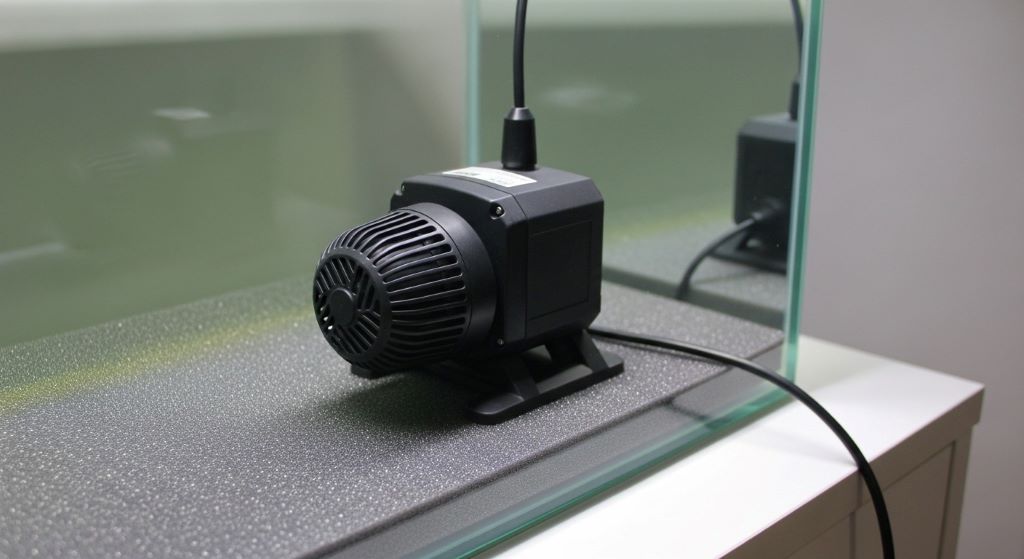
Submersible pumps placed inside the aquarium typically run quieter than external pumps. The water surrounding a submersible pump absorbs much of the sound and vibration. However, submersible pumps take up space inside your tank and can be more difficult to access for maintenance.
Read reviews from other aquarium owners before making a purchase. Real-world experiences often reveal noise issues that manufacturers don’t mention in product descriptions. Look specifically for comments about noise levels in bedrooms or quiet spaces.
Implementing Effective Vibration Reduction Techniques
Even the quietest pump can become noisy if vibrations transfer to surrounding surfaces. Implementing proper vibration reduction methods can dramatically decrease the sound your equipment produces.
Place foam padding or rubber mats under your pump. These materials absorb vibrations before they reach hard surfaces. Specialized pump mats are available, but even simple foam shelf liner or rubber drawer liner works effectively. Cut the material to size and ensure the entire pump base sits on the padding.
Suspend external pumps rather than placing them on solid surfaces. Use adjustable straps or hooks to hang the pump from the aquarium stand or nearby structure. This prevents vibration from transferring directly into the furniture. Make sure the pump hangs level and doesn’t touch any walls or surfaces.
Install vibration-dampening mounting brackets if your pump attaches to the tank or stand. These brackets incorporate rubber bushings or flexible connections that absorb vibrations. Many manufacturers offer these as accessories for their pumps.
Check that all pump components are properly tightened. Loose parts vibrate more and create additional noise. However, avoid over-tightening, which can crack plastic housings or strip threads. Hand-tight plus a quarter turn is usually sufficient for most components.
Ensure adequate clearance around the pump. When pumps sit too close to walls or other equipment, vibrations can transfer through air or incidental contact. Leave at least an inch of space on all sides when possible.
Addressing Water Flow Noise Issues
Water movement through your aquarium system shouldn’t sound like a mountain stream. Several adjustments can minimize or eliminate splashing and gurgling sounds.
Adjust your water level to ensure pump intakes and filter outlets are fully submerged. When water levels drop too low, pumps can suck air, creating gurgling sounds. Outlets that break the water surface create splashing noises. Maintaining proper water levels is one of the simplest fixes for noisy tanks.
Redirect return flow to minimize surface agitation. Attach a spray bar or adjust the outlet angle so water enters the tank gently rather than splashing down from above. Many filters include adjustable outlets that let you control flow direction and intensity.
Install a sponge or filter media around pump intakes. This creates a barrier that breaks up water flow and reduces turbulence. The sponge also provides additional biological filtration as a bonus.
Check for proper hose and tubing routing. Kinks, sharp bends, or improper connections can create resistance that generates noise. Use gradual curves instead of tight bends, and ensure all connections are secure without gaps that might allow air entry.
Consider adding a check valve to prevent back-siphoning when the pump stops. Back-siphoning can create gurgling sounds and also poses a risk of overflow. Check valves are inexpensive and easy to install in most setups.
Removing Air from Your System
Air trapped in pumps, tubing, or filters creates annoying rattling and stuttering sounds. Purging air from your system often provides immediate noise relief.
Prime your pump properly when setting up or after maintenance. Fill all tubing and chambers with water before starting the pump. This prevents air pockets from forming. For external filters, tilt them back and forth while filling to help air escape through the outlet.
Bleed air from the system manually. Many filters have air release valves specifically for this purpose. Open the valve while the pump runs until water flows steadily without bubbles, then close it. For systems without dedicated valves, slightly loosen the outlet connection to let air escape.
Check for leaks that might allow air to enter the system. Even tiny leaks can introduce air bubbles over time. Inspect all connections, seals, and hose clamps for damage or improper seating. Replace worn O-rings or gaskets as needed.
Ensure tubing connections are airtight. Use appropriately sized tubing for your fittings, and secure connections with hose clamps where appropriate. If tubing feels loose on a barbed fitting, replace it with the correct diameter.
Let the system run for several hours after purging air. Sometimes small air pockets need time to work their way through the system. Running the pump at full power initially helps move stubborn air bubbles along.
Maintaining Your Equipment for Quiet Operation
Regular maintenance keeps pumps running quietly and extends their lifespan. Many noise problems develop gradually as equipment ages or becomes dirty.
Clean your pump impeller regularly. Debris, algae, or mineral buildup on the impeller creates imbalance and increases noise. Remove the impeller according to manufacturer instructions and clean it thoroughly with a soft brush. Inspect the impeller shaft and housing for damage while you’re at it.
Lubricate moving parts as recommended by the manufacturer. Some pumps benefit from occasional lubrication of the impeller shaft with petroleum jelly or silicone grease. Never use oil-based lubricants, which can harm aquatic life if they enter the water.
Replace worn impellers before they fail completely. Impellers gradually wear down over time, especially in hard water areas. A worn impeller runs louder and less efficiently. Most manufacturers recommend replacement every one to two years depending on usage.
Keep intake areas clear of debris. Clogged intakes force pumps to work harder, increasing noise. Clean pre-filters and sponges regularly. Trim plants or rearrange decorations if they’re blocking water flow to the pump.
Monitor for mineral buildup in hard water areas. Calcium deposits can accumulate on pump components, creating imbalance and noise. Soak affected parts in white vinegar to dissolve mineral deposits, then rinse thoroughly before reinstalling.
Isolating Tank Vibrations from Furniture
Sometimes the aquarium stand or furniture amplifies vibrations from the pump and other equipment. Addressing this amplification can significantly reduce overall noise.
Place vibration-dampening pads under your aquarium stand legs. These pads prevent vibrations from transferring into the floor, which can act as a sounding board. Cork pads, rubber feet, or specialized vibration isolation pads all work well for this purpose.
Ensure your stand sits level and stable. A wobbly or uneven stand can rattle and amplify vibrations. Use a level to check all directions, and add shims if necessary to achieve perfect stability.
Avoid placing tanks directly against walls when possible. Vibrations can transfer through the stand into walls, which then radiate sound throughout the room. Even a one-inch gap makes a noticeable difference.
Check that decorations and equipment inside the tank aren’t rattling against the glass. Air stones, heater clips, or loose decorations can create clicking or tapping sounds that seem louder than they actually are. Secure all internal components properly.
Consider the surface your tank sits on. Metal stands tend to amplify vibrations more than wooden ones. If you’re using a metal stand, adding rubber or cork padding between the stand and tank can help absorb vibrations.
Using Sound-Dampening Enclosures
For particularly noisy external pumps or filters, creating a sound-dampening enclosure provides an extra layer of noise reduction.
Build a simple cabinet or box around external equipment. Use acoustic foam or sound-dampening material to line the interior. Ensure adequate ventilation to prevent overheating. Leave space for air circulation and access for maintenance.
Purchase pre-made aquarium equipment cabinets designed with noise reduction in mind. Many aquarium stands include enclosed cabinets below the tank specifically for housing filters and pumps. These work better than open stands for noise control.
Never completely seal equipment in airtight enclosures. Pumps and filters generate heat that needs to dissipate. Inadequate ventilation can cause overheating and equipment failure. Include ventilation holes or gaps while still achieving noise reduction.
Use acoustic panels or foam on nearby walls if the equipment must remain exposed. These materials absorb sound waves rather than reflecting them, reducing overall room noise. This approach works particularly well in bedrooms where even moderate noise becomes bothersome.
Addressing Pump Placement Strategies
Where you position your pump significantly impacts how much noise it produces and how that noise carries through your space.
Mount external pumps below the water level when possible. This reduces the work the pump must do and minimizes the risk of air getting sucked into the system. However, ensure you have a check valve to prevent back-siphoning if power fails.
Keep pumps away from bedroom walls, especially walls adjacent to sleeping areas. Sound travels through walls more easily than through open air. Positioning equipment on walls facing away from bedrooms helps maintain quiet sleeping environments.
Consider using a sump system for larger tanks. Sumps allow you to house all noisy equipment in a separate enclosed area, often in a basement or utility room. While sumps require more initial setup, they provide the quietest operation for serious aquarium enthusiasts.
Position submersible pumps in corners or behind decorations. These locations help muffle sound and hide the equipment from view. Ensure water can still flow freely to the intake without restriction.
Exploring Alternative Equipment Options
Sometimes the best solution involves replacing problematic equipment with better alternatives designed for quiet operation.
Switch to sponge filters powered by air pumps if your setup allows. Modern air pumps designed for aquarium use run remarkably quietly. Sponge filters provide excellent biological filtration while generating minimal noise. This option works particularly well for smaller tanks or breeding setups.
Consider canister filters for larger tanks. Quality canister filters generally run quieter than comparable hang-on-back filters. They also provide superior filtration and allow flexible placement options since they’re external to the tank.
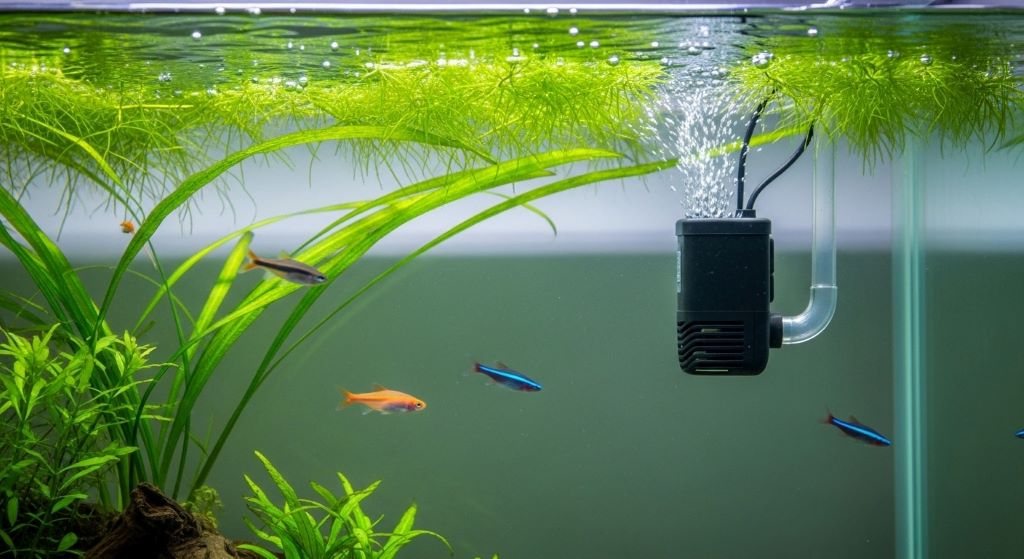
Investigate internal power filters as an alternative to external pumps. These all-in-one units sit inside the tank and typically run very quietly since water surrounds all moving parts. They work well for small to medium-sized tanks.
Upgrade to inverter-driven pumps for maximum silence. These advanced pumps use variable-speed technology that dramatically reduces vibration and noise. While expensive, they represent the cutting edge in quiet aquarium equipment.
Troubleshooting Persistent Noise Problems
If you’ve tried multiple solutions and still have noise issues, systematic troubleshooting helps identify the underlying cause.
Isolate the noise source by turning off equipment one piece at a time. This identifies which component causes the problem. Sometimes what sounds like pump noise actually comes from heaters, air stones, or other equipment.
Listen carefully to identify the type of noise. Clicking suggests a damaged impeller or foreign object. Humming indicates vibration. Gurgling points to air or water level issues. Different sounds require different solutions.
Test the pump in a different location temporarily. If noise disappears or changes significantly, the problem likely involves vibration transfer rather than the pump itself. This tells you to focus on isolation and dampening solutions.
Contact the manufacturer if problems persist with newer equipment. Defective pumps do occasionally make it through quality control. Most manufacturers will replace units that fail to meet noise specifications.
Creating a Comprehensive Quiet System
Achieving an ultra-quiet aquarium often requires combining multiple approaches rather than relying on a single solution.
Start with the most impactful changes first. These typically include proper pump placement, vibration reduction, and ensuring correct water levels. These fundamental steps solve the majority of noise problems.
Layer additional solutions as needed. If basic steps help but don’t completely eliminate noise, add more specialized approaches like sound-dampening enclosures or equipment upgrades.
Document what works for your specific setup. Every aquarium is unique, and what works perfectly for one tank might not suit another. Keep notes on successful adjustments so you can replicate them or troubleshoot future issues.
Be patient with the process. Some solutions require time to evaluate properly. Give each change a few days before deciding whether it’s effective. Some adjustments that seem minor initially can prove quite valuable over time.
Conclusion
Creating an ultra-quiet aquarium requires understanding the sources of pump noise and systematically addressing each one. Whether you’re dealing with mechanical sounds, vibrations, water flow noise, or air bubbles, practical solutions exist for every situation.
The most effective approach combines careful equipment selection with proper installation and regular maintenance. Starting with quality, appropriately sized pumps makes everything easier. Then, implementing vibration reduction techniques and ensuring proper water flow eliminates most remaining noise.
Remember that achieving perfect silence may not be realistic or even desirable. Gentle water sounds can actually enhance the aquarium experience. The goal is eliminating intrusive, annoying noises while maintaining healthy water circulation for your aquatic inhabitants.
By following the silent pump tips and vibration reduction strategies outlined in this guide, you can transform your noisy aquarium into a peaceful focal point that provides relaxation rather than frustration. Take time to implement these solutions methodically, and you’ll soon enjoy the serene underwater world you’ve always envisioned.
Frequently Asked Questions
Why did my pump suddenly become louder than before?
Sudden increases in pump noise usually indicate maintenance needs or developing problems. Common causes include debris caught in the impeller, worn bearings, loose mounting hardware, or air entering the system. Clean the impeller first, then check all connections and mountings. If noise persists after cleaning and tightening, the pump may be wearing out and need replacement.
Can I use regular household items to reduce pump vibration?
Yes, many household materials work excellently for vibration dampening. Foam shelf liner, rubber drawer liner, cork coasters, and even old mouse pads all absorb vibrations effectively. Cut them to size and place them under pumps or equipment. These simple solutions often work as well as expensive specialized products.
How often should I clean my aquarium pump?
Most pumps benefit from monthly inspection and cleaning, though heavily stocked tanks or those with lots of debris may require more frequent maintenance. At minimum, clean your pump every three months. During cleaning, inspect the impeller for wear, clear any debris, and check that all seals remain intact. Regular maintenance prevents most noise problems from developing.
Is it normal for new pumps to be noisy initially?
New pumps may produce more noise for the first few days as air purges from the system and components settle into place. However, if a pump remains loud after a week of operation, something is wrong. It might be defective, improperly installed, or simply a noisy model. Check your installation, purge all air, and contact the manufacturer if problems continue.
Will using multiple smaller pumps be quieter than one large pump?
Not necessarily. While smaller pumps individually produce less noise, having multiple units multiplies potential noise sources. One properly sized, quality pump usually provides quieter operation than several smaller ones. However, if you already have multiple smaller pumps running quietly, there’s no need to change your setup.
Related Topics:
Hub-Free Smart Garage Opener Configuration Tips
Mini But Mighty: Toshiba’s 3-Cup Rice Cooker for Space-Saving Kitchens