
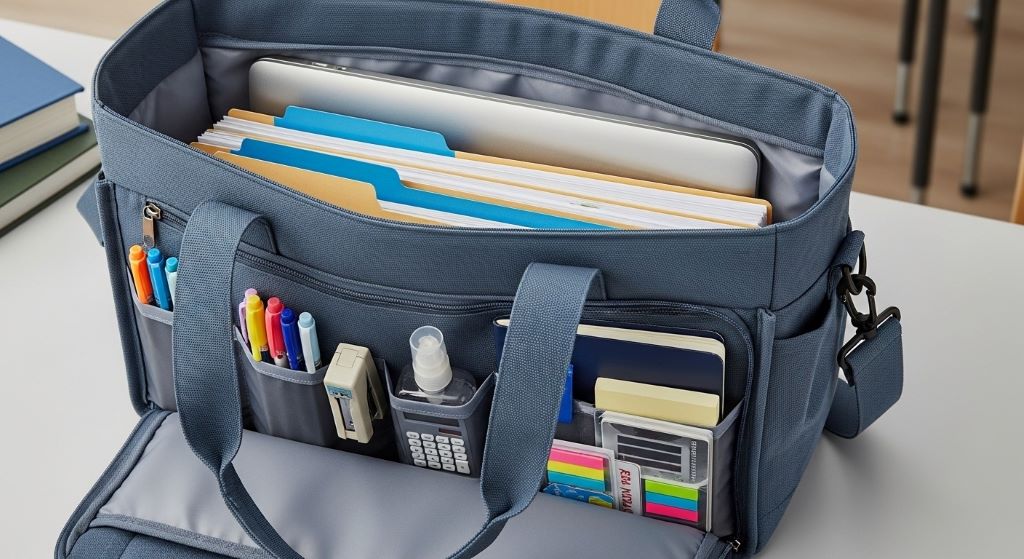
Teachers carry more than just papers and pens throughout their workday. From laptops and lesson plans to snacks and personal items, the average educator hauls a surprising amount of weight between home, classroom, and various school locations. This daily burden can lead to shoulder pain, back strain, and chronic discomfort that affects both work performance and personal wellbeing.
Choosing the right bag makes a tremendous difference in how you feel at the end of each school day. The perfect bag combines functionality with comfort, allowing you to carry everything you need without sacrificing your physical health. This comprehensive guide will help you navigate the world of teacher bags and find one that keeps you comfortable from morning bell to final dismissal.
Understanding Why Weight Matters
The items teachers carry add up quickly. A laptop alone weighs three to five pounds. Add textbooks, binders, water bottles, and personal belongings, and you’re easily carrying ten to twenty pounds daily. However, the bag itself contributes to this total weight.
A heavy bag amplifies every item you place inside it. If your empty bag weighs three pounds, you’re starting with a significant disadvantage before adding anything useful. Therefore, selecting a lightweight option becomes crucial for reducing overall strain on your body.
Carrying excessive weight on one shoulder creates muscle imbalances and posture problems. Your body compensates by leaning to one side, which stresses your spine and can lead to long-term issues. Additionally, heavy loads compress nerves and restrict blood flow, causing numbness and tingling in your arms and hands.
The cumulative effect of carrying heavy bags day after day shouldn’t be underestimated. What starts as minor discomfort can develop into chronic pain conditions that require medical intervention. Prevention through smart bag selection is far easier than treating established injuries.
Key Features of Lightweight Work Totes
When shopping for a teacher bag, certain features distinguish truly functional lightweight work totes from ordinary bags. Understanding these characteristics helps you make an informed decision that serves your needs throughout the school year.
Material choice significantly impacts weight. Nylon and polyester offer excellent durability while remaining remarkably light. These synthetic fabrics resist water, clean easily, and maintain their shape over time. Canvas provides a more classic aesthetic but weighs slightly more. Avoid leather or faux leather if weight is your primary concern, as these materials add unnecessary pounds.
The construction method affects both weight and durability. Look for bags with reinforced stitching at stress points rather than heavy metal hardware. Lightweight buckles and zippers made from quality plastic or aluminum reduce weight without compromising functionality.
Multiple compartments help distribute weight evenly throughout the bag. A well-organized interior means you can position heavier items close to your body, which reduces strain. Look for dedicated laptop sleeves, pen holders, and zippered pockets that keep items secure and accessible.
Padding in the right places enhances comfort without adding excessive weight. Shoulder straps should have some cushioning to prevent digging into your skin. However, overly padded bags defeat the purpose of choosing a lightweight option.
Exploring Travel-Friendly Teacher Bags
Teachers don’t just move between home and classroom. Professional development workshops, field trips, and conferences require bags that transition smoothly between environments. Travel-friendly teacher bags offer versatility that extends beyond daily school use.
A good travel bag includes features that make airport security and train commutes easier. Luggage sleeve attachments let you slide the bag over rolling suitcase handles, eliminating the need to carry it separately during longer trips. This feature proves invaluable during conference travel or summer professional development sessions.
Compression straps help secure contents and reduce overall bag volume when partially full. This flexibility means your bag works efficiently whether you’re carrying a full day’s supplies or just essentials for a short trip.
Water-resistant materials protect your belongings from unexpected weather. Teachers who walk between buildings or from parking lots appreciate this feature during rainy seasons. Look for bags with weather-resistant zippers that keep moisture out completely.
Collapsible designs offer another advantage for teachers who travel. Some bags fold flat when not in use, making them easy to store in your classroom or pack inside luggage. This feature particularly benefits educators who maintain materials in multiple locations.
Choosing Comfortable Shoulder Bags
The way a bag distributes weight across your body dramatically affects your comfort level. Comfortable shoulder bags incorporate design elements that minimize strain and support healthy posture throughout long days.
Strap width makes a substantial difference in comfort. Wider straps spread weight across a larger surface area of your shoulder, reducing pressure on any single point. Look for straps at least two inches wide. Narrow straps dig into your shoulder and become painful quickly, especially with heavier loads.
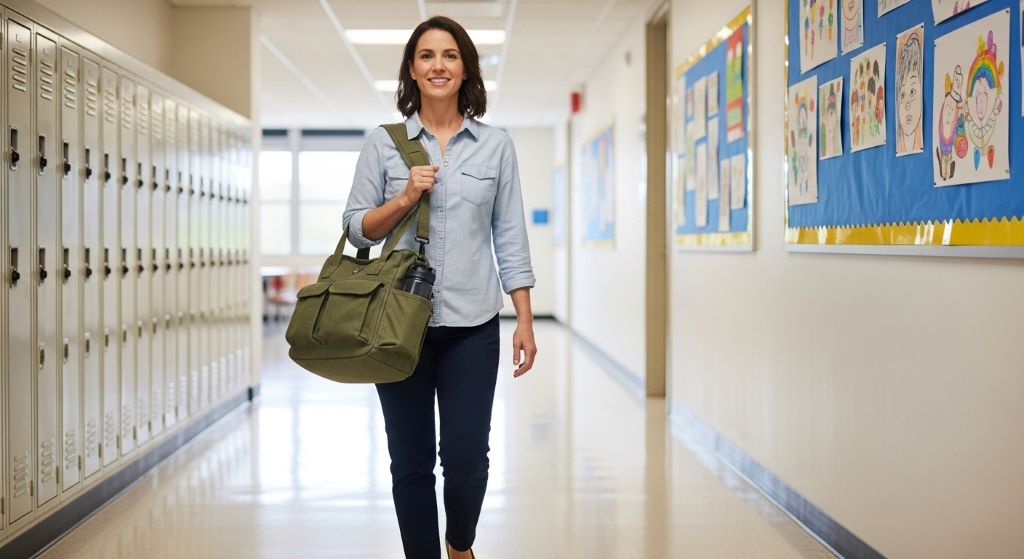
Adjustable strap length allows you to customize the fit to your body and outfit. The bag should rest comfortably at your hip, not bouncing against your thigh or riding up under your arm. Being able to adjust length means you can wear the bag over a light blouse in warm weather or a heavy coat during winter months.
Padded straps enhance comfort significantly. Memory foam or gel padding molds to your shoulder shape and cushions the weight. However, excessive padding adds bulk and weight, so find a balance that works for your typical load.
Convertible carrying options provide flexibility throughout your day. Some bags include both shoulder straps and top handles, letting you switch carrying methods when one area becomes fatigued. Others offer crossbody straps that distribute weight more evenly across your torso.
Anti-slip features on straps prevent constant readjustment. Textured or rubberized strap backing grips your clothing gently, keeping the bag in place without sliding down your shoulder every few minutes. This seemingly small feature dramatically improves the carrying experience.
Assessing Your Storage Needs
Before selecting a bag, honestly evaluate what you actually carry daily. Many teachers overestimate their needs and choose oversized bags that encourage overpacking. Right-sizing your bag promotes better organization and reduces temptation to carry unnecessary items.
Make a list of essentials you bring to work daily. Include your laptop or tablet, planner, pens, phone charger, lunch, water bottle, and any teaching materials that don’t stay in your classroom. Measure or weigh these items to understand your actual requirements.
Consider whether you truly need to transport items daily or if some could remain at school. Many teachers carry the same unused supplies back and forth repeatedly. Setting up a permanent station in your classroom for frequently used items reduces your daily load significantly.
Think about occasional needs separately from daily requirements. You might need space for library books one day per week or extra materials for field trips occasionally. Choose a bag that handles your regular load comfortably, then use a supplementary bag for special circumstances.
Laptop size determines minimum bag dimensions. Measure your device and add an inch on each side for protective padding. Many bags specify compatible screen sizes, making this selection easier. Don’t choose a bag designed for a 17-inch laptop if you carry a 13-inch model, as the extra space adds unnecessary weight and bulk.
Evaluating Quality and Durability
A lightweight bag shouldn’t mean a flimsy bag. Quality construction ensures your investment lasts multiple school years while maintaining its supportive properties. Learning to assess durability helps you distinguish between truly well-made bags and those that will fail quickly.
Examine stitching closely. Double or triple stitching at stress points like strap attachments and bottom corners indicates quality construction. These reinforced areas handle the most strain and determine how long your bag lasts.
Test zippers before purchasing. They should move smoothly without catching or sticking. Metal zippers generally outlast plastic ones, though they add minimal weight. Look for branded zipper hardware from reputable manufacturers, as these components rarely fail.
Check fabric weight and weave density. Hold the material up to light. You shouldn’t see through quality bag fabric. Thicker weaves resist tears and punctures better than loosely woven materials. However, thicker doesn’t necessarily mean heavier with modern technical fabrics.
Investigate warranty and return policies. Companies confident in their products offer satisfaction guarantees and repair services. A one-year warranty minimum suggests the manufacturer expects their bag to last. Some premium brands offer lifetime warranties on construction defects.
Read reviews from other teachers specifically. Their experiences reveal real-world durability and comfort over time. Pay attention to comments about strap integrity, zipper longevity, and how the bag holds up to daily use with substantial weight.
Organizing Your Bag Efficiently
Even the best bag becomes uncomfortable if poorly organized. Strategic packing distributes weight properly and keeps items accessible without digging through jumbled contents. Implementing these organization strategies maximizes your bag’s functionality and comfort.
Place heaviest items closest to your body and centered in the bag. This positioning maintains balance and reduces the pulling sensation that strains your shoulder. Laptops and heavy textbooks belong in back compartments against the side that rests on your body.
Use the bag’s organizational pockets intentionally. Small items like pens, keys, and chargers go in designated spots where you can grab them quickly. This organization prevents the frustrating search through bag depths while standing in the hallway between classes.
Consider packing cubes or pouches for loose items. These organizers create sections within your bag and prevent small items from settling to the bottom. They also make transitioning between bags easier when you occasionally need different carrying options.
Distribute weight evenly from side to side. Lopsided packing forces you to compensate with your posture, creating strain. If you must carry items on one side, switch which shoulder carries the bag regularly to balance the load over time.
Remove items you don’t need for the next day each evening. This habit prevents gradual accumulation of unnecessary weight. Papers you’ve graded, finished books, and empty containers should come out of your bag at the end of each day.
Maintaining Your Bag’s Condition
Proper care extends your bag’s life and maintains its comfort features. Regular maintenance takes minimal time but prevents premature wear that can compromise the bag’s supportive design.
Empty and clean your bag monthly. Crumbs, dust, and debris accumulate surprisingly quickly. Most lightweight materials wipe clean with a damp cloth. For deeper cleaning, check the manufacturer’s instructions, as many bags are machine washable.
Inspect straps and stitching regularly for signs of wear. Addressing small issues early prevents complete failures. Many shoe repair shops can reinforce weak areas or replace worn hardware inexpensively.
Rotate between two bags if possible. This practice extends the life of both bags by allowing materials to rest and recover between uses. It also ensures you have a backup option if one bag needs repairs.
Store your bag properly during breaks and summer months. Don’t leave it crumpled in a corner where straps can develop permanent creases. Stuff it lightly with tissue paper to maintain shape, then store in a cool, dry location.
Protect your bag from excessive moisture and heat. Don’t leave it in a hot car where high temperatures can degrade materials and adhesives. While water-resistant bags handle rain, they shouldn’t remain soaking wet for extended periods.
Considering Budget and Value
Teacher bags range from budget-friendly options under thirty dollars to premium designs costing several hundred. Understanding where your money goes helps you make a purchase that balances cost with quality and longevity.
Price often reflects materials and construction quality. However, expensive doesn’t always mean better suited to your needs. Many mid-range bags offer excellent features without premium price tags. Focus on the specific features that matter most for your daily use.
Calculate cost per use to determine true value. A seventy-five dollar bag that lasts three school years and remains comfortable throughout costs just twenty-five dollars per year. A thirty-dollar bag that falls apart after six months actually costs more in the long run.
Watch for teacher discounts and back-to-school sales. Many retailers offer special pricing for educators, especially during July and August. Signing up for email lists often provides exclusive discount codes.
Consider shopping slightly off-season for better prices. January and February clearance sales offer significant savings on bags that will serve you perfectly for the remainder of the school year and beyond. The selection may be limited, but deals can be substantial.
Remember that your bag affects your physical health and daily comfort. This isn’t the place to cut corners if you’re experiencing pain or discomfort with your current setup. Investing in the right bag prevents medical expenses and lost work days due to strain injuries.
Testing Before Committing
Whenever possible, try bags in person before purchasing. Online shopping offers convenience and selection, but physical testing reveals comfort factors that photos and descriptions can’t convey.
Load the bag with items similar to what you carry daily. Bring a laptop, books, and a water bottle to the store. See how the bag feels with realistic weight. Walk around the store for several minutes to assess comfort over time.
Try on bags with different clothing types. The bag should work with your professional wardrobe year-round. Test it with both fitted and loose clothing to ensure straps adjust adequately.
Pay attention to how the bag moves with your body. It should stay in place without excessive swinging or bouncing. The bottom shouldn’t hit your hip or thigh repeatedly as you walk.
Check accessibility of main compartments and pockets. Can you reach your water bottle easily? Does the laptop compartment open wide enough for smooth insertion and removal? These practical considerations affect daily satisfaction with your purchase.
If buying online, understand the return policy completely before ordering. Take time to test the bag at home with your actual daily items. Many people find bags that looked perfect online don’t meet expectations in real-world use.
Addressing Special Considerations
Some teachers have unique needs that require additional consideration when selecting bags. Understanding these factors ensures you find a solution that works for your specific situation.
Tall or petite teachers should pay extra attention to strap length ranges. Standard bags might not adjust enough for bodies at height extremes. Some manufacturers offer extended strap lengths or petite-specific designs.
Teachers with existing shoulder or back problems need extra support features. Consult with a physical therapist about what carrying style works best for your condition. Some might benefit from backpack-style distribution rather than single-shoulder bags.
Pregnant teachers should consider how their changing body affects bag carrying. Crossbody styles often work better during pregnancy as they don’t compress the growing belly. Additionally, lighter loads become increasingly important as pregnancy progresses.
Teachers who bike to school need bags compatible with cycling. Look for crossbody designs that stay secure during movement or bags with clips that attach to bike racks. Shoulder bags that swing forward during riding create safety hazards.
Educators working in multiple classrooms daily require bags that function as mobile offices. Prioritize organization features that let you access materials quickly at different locations throughout your building.
Conclusion
Selecting the right bag transforms your daily teaching experience from physically taxing to comfortably manageable. The perfect bag combines lightweight construction with thoughtful features that support your body and organize your materials efficiently.
Remember that the lightest bag isn’t always the best choice if it lacks necessary features or durability. Instead, focus on finding the sweet spot where weight, functionality, and comfort intersect. Lightweight work totes, travel-friendly teacher bags, and comfortable shoulder bags all offer distinct advantages depending on your specific needs and teaching environment.
Take time to assess what you truly need to carry, then choose a bag that accommodates those items without encouraging overpacking. Invest in quality construction that will last multiple school years while maintaining supportive features. Your body will thank you for making this thoughtful choice.
By following these guidelines and remaining mindful of how your bag feels throughout the day, you can eliminate unnecessary physical strain and focus your energy where it belongs: on teaching and supporting your students. A well-chosen bag becomes an invisible support system that enhances your professional life rather than detracting from it.
Frequently Asked Questions
What is the maximum weight I should carry in my teacher bag daily?
Experts recommend limiting bag weight to ten percent of your body weight for regular daily carrying. For a 150-pound person, this means keeping your total load around fifteen pounds or less. However, individual tolerance varies based on fitness level and any existing conditions. Listen to your body and reduce weight if you experience pain or discomfort.
Are backpacks better than shoulder bags for teachers?
Backpacks distribute weight more evenly across both shoulders, which can be beneficial for heavy loads. However, many teachers find constantly removing backpacks to access contents inconvenient during busy school days. The best choice depends on your teaching style, mobility needs, and personal comfort preferences. Some educators keep both styles and alternate based on daily requirements.
How can I tell if a bag is truly lightweight before buying online?
Check the product specifications for empty bag weight, usually listed in pounds or ounces. Bags under two pounds are considered lightweight. Read customer reviews specifically mentioning weight and comfort. Compare similar bags across brands to understand average weights for the size and features you need. Many manufacturers now highlight bag weight prominently in response to consumer demand.
Should I choose a tote or a bag with a zipper top?
Zippered tops provide better security and weather protection for your belongings. Totes offer easier access and a more professional appearance in some settings. Consider your daily routine and priorities. If you walk outside frequently or work in busy public spaces, a zipper adds valuable protection. If you primarily move within your building and need constant access, an open tote might work better.
How often should I replace my teacher bag?
Replace your bag when you notice significant wear like broken zippers, torn fabric, or compressed padding that no longer provides comfort. Quality bags typically last two to four years with daily use. However, if you experience new pain or discomfort even without visible damage, the internal support structures may have degraded. Don’t wait for complete failure if your bag stops serving its purpose effectively.
Related Topics:
Golf Bag Pocket Layout Selection Tips
Fastest Way to Sterilize Lice Combs Between Uses


