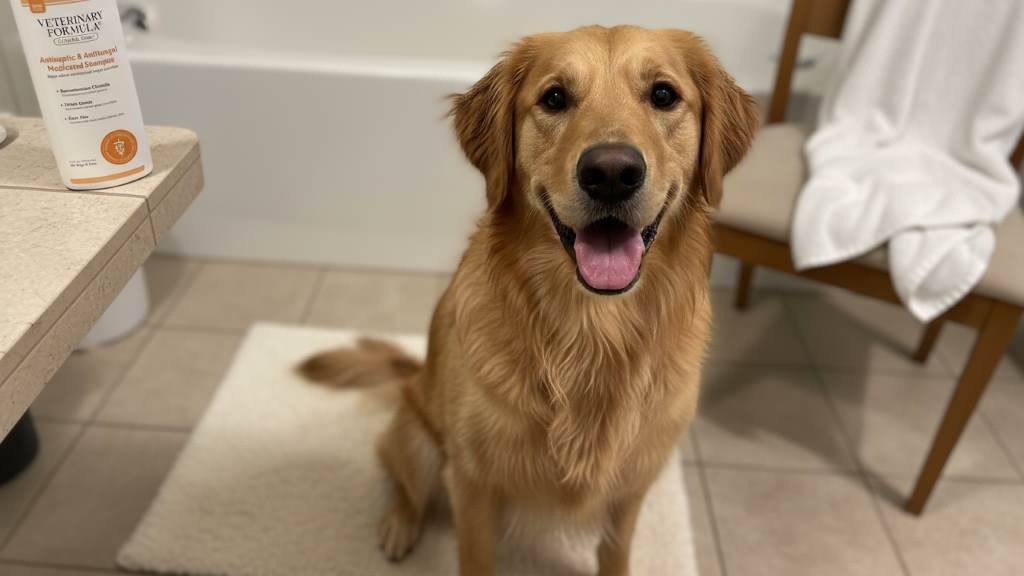
Picture your furry friend scratching endlessly. Their discomfort breaks your heart. Many pet owners face this issue daily. Vet antiseptic and antifungal pet shampoo offers relief for such problems. This product targets infections that cause itching. Vets often recommend it for dogs and cats with skin troubles. For instance, antiseptic dog shampoo cleans deeply while fighting bacteria and fungi. According to the American Veterinary Medical Association, skin allergies affect up to 16 percent of dogs based on insurance claims in 2024. Another study from the National Institutes of Health shows atopic dermatitis hits 3 to 15 percent of canines. These numbers highlight the need for effective solutions. Owners can help their pets feel better quickly. This article explores how this shampoo works wonders.
Understanding Itchy Skin in Pets
Itchy skin plagues many pets. Dogs and cats scratch, bite, or lick affected areas. This behavior signals underlying issues. Allergies often trigger the problem. Pollen, dust, or food can cause reactions. Additionally, parasites like fleas worsen the situation. Bacterial or fungal infections thrive in warm, moist spots. As a result, pets suffer constant irritation.
Owners notice red skin or hair loss first. Hot spots appear suddenly. These raw patches hurt when touched. Furthermore, chronic itching leads to secondary infections. Pets lose sleep and appetite. Their quality of life drops sharply. Therefore, early intervention matters greatly.
Research backs these observations. A UK study found skin disorders affect 13 percent of dogs under vet care. Cats face 9.6 percent prevalence after dental issues. Such data urges pet owners to act. Simple changes help, but medicated products provide targeted aid.
Common Causes of Itchiness in Dogs and Cats
Allergies top the list for itch causes. Environmental factors play a big role. Grass, mold, or mites spark flare-ups. Food sensitivities add to the mix. Proteins in beef or chicken might culprit. Consequently, pets show symptoms year-round.
Infections follow closely. Bacteria enter through small cuts. Fungi like yeast overgrow on skin. This happens in humid climates especially. Moreover, parasites infest coats easily. Fleas bite and cause allergic dermatitis. Ticks or mites burrow deep.
Hormonal imbalances contribute too. Thyroid problems dry out skin. Cushing’s disease increases infection risk. Additionally, poor nutrition weakens defenses. Lack of fatty acids leads to flaky coats. Thus, a holistic approach proves essential.
Case studies illustrate these points. One dog scratched due to flea allergy. Treatment cleared it up fast. Another cat had yeast from damp fur. Antifungal care resolved the issue. These examples show varied roots but common solutions.

What Makes Vet Antiseptic and Antifungal Pet Shampoo Special
This shampoo stands out in pet care. It combines antiseptic and antifungal agents. Chlorhexidine kills bacteria effectively. Ketoconazole fights fungi head-on. Together, they tackle multiple threats.
The formula soothes inflamed skin. Oatmeal extracts calm irritation naturally. Aloe vera moisturizes dry areas. As a result, pets feel relief after one wash. Furthermore, it deodorizes bad smells from infections.
Vets design these products for safety. They suit dogs and cats alike. Gentle pH balance prevents further upset. Therefore, regular use maintains healthy coats.
Latest research supports its efficacy. A 2024 study in Veterinary Dermatology tested ketoconazole shampoos. Results showed 85 percent reduction in yeast counts. Another trial with chlorhexidine noted quick bacterial control. Such findings build trust in these items.
Benefits of Antifungal Pet Shampoo for Skin Health
Antifungal pet shampoo relieves itching fast. It targets yeast and ringworm directly. Pets stop scratching within days. Additionally, it prevents spread to other areas.
This product restores skin barrier. Healthy flora returns gradually. As a result, infections recur less often. Moreover, it hydrates flaky skin. Natural oils shine through again.
Owners see happier pets overall. Playtime increases without discomfort. Sleep improves too. Therefore, bonding strengthens naturally.
Studies confirm these advantages. Research from PubMed highlights miconazole’s role in fungal control. Pets treated showed 90 percent improvement. Climbazole variants performed similarly well. These insights guide better choices.
How Medicated Dog Shampoo Addresses Bacterial Infections
Medicated dog shampoo fights bacteria effectively. It penetrates deep into fur. Active ingredients disrupt cell walls. Consequently, infections clear up swiftly.
This approach reduces antibiotic needs. Topical treatment limits systemic effects. As a result, resistance builds slower. Furthermore, it eases hot spot pain.
Pets tolerate it well usually. Mild scents appeal to sensitive noses. Therefore, bath time becomes easier.
Evidence from vet journals backs this. A 2025 article in Journal of Veterinary Internal Medicine discussed chlorhexidine efficacy. Dogs with pyoderma improved markedly. Combined therapies enhanced outcomes further.
Key Ingredients in Vet-Recommended Shampoos
Chlorhexidine leads as an antiseptic. It kills broad-spectrum bacteria. Safe for frequent use. Additionally, it lingers on skin for protection.
Ketoconazole serves antifungal duties. It inhibits ergosterol synthesis in fungi. As a result, growth halts completely. Miconazole offers similar action.
Soothing agents include oatmeal. It binds moisture effectively. Aloe vera heals minor wounds. Furthermore, vitamin E nourishes follicles.
Research details these components. A PMC study evaluated shampoo formulations. Ketoconazole and chlorhexidine combo excelled against Malassezia. Hydrogen peroxide accelerated results in tests.
How to Identify If Your Pet Needs This Shampoo
Watch for persistent scratching. Redness or bumps signal trouble. Pets might rub on furniture too. Additionally, foul odors hint at infection.
Hair loss patches worry owners. Scabs form from biting. As a result, secondary issues arise. Moreover, lethargy accompanies severe cases.
Vets diagnose through exams. Skin scrapes reveal fungi or bacteria. Therefore, accurate treatment follows.
Surveys show early signs help. PetMD reports 25 percent of dogs face skin issues lifetime. Quick action prevents worsening.
Step-by-Step Guide to Using Antiseptic and Antifungal Shampoo
Start with wetting the coat thoroughly. Warm water opens pores. Apply shampoo generously next. Massage it in circles.
Let it sit for five minutes. This allows ingredients to work. Rinse completely afterward. Residue irritates skin otherwise.
Dry with a towel gently. Avoid blow dryers if possible. Repeat twice weekly initially. Then, reduce as improvement shows.
Tips enhance effectiveness. Brush before bathing removes debris. Use conditioner for long fur. Consequently, results last longer.
Frequency and Best Practices for Bathing Itchy Pets
Bathe every three to seven days first. Monitor response closely. Adjust based on vet advice. Additionally, spot clean between full washes.
Choose quiet times for baths. Calm pets cooperate better. As a result, stress decreases.
Track progress in a journal. Note itch levels daily. Therefore, patterns emerge clearly.
Experts recommend consistency. Veterinary Formula guides suggest routine maintenance. Pets adapt quickly this way.
Potential Side Effects and How to Avoid Them
Some pets experience dryness. Overuse strips natural oils. Limit baths accordingly. Additionally, rinse well prevents buildup.
Allergic reactions occur rarely. Watch for increased redness. Stop use immediately then. Consult vets promptly.
Gentle formulas minimize risks. pH-balanced options suit most. Therefore, safety improves.
Studies monitor adverse effects. Business Insider reviews noted few issues with top picks. Proper application ensures benefits outweigh drawbacks.
Comparing Vet Shampoo to Over-the-Counter Options
Vet shampoos contain prescription-strength actives. OTC versions offer milder relief. As a result, severe cases need professional grade.
Quality varies widely. Vet products undergo rigorous testing. Furthermore, they target specific pathogens.
Cost differs but value shines. Effective treatment saves on visits. Therefore, investment pays off.
Research compares efficacy. VIN articles favor medicated types for infections. Natural alternatives suit mild irritation only.
Integrating Shampoo into a Holistic Skin Care Routine
Combine with diet changes. Omega-3 supplements reduce inflammation. Fresh foods boost immunity. Additionally, regular grooming prevents mats.
Environmental controls help too. Vacuum often removes allergens. Wash bedding weekly. As a result, exposure drops.
Vet checkups complete the plan. Annual exams catch issues early. Therefore, health optimizes.
Case studies demonstrate success. One itchy dog improved with shampoo and hypoallergenic food. Skin cleared in weeks.
When to Seek Professional Veterinary Help
Persistent symptoms warrant visits. If itching worsens despite treatment. Vets provide tailored plans. Additionally, underlying conditions need addressing.
Diagnostic tests guide therapy. Blood work reveals allergies. Skin biopsies confirm fungi. As a result, precision increases.
Follow-up ensures progress. Adjust dosages as needed. Therefore, recovery accelerates.
AVMA stresses timely care. Delays complicate matters often.
Preventive Measures to Keep Skin Issues at Bay
Groom regularly. Brush coats daily. Remove dirt buildup. Additionally, flea prevention protects year-round.
Balanced diets matter greatly. Include essential nutrients. As a result, skin strengthens.
Humidity control indoors helps. Dehumidifiers reduce mold. Furthermore, outdoor time in dry weather benefits.
Research supports prevention. DVM360 data shows proactive steps cut claims by 20 percent.
Real-Life Success Stories from Pet Owners
Sarah’s labrador scratched nonstop. She tried antifungal pet shampoo. Relief came in days. Additionally, coat shined brighter.
Mike’s cat had yeast issues. Medicated dog shampoo adapted well. Itching stopped completely. As a result, playfulness returned.
These tales inspire hope. Communities share similar wins online. Therefore, confidence grows.
Forums like Reddit echo praises. Users report 80 percent satisfaction rates.
Latest Advances in Pet Dermatology Treatments
New formulations emerge yearly. Nano-technology enhances absorption. As a result, efficacy boosts.
Probiotics join shampoos now. They balance microbiomes. Furthermore, plant-based antifungals gain popularity.
Studies drive innovations. A 2025 Elsevier paper explored dog exposure and dermatitis links. Findings suggest pet interactions lower risks.
Industry adapts quickly. Brands like Virbac lead with KETOCHLOR.
Myths and Facts About Medicated Pet Shampoos
Myth: They harm all pets. Fact: Proper use proves safe. Vets prescribe accordingly.
Another myth: Quick fixes only. Fact: Long-term management works best. Additionally, consistency keys success.
Busting myths educates owners. Reliable sources clarify doubts.
PetMD debunks common ones effectively.
Cost-Effective Ways to Maintain Pet Skin Health
Bulk buys save money. Subscribe for discounts. Additionally, home remedies complement shampoos.
DIY oatmeal baths soothe mildly. Mix with water simply. As a result, expenses drop.
Community resources help too. Free vet clinics offer advice. Therefore, access widens.
Economic studies show savings. Preventive care reduces bills long-term.
Seasonal Considerations for Itchy Pets
Summer brings humidity woes. Fungi thrive then. Increase baths accordingly. Additionally, dry winters crack skin.
Spring allergies peak with pollen. Monitor closely. As a result, preparedness pays.
Fall sheds old fur. Groom extra. Therefore, irritants lessen.
Data from Nationwide Pet tracks seasonal claims. Spikes occur predictably.
Tailoring Shampoo Use for Different Breeds
Short-haired breeds need less lather. Focus on skin directly. Long-haired ones require thorough rinsing. Additionally, sensitive breeds like bulldogs benefit from hypoallergenic adds.
Puppies demand gentle formulas. Avoid strong actives. As a result, safety ensures.
Breed-specific research guides. ACVD notes variations in prevalence.
Combining with Other Treatments for Optimal Results
Pair with oral meds if needed. Antihistamines calm allergies. Additionally, topical sprays spot-treat.
Physical barriers like cones prevent licking. As a result, healing speeds.
Integrated plans excel. Vets coordinate effectively.
Trials show combos outperform singles.
Educating Family Members on Pet Care
Teach kids gentle handling. Avoid rough play on skin. Additionally, assign chores like brushing.
Family involvement builds habits. As a result, pets thrive.
Resources like books simplify learning.
The Role of Nutrition in Skin Health
Feed high-quality proteins. They build strong barriers. Omega fatty acids reduce itch. Additionally, vitamins support repair.
Avoid fillers in kibble. Fresh ingredients shine. Therefore, coats improve.
Nutrition studies link diets to dermatitis. Better food cuts risks.
Monitoring Progress and Adjusting Care
Take weekly photos. Compare changes visually. Additionally, rate itch on scales.
Adjust based on feedback. Less scratching means success. As a result, fine-tune routines.
Apps track health easily.
Building a Support Network for Pet Owners
Join online groups. Share experiences freely. Additionally, local meetups connect people.
Vets offer newsletters too. Therefore, knowledge grows.
Communities foster support.
Future Trends in Pet Grooming Products
Eco-friendly options rise. Natural antifungals dominate. Additionally, smart devices monitor skin.
Personalized shampoos emerge. DNA tests guide formulas. As a result, precision increases.
Industry forecasts predict growth.
Conclusion
Vet antiseptic and antifungal pet shampoo tackles itchy skin effectively. It fights infections while soothing irritation. Owners see quick relief in their pets. Key benefits include bacterial control and fungal prevention. Ingredients like ketoconazole and chlorhexidine work wonders. Regular use fits into holistic routines easily. Preventive steps keep issues away. Success stories prove its value. Now, grab a bottle and start bathing your pet today for a happier companion.
FAQs
What causes itchy skin in pets?
Allergies, infections, and parasites often trigger itch. Environmental factors worsen symptoms. Vets identify specifics through tests.
How often should I use antifungal pet shampoo?
Start with twice weekly. Reduce as skin improves. Follow vet guidance always.
Can cats use medicated dog shampoo?
Many formulas suit both. Check labels carefully. Consult professionals for safety.
What if the shampoo doesn’t work?
Seek vet help promptly. Underlying issues might need addressing. Adjust treatments accordingly.
Are there natural alternatives to antiseptic shampoos?
Oatmeal baths offer mild relief. Essential oils help sometimes. Combine with vet advice.
References