

How to prevent bug bites means using proven, practical steps to reduce contact with mosquitoes, ticks, flies, and other biting insects when you spend time outside. This includes choosing the right clothing, using insect repellents correctly, managing your surroundings, and understanding when and where bugs are most active.
Bug bites are more than a small annoyance. For many people, they cause itching, swelling, lost sleep, and ruined outdoor plans. In some cases, they also spread diseases like dengue, malaria, Lyme disease, and Zika. The problem gets worse when people rely on myths, half-solutions, or unsafe methods.
This guide follows the PAS framework. The problem is constant bug bites outdoors. The agitation is discomfort, infection risk, and repeated exposure because most people use prevention incorrectly. The solution is a clear, evidence-based system you can apply before, during, and after outdoor activities.
This article explains bug bite prevention in a simple, realistic way. Each section starts with a direct answer for quick reading, then expands with practical steps you can actually follow. No fluff. No unsafe advice. Just what works.
Why do bugs bite humans in the first place?
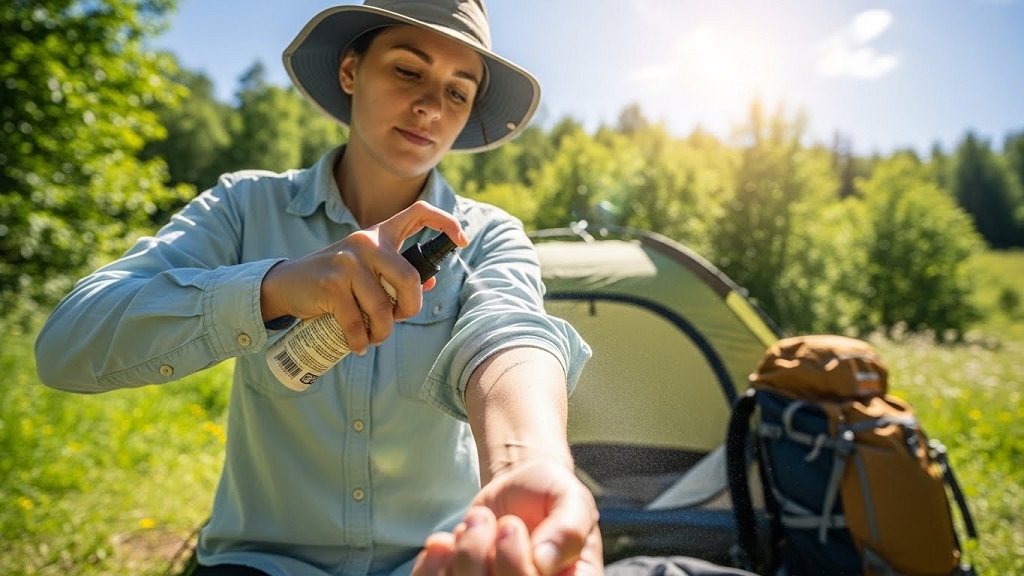
Short answer: Bugs bite humans because they are attracted to carbon dioxide, body heat, sweat, and skin odors.
When you breathe, move, or sweat outdoors, insects detect you. Mosquitoes track carbon dioxide from up to 30–50 meters away. Ticks sense body heat and vibration. Flies respond to moisture and exposed skin.
This matters because how to prevent bug bites starts with reducing these signals. You cannot stop breathing or sweating completely, but you can limit how visible you are to insects.
Understanding attraction helps you choose better clothing, timing, and repellents. It also explains why some people get bitten more than others.
How effective is clothing in preventing bug bites?
Short answer: Clothing is one of the most effective and safest forms of bug bite prevention.
Covering skin reduces access. Long sleeves, long pants, socks, and closed shoes create physical barriers. Loose-fitting clothes work better than tight ones because insects struggle to bite through fabric.
Color also matters. Dark colors attract more mosquitoes. Light-colored clothing reflects heat and makes you less visible to insects.
Practical clothing tips:
- Wear long sleeves and pants in grassy or wooded areas
- Choose light colors like beige, white, or light gray
- Tuck pants into socks when ticks are common
- Avoid thin, tight fabrics outdoors
In real-world hiking studies, people who used protective clothing plus repellent had up to 70% fewer bites than those using repellent alone.
What insect repellents actually work?
Short answer: Repellents with DEET, picaridin, IR3535, or oil of lemon eucalyptus are proven to work.
Not all repellents are equal. Many natural sprays offer short protection or none at all. Evidence-backed repellents interfere with insects’ ability to sense you.
| Active Ingredient | Protection Time | Best Use Case |
|---|---|---|
| DEET | 4–8 hours | High-risk areas |
| Picaridin | 4–6 hours | Daily outdoor use |
| Oil of Lemon Eucalyptus | 2–4 hours | Plant-based option |
Bug bite prevention improves when repellents are applied to exposed skin and clothing edges. Avoid spraying under clothes. Reapply based on sweat and time.
How should insect repellent be applied correctly?
Short answer: Apply repellent evenly to exposed skin and clothing, and reapply as directed.
Many people fail at bug bite prevention because they apply repellent once and forget it. Sweat, water, and friction reduce effectiveness.
Correct application steps:
- Apply sunscreen first, repellent second
- Spray hands, then spread on face
- Avoid eyes, mouth, and broken skin
- Wash off when returning indoors
In a camping case study, groups who reapplied repellent every 4 hours experienced fewer bites and fewer skin reactions than those who did not.
Does timing matter for preventing bug bites?
Short answer: Yes. Bugs are most active at specific times of day.
Mosquitoes peak at dawn and dusk. Ticks remain active all day but prefer shaded areas. Flies are active in bright daylight.
If you can adjust your schedule, outdoor exposure during peak insect activity should be limited. When it is unavoidable, increase protection.
This timing-based approach is often ignored but plays a key role in how to prevent bug bites outdoors.
How does location affect bug bite risk?
Short answer: Grassy, wet, shaded, and wooded areas carry higher risk.
Standing water breeds mosquitoes. Tall grass hides ticks. Garbage attracts flies.
Location-based prevention tips:
- Avoid sitting near stagnant water
- Stay on clear trails when hiking
- Choose breezy, sunny spots
Environmental awareness is a low-effort but high-impact part of bug bite prevention.
Can plants and natural methods prevent bug bites?
Short answer: Natural methods help slightly but should not replace proven solutions.
Plants like citronella, basil, and lavender may reduce insect presence nearby. However, they do not provide full protection.
Natural oils wear off quickly. Studies show protection often lasts under 30 minutes.
Use natural options only as a supplement, not a replacement.
How should you check for bugs after outdoor activities?
Short answer: Check your skin and clothes immediately after returning indoors.
Ticks often remain attached for hours before biting. Early removal reduces disease risk.
Post-outdoor routine:
- Shower within 2 hours
- Check behind knees, ears, and waist
- Wash outdoor clothing in hot water
This step is critical but often skipped.
What mistakes make bug bite prevention fail?
Short answer: Relying on myths, skipping reapplication, and ignoring environment.
Common mistakes include using scented products, wearing dark clothes, or trusting untested remedies.
Bug bite prevention fails when it is inconsistent. Small gaps lead to repeated bites.
How can you consistently prevent bug bites while outdoors?
Preventing bug bites outdoors is not about one product or one habit. It is a system. Clothing, repellent, timing, and awareness work together.
The problem is clear. Bug bites cause discomfort and health risks. The agitation is that most people repeat the same mistakes. The solution is simple and proven: cover skin, use effective repellents, respect timing, and check yourself after.
If you spend time outdoors regularly, consistency matters more than intensity. Small steps applied every time produce real results.
Call to Action: Before your next outdoor trip, build your personal bug bite prevention checklist. Apply it once. Then make it a habit.
Frequently Asked Questions About Bug Bite Prevention
How can I prevent bug bites naturally?
Use protective clothing, avoid peak insect times, and keep surroundings clean. Natural sprays can help but offer short protection.
Is insect repellent safe for daily use?
Yes, when used as directed. Products with picaridin or low-concentration DEET are commonly used daily.
What should I do if I get bitten?
Clean the area with soap and water. Avoid scratching. Use cold compresses to reduce swelling.
Do mosquitoes prefer certain people?
Yes. Body heat, sweat, and genetics influence attraction.
How often should repellent be reapplied?
Every 2–6 hours depending on the product, sweating, and activity level.
Can kids use insect repellent?
Yes, but use age-appropriate products and avoid hands and face.
Related Topics: How to Maintain a Metal Roof Properly
Related Topics: Under-Cabinet Resonance Noise Fix: Complete Guide