
The landscape south of Colorado Springs holds secrets from another era. Weathered buildings, abandoned mines, and forgotten roads tell stories of boom and bust. These ghost towns offer a glimpse into Colorado’s mining past. For those interested in exploring the area’s heritage, Colorado Springs Home Living provides valuable insights into the region’s cultural landmarks and historical significance.
The southern region of Colorado Springs became a hotbed of mining activity during the late 1800s. Gold and silver discoveries brought thousands of prospectors hoping to strike it rich. Towns sprang up almost overnight, complete with saloons, general stores, and boarding houses. However, when the mines ran dry, residents left just as quickly as they arrived. Today, these abandoned settlements stand as monuments to a bygone era. Understanding the history of Colorado Springs helps visitors appreciate how these ghost towns fit into the broader narrative of Colorado’s development.
The Rise of Mining Communities
Mining shaped southern Colorado’s identity. The discovery of precious metals transformed quiet valleys into bustling communities. Entrepreneurs built infrastructure to support the growing population. Railways connected remote mining camps to larger cities. Additionally, merchants established businesses to serve the miners’ needs.
Life in these towns was challenging. Miners worked long hours underground in dangerous conditions. Families lived in modest homes, often lacking basic amenities. Nevertheless, communities developed their own character. Churches, schools, and social clubs brought people together. Therefore, these weren’t just work camps but genuine towns with hopes and dreams.
Notable Ghost Towns in the Region
Several ghost towns south of Colorado Springs deserve exploration. Each has its own unique story and architectural remnants.
Querida
Querida emerged during the 1870s as a coal mining settlement. The town supported several hundred residents at its peak. Workers extracted coal to fuel the region’s growing industries. However, competition from other mines and economic downturns led to its decline. Today, visitors can find scattered foundations and mining equipment. The site offers a quiet reflection on industrial history.
Rosita
Rosita gained prominence in the 1870s after silver discoveries nearby. The town grew rapidly, attracting miners and their families. At one point, Rosita served as the county seat. Buildings included hotels, saloons, and a newspaper office. Furthermore, the town had its own post office and telegraph station. When silver prices crashed, residents moved elsewhere. Some structures remain standing, including a historic cemetery.
Bonanza City
Bonanza City lived up to its name during the silver boom. Thousands flocked to this mountain settlement seeking fortune. The town featured multiple saloons, dance halls, and mining operations. However, the silver crash of 1893 devastated the economy. Within years, Bonanza City transformed from thriving community to ghost town. Stone foundations and scattered debris mark where buildings once stood.
Why These Towns Were Abandoned
Economic factors primarily drove abandonment. Mining towns depended entirely on mineral extraction. When ore deposits depleted or prices fell, workers lost their livelihoods. Consequently, families packed their belongings and moved to more promising locations.
Environmental challenges also contributed. Harsh winters made mountain living difficult. Supply lines stretched thin during snowstorms. Additionally, altitude sickness affected some residents. Fire posed another constant threat. Many wooden structures burned down, and communities lacked resources to rebuild.
Transportation changes played a role too. When railways rerouted or closed, isolated towns lost their connection to markets. Without reliable transportation, businesses couldn’t survive. Therefore, even towns with remaining ore deposits sometimes became unviable.
Preserving Historical Memory
Preservation efforts help maintain these important sites. Local historical societies work to protect remaining structures. Documentation projects record oral histories from descendants of original residents. Moreover, archaeological surveys map town layouts and artifact locations.
Visitors play a role in preservation too. Respectful exploration ensures sites remain intact for future generations. Taking only photographs and leaving artifacts undisturbed protects historical integrity. Many ghost towns sit on private property, so obtaining permission before visiting is essential.
According to the National Trust for Historic Preservation, ghost towns represent irreplaceable cultural resources. They provide tangible connections to America’s frontier past. However, weather, vandalism, and natural decay threaten these sites. Therefore, coordinated preservation efforts become increasingly important.
Visiting Ghost Towns Safely
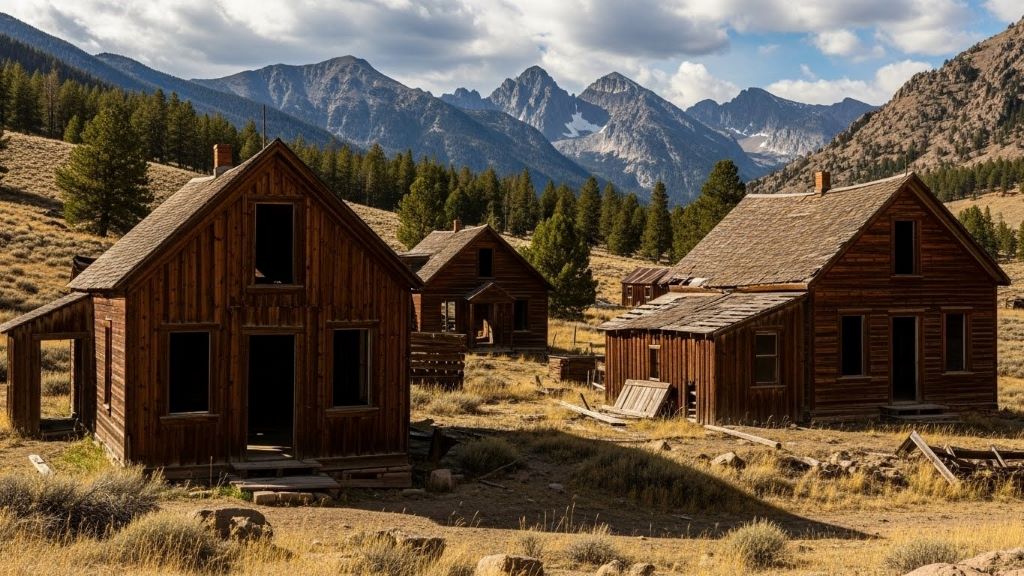
Exploring ghost towns requires preparation and caution. These sites often lack modern safety features. Old mines pose particular dangers. Shafts can collapse, and toxic gases may accumulate underground. Never enter abandoned mines or tunnels.
Structures may be unstable. Wooden floors rot over time, and walls weaken. Stay outside deteriorating buildings. Additionally, watch for wildlife. Snakes, spiders, and other creatures often inhabit abandoned structures.
Weather conditions change rapidly in mountain areas. Bring appropriate clothing, water, and navigation tools. Cell phone coverage may be unreliable. Therefore, inform someone of your plans before departing. Travel with companions when possible.
The Cultural Impact of Ghost Towns
Ghost towns capture imaginations. They remind us that communities rise and fall based on economic forces. These places humanize history. Walking through abandoned streets, visitors can picture daily life from generations past.
Artists and photographers find inspiration in ghost towns. The contrast between human ambition and nature’s reclamation creates powerful imagery. Writers use these settings to explore themes of impermanence and resilience. Furthermore, ghost towns appear frequently in Western films and literature.
Educational value extends beyond entertainment. Students learn about mining history, frontier economics, and community development. School groups often visit ghost towns as part of Colorado history curricula. The hands-on experience makes textbook lessons tangible.
Modern Interest and Tourism
Ghost town tourism has grown in recent years. People seek authentic historical experiences away from commercialized attractions. Southern Colorado’s ghost towns offer that authenticity. Unlike restored historical parks, these sites remain largely unchanged.
Tour operators now offer guided ghost town expeditions. Experienced guides share historical context and ensure visitor safety. Some tours include backcountry transportation to remote locations. Photography workshops also use ghost towns as scenic backdrops.
Local economies benefit from responsible tourism. Visitors spend money in nearby communities on lodging, meals, and supplies. However, balancing tourism with preservation remains important. Increased foot traffic can accelerate site deterioration. Therefore, tour operators must prioritize conservation.
Connecting Past and Present
The ghost towns south of Colorado Springs connect us to Colorado’s mining heritage. They illustrate how geography and geology shaped settlement patterns. The rise and fall of these communities reflects broader American economic trends. Moreover, they demonstrate human resilience and adaptability.
Modern Colorado Springs grew partly from the wealth generated by these mining operations. Capital from successful mines funded construction of hotels, businesses, and infrastructure. Understanding this connection provides deeper appreciation for the region’s development.
The Colorado Encyclopedia documents how mining shaped the state’s identity. Ghost towns represent one chapter in that ongoing story. They remind current residents of sacrifices and hardships endured by earlier generations.
Conclusion
Ghost towns south of Colorado Springs preserve important pieces of Colorado’s history. These abandoned settlements tell stories of ambition, hardship, and community. From Querida’s coal mines to Rosita’s silver strikes, each town reflects its unique circumstances. Economic forces, environmental challenges, and transportation changes led to their abandonment. Today, these sites offer educational opportunities and inspire reflection on impermanence.
Preservation efforts ensure future generations can experience these historical treasures. Visitors who explore respectfully help maintain site integrity. Whether you’re a history enthusiast, photographer, or curious traveler, southern Colorado’s ghost towns provide meaningful connections to the past. They stand as testaments to the pioneering spirit that built the American West.
Frequently Asked Questions
Q: Are ghost towns south of Colorado Springs safe to visit? A: Most ghost towns are safe if you follow basic precautions. Stay out of old mines and unstable structures. Bring proper supplies including water, navigation tools, and appropriate clothing. Travel with companions when possible and inform others of your plans.
Q: Do I need permission to visit these ghost towns? A: Many ghost towns sit on private property. Always research ownership and obtain permission before visiting. Some sites are on public land with open access, but confirming beforehand prevents trespassing issues.
Q: What should I bring when exploring ghost towns? A: Essential items include water, snacks, sturdy footwear, weather-appropriate clothing, a first aid kit, navigation tools, and a fully charged phone. Consider bringing a camera, sunscreen, and a hat. Don’t forget to pack out all trash.
Q: Can I take artifacts from ghost towns? A: No. Removing artifacts is illegal on public lands and unethical on private property. These items are part of our shared cultural heritage. Take only photographs and leave sites undisturbed for others to enjoy.
Q: What’s the best time of year to visit? A: Late spring through early fall offers the most accessible conditions. Summer provides warm weather and clear roads. However, afternoons can bring thunderstorms. Early morning or late afternoon visits often provide the best lighting for photography.
Related topics:
Essential Asian restaurants in Madrid