
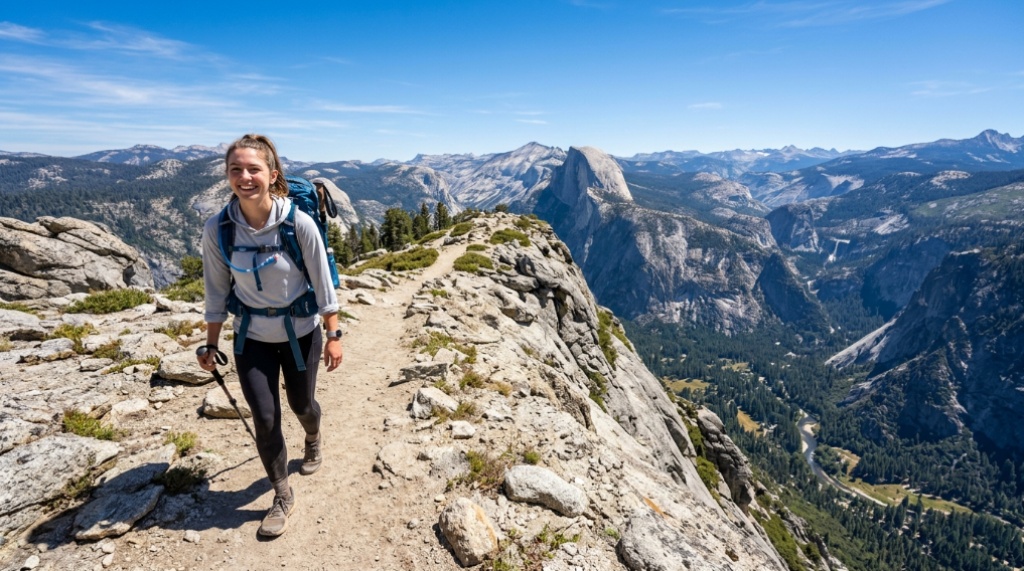
California’s trails are notoriously diverse, ranging from sun-baked desert paths in Joshua Tree to damp, cool redwood groves near the coast. Hikers often struggle with the state’s dramatic temperature swings and unpredictable terrain, leading to discomfort that can ruin an otherwise perfect day outdoors. The key to staying comfortable lies in preparation and choosing gear that adapts to these shifting conditions rather than fighting them. Whether you are planning a long backcountry trek or a short day hike, having the right equipment—like the hydration systems featured at OutdoorXSports—makes a significant difference in your overall experience. Let’s break down the essential layers, footwear, and accessories that keep you moving comfortably on California’s varied landscapes.
Quick Answer
To stay comfortable on California hiking trails, prioritize a layered clothing system, breathable footwear with good traction, and a reliable hydration pack that allows hands-free drinking. Because California conditions can shift from cold mornings to hot afternoons, focus on moisture-wicking base layers, a lightweight insulating mid-layer, and a packable windbreaker or sun hoodie. Carry at least one liter of water per two hours of hiking, and use trekking poles on rocky terrain to reduce joint strain. The most effective strategy is versatility—gear that packs small and adapts to changing weather prevents overheating and chills.
Key Takeaways
- Use a three-layer clothing system (base, mid, shell) to manage California’s dramatic temperature shifts between morning and afternoon.
- Choose trail runners or lightweight hiking shoes with aggressive lugs for the mixed rocky and dusty terrain common on most California trails.
- Carry a hydration backpack with at least 2 liters of capacity to prevent dehydration on long, exposed stretches without reliable water sources.
- Pack sun protection—including a wide-brim hat and SPF-rated clothing—since many California trails lack consistent shade.
- Break in all footwear and test gear on short local trails before attempting longer or higher-altitude routes.
The Layering System: Adapting to California’s Climate Swings
California hiking comfort starts with how you dress. A common mistake is wearing a single heavy layer or a cotton t-shirt, which traps sweat and leaves you cold when the wind picks up or you stop for a snack. The most effective approach is a three-layer system that you can adjust throughout the day. Start with a tightly woven synthetic or merino wool base layer that wicks moisture away from your skin. Avoid cotton entirely, as it absorbs sweat, loses its insulating properties, and dries slowly—a dangerous combination in cooler mountain areas like the Sierra Nevada.
Your mid-layer should provide insulation without bulk. A lightweight fleece or a packable synthetic puffy jacket works well for chilly trailheads at dawn. The outer layer, or shell, should protect against wind and light rain. In California, a breathable windbreaker or a sun hoodie often serves better than a heavy waterproof jacket, which can trap heat and make you sweat excessively on exposed ridges. The goal is to start your hike slightly cool, so you warm up comfortably as you move.
Why Fabric Choice Matters More Than Thickness
Fabric technology has advanced significantly, and the right materials make a noticeable difference in comfort. Merino wool regulates temperature well and resists odor, making it ideal for multi-day trips. Synthetic fabrics like polyester and nylon dry quickly and are more affordable. For desert hikes in places like Anza-Borrego, a lightweight long-sleeve shirt with UPF 50+ protection is more comfortable than a short-sleeve shirt with sunscreen, as it reduces the need for reapplication and keeps the sun off your skin. On the coast, where fog and wind are common, a softshell jacket with some water resistance is more versatile than a hardshell.
Footwear: Traction and Breathability Over Ankle Support
Footwear is the most personal piece of gear you will choose, and the right pair depends on the specific trail conditions you expect. For most California day hikes, lightweight trail runners are the preferred choice among frequent hikers. They offer excellent breathability, which keeps your feet cooler in warm weather, and modern outsoles provide outstanding grip on dry, rocky trails. Traditional heavy leather boots are often overkill for well-maintained paths and can cause blisters due to stiffness and poor airflow. However, if you are carrying a heavy overnight pack or hiking on loose scree, a mid-height boot with ankle support may be justified.
Look for shoes with a snug heel pocket and a roomy toe box to prevent blisters on descents. The outsole should have deep lugs—at least 4mm—for traction on loose dirt and granite slabs. Consider the terrain: trails in the Bay Area often feature clay mud after rain, while Southern California trails are frequently dusty and slick. A shoe with a sticky rubber compound, like Vibram Megagrip, provides confidence on both wet rock and dry sand. Always wear the same socks you plan to hike in when trying on shoes, and purchase them a half-size larger than your street shoes to accommodate foot swelling.
Breaking In Footwear Properly
Do not make the mistake of wearing brand-new shoes on a long hike. Even the most comfortable trail runners need a short break-in period to mold to your feet. Wear them around the house and on short walks for several days before your first trail outing. This process reduces the risk of hot spots and blisters, which are the fastest way to ruin a beautiful day on the trail. If you experience persistent heel slipping or pressure points, consider trying a different brand or model rather than hoping the shoes will stretch, If you are planning outdoor adventures in different weather conditions, check out our guide on how to choose affordable rain suits in florida
Hydration Systems: Staying Ahead of Dehydration
Dehydration is a serious risk on California trails, especially in summer when temperatures frequently exceed 90°F in inland areas. By the time you feel thirsty, you are already mildly dehydrated, which can lead to fatigue, dizziness, and poor decision-making. A hydration backpack is the most convenient way to maintain a steady intake of water while keeping your hands free for balance and trekking poles. These packs typically include a 2-liter or 3-liter reservoir with a drinking tube, allowing you to sip frequently without stopping to dig through your backpack.
When choosing a hydration pack, prioritize capacity, fit, and ease of cleaning. A 2-liter capacity is sufficient for a half-day hike, while a 3-liter reservoir is better for full-day adventures. The pack should fit snugly against your back without bouncing, with adjustable sternum and hip straps. Look for models that feature a wide-mouth opening for easy filling and cleaning, as mold can build up in reservoirs if not dried thoroughly. For those tackling longer routes, a reservoir with an insulated tube prevents water from heating up in direct sun, which is a common issue on exposed trails.
Practical Hydration Strategy
Do not rely solely on stream water or trailhead fountains. Many California water sources are seasonal or contaminated with wildlife-borne parasites. Plan to carry all the water you need, or bring a lightweight water filter or purification tablets if you know reliable sources exist along your route. A general rule is to drink about half a liter of water per hour of moderate hiking in mild conditions, and up to one liter per hour in hot weather or when carrying a heavy pack. Electrolyte tablets can be added to your water to replace salts lost through sweat, which helps prevent muscle cramps on long climbs.

Accessories That Prevent Common Discomforts
Beyond the core systems of clothing, footwear, and hydration, several small accessories significantly improve comfort. Sun protection is critical in California, where the sun is intense even on cloudy days. A wide-brimmed hat protects your face, ears, and neck, and is more effective than a baseball cap. Sunglasses with polarized lenses reduce glare from granite and water, reducing eye strain and headaches. Sunscreen with SPF 30 or higher should be applied to exposed skin before you start, and reapplied every two hours.
Trekking poles are often overlooked but provide substantial benefits on California’s varied terrain. They reduce stress on your knees during steep descents, improve balance on uneven surfaces, and help maintain a steady rhythm on long climbs. Lightweight, collapsible poles made of aluminum or carbon fiber can be stowed on your pack when not needed. Additionally, a small first-aid kit with blister treatment supplies, such as moleskin and antiseptic wipes, is essential. Finally, always carry a lightweight headlamp, even on short hikes, as trail conditions or navigation can take longer than expected, and daylight fades quickly in canyons and forests.
Managing Temperature Extremes
One of the most overlooked comfort factors is temperature regulation at rest stops. When you stop for lunch or to admire a view, your body cools down quickly, especially at higher elevations. Carry a lightweight insulating layer, like a down or synthetic puffy jacket, that packs into its own pocket. This extra layer weighs only a few ounces but provides immediate warmth during breaks. Conversely, if you are hiking in the desert, a damp bandana around your neck provides evaporative cooling that lowers your core temperature effectively. These small adjustments make the difference between a comfortable break and one that leaves you shivering or overheated.
Frequently Asked Questions
What is the most important gear for a California day hike?
The most important gear is a properly fitted hydration pack with at least 2 liters of water, moisture-wicking clothing, and sturdy trail shoes. These three items directly address the most common causes of discomfort: dehydration, overheating, and foot pain.
Are hiking boots better than trail runners for California trails?
For most day hikes, trail runners are lighter, more breathable, and provide sufficient traction and support. Heavy boots are only necessary for carrying heavy loads or hiking on very rough, unstable terrain where ankle support is critical.
How much water should I carry for a full day of hiking?
Plan for at least one liter of water for every two hours of hiking in mild conditions, and up to one liter per hour in hot weather. For a full day (6-8 hours), carry at least 3 liters or plan to refill from a reliable, filtered source along the trail.
What should I wear to avoid overheating on sunny trails?
Wear a lightweight, light-colored, long-sleeve shirt made of breathable synthetic fabric or merino wool. This provides sun protection while allowing sweat to evaporate. A wide-brim hat and sunglasses are also essential to protect your head and eyes from direct sun.
Do I need trekking poles on California trails?
They are not mandatory, but they are highly recommended for steep descents and rocky terrain. Poles reduce knee strain, improve balance, and can help test unstable ground. Many hikers find them essential for comfort on long or technical trails.
How do I prevent blisters on long hikes?
Prevent blisters by wearing properly broken-in shoes with a snug heel and roomy toe box, using moisture-wicking socks, and applying a balm like Vaseline or specialized anti-chafe products to high-friction areas. Stop immediately to treat any hot spots with moleskin before they become blisters.
Conclusion
Comfort on California hiking trails comes down to preparation and choosing gear that adapts to the environment. A strategic layering system, breathable and well-fitted footwear, and a reliable hydration pack form the foundation of an enjoyable outdoor experience. By focusing on versatility and moisture management, you can handle the state’s diverse climate from the coast to the mountains. Start with the essentials, test your gear on familiar trails, and gradually adjust your kit based on what works for your body and the specific conditions you encounter. The right preparation allows you to focus on the stunning scenery and the satisfaction of the hike itself.


