
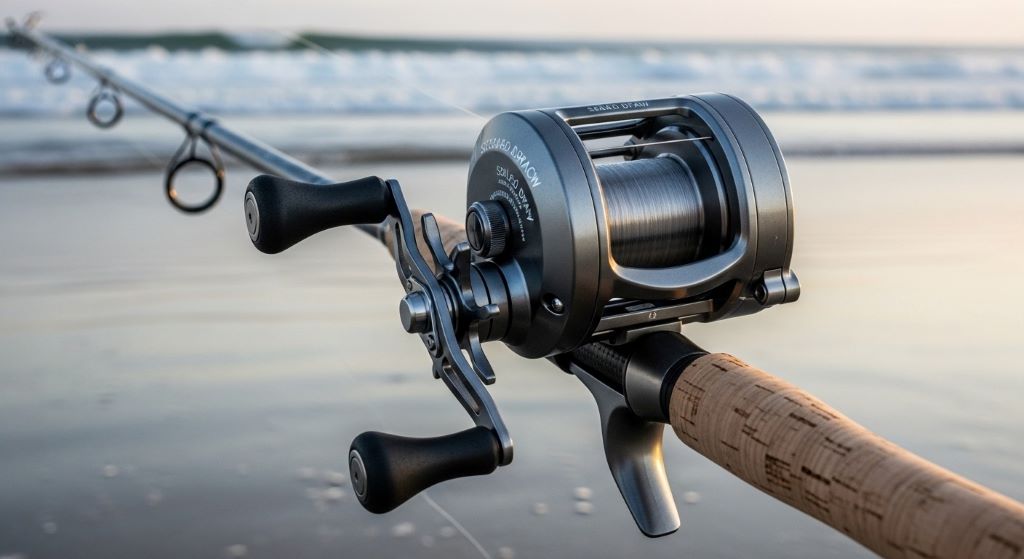
Surf fishing for large game fish requires equipment that can withstand harsh saltwater conditions while delivering the power and performance needed to land trophy catches. Your spinning reel serves as the critical link between you and that fish of a lifetime. Choosing the wrong reel can result in lost fish, frustration, and wasted money on equipment that fails when you need it most.
The ocean environment presents unique challenges that demand specialized gear. Saltwater spray, sand, and the incredible force of big fish combine to test your equipment’s limits. Understanding what makes a spinning reel suitable for surf casting helps you make an informed decision that will serve you well for years.
This comprehensive guide will walk you through everything you need to know about selecting a spinning reel that can handle the demands of surf fishing for big fish. From essential features to maintenance tips, you’ll learn how to identify quality reels that won’t let you down when battling powerful ocean predators.
Understanding Surf Casting Requirements
Surf fishing differs significantly from other types of fishing. You’re casting heavy weights and large baits considerable distances into rough water. Additionally, you’re dealing with strong currents, crashing waves, and fish that have the entire ocean to run.
These conditions require a reel with specific characteristics. First, you need sufficient line capacity to handle long runs from powerful fish. Big game fish like tarpon, sharks, or large striped bass can strip hundreds of yards of line in seconds. A reel that runs out of line means a lost fish.
Second, you need casting distance. Reaching productive water often requires casts of 100 yards or more. Your reel must balance weight with capacity, as heavier reels tire you out during a long day of casting.
Third, power matters immensely. The drag system must be strong enough to stop hard-running fish while smooth enough to prevent line breakage. Jerky drags cause snap-offs, while weak drags allow fish to reach structure where they can break you off.
Size and Line Capacity Considerations
Reel size is typically your first major decision. Manufacturers use numbering systems that indicate spool capacity and overall size. For surf casting big fish, you’ll generally want reels in the 6000 to 14000 size range.
Smaller reels around 6000 to 8000 work well for medium-sized game fish like smaller stripers, redfish, or snook. These reels balance casting comfort with adequate power and capacity. They hold enough line for most situations while remaining manageable during extended fishing sessions.
Larger reels from 10000 to 14000 become necessary when targeting truly large fish. Bull reds, big striped bass, tarpon, and sharks require this extra capacity. However, these reels are considerably heavier and more tiring to cast repeatedly.
Consider your target species carefully. If you’re fishing for 20 to 30 pound stripers, an 8000 size reel provides plenty of capacity. For 100 pound tarpon or large sharks, you’ll need at least a 10000 size reel, possibly larger.
Line capacity specifications tell you how much line the spool holds at various line weights. For big fish, you want at least 300 yards of 30-pound braid. Some situations call for even more capacity, particularly when targeting species known for extremely long runs.
Drag System Performance and Power
The drag system might be the most critical component of any surf fishing reel. A corrosion resistant reel means nothing if the drag fails under pressure. Your drag must perform flawlessly in the challenging moment when a big fish makes its run.
Maximum drag power indicates how much pressure the system can apply. For big fish, look for reels with at least 30 to 40 pounds of maximum drag. However, maximum drag matters less than usable drag throughout the entire range.
Smoothness is equally important as power. The drag should engage progressively without sticking or jerking. Inconsistent drag pressure causes line breaks, lost fish, and frustration. Quality drags use multiple washers made from materials like carbon fiber or felt that provide smooth, consistent pressure.
A sealed drag system offers crucial protection in saltwater environments. Water intrusion ruins drag washers, causing corrosion and performance degradation. Sealed systems use gaskets and special housing designs to keep water out, dramatically extending the drag’s lifespan and maintaining consistent performance.
Furthermore, accessibility matters for maintenance and adjustment. Some reels allow quick drag washer replacement without completely disassembling the reel. This feature proves valuable for anglers who fish frequently in harsh conditions.
Materials and Construction Quality
The materials used in reel construction directly impact durability and longevity. Saltwater is incredibly corrosive, attacking any weakness in your equipment. Therefore, choosing a corrosion resistant reel built from quality materials is essential.
Reel bodies come in various materials. Graphite offers lightweight construction at lower cost but sacrifices some strength. Metal bodies provide superior strength and rigidity but add weight. Many premium reels use combinations like aluminum frames with graphite side plates, balancing strength and weight.
Internal gears deserve close attention. Brass gears offer excellent strength and durability in saltwater. Stainless steel gears provide even better corrosion resistance. Cheap zinc alloy gears corrode quickly and fail under the stress of big fish.
The rotor and bail assembly must withstand constant saltwater exposure. Look for stainless steel or aluminum rotors with reinforced bail wires. The bail wire thickness matters because thin wires can bend or break when handling heavy line and big fish.
Bearings contribute to smoothness and durability. More bearings don’t automatically mean better performance, but quality bearings certainly do. Shielded or sealed bearings resist water intrusion better than open bearings. Many manufacturers now use corrosion-resistant bearings specifically designed for saltwater use.
Gear Ratio Selection
Gear ratio determines how much line the reel retrieves with each handle turn. This specification is expressed as numbers like 5.2:1 or 6.2:1. The first number indicates how many times the rotor spins per handle rotation.
For surf casting big fish, moderate gear ratios typically work best. Ratios between 4.5:1 and 5.5:1 provide good cranking power for working against strong fish. These slower ratios sacrifice some retrieval speed but gain torque, making it easier to move big fish.
Higher gear ratios around 6.0:1 or faster retrieve line quickly but require more effort against heavy resistance. These work well for covering water quickly between casts or retrieving lures, but they can tire you out during long fights with powerful fish.
Consider your fishing style when selecting gear ratio. If you primarily fish bait and wait for bites, a lower gear ratio makes sense. If you’re actively working lures and covering lots of water, a moderate to slightly higher gear ratio might serve you better.
Additionally, think about the species you’re targeting. Fast-swimming fish that make blistering runs might justify a higher gear ratio so you can quickly recover line during pauses in their runs. Fish that bulldoze and pull steadily benefit from the extra power of lower gear ratios.
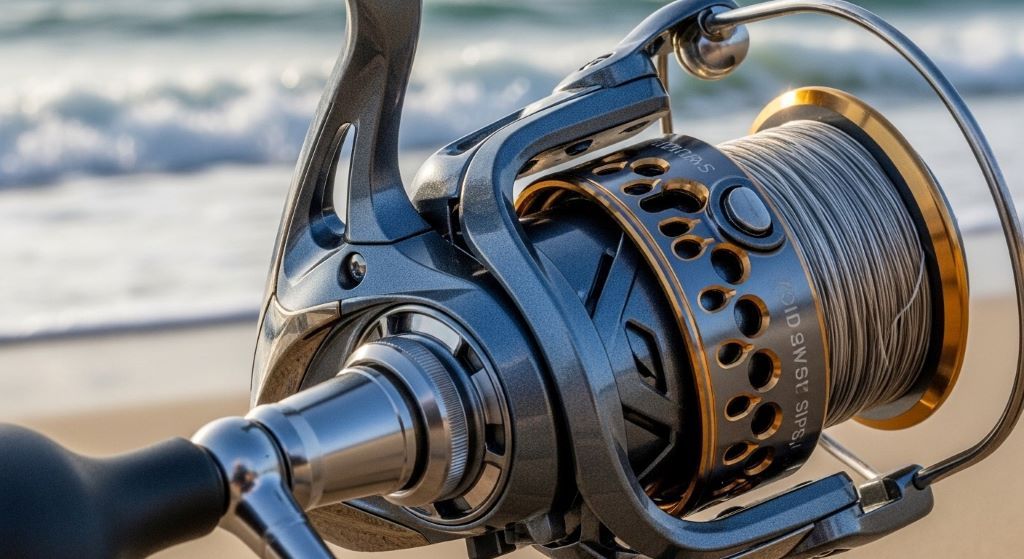
Handle and Grip Design
The handle might seem like a minor detail, but it significantly affects your fishing experience. During long battles with big fish, the handle becomes the primary interface between you and your equipment.
Handle length influences leverage and cranking power. Longer handles provide more leverage, making it easier to crank against heavy resistance. However, they add weight and can be awkward for extended casting. Most surf reels feature handles around 75 to 90mm in length, balancing power and comfort.
Handle grip material matters during wet conditions. EVA foam grips provide excellent traction when wet and remain comfortable during long fights. Some anglers prefer rubberized grips or even cork. Avoid slick plastic grips that become slippery when wet.
The handle attachment should be rock solid. Wobbly handles indicate poor manufacturing quality and will only worsen over time. Some premium reels allow you to switch handles from left to right without tools, a convenient feature for anglers who fish both sides.
Additionally, consider whether the handle is single or double. Double handles provide better balance during retrieval but add weight. Single handles reduce weight and bulk, often preferred for surf casting where you’re holding the reel all day.
Spool Design and Performance
The spool holds your line and significantly impacts casting distance and performance. Several design elements separate quality spools from mediocre ones.
Long cast spools feature extended designs that allow line to flow off more freely during casts. This design reduces friction, translating to extra distance. However, extremely long spools can make the reel front-heavy and unbalanced.
Spool capacity should match your needs without excess. Overfilling the spool improves casting distance but increases the risk of wind knots and tangles. Underfilling reduces casting performance. Most reels include line capacity specifications to help you fill the spool properly.
The spool lip affects line management. A smooth, beveled lip helps line flow off cleanly. Sharp or rough lips can damage line and reduce casting distance. Some premium reels feature titanium spool lips that provide exceptional smoothness and durability.
Furthermore, the line lay mechanism influences performance. Quality reels distribute line evenly across the spool, preventing valleys and mounds that cause tangles. Oscillating systems that move the spool back and forth during retrieval promote even line lay.
Spare spools are valuable for surf fishing. Having a second spool loaded with different line allows quick changes based on conditions or target species. Some manufacturers include spare spools with their reels, while others sell them separately.
Maintenance Features and Accessibility
Saltwater reels require regular maintenance to perform reliably. Therefore, design features that facilitate cleaning and maintenance add significant value.
Water-resistant designs help but don’t eliminate maintenance needs. However, reels with better sealing require less frequent deep cleaning. Look for reels with sealed main shafts, sealed drag systems, and gaskets around key entry points.
Access panels that allow quick lubrication without disassembly save time and effort. Some reels feature oil ports where you can add lubricant directly to critical components. This feature helps maintain smooth operation between deeper cleaning sessions.
The ease of disassembly varies considerably between models. Some reels break down into major components easily, while others require special tools and knowledge. If you plan to perform your own maintenance, consider how user-friendly the design is.
Additionally, parts availability matters for long-term ownership. Popular reels from major manufacturers typically have readily available replacement parts. Obscure brands might leave you searching for parts or facing expensive repair bills.
Retrieval Rate and Line Recovery
Retrieval rate tells you how much line the reel recovers per handle turn. This specification depends on both gear ratio and spool diameter. Larger spools pick up more line per revolution than smaller spools at the same gear ratio.
For surf casting, you want adequate retrieval rate to keep up with fish moving toward you. Nothing is worse than trying to reel frantically while a fish swims at you, creating dangerous line slack. A retrieval rate of at least 35 to 40 inches per turn works well for most big fish situations.
However, excessively high retrieval rates can be counterproductive. Very fast reels require more cranking force and can tire you during long fights. They also provide less power for moving stubborn fish.
Balance is key. A reel that recovers 38 to 45 inches per turn typically provides good speed without sacrificing power. This range allows you to maintain tight lines while still having the muscle to pressure big fish effectively.
Weight and Balance
Reel weight significantly impacts your fishing experience, especially during long sessions of surf casting. A heavy reel creates fatigue, reducing casting distance and accuracy as the day progresses.
Most quality surf reels weigh between 18 and 35 ounces depending on size. Smaller 6000 to 8000 size reels typically weigh 18 to 25 ounces. Larger 10000 to 14000 models weigh 25 to 35 ounces or more.
However, weight alone doesn’t tell the complete story. Balance matters just as much. A well-balanced reel feels lighter than its actual weight because the weight distributes evenly. Poorly balanced reels feel front-heavy or tip-heavy, causing fatigue.
When evaluating balance, consider the reel mounted on your rod. The combination should feel comfortable and natural. The outfit should balance near the reel seat, allowing you to hold the rod comfortably for extended periods.
Furthermore, consider the trade-offs. Lighter reels use more graphite components, potentially sacrificing some durability. Heavier reels typically feature more metal construction, offering better longevity in harsh saltwater conditions.
Testing and Quality Assurance
Before committing to a reel, research its reputation among serious surf anglers. Online reviews and fishing forums provide valuable insights into real-world performance and durability.
Pay attention to comments about long-term reliability. A reel might perform well initially but develop problems after a season of use. Look for patterns in reviews mentioning specific issues like drag failure, bail problems, or gear wear.
Professional guides and tournament anglers offer another perspective. These folks depend on their equipment to produce consistent results. The reels they choose and recommend have usually proven themselves under demanding conditions.
Additionally, consider warranty coverage. Reputable manufacturers stand behind their products with solid warranties. A good warranty indicates the company’s confidence in their reel’s quality and provides peace of mind for your investment.
If possible, handle the reel before buying. Visit tackle shops where you can examine build quality, test the drag, and evaluate overall fit and finish. Nothing replaces hands-on assessment for understanding whether a reel meets your standards.
Budget and Value Considerations
Quality surf reels for big fish range from around 150 dollars to over 600 dollars. Understanding what you get at different price points helps you make a smart investment.
Entry-level reels around 150 to 250 dollars can perform adequately for occasional surf fishing. However, they typically lack the refined drags, corrosion protection, and durability of more expensive models. These reels work for anglers just starting or fishing infrequently.
Mid-range reels from 250 to 400 dollars represent the sweet spot for most serious surf anglers. These reels offer excellent performance, good corrosion resistance, and reasonable longevity. They include features like better drag systems and quality construction without premium pricing.
High-end reels above 400 dollars provide the ultimate in performance and durability. These reels feature the best materials, most advanced sealing, smoothest drags, and finest craftsmanship. They’re overkill for casual anglers but worthwhile for dedicated enthusiasts.
Consider your fishing frequency and goals when budgeting. Someone fishing every weekend should invest more than someone fishing a few times per year. The person chasing personal records on big fish needs better equipment than someone casually fishing for fun.
Making Your Final Selection
After researching features and options, narrow your choices to three or four reels that meet your requirements. Compare specifications side by side, paying special attention to features most important for your fishing style.
Create a checklist of must-have features versus nice-to-have features. Must-have features might include adequate line capacity, sufficient drag power, and good corrosion resistance. Nice-to-have features might include spare spools or specific cosmetic preferences.
Read multiple reviews for each finalist. Look for consistent praise or concerns across different sources. One negative review might be an outlier, but multiple reviews mentioning the same issue warrant attention.
Consider the manufacturer’s reputation and support. Established companies with good customer service make ownership easier. They provide parts, repair services, and helpful technical support when needed.
Finally, trust your judgment after gathering information. The best reel on paper might not feel right to you, and that’s okay. Your confidence in your equipment matters significantly, especially when battling the fish of a lifetime.
Conclusion
Finding the best spinning reel for surf casting big fish requires careful consideration of numerous factors. Size and line capacity must match your target species and fishing conditions. The drag system needs adequate power and smoothness to handle powerful runs without failure. Quality construction using corrosion-resistant materials ensures your investment lasts through seasons of saltwater exposure.
Key features like sealed drag systems protect critical components from water damage, extending reel life and maintaining consistent performance. Gear ratio, handle design, and spool configuration all contribute to casting performance and fish-fighting capability. Weight and balance affect your comfort during long fishing sessions.
Research thoroughly before making your purchase. Read reviews, consult experienced surf anglers, and handle reels in person when possible. Consider your budget realistically, remembering that quality equipment represents an investment in successful fishing experiences rather than just an expense.
By understanding what makes a surf reel effective and matching features to your specific needs, you’ll select equipment that performs reliably when you hook that trophy fish. The right reel gives you confidence to fish hard, knowing your equipment won’t fail during those critical moments.
Frequently Asked Questions
What’s the minimum drag power needed for surf fishing big fish?
For most big fish surf fishing situations, look for reels with at least 30 to 40 pounds of maximum drag. However, you’ll rarely use maximum drag. The drag’s smoothness and consistency throughout its range matters more than peak power. A smooth 35-pound drag outperforms a jerky 50-pound drag when fighting fish.
How often should I service my surf fishing reel?
At minimum, rinse your reel with fresh water after every saltwater trip. Perform thorough cleaning and lubrication every 4 to 6 trips or monthly during heavy use. Complete disassembly and deep cleaning should happen at least once per season. Reels with better sealing require less frequent deep service but still need regular external maintenance.
Is braided line or monofilament better for surf casting big fish?
Braided line works better for most surf fishing situations targeting big fish. It offers superior strength-to-diameter ratio, allowing more line capacity. Braid’s lack of stretch provides better hook-setting power and bite detection at long distances. However, add a monofilament or fluorocarbon leader to provide shock absorption and abrasion resistance near the hook.
Can I use a freshwater reel for occasional surf fishing?
Freshwater reels lack the corrosion protection needed for saltwater. Even occasional saltwater use will quickly degrade freshwater reels, causing corrosion, drag failure, and mechanical problems. If you plan to surf fish even occasionally, invest in a proper saltwater reel. The small additional cost prevents frustration and equipment failure.
What reel size should I choose for 40 to 60 pound striped bass?
For striped bass in the 40 to 60 pound range, an 8000 to 10000 size reel works well. An 8000 provides adequate capacity if you’re fishing areas where fish don’t make extremely long runs. A 10000 offers extra capacity and power for situations with strong currents or where fish might run farther. Both sizes balance casting comfort with fish-fighting capability.
Related Topics:
How to Repair a Broken Fishing Rod Ceramic Guide Insert (Simple DIY Guide)
Family-Friendly Broken Bow Oklahoma Things to Do You’ll Love


