

How to defend against dog bites means using awareness, body positioning, voice control, and last-resort physical actions to prevent a dog from attacking or causing injury. It is not about fighting a dog. It is about reducing risk, de-escalating tension, and protecting vital areas if an attack happens.
Dog bites are more common than most people realize. According to CDC data, over 4.5 million dog bites occur each year in the United States alone, and nearly 800,000 require medical attention. Many victims report they “froze” because they didn’t know what to do.
This guide solves that problem. You’ll learn how to stop a dog from biting using proven behavioral principles, real-world case insights, and clear step-by-step actions. The goal is simple: help you stay calm, make better decisions under pressure, and walk away safely.
This article follows the PAS framework:
- Problem: Dog attacks happen fast and without warning.
- Agitate: Panic and wrong reactions increase injury risk.
- Solution: Practical, evidence-based defense strategies that work.
Why do dogs bite people in the first place?
Short answer: Dogs bite due to fear, stress, territorial instinct, pain, or perceived threat.
Understanding motivation is critical to stopping an attack. Dogs rarely bite “out of nowhere.” Studies published in veterinary behavior journals show that over 70% of bites are fear-based.
Common bite triggers include:
- Direct eye contact interpreted as a challenge
- Fast or aggressive movements
- Protecting food, puppies, or territory
- Previous abuse or poor socialization
- Pain or illness
When you understand these triggers, you can adjust your behavior before the situation escalates.
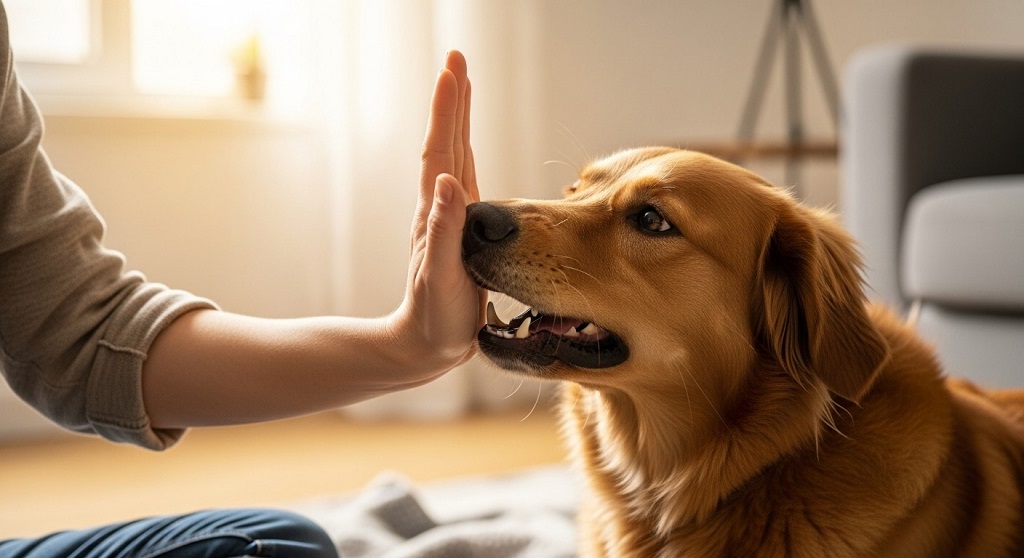
How can you tell if a dog is about to bite?
Short answer: Dogs give warning signs through body language before biting.
Many people miss these signals. That mistake leads to injury.
Warning signs you should never ignore:
- Stiff body posture
- Growling or low barking
- Raised hackles (fur on the back)
- Lip curling or teeth showing
- Whale eye (white of the eye visible)
A case review of emergency room dog bite reports found that over 60% of victims noticed warning signs but didn’t know how to respond. Recognition is your first defense.
What should you do immediately when a dog approaches aggressively?
Short answer: Stop moving, avoid eye contact, stay calm, and control your posture.
This moment matters most. Panic triggers prey drive.
Step-by-step response:
- Stop running or backing away quickly
- Stand sideways to appear smaller
- Keep arms close to your body
- Look at the ground, not the dog’s eyes
- Use a calm, firm voice if needed
Animal control training manuals emphasize that stillness reduces perceived threat. Running increases chase instinct, especially in territorial dogs.
How do you use your voice to stop a dog from biting?
Short answer: Use a deep, firm command without yelling.
Your voice communicates control. High-pitched screams signal fear.
Effective commands:
- “No”
- “Stay”
- “Go home”
Police K-9 handler reports show that dogs respond better to short, low-tone commands. Shouting or crying increases arousal.
This technique works best before physical contact begins.
How can body positioning help defend against dog bites?
Short answer: Protect your face, neck, and hands while minimizing movement.
If the dog lunges, your posture becomes your shield.
Correct defensive positioning:
- Chin down to protect throat
- Elbows tucked in
- Fists closed to protect fingers
- Weight balanced, not leaning forward
Emergency medicine data shows that hands and forearms account for over 50% of severe bite injuries because people instinctively reach out. Keeping arms close reduces damage.
What objects can you use to protect yourself from a dog?
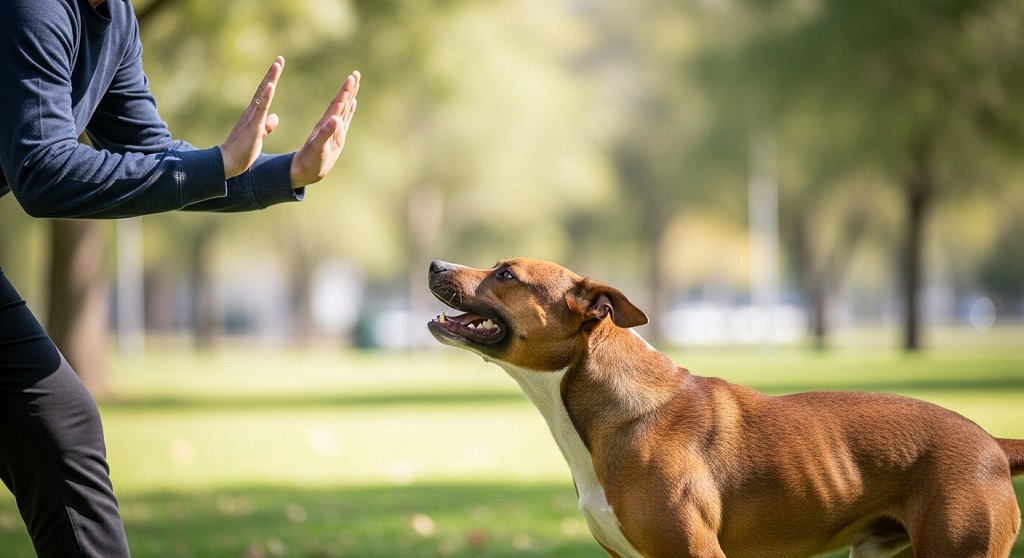
Short answer: Use everyday items as barriers, not weapons.
The goal is distance, not dominance.
Useful objects include:
- Backpacks or bags
- Jackets wrapped around arms
- Umbrellas opened toward the dog
- Bicycles held between you and the dog
Case studies from postal worker safety programs show that barrier use reduces bite severity by up to 80%.
How do you defend against a dog bite if an attack happens?
Short answer: Stay on your feet if possible. If you fall, curl into a ball and protect your face.
This is last-resort survival mode.
If knocked down:
- Curl into a tight ball
- Protect ears and face
- Clench fists over neck
- Remain as still as possible
Trauma reports indicate that victims who protect the face and neck experience significantly lower fatal injury risk.
How to stop a dog from biting when you are walking or jogging?
Short answer: Slow down, maintain awareness, and avoid headphones.
Runners account for a large percentage of surprise bites.
Prevention strategies:
- Scan ahead for loose dogs
- Avoid running past barking dogs
- Change routes if needed
- Carry a deterrent like a whistle
A 2021 runner safety survey found that 68% of dog bite incidents occurred from behind. Awareness reduces risk.
How can parents teach children to avoid dog bites?
Short answer: Teach children stillness, respect, and permission-based interaction.
Children are the most vulnerable group.
Key rules for kids:
- Never approach unfamiliar dogs
- Ask before petting
- Do not hug or grab dogs
- Stand still like a tree if scared
Pediatric injury studies show that most child bites happen from familiar dogs. Education reduces risk dramatically.
How can dog owners prevent their dogs from biting others?
Short answer: Socialization, training, and supervision prevent most bites.
Responsible ownership actions:
- Early obedience training
- Leash control in public
- Avoiding stressful environments
- Recognizing stress signals
Veterinary behavior research shows that properly socialized dogs are up to 85% less likely to bite.
Conclusion: How to defend against dog bites effectively
Dog bites are serious. They happen fast. But they are not unavoidable.
When you understand why dogs bite, recognize warning signs, and respond correctly, you drastically reduce your risk. Stillness, posture, voice control, and smart barriers work. Panic does not.
How to defend against dog bites is about preparation, not strength. The right reaction at the right time can prevent severe injury or save a life.
Call to Action: Share this guide with your family, especially children and elderly members. Awareness is the most effective defense.
Frequently Asked Questions (FAQs)
Can staring at a dog cause it to bite?
Yes. Direct eye contact can be interpreted as a threat and increase aggression.
Is pepper spray effective against dogs?
It can work but may escalate aggression if used incorrectly. Barriers are safer.
Should you run away from a dog?
No. Running triggers chase instinct and increases bite risk.
Do friendly dogs ever bite?
Yes. Stress, fear, or pain can cause any dog to bite.
What should you do after a dog bite?
Wash the wound immediately and seek medical care. Report the incident.
Are small dogs dangerous?
Yes. Small dogs bite frequently, though injuries are usually less severe.
Related Topics: Hub-Free Smart Garage Opener Configuration Tips
Related Topics: Under-Cabinet Resonance Noise Fix: Complete Guide


