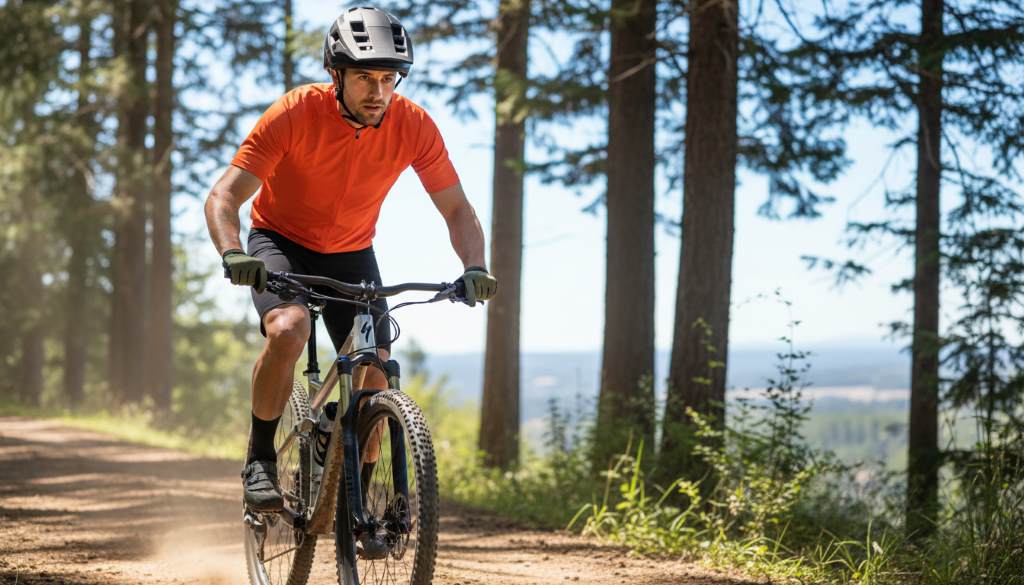
Cycling brings freedom and joy to millions of riders every year. However, crashes happen quickly and often without warning. In 2023 alone, traffic crashes claimed over 1,100 bicyclist lives in the United States, according to NHTSA data. Additionally, the CDC reports that properly worn helmets reduce the risk of head injury by up to 85% and brain injury by similar margins. These numbers show why riders never skip this essential gear.
Finding an affordable bike helmet that still delivers top protection feels challenging at times. Fortunately, many options exist that meet rigorous standards without cutting corners. For instance, riders often discover strong choices like the affordable bike helmet from Batfox, which balances safety features with everyday usability. This guide walks you through every step to choose wisely and ride confidently.
Why Bike Helmet Safety Matters More Than Ever
Riders face real risks on roads and trails. Head injuries account for most serious cycling accidents. Helmets absorb impact energy and spread forces that would otherwise reach the skull.
Studies consistently prove their value. The Insurance Institute for Highway Safety notes that helmet use dramatically lowers fatality risks. Moreover, unhelmeted riders suffer far higher rates of traumatic brain injuries in crashes.
Children and adults both benefit. Laws in many areas require helmets for young riders, yet adults gain the same protection. Every ride deserves this simple safeguard.
Understanding Bike Helmet Safety Standards
All helmets sold in the United States must pass CPSC testing. This federal standard ensures basic impact protection through drop tests and strap strength checks.
Many manufacturers go further. Virginia Tech’s independent STAR rating system tests helmets in real-world scenarios and assigns scores from 1 to 5 stars. Higher ratings mean better energy absorption.
MIPS technology adds another layer. This low-friction liner allows slight rotation during angled impacts, which reduces strain on the brain. Numerous budget models now include MIPS without driving up costs significantly.
European EN 1078 and Snell standards offer similar benchmarks. Riders who check certification stickers gain peace of mind quickly.
Key Features That Enhance Safety on a Budget
Strong protection starts with smart design choices. Look for in-mold construction, where the outer shell fuses directly to the foam liner. This method creates lighter, tougher helmets.
Ventilation keeps heads cool on long rides. Multiple vents channel airflow effectively, even in entry-level models.
Adjustable retention systems matter greatly. Dial-fit mechanisms at the back let riders fine-tune security in seconds.
Visibility elements help too. Reflective accents and bright colors improve detection by drivers, especially at dawn or dusk.
Finally, consider weight. Lighter helmets encourage consistent wear because comfort drives compliance.
Smart Strategies to Find Affordable Safe Helmets
Begin with reputable retailers. Major online stores and local bike shops carry certified options across various budgets.
Read user reviews carefully. Thousands of cyclists share experiences on fit, durability, and real-world performance.
Check Virginia Tech ratings regularly. Their free database lists scores for hundreds of models, including many budget-friendly ones.
Look for established brands with entry lines. Companies like Bell, Giro, and Schwinn produce reliable helmets that meet or exceed standards.
Seasonal sales often bring discounts. End-of-year clearances and holiday promotions make premium features more accessible.
Compare specifications side by side. Focus on certification, weight, and ventilation rather than brand names alone.
Step-by-Step Guide to Perfect Helmet Fit
Proper fit determines true protection. A loose helmet shifts during impact and loses effectiveness.
Start by measuring head circumference. Use a soft tape just above the eyebrows and around the widest part.
Choose the correct size range. Most helmets offer small, medium, or large options with adjustable internals.
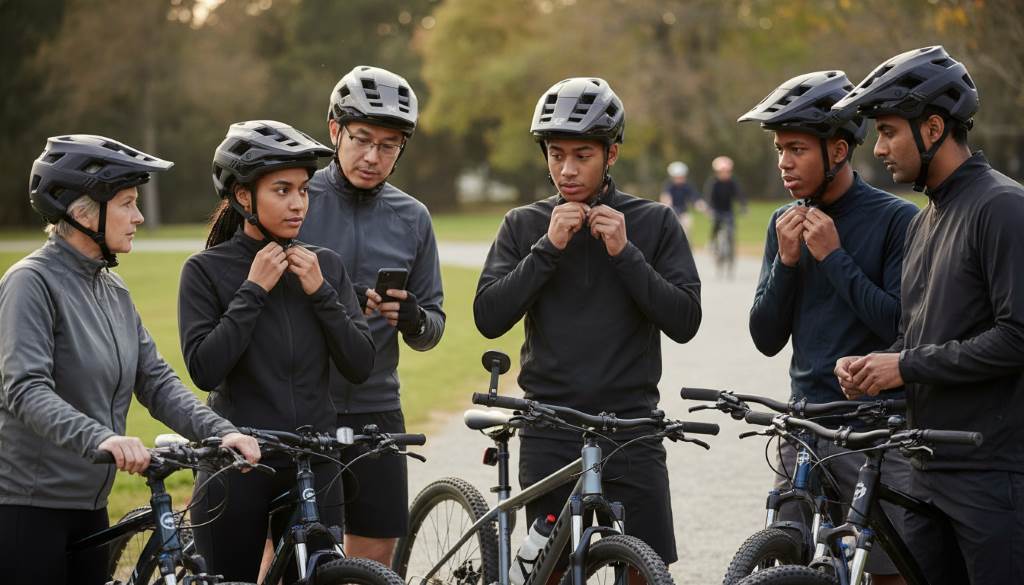
Place the helmet level on your head. The front edge should sit one to two fingers above eyebrows.
Adjust side straps into a V shape under each ear. Buckles should align comfortably.
Tighten the chin strap snugly. You should fit one finger between strap and chin.
Test stability. Shake your head side to side and front to back. The helmet must stay secure without pinching.
Make final dial adjustments. Turn the rear wheel until the fit feels firm yet comfortable.
Try the helmet for several minutes. Any pressure points suggest a different model or size.
Common Mistakes Riders Make When Choosing Helmets
Many riders buy based on looks alone. Style matters, but safety certifications come first.
Others keep helmets too long. Foam degrades over time from sweat and UV exposure.
Wearing the helmet tilted back exposes the forehead dangerously. Always position it level.
Skipping strap adjustments creates gaps. Loose straps allow movement in crashes.
Ignoring crash history proves risky. Any impact compromises internal structure, even without visible damage.
Buying used helmets carries unknowns. Previous drops may weaken protection invisibly.
Maintaining Your Helmet for Maximum Protection
Clean helmets regularly with mild soap and water. Avoid harsh chemicals that damage materials.
Store away from direct sunlight. Heat and UV rays accelerate foam breakdown.
Inspect straps and buckles often. Frayed edges or cracked plastic signal replacement time.
Replace immediately after any significant impact. Crushed foam cannot protect again.
Follow manufacturer guidelines on lifespan. Most recommend renewal every three to five years, depending on use.
Keep stickers visible. Certification labels confirm ongoing compliance.
Real-World Examples of Budget Helmets That Perform
Everyday commuters praise models with high Virginia Tech scores and MIPS layers. These designs handle urban stops and starts reliably.
Trail riders appreciate ventilated options that stay cool during climbs. Lightweight construction reduces fatigue on long adventures.
Families equip kids with colorful, certified helmets that encourage consistent wear. Adjustable systems grow with children.
Recreational cyclists find versatile hybrids suitable for paths and roads alike. Strong ratings provide confidence on mixed terrain.
Related:
Bike-Friendly Distance from Miami to Key Largo Trail
Cheap Yet Reliable Mountain Bikes Under $500 for New Riders
Conclusion
Safety never takes a backseat when choosing cycling gear. Riders prove daily that strong protection and reasonable budgets coexist. Focus on certifications, proper fit, and regular maintenance to enjoy every mile.
Start your search today with trusted sources and independent ratings. Measure your head, compare features, and select a helmet that feels right. Protected rides await—get out there and pedal safely.
FAQs
What certifications should I look for in a bike helmet?
Prioritize CPSC compliance as the minimum standard in the United States. Virginia Tech 5-star ratings and MIPS technology offer additional reassurance. These markers confirm thorough testing beyond basic requirements.
How often should I replace my bike helmet?
Replace after any crash, regardless of visible damage. Otherwise, renew every three to five years. Foam and materials degrade naturally from sweat, sunlight, and daily use.
Why is proper helmet fit so important?
A well-fitted helmet stays in place during impacts. Loose models shift and expose vulnerable areas. Snug, level positioning maximizes energy absorption exactly where needed.
Can budget helmets really include advanced safety features?
Yes, many affordable models now incorporate MIPS and strong ventilation. Manufacturers spread technology across price points, making enhanced protection widely available.
Where can I find reliable helmet safety ratings?
Virginia Tech publishes free, independent STAR ratings online. Their lab tests simulate real crashes and rank hundreds of current models transparently.
References
- Centers for Disease Control and Prevention – Bicycle Safety: https://www.cdc.gov/pedestrian-bike-safety/about/bicycle-safety.html
- National Highway Traffic Safety Administration – Bicycle Safety: https://www.nhtsa.gov/road-safety/bicycle-safety
- Virginia Tech Helmet Lab Ratings: https://www.helmet.beam.vt.edu/bicycle-helmet-ratings.html
- Bicycle Helmets Statistics and Information: https://helmets.org/statspage.htm