
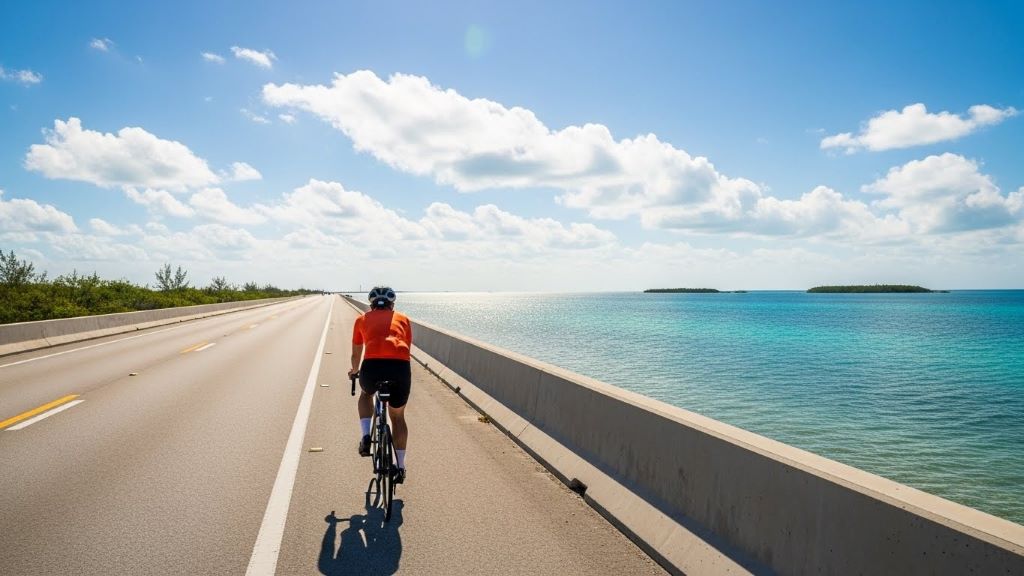
Cycling from Miami to Key Largo offers an unforgettable adventure through one of Florida’s most scenic routes. The journey takes you along the famous Overseas Highway, where turquoise waters meet endless blue skies. Whether you’re an experienced cyclist or planning your first long-distance ride, this trail provides breathtaking views and a unique way to experience South Florida’s beauty. At Miami Signature Designs, we celebrate the vibrant lifestyle and outdoor opportunities that make this region special.
The bike-friendly route from Miami to Key Largo spans approximately 60 miles. This distance makes it perfect for a day trip or a leisurely weekend adventure. However, understanding the terrain, weather conditions, and preparation requirements is essential before you hit the road.
Many cyclists wonder how far is Key Largo from Miami when planning their cycling journey. The actual distance varies slightly depending on your starting point in Miami, but most riders can expect a 60 to 65-mile trip. This route follows US Highway 1, which transforms into the scenic Overseas Highway as you enter the Florida Keys.
Planning Your Cycling Route
The most popular starting point is downtown Miami or South Miami. From there, cyclists typically head south through Homestead and Florida City before entering the Keys. The route is straightforward, following Highway 1 almost exclusively. Additionally, the road features wide shoulders in many sections, making it relatively safe for cyclists.
Traffic can be heavy, especially during peak tourist season from December through April. Therefore, planning your ride during early morning hours or weekdays helps avoid the busiest times. The shoulder width varies throughout the journey, with some narrow sections requiring extra caution.
Consider breaking the journey into segments if you’re new to long-distance cycling. Many riders stop in Homestead or Florida City for a rest before continuing into the Keys. This approach makes the ride more manageable and enjoyable.
What to Expect on the Trail
The terrain is mostly flat, which is good news for cyclists. However, you’ll encounter several bridges along the way. These bridges offer spectacular views but can be challenging due to wind exposure and traffic. The Jewish Creek Bridge and the Card Sound Bridge are two notable crossings on alternative routes.
Weather conditions play a significant role in your cycling experience. South Florida’s subtropical climate means hot, humid summers and mild winters. Summer afternoon thunderstorms are common, so morning rides are preferable. Furthermore, strong winds can make cycling more difficult, particularly on exposed bridge sections.
The landscape changes dramatically as you progress southward. Urban sprawl gives way to farmland in Homestead, then transitions to mangrove forests and coastal scenery as you enter the Keys. Wildlife sightings are common, including herons, pelicans, and occasionally manatees in the shallow waters.
Essential Preparation and Safety Tips
Proper preparation ensures a safe and enjoyable ride. Start with a well-maintained bike suitable for long distances. Road bikes or hybrid bikes work best for this paved route. Check your tires, brakes, and gears before departure. Additionally, bring spare tubes, a pump, and basic repair tools.
Hydration is critical in Florida’s heat. Carry at least two large water bottles and plan stops to refill. Convenience stores and gas stations appear regularly along Highway 1. Pack energy bars, fruit, or other snacks to maintain your energy levels throughout the ride.
Sun protection cannot be overstated. Apply waterproof sunscreen before starting and reapply during breaks. Wear sunglasses, a helmet with ventilation, and lightweight, breathable clothing. According to the National Weather Service, UV radiation in South Florida ranks among the highest in the United States, making protection essential.
Safety gear includes front and rear lights, even for daytime riding. Reflective clothing increases visibility to motorists. A rearview mirror helps you monitor traffic approaching from behind. Always ride in the same direction as traffic and use hand signals when turning.
Rest Stops and Points of Interest
Several towns along the route offer opportunities to rest and refuel. Homestead provides numerous dining options and bike shops. Florida City serves as the gateway to Everglades National Park, worth a detour if time allows. Robert Is Here, a famous fruit stand, makes an excellent stop for fresh smoothies and local produce.
Once you enter the Keys, Key Largo welcomes you with its laid-back island atmosphere. John Pennekamp Coral Reef State Park is a must-visit destination, offering the only living coral reef in the continental United States. The park features a visitor center, beaches, and opportunities for snorkeling or diving.
Restaurants and cafes throughout Key Largo provide well-deserved meals after your ride. Fresh seafood dominates menus, with many establishments offering waterfront dining. Local favorites include conch fritters, key lime pie, and fresh fish sandwiches.
Training and Fitness Considerations
Building endurance before attempting this ride is important. If 60 miles seems daunting, start with shorter distances and gradually increase your mileage. Aim to comfortably ride 40 to 50 miles before tackling the full Miami to Key Largo route.
Training should include back-to-back riding days to prepare your body for sustained effort. Practice riding in various weather conditions, particularly heat and wind. Strengthen your core and leg muscles through cross-training activities like swimming or yoga.
Listen to your body during the actual ride. Take breaks when needed and don’t push beyond your limits. There’s no shame in calling for support or shortening your route if conditions become too challenging.

Alternative Route Options
While Highway 1 is the most direct route, alternatives exist for adventurous cyclists. Card Sound Road offers a quieter, more scenic option, though it adds several miles. This route features the Card Sound Bridge with its iconic toll booth and stunning views of Florida Bay.
Some cyclists prefer starting from different Miami neighborhoods to customize their experience. Coconut Grove, Coral Gables, or Kendall offer varying starting points that can shorten or lengthen your total distance. Each neighborhood provides its own character and cycling infrastructure.
Consider the return journey as well. Many cyclists arrange for vehicle support or use bike racks to transport their bikes back to Miami. Public transportation options are limited for bicycles on this route. According to Visit Florida, planning your return transportation in advance ensures a stress-free end to your adventure.
Environmental Awareness
Cycling through this region offers intimate contact with fragile ecosystems. The Florida Keys serve as a critical habitat for numerous endangered species. Respect wildlife by maintaining distance and never feeding animals. Stay on designated paths and roads to protect sensitive areas.
Carry out all trash and recyclables. Leave no trace principles apply even when cycling on public roads. The beauty you enjoy today depends on everyone’s commitment to environmental stewardship.
Climate change impacts this region significantly, with rising sea levels threatening the Keys’ future. Your choice to cycle instead of drive reduces carbon emissions and demonstrates sustainable transportation. Moreover, it connects you more deeply to the landscape you’re helping to protect.
Making the Most of Your Journey
Document your adventure through photos and journal entries. The scenic beauty deserves to be captured and remembered. However, prioritize safety over photography. Pull completely off the road before stopping to take pictures.
Connect with other cyclists along the route. The cycling community is welcoming and often shares valuable tips or encouragement. Local bike shops in Miami and Key Largo can provide last-minute supplies or mechanical assistance if needed.
Consider timing your ride to arrive in Key Largo for sunset. The famous Florida Keys sunsets create magical moments that reward your efforts. Many waterfront locations offer perfect vantage points to watch the sun dip below the horizon.
Conclusion
Cycling from Miami to Key Largo represents an achievable challenge that rewards riders with incredible scenery and a sense of accomplishment. The 60-mile journey follows a straightforward route with mostly flat terrain, making it accessible to cyclists with moderate fitness levels. Proper planning, adequate preparation, and attention to safety ensure a positive experience.
The ride showcases South Florida’s diverse landscapes, from urban environments to coastal wilderness. Key Largo’s tropical paradise atmosphere provides a worthy destination. Whether you complete the journey in one day or take your time exploring along the way, this bike-friendly route offers an unforgettable adventure.
Remember to check weather conditions, pack essential supplies, and respect traffic laws throughout your ride. With the right preparation and mindset, cycling from Miami to Key Largo becomes more than just a physical challenge. It transforms into a memorable journey through one of Florida’s most beautiful regions.
Frequently Asked Questions
How long does it take to bike from Miami to Key Largo?
Most cyclists complete the 60-mile journey in 4 to 7 hours, depending on fitness level, weather conditions, and the number of breaks taken. Experienced riders might finish faster, while casual cyclists should allow more time.
Is the route from Miami to Key Largo safe for cycling?
The route is generally safe with proper precautions. Highway 1 has wide shoulders in most sections, though some areas require extra caution. Riding during daylight hours, wearing visible clothing, and staying alert to traffic significantly improve safety.
What is the best time of year to bike to Key Largo?
November through April offers the most comfortable conditions with lower humidity and temperatures. Avoid summer months when heat, humidity, and afternoon thunderstorms are common. Early morning starts are best regardless of season.
Are there bike shops along the route for repairs?
Miami has numerous bike shops for pre-trip maintenance. Homestead has limited options. Key Largo features a few bike rental and repair shops. Carrying basic repair tools and spare tubes is essential since services become sparse once you leave Miami.
Can I take public transportation back to Miami with my bike?
Public transportation options with bikes are extremely limited on this route. Most cyclists arrange vehicle support, use bike racks, or ride back to Miami. Planning your return transportation before starting is highly recommended.
Related Topics:


