
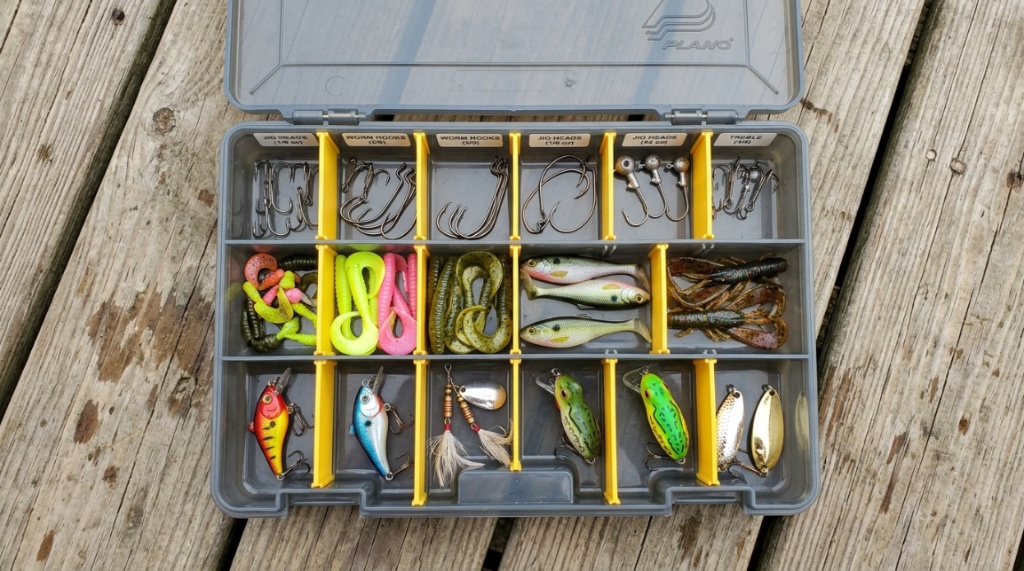
You’ve just spent $200 on premium crankbaits for Lake St. Clair, only to have them become a tangled, rusted mess at the bottom of your tackle bag. We’ve all been there. In Michigan’s demanding freshwater environments—from the frigid depths of Lake Superior to the weedy bass beds of Houghton Lake—an unorganized tackle box doesn’t just cost you time; it costs you trophy fish. The chaos of treble hooks and soft plastics is a solvable problem, but only if you select gear designed for our specific conditions.
This guide cuts through the noise to help you find the best fishing lure organizers Michigan anglers actually rely on, breaking down material durability, compartment versatility, and portability for our unique seasons.
What Makes a Lure Organizer Suitable for Michigan’s Unique Climate?
A Michigan lure organizer must withstand extreme temperature swings (from -20°F ice fishing to 95°F summer heat) and high humidity. Durability isn’t a luxury; it’s a necessity. Look for ABS plastic or tear-resistant nylon that won’t become brittle in the cold or warp in your truck bed during July.
The Impact of Temperature Swings on Plastic Trays
Cheap polyethylene trays often shatter when dropped on ice. High-quality polypropylene or ABS plastic retains flexibility in sub-zero temps, preventing hinge breakage. You need a case that survives the harsh transition from your heated truck to the frozen shoreline.
Moisture Control: Rust Prevention is Critical
Michigan’s Great Lakes region is humid. Opt for organizers with silica gel compartments or built-in moisture-wicking liners. If you fish for salmon in Ludington, you know how quickly saltwater (or even brackish water) corrodes treble hooks.
UV Resistance for Long Days on the Water
Prolonged exposure to intense summer sun degrades plastic and fades soft baits. Choose UV-stabilized models—like those from Plano’s EDGE series—to ensure your jerkbaits stay protected during those 14-hour walleye sessions on Saginaw Bay.
Which Organizer Style Works Best for Ice Fishing vs. Open Water?
For ice fishing on Lake Gogebic, a compact, boxy satchel with micro-jig slots is essential. For open-water trolling on Lake Michigan, you need a large, flat utility box that lays flat in the boat to access spoons quickly. The style must match the fishing method.
Compact Hard Cases for Tip-Up and Jigging Gear
The Frabill Magnum Bait Station is a local favorite for ice fishing because it holds 12 tip-up spools and has a padded top. It prevents line freezing by keeping spools separate, which is critical when targeting pike through the ice.
Bulk Storage Bags for Soft Plastics and Terminal Tackle
When bass fishing in the Detroit River, you need a binder-style organizer with 9×6 pouches for bags of tubes and creature baits. The “Bass Mafia” bags use clear PVC that doesn’t laminate, allowing you to see exactly which color worm you’re grabbing during low-light dawn hours.
Waterproof Floating Cases for Kayak Anglers
Kayak fishing on inland lakes like Higgins Lake requires gear that floats. A waterproof, roll-top dry bag with internal dividers ensures your $50 musky lures don’t sink to the bottom if you flip. Look for IPX7-rated zippers, which are rare but worth the investment.
How Many Compartments Do You Actually Need in Michigan?
Most Michigan anglers overestimate their needs. For typical bass and walleye fishing, you need 4–6 large compartments for hard baits and 8–10 small ones for jig heads and hooks. Having 50 tiny slots for bait you don’t own wastes space and adds bulk.
Calculating Per-Species Load-Outs
If you chase steelhead in the Pere Marquette River, you need room for spawn sacs and flies, requiring a foam-lined fly patch. If you are a multi-species angler on Lake St. Clair, you need movable dividers to reconfigure spaces for bulky glide baits versus small finesse jigs.
The “One-Box” Rule for Bank Fishing
For shore fishing along the Grand River, you rarely need more than a 3600-size box (roughly 14 x 9 inches). A single box that fits in a backpack is better than two heavy cases that force you to choose between mobility and selection.
Adjustable Dividers: A Non-Negotiable Feature
Fixed compartments rarely match the odd shape of a deep-diving crankbait. Adjustable dividers, like those in the Flambeau Tuff Tainer, let you expand a slot to fit 2 large (4-inch) topwater poppers without crushing their hooks.
Why Are Soft-Sided Binders Better for Michigan Bass Anglers?
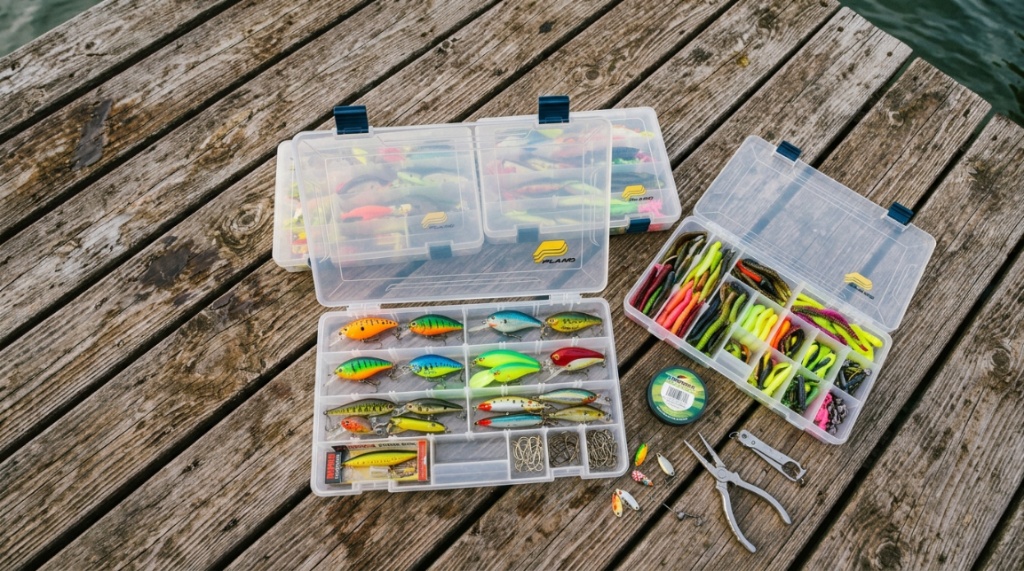
Soft-sided binders, such as the Plano 3740, are better for bass because they accommodate the thick, bulky plastic packages that hard boxes cannot. They allow for horizontal storage, which prevents soft baits from getting permanently creased or deformed in the humid summer heat.
Zipper Durability and Corrosion Resistance
Michigan sand and grit will kill cheap zippers. You want a binder with YKK zippers that are coated or covered by a rain flap. This prevents the fine sand from Lake Michigan beaches from jamming the slider mid-fishing trip.
Pouch Transparency for Quick Color Identification
When the bluegill bite is hot on Lake Leelanau, you don’t have time to dig. A binder with high-gloss, tear-resistant vinyl page pouches lets you see whether the “green pumpkin” or “watermelon red” is left at a glance. This speed is crucial for a successful day.
Where Can You Buy High-Quality Organizers Locally vs. Online?
In Michigan, you have the unique advantage of visiting specialty stores like Cabela’s (Dundee) or Meijer’s (which often carry decent mid-range Plano). For specialized, heavy-duty options, online retailers offer larger inventories and better reviews.
What to Look for in a Local Michigan Retail Store
Local shops like Frank’s Great Outpost (Linwood) often carry the specialty, locally-manufactured organizers that DIY tinkerers make for musky fishing. The benefit is hands-on inspection—you can test the hinge tension right there.
Evaluating Online Reviews for Michigan-Specific Durability
When shopping online, ignore reviews from Texas or Florida anglers. Look for keywords like “ice,” “cold,” “winter,” or “Michigan” in the review text. These will indicate how the plastic holds up to our freeze-thaw cycles.
The Return Policy Factor
We strongly recommend buying from retailers with a generous return policy. If an organizer’s latch breaks after two months of jostling in your pickup bed, you want to be able to swap it out easily. Keep your receipts.
Can You DIY a Better Lure Organizer Than Commercial Ones?
Yes, you can DIY a better organizer for specific niche needs, such as storing musky lures worth $50 each. By using high-density foam in a sturdy aluminum case, you can custom-cut slits to hold each lure vertically, which prevents hook tangles completely. This is often superior to generic plastic,Before filling your tackle boxes for your next trip, check out our guide on Artificial Bait for Saltwater Fishing to expand your gear collection.
Using Plano Boxes with Custom Foam Inserts
Purchase a standard Plano (3700) box and replace the plastic dividers with 2-inch thick polyurethane foam. Use a razor blade to slice slots for each jointed lure. This method provides superior shock absorption and keeps hooks from rattling against plastic.
Repurposing Ammo Cans for Heavy-Duty Storage
The military style. 50-caliber ammo cans are gas-proof and waterproof. Insert a sheet of closed-cell foam and cut strips to hold inline spinners. This is an extremely budget-friendly solution ($30) that will last forever, even in the salt spray of Lake Erie.
When Should You Replace Your Lure Organizer in Michigan?
You should replace your organizer immediately if the hinges crack, if the latch fails to close securely, or if you notice rust transferring from the box to your lures. Using a broken organizer is a false economy; it will cost you lures and time.
Signs of Plastic Fatigue and Chemical Leaching
If the plastic becomes cloudy or sticky to the touch, the plasticizers are breaking down. This can actually react with the paint on your crankbaits, causing it to bubble or peel off. If you see this, toss the box immediately.
The “Shelf Life” of Foam vs. Plastic
Open-cell foam can hold moisture and become a rust factory. If you use a foam-lined box, you must air it out weekly. Plastic boxes, if properly dried, can last 10+ years. Replace foam every 3 years for preventive maintenance.
What Are the Top Lure Organizer Brands Trusted by Michigan Pros?
Anglers who consistently win tournaments on Lake Michigan rely on exactly three brands: Plano (the old guard), Flambeau (the durable alternative), and Wild River (the premium new-age tackle management). These brands stand up to the rigors of our seiche-induced weather patterns.
Plano Molding: The Industry Standard
Plano’s EDGE series features waterproof seals and transparent lids. The “3600 Deep” model is excellent for Michigan saltwater trolling because it holds big spoons. They are widely available and affordable, offering the best price-to-performance ratio.
Flambeau’s Tuff Tainer (Tackle Storage) Systems
Flambeau bases their design strategy on “Y” series channel dividers that lock in place. They are notoriously harder to crack than Plano’s standard ribs. For serious rough handling, this is your best bet.
Wild River Tackle Binders (Premium Choice)
Wild River uses a hard bottom with a top that rolls up. This gives the benefit of a binder but the rigidity of a box. They are more expensive, but the aluminum frame protects contents during transport in high-country lakes.
How to Organize by Fishing Trip Duration (Half-Day vs. Week-Long)
For a half-day trip on Muskegon Lake, you only need a small 3600-size box with 3 trays. For a week-long expedition to Lake Huron, you need a large duffel bag with multiple binders. Match the organizer volume to the number of days, not the number of fish.
The Half-Day “Slash Pouch” Strategy
Use a thin, vertical wallet (like a bank money bag) to hold 10-15 jigs, a pair of pliers, and a spool of leader. This fits in your wader pocket for easy river wading. No bulk, no fuss, no heavy belt.
The Week-Long Modular System for Lodges
If staying at a resort in Traverse City, use a “system in a bag” approach. Use two binder books (one for hard baits and one for plastics), a separate terminal tackle tray, and a hanging bag for gloves and clippers. This modularity lets you keep the boat clean.
Seasonal Rotation: Organizing for Spring vs. Fall
In March (steelhead), you need small spawn sac boxes. In October (salmon), you need big flat boxes for J-plugs. Store off-season lures in separate gallon bags in the basement. This keeps your primary organizer light and effective. For more strategic advice, check out this resource on the best fishing lure organizers Michigan has to offer.
Are Expensive Waterproof Organizers Worth the Investment?
Yes, but only for trolling applications where gear is constantly splashed. A $60 waterproof case (like the Plano Guide Series) protects your terminal tackle. For casual bank fishing, a $15 standard is perfectly fine. Don’t over-spend if you don’t need it.
Cost-Benefit Analysis of Premium Seals
The O-ring seals on premium cases fail over time if sand gets in the groove. You must maintain them. If you don’t fish in rain or spray, skip the waterproof feature entirely and save $40 for a better rod.
Alternatives to Waterproof Cases
You can use a drill to add a drain hole to a standard box—it won’t be waterproof, but it drains water. This is a hack used by waterfowl hunters who dread opening a sealed box of mildew.
When to Buy the Budget Option
If you are a bank angler who carries a backpack, heavy waterproof cases hurt your back. Buy the lightest plastic option available. The weight savings matter more than the waterproof seal,
Frequently Asked Questions
Can I use a tool bag for fishing lures?
Yes, electrician tool bags (like Klein tools) are extremely rugged. They have deep pockets and loops that perfectly fit pliers and lure boxes. They often cost less than “fishing” specific bags and last longer due to steel-reinforced bases.
How do I stop hooks from rusting in my organizer?
Add a teaspoon of silica gel in a small mesh bag (simple container) inside the box. Or, spray the interior with a light coat of CorrosionX, a rust inhibitor. Always towel-dry your lures before zipping the box shut.
Is the Plano 3700 better than the 3600?
No, the 3700 is larger (fits bigger lures like musky baits). The 3600 is smaller and fits in a boat console better. Choose the 3700 for trolling, the 3600 for casting. It’s about the lure size, not the quality.
What is the best way to store soft plastic worms?
Keep them in original bags, but lay them flat in a binder. Do not mix colors in the same compartment. The chemical plasticizers will migrate and bleed colors into each other, ruining their lifelike appearance.
How often should I clean my lure organizer?
Deep clean with warm soapy water every two months. Rinse with a mild bleach solution (1:10 ratio) to kill bacteria that cause mildew. Let dry completely before reloading to prevent rust formation.
Conclusion: Ready to Tame the Tackle Chaos?
Choosing the right organizer in Michigan comes down to matching the box to the enemy: extreme frost, humidity, and the massive size of our fish. Start with a Flambeau Tuff Tainer for hard baits and a Wild River binder for plastics. Avoid buying the cheapest option, as they will crack under our brutal conditions.
Now, before your next weekend trip up north, clear the junk out of that old plastic bag. Invest in a system that protects your gear like a wader keeps you dry. Visit a local shop, feel the hinge tension, and make the upgrade today. Your future catch, whether it’s a 5 lb smallmouth or a monster musky, will thank you on the water.