
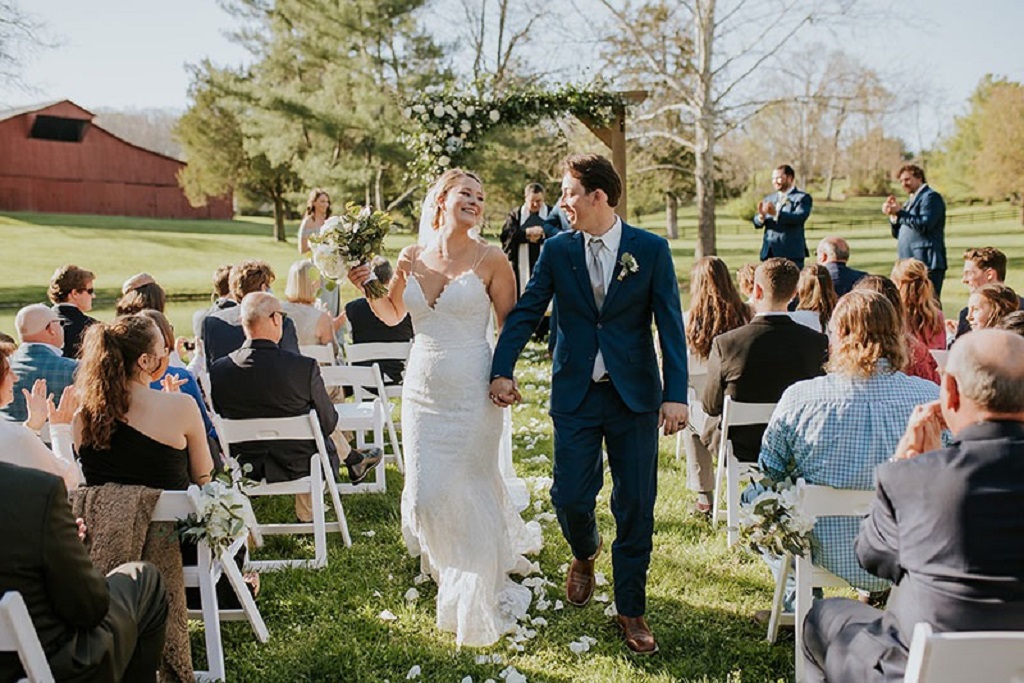
Planning your dream wedding should be an exciting journey filled with joy and anticipation. However, many couples find themselves overwhelmed by the countless decisions and details involved in creating their perfect day. At Wedding Style Blog, we understand that wedding planning can be both thrilling and stressful. Therefore, learning from common mistakes can save you time, money, and unnecessary stress.
Wedding planning involves numerous moving parts, from selecting vendors to managing budgets and timelines. Additionally, emotional pressures and family expectations can complicate the process further. However, by understanding the most frequent pitfalls that couples encounter, you can navigate your wedding planning journey more smoothly and confidently.
The following guide explores 15 common wedding planning mistakes how to avoid them, providing you with practical strategies to ensure your special day goes exactly as planned. Furthermore, these insights will help you make informed decisions and create lasting memories without unnecessary complications.
Setting an Unrealistic Budget
One of the most significant mistakes couples make is underestimating wedding costs or failing to establish a clear budget from the start. Many couples begin planning without researching actual vendor prices in their area. Consequently, they often find themselves overspending or having to make difficult compromises later in the process.
To avoid this mistake, research average costs for your desired location and guest count before setting your budget. Additionally, add a 10-15% buffer for unexpected expenses. Create a detailed spreadsheet tracking all expenses and prioritize the most important elements to you as a couple.
Booking the Wrong Venue Size
Choosing a venue that doesn’t match your guest count can create uncomfortable situations and unnecessary expenses. Some couples book venues that are too large, making their celebration feel empty and impersonal. Conversely, others select spaces that are too small, leaving guests cramped and uncomfortable.
Therefore, finalize your guest list before venue shopping. Visit potential venues during similar events to see how they look with actual guests. Moreover, consider factors like dance floor space, cocktail hour areas, and restroom accessibility when evaluating venue capacity.
Not Reading Vendor Contracts Carefully
Many couples sign vendor contracts without thoroughly reviewing terms and conditions. This oversight can lead to unexpected fees, service limitations, or cancellation complications. Additionally, unclear contract language can create disputes later in the planning process.
Always read contracts completely and ask questions about anything unclear. Furthermore, pay attention to cancellation policies, payment schedules, and what happens if vendors cannot fulfill their obligations. Consider having important contracts reviewed by a legal professional if necessary.
Ignoring Wedding Insurance
Wedding insurance protects your investment against unforeseen circumstances like vendor cancellations, severe weather, or venue closures. However, many couples skip this important protection, assuming nothing will go wrong with their celebration.
Research wedding insurance options early in your planning process. Additionally, understand what events and expenses are covered by different policies. The cost of insurance is typically minimal compared to potential losses from major disruptions.
Poor Timeline Management
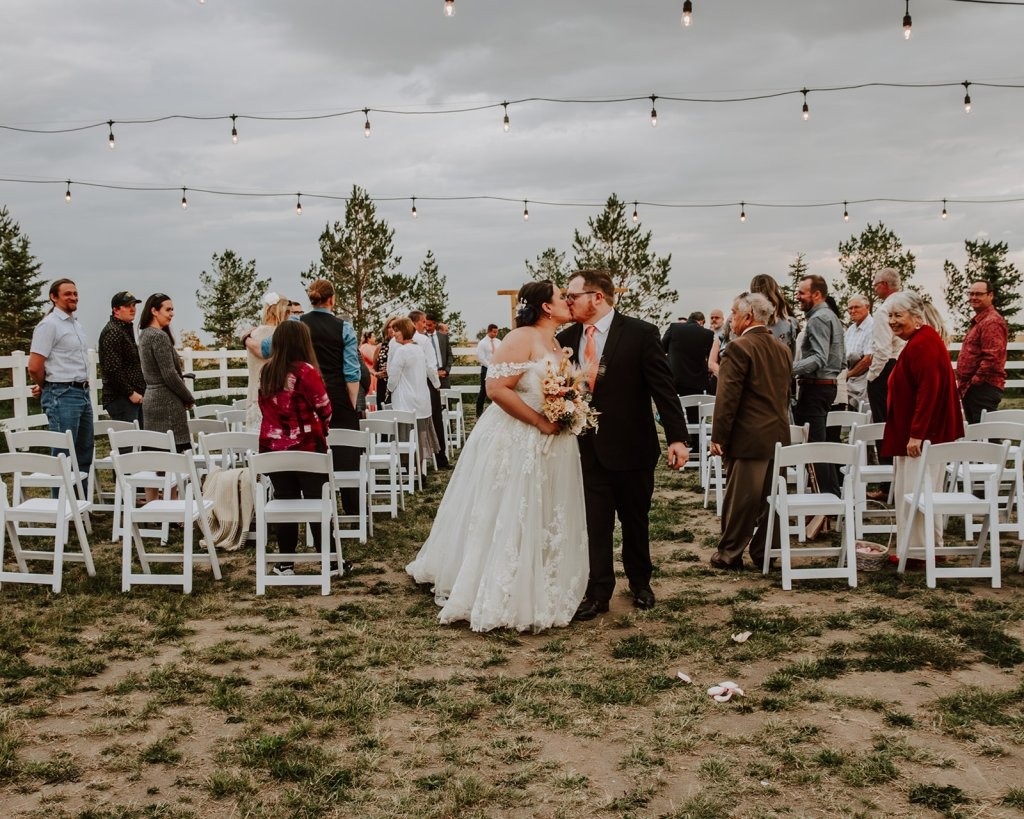
Inadequate timeline planning can create rushed preparations and vendor conflicts on your wedding day. Many couples underestimate how long various activities take, from getting ready to ceremony transitions. Consequently, delays in one area can create cascading problems throughout the day.
Work with your wedding planner or coordinator to create detailed timelines for all vendors. Furthermore, build buffer time between major events and share timelines with your wedding party. Practice key moments like processionals and exits to ensure smooth execution.
Neglecting Guest Experience
Some couples become so focused on their personal vision that they forget about guest comfort and enjoyment. This might include inadequate seating, poor venue accessibility, or limited food and beverage options. Additionally, failing to provide clear directions or accommodation information can frustrate guests.
Consider your guests’ needs when making planning decisions. Therefore, provide welcome bags with useful information, ensure comfortable seating arrangements, and accommodate dietary restrictions. Moreover, think about transportation, parking, and accessibility for guests with mobility challenges.
Overspending on Low-Priority Items
Many couples allocate too much budget to items that don’t significantly impact their overall celebration. For example, spending extensively on elaborate centerpieces while cutting corners on photography or catering can create lasting regrets.
Identify your top three wedding priorities and allocate your budget accordingly. Additionally, remember that guests typically remember great food, music, and atmosphere more than decorative details. Focus your spending on elements that create meaningful experiences and lasting memories.
Inadequate Vendor Research
Choosing vendors based solely on price or availability without proper research can lead to disappointing results. Some couples book vendors without checking references, viewing full portfolios, or meeting them in person. Consequently, they may discover quality or style mismatches too late to make changes.
Research potential vendors thoroughly by reading reviews, viewing complete portfolios, and contacting recent clients. Furthermore, meet vendors in person to assess their professionalism and communication style. Trust your instincts about whether vendors understand your vision and can deliver quality results.
Last-Minute Decision Making
Procrastinating on important decisions can limit your options and increase stress levels. Popular vendors and venues often book far in advance, especially during peak wedding seasons. Additionally, last-minute choices may result in higher costs or compromised quality.
Create a planning timeline with specific deadlines for major decisions. Therefore, start with the most important elements like venue and photographer before moving to details. Moreover, book key vendors as early as possible to secure your preferred choices and better pricing.
Forgetting About Marriage License Requirements
Each state and locality has specific requirements for marriage licenses, including waiting periods, documentation, and expiration dates. Some couples discover these requirements too late, potentially invalidating their marriage ceremony. Additionally, destination weddings may have complex legal requirements.
Research marriage license requirements immediately after your engagement. Furthermore, understand application deadlines, required documentation, and any waiting periods. For destination weddings, consult with local officials or wedding planners about legal requirements and necessary paperwork.
Inadequate Communication with Wedding Party
Poor communication with bridesmaids and groomsmen can create confusion and resentment. Some couples fail to clearly communicate expectations, financial responsibilities, or timeline requirements. Consequently, wedding party members may feel unprepared or overwhelmed by their duties.
Have honest conversations about expectations and financial responsibilities early in the process. Additionally, create a group chat or email list for important updates and reminders. Moreover, provide detailed information about attire requirements, event schedules, and any special responsibilities.
Overcomplicating the Menu
Some couples create overly complex menus that are difficult to execute or don’t appeal to their guest demographics. Additionally, choosing too many options can increase costs and create logistical challenges for catering staff.
Work with your caterer to design a menu that reflects your tastes while appealing to most guests. Therefore, consider dietary restrictions and cultural preferences of your guest list. Furthermore, remember that simple, well-executed dishes often create better experiences than complicated preparations.
Neglecting Photography Priorities
Many couples fail to communicate their photography priorities clearly, resulting in missed moments or inadequate coverage of important events. Additionally, some underestimate the time needed for quality photos, creating rushed sessions and disappointing results.
Create a detailed shot list including must-have family combinations and special moments. Furthermore, schedule adequate time for couple portraits and family photos. Moreover, discuss your photography style preferences and review the photographer’s full portfolio before making final decisions.
Forgetting About Weather Contingencies
Outdoor weddings require backup plans for inclement weather, but many couples fail to prepare adequately. Additionally, even indoor venues may have weather-related considerations like temperature control or accessibility during storms.
Develop comprehensive backup plans for outdoor ceremonies and receptions. Therefore, discuss weather contingencies with your venue and vendors early in the planning process. Furthermore, consider renting tents, heaters, or fans depending on your wedding date and location.
Ignoring Personal Wellness
Wedding planning stress can take a toll on physical and emotional health, but many couples neglect self-care during this intense period. Additionally, poor wellness habits can affect your appearance and energy levels on your wedding day.
Prioritize regular exercise, healthy eating, and stress management throughout your engagement. Furthermore, schedule regular date nights and activities unrelated to wedding planning. Moreover, don’t hesitate to delegate tasks or hire professionals when feeling overwhelmed.
Conclusion
Successfully avoiding these common wedding planning mistakes requires careful preparation, clear communication, and realistic expectations. By understanding these potential pitfalls, couples can make informed decisions that align with their vision and budget. Additionally, remember that flexibility and open communication with your partner and vendors are essential for navigating challenges that may arise.
Planning your wedding should ultimately be an enjoyable experience that brings you and your partner closer together. Therefore, focus on what truly matters to you as a couple while staying organized and proactive about potential challenges. With proper planning and awareness of these common mistakes, you can create the wedding celebration of your dreams.
Frequently Asked Questions
Q: When should I start planning my wedding to avoid rushing important decisions?
A: Most wedding planners recommend starting 12-18 months before your desired wedding date. This timeline allows you to secure preferred vendors and venues while making thoughtful decisions without pressure.
Q: How much should I budget for unexpected wedding expenses?
A: Financial experts recommend adding 10-15% to your initial wedding budget for unexpected costs. This buffer helps cover vendor price increases, last-minute additions, or emergency situations.
Q: What are the most important vendors to book first?
A: Prioritize booking your venue, photographer, and caterer first, as these vendors often have the most limited availability. Additionally, these elements significantly impact your overall wedding experience and budget allocation.
Q: How can I ensure my wedding party understands their responsibilities?
A: Create a detailed wedding party guide outlining expectations, timelines, and financial responsibilities. Schedule a group meeting or send a comprehensive email several months before the wedding to discuss all details clearly.
Q: What should I include in my wedding day emergency kit?
A: Pack stain remover, safety pins, pain relievers, breath mints, tissues, bobby pins, clear nail polish for stocking runs, and any touch-up makeup. Additionally, designate a responsible person to keep the kit accessible throughout the day.