
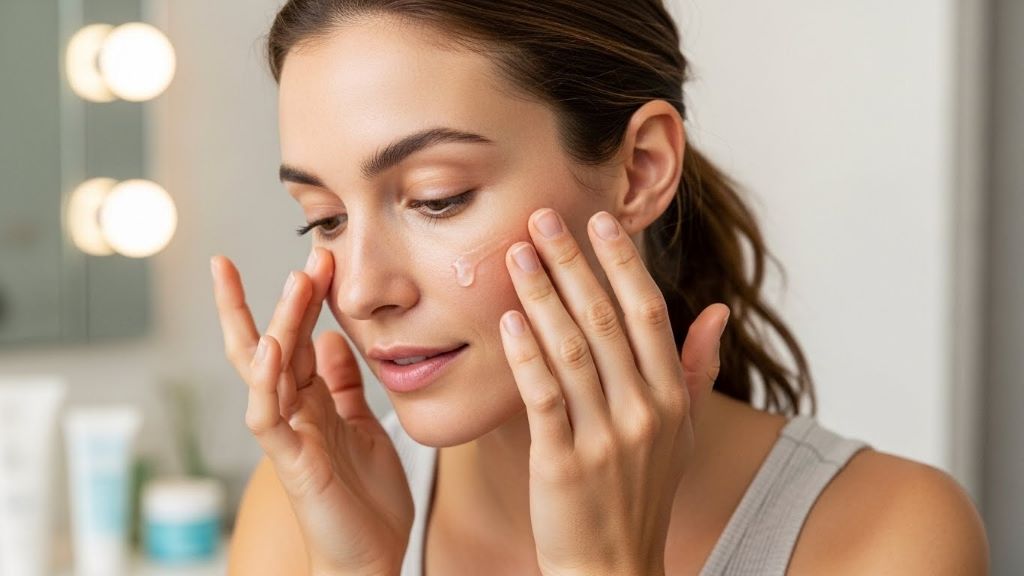
Peptides have become essential ingredients in modern skincare. These powerful compounds work as messengers in your skin, signaling cells to produce collagen and elastin. However, using multiple peptide products together requires strategic planning. Many people wonder about the best approach to maximize benefits without causing irritation. Additionally, combining peptides with other active ingredients demands careful consideration. Just as hosting an Sweet Healthy Living requires thoughtful planning, creating an effective peptide routine needs a well-mapped strategy.
Understanding peptide synergy helps you build a routine that delivers visible results. Different peptides serve unique purposes in skincare. Some focus on wrinkle reduction, while others target firmness or hydration. Therefore, knowing which peptides complement each other becomes crucial for success. Moreover, the order of application significantly impacts how well these ingredients penetrate your skin.
The key to peptide success lies in how to layer peptides for best results. Proper layering ensures each peptide reaches the right skin layer. Furthermore, it prevents ingredient conflicts that could reduce effectiveness. Many skincare enthusiasts make mistakes by applying products randomly. Consequently, they miss out on the full potential of their peptide investments.
Understanding Different Types of Peptides
Peptides come in several categories, each with distinct functions. Signal peptides encourage collagen production and cell renewal. Carrier peptides deliver trace elements like copper to support healing. Neurotransmitter peptides work similarly to Botox, relaxing facial muscles. Enzyme inhibitor peptides slow down the breakdown of collagen.
Palmitoyl peptides represent one popular family of skincare actives. These include palmitoyl tripeptide and palmitoyl pentapeptide. They stimulate collagen synthesis and improve skin texture. Meanwhile, matrixyl peptides focus on reducing fine lines and wrinkles. Copper peptides promote wound healing and possess antioxidant properties.
Each peptide type requires specific conditions to work effectively. Some peptides prefer slightly acidic environments. Others function best at neutral pH levels. Therefore, understanding these requirements helps prevent formulation conflicts. Additionally, certain peptides work synergistically when combined properly.
Creating Your Peptide Layering Strategy
Building an effective peptide routine starts with cleansing. Clean skin absorbs active ingredients more efficiently. After cleansing, apply a pH-balancing toner if needed. This step prepares your skin for the products that follow.
Next, apply your thinnest peptide serum first. Water-based formulas should go on before oil-based products. This follows the general skincare rule of thin to thick. However, pay attention to specific product instructions. Some peptide serums work better when applied to damp skin.
Wait approximately 30 seconds between each peptide layer. This allows partial absorption before adding the next product. Nevertheless, you do not need to wait until products completely dry. According to research from the National Institutes of Health, peptides can penetrate the skin barrier when formulated correctly. The waiting period simply prevents dilution of active ingredients.
Consider your specific skin concerns when choosing peptide combinations. For anti-aging, combine signal peptides with neurotransmitter peptides. For skin repair, pair copper peptides with signal peptides. Additionally, hydrating peptides work well with barrier-supporting ingredients.
Timing and Frequency Considerations
Morning and evening routines may require different peptide approaches. Morning routines should focus on protection and hydration. Use peptides that support skin barrier function. Evening routines can accommodate more intensive repair peptides.
Start with peptides three times per week. This gradual introduction helps your skin adjust. Then, slowly increase frequency as your skin tolerates. Some people eventually use peptides twice daily without issues. However, others find once daily application sufficient.
Monitor your skin’s response throughout this process. Signs of overuse include redness, sensitivity, or breakouts. If these occur, reduce frequency immediately. Furthermore, simplify your routine by removing one peptide product temporarily.
Seasonal changes may also affect peptide tolerance. Winter weather often requires more hydrating peptide combinations. Summer months might call for lighter formulations. Therefore, adjust your routine based on environmental factors.
Combining Peptides with Other Active Ingredients
Peptides generally play well with many skincare ingredients. They combine effectively with hyaluronic acid for enhanced hydration. Niacinamide and peptides create a powerful anti-aging duo. Antioxidants like vitamin C complement peptide functions beautifully.
However, certain combinations require caution. Strong acids like glycolic acid may degrade some peptides. If using both, apply acids first and wait several minutes. Then, apply your peptide products after skin pH normalizes. Alternatively, use acids and peptides at different times of day.
Retinol and peptides can work together with proper spacing. Apply retinol first, wait 20 minutes, then layer peptides. This method prevents potential interactions. Additionally, using a buffer cream between applications helps sensitive skin. Research published by the American Academy of Dermatology suggests that combining anti-aging ingredients strategically improves overall results.
Avoid mixing peptides with strong exfoliants immediately. Physical scrubs or harsh chemical peels may compromise peptide effectiveness. Instead, use exfoliants on alternate days from intensive peptide treatments. This approach maintains skin health while maximizing benefits.

Common Mistakes to Avoid
Many people use too many peptide products simultaneously. This overwhelms the skin and wastes product. Stick to two or three peptide products maximum. Focus on quality over quantity for better results.
Another mistake involves ignoring product pH levels. Peptides function optimally within specific pH ranges. Using highly acidic products immediately before peptides reduces effectiveness. Therefore, always consider the order of your entire routine.
Skipping sunscreen represents a critical error in peptide routines. Peptides encourage cell renewal and collagen production. However, sun damage quickly reverses these benefits. Consequently, always apply broad-spectrum SPF as your final morning step.
Expecting overnight results leads to disappointment and routine abandonment. Peptides require consistent use over several weeks. Most people notice improvements after four to six weeks. Patience and consistency ultimately determine success with peptide skincare.
Monitoring and Adjusting Your Routine
Keep a simple skincare journal to track progress. Note which products you use and any skin changes. This helps identify what works specifically for you. Additionally, take photos monthly to visualize improvements objectively.
Pay attention to texture changes in your skin. Peptides often improve smoothness before visible wrinkles reduce. You might notice enhanced firmness or better hydration first. These subtle changes indicate your routine is working effectively.
Do not hesitate to adjust your routine based on results. If certain peptide combinations cause irritation, simplify your approach. Remove one product at a time to identify culprits. Then, rebuild your routine with compatible options.
Consider consulting a dermatologist for personalized guidance. They can recommend specific peptide combinations for your skin type. Professional advice becomes especially valuable for sensitive or reactive skin. Furthermore, dermatologists can help troubleshoot persistent issues.
Conclusion
Peptide synergy mapping transforms ordinary skincare routines into targeted treatment plans. Understanding different peptide types helps you choose compatible products. Proper layering techniques ensure maximum absorption and effectiveness. Additionally, combining peptides with complementary ingredients amplifies overall benefits.
Success with peptides requires patience, consistency, and strategic planning. Start slowly, monitor your skin’s response, and adjust accordingly. Remember that individual results vary based on skin type and concerns. However, most people experience noticeable improvements with dedicated use.
The investment in quality peptide products pays dividends over time. Your skin becomes firmer, smoother, and more resilient. By following these synergy mapping principles, you create a routine that delivers lasting results. Therefore, take time to build your perfect peptide strategy today.
Frequently Asked Questions
Can I use multiple peptide serums in one routine?
Yes, you can use two to three peptide serums together. Apply them from thinnest to thickest consistency. Wait about 30 seconds between each layer. However, avoid using more than three peptide products at once to prevent overwhelming your skin.
How long does it take to see results from peptides?
Most people notice improvements after four to six weeks of consistent use. Initial changes include better skin texture and hydration. Visible reduction in fine lines typically appears after eight to twelve weeks. Patience and regular application are essential for optimal results.
Should I use peptides in the morning or evening?
You can use peptides both morning and evening. Morning routines benefit from barrier-supporting peptides. Evening applications work well for intensive repair peptides. Start with once-daily use and increase frequency as your skin adjusts.
Do peptides work well with retinol?
Yes, peptides and retinol can complement each other effectively. Apply retinol first, wait 20 minutes, then layer peptides. Alternatively, use them at different times of day. This spacing prevents potential interactions and maintains ingredient effectiveness.
What is the best way to store peptide products?
Store peptide products in cool, dark places away from direct sunlight. Keep containers tightly sealed to prevent oxidation. Some peptide serums benefit from refrigeration. Always check product labels for specific storage instructions from manufacturers.
Related Topics:
Natural Remedies for Cat Allergies: Safe Solutions That Work
Family-Friendly Broken Bow Oklahoma Things to Do You’ll Love