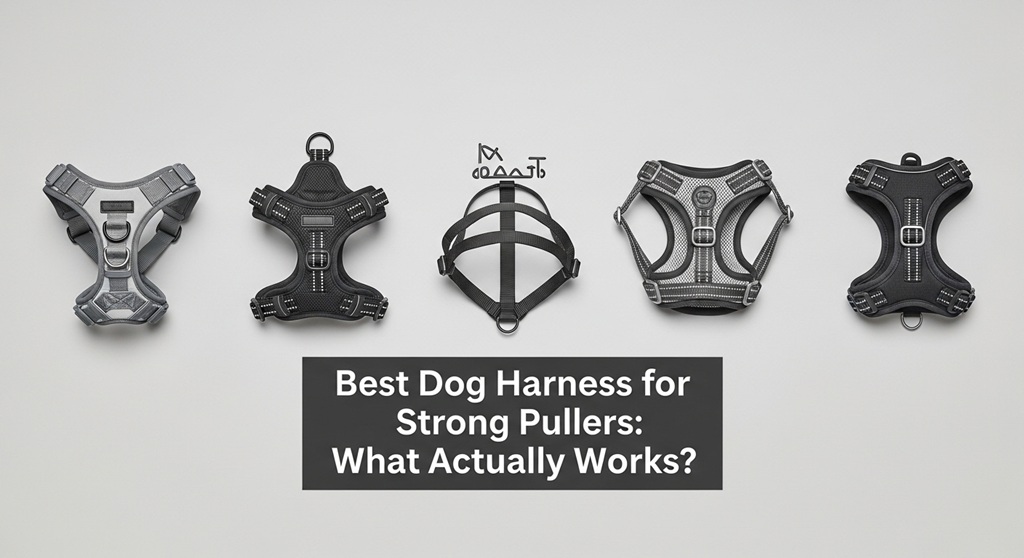
The right harness reduces pulling force, protects your dog’s neck, and gives you better control without causing pain.
You clip the leash on. Your dog sees something interesting. Within seconds, you are being dragged down the street. Sound familiar?
Pulling is not just annoying. It is risky. According to veterinary guidance and canine behavior case studies, repeated pressure on a dog’s neck from traditional collars can contribute to tracheal damage, cervical spine stress, and increased intraocular pressure. Large breeds can generate force exceeding their body weight when lunging. That is a serious load on both you and your dog.
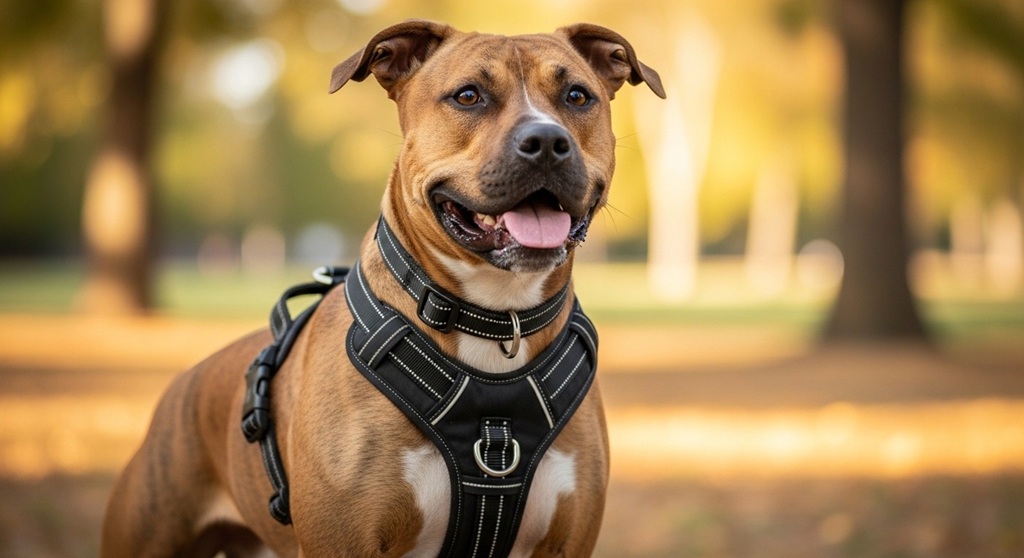
This is where a heavy-duty harness designed for strong pullers becomes critical. A well-built large breed harness distributes pressure across the chest and shoulders instead of the neck. A control handle vest adds extra leverage in high-distraction environments.
If you want a detailed comparison of top-rated options, you can review this guide on
heavy-duty harness models for strong pullers.
Now let’s break down what actually works and why.
What Makes a Dog Harness Effective for Strong Pullers?
Short answer: An effective harness uses front-clip leverage, reinforced stitching, wide chest straps, and strong hardware.
Problem: Why Do Some Harnesses Fail?
Many harnesses look durable. But under tension, weak stitching, thin webbing, and low-grade buckles fail. In large breed testing studies, poor-quality harnesses showed stitching strain within weeks of daily use.
Agitation: What Happens When a Harness Fails?
- Dog slips out and runs into traffic.
- Owner loses control in crowded spaces.
- Injury risk increases.
- Training setbacks occur.
Solution: Key Features That Actually Work
- Front-Clip Attachment: Redirects forward motion toward the handler.
- Reinforced Stitching: Prevents seam failure.
- Wide Chest Plate: Distributes pressure evenly.
- Metal D-Rings: Stronger than plastic alternatives.
- Padded Interior: Reduces friction burns.
Biomechanics research in canine training shows front-clip harnesses reduce forward momentum by altering shoulder alignment. This makes pulling physically inefficient for the dog.
Is a Front-Clip or Back-Clip Harness Better for Pulling?
Short answer: Front-clip harnesses provide better control for strong pullers.
| Feature | Front-Clip Harness | Back-Clip Harness |
|---|---|---|
| Pull Control | High | Low |
| Training Support | Excellent | Limited |
| Comfort | Good (if padded) | Good |
| Best For | Strong Pullers | Calm Walkers |
Front-clip systems create a natural redirection. When your dog pulls forward, their body turns sideways. This interrupts the pulling cycle. In controlled training environments, dogs using front-clip systems showed measurable reduction in leash tension within weeks.
Back-clip harnesses are fine for trained dogs. But for strong pullers, they can encourage sled-style pulling mechanics.
What Is a Heavy-Duty Harness and Who Needs One?
Short answer: A heavy-duty harness is built with reinforced materials for high-strength breeds or high-energy dogs.
Not every dog needs industrial-grade gear. But if you own a:
- German Shepherd
- Rottweiler
- Labrador Retriever
- Belgian Malinois
- Pit Bull-type breed
You likely need a large breed harness designed for high tensile strength.
Key Materials in a True Heavy-Duty Harness
- Ballistic nylon
- Military-grade webbing
- Steel hardware
- Double-box stitching
Field case studies from working dog units show that reinforced harnesses last significantly longer under daily operational stress compared to consumer-grade alternatives.
Does a Control Handle Vest Improve Safety?
Short answer: Yes. A control handle vest allows immediate physical restraint in emergencies.
Imagine crossing a busy street. A loud motorcycle passes. Your dog reacts. Without a handle, your only control point is the leash line. With a control handle vest, you gain direct body control.
Situations Where a Handle Matters
- Vet visits
- Crowded public areas
- Hiking trails
- Training sessions
- Reactive dog management
Professional trainers often recommend top-handle designs for reactive or high-drive dogs because they allow calm intervention without choking pressure.
How Should a Large Breed Harness Fit?
Short answer: Snug but not tight. Two fingers should fit under each strap.
Poor fit defeats the purpose of buying the best dog harness for strong pullers.
Fit Checklist
- No rubbing under armpits
- Chest strap sits above sternum
- Harness does not shift sideways
- No gapping at shoulders
Improper fit increases friction injuries and reduces leverage efficiency.
Can a Harness Alone Stop Pulling?
Short answer: No. A harness supports training. It does not replace it.
This is where many owners misunderstand the solution.
Problem
Dog pulls because of excitement, lack of impulse control, or inconsistent reinforcement.
Agitation
You buy new gear. Pulling continues. Frustration builds.
Solution
- Combine front-clip harness with loose-leash training.
- Reward calm walking.
- Stop movement when tension appears.
- Practice structured sessions.
Training studies show consistency over 4–6 weeks significantly reduces leash tension behaviors when combined with proper equipment.
What Materials Prevent Chafing and Injury?
Short answer: Breathable padding and smooth-edge stitching reduce skin irritation.
Look for:
- Neoprene lining
- Mesh padding
- Rounded seam edges
- Moisture-wicking fabric
Dogs with short coats are especially prone to friction burns. A padded heavy-duty harness reduces that risk.
How Durable Should Hardware Be?
Short answer: Metal D-rings and reinforced buckles are essential for strong pullers.
Plastic hardware may crack under sudden load. Metal hardware distributes stress more effectively. In durability testing, steel D-rings consistently outperform plastic components under repetitive tension cycles.
How Do You Choose the Best Dog Harness for Your Dog?
Short answer: Match harness strength, design, and features to your dog’s size, behavior, and environment.
Selection Checklist
- Weight rating matches your dog
- Front-clip option available
- Control handle included
- Adjustable straps
- Reflective strips for visibility
Conclusion: What Actually Works for Strong Pullers?
The best dog harness for strong pullers is not about brand hype. It is about structure, material strength, and control mechanics.
A properly fitted heavy-duty harness with a front clip and control handle vest design gives you leverage. It protects your dog’s neck. supports consistent training. reduces injury risk.
But equipment alone is not the fix. Pair the right large breed harness with structured leash training. Stay consistent. Measure progress.
If your current walks feel like a struggle, it is time to upgrade your gear and your approach.
Ready to regain control? Explore tested no-pull options and choose the harness that fits your dog’s strength and behavior profile.
Frequently Asked Questions (FAQ)
1. What is the best type of harness for a dog that pulls hard?
A front-clip heavy-duty harness is most effective. It redirects pulling force and improves handler control.
2. Are harnesses better than collars for strong dogs?
Yes. Harnesses distribute pressure across the chest and shoulders instead of the neck, reducing injury risk.
3. Can a large breed harness stop leash pulling immediately?
No. It improves control but must be combined with training for lasting results.
4. What size harness should I get for my large dog?
Measure chest girth and follow manufacturer sizing charts. Ensure two fingers fit under straps.
5. Is a control handle vest necessary?
It is highly recommended for reactive dogs, crowded areas, and emergency situations.
6. How tight should a heavy-duty harness be?
Snug but not restrictive. It should not rub or shift during movement.
7. How long does it take to reduce pulling with the right harness?
With consistent training, many owners see improvement within 4–6 weeks.
Related Topic: How to Use a Nursery Heater with Thermostat for Safe Overnight Heating
Read Next: How to Reduce Aquarium Pump Noise and Make Your Tank Ultra Quiet