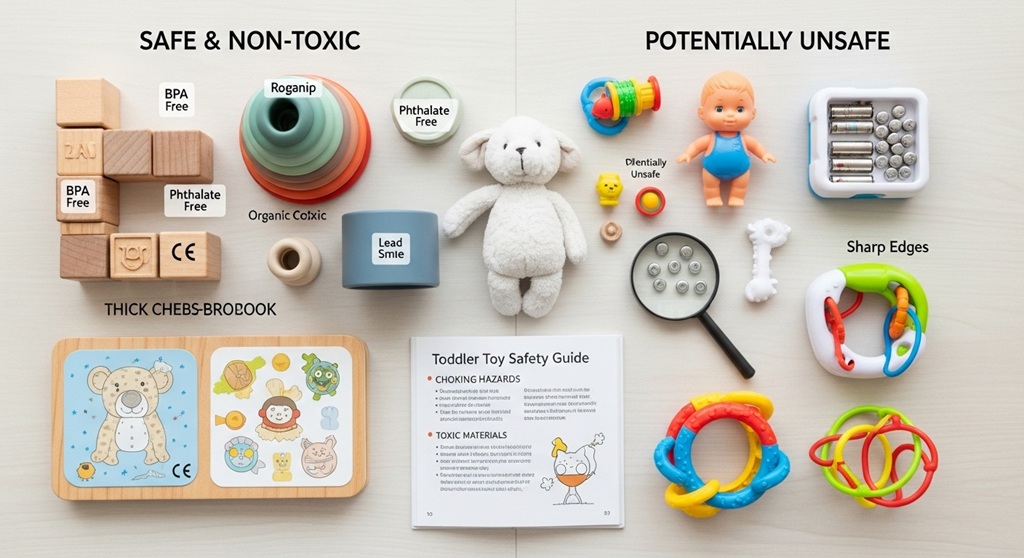
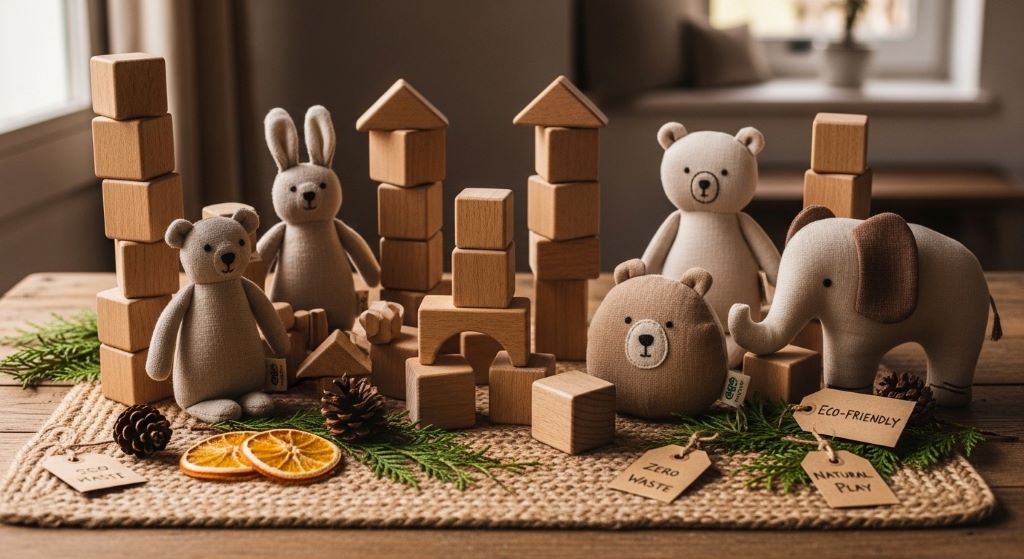
The holiday season brings joy, excitement, and unfortunately, mountains of waste. Wrapping paper, plastic toys, and packaging materials often end up in landfills within days of gift-giving celebrations. However, you can break this cycle by choosing thoughtful, zero waste presents that children will actually love and use.
Selecting sustainable Christmas gifts doesn’t mean sacrificing fun or excitement. In fact, many eco-friendly options provide longer-lasting enjoyment than their conventional counterparts. Children appreciate meaningful experiences and quality items that spark creativity and imagination.
This guide will help you navigate the world of environmentally conscious gift-giving. You’ll discover how to choose presents that align with your values while still bringing smiles to young faces. Let’s explore how to make this holiday season both memorable and kind to our planet.
Understanding What Zero Waste Really Means
Zero waste doesn’t necessarily mean producing absolutely no waste at all. Instead, it’s about minimizing waste as much as possible and ensuring that what you do use can be reused, recycled, or composted. This philosophy encourages thoughtful consumption and extends the life cycle of products.
When applied to gift-giving, zero waste means choosing items with minimal packaging, selecting durable products that won’t quickly break, and considering what happens to the gift after it’s no longer needed. It also involves thinking about the entire production process, from materials used to manufacturing methods.
For children’s gifts specifically, zero waste choices often prove more valuable than conventional options. Kids grow quickly and their interests change rapidly. Therefore, selecting versatile items that can be passed down, repurposed, or returned to nature makes practical sense beyond environmental benefits.
Why Traditional Gifts Create So Much Waste
Understanding the problem helps motivate better solutions. Traditional holiday shopping generates enormous amounts of waste through multiple channels. Plastic packaging protects products during shipping but serves no purpose once opened. Most of it cannot be recycled and persists in the environment for hundreds of years.
Many popular toys contain mixed materials that make recycling impossible. When these items break or children outgrow them, they go straight to landfills. Additionally, cheap manufacturing often means short product lifespans, creating a cycle of buying and discarding.
Wrapping paper adds another layer of waste. Glossy, glittery, or metallic papers cannot be recycled. Even plain paper becomes contaminated with tape and other materials, making recycling difficult. Americans throw away approximately 25 percent more trash during the holiday season compared to other times of year.
The carbon footprint of manufacturing, shipping, and disposing of these items also contributes to environmental damage. Products traveling across the globe consume fossil fuels and generate emissions. Therefore, reconsidering our gift choices can have a significant positive impact.
Experiences Make Memorable Gifts
One of the best zero waste options involves giving experiences rather than physical items. Experiences create lasting memories without adding clutter to homes or waste to landfills. Children often remember special outings and activities far longer than they remember individual toys.
Consider tickets to museums, zoos, aquariums, or science centers. These educational experiences spark curiosity and provide opportunities for family bonding. Many institutions offer annual memberships that provide value throughout the year, encouraging repeated visits and continued learning.
Classes and lessons make excellent gifts for children with specific interests. Art classes, music lessons, swimming instruction, or sports programs help kids develop skills while staying active and engaged. These gifts support personal growth and provide structure that many children thrive on.
Adventure experiences create excitement and wonder. Think about opportunities like rock climbing sessions, trampoline park visits, pottery workshops, or cooking classes designed for young people. These activities introduce children to new possibilities and might even inspire lifelong passions.
Nature-based experiences connect kids with the outdoors. Camping trips, hiking adventures, beach days, or visits to botanical gardens teach environmental appreciation firsthand. When children spend time in nature, they develop respect for the planet that influences their future choices.
Choosing Durable, Timeless Toys
When physical gifts make sense, selecting high-quality, durable items ensures they last for years. Well-made toys can be passed down to younger siblings, cousins, or friends, extending their useful life and reducing waste. This approach aligns perfectly with green holiday presents philosophy.
Wooden toys represent an excellent sustainable choice. Wood is renewable, biodegradable, and often sourced from responsibly managed forests. Quality wooden toys withstand years of play and develop character over time. Building blocks, puzzles, and pretend play items made from wood encourage imaginative play without batteries or electronic components.
Look for toys made from natural materials like organic cotton, wool, or sustainably harvested wood. These materials break down naturally at the end of their life cycle. Additionally, they’re often safer for young children who put toys in their mouths.
Classic toys remain popular across generations because they work. Simple dolls, cars, trains, and construction sets engage children’s creativity rather than doing all the work for them. These open-ended toys grow with children, remaining interesting as kids develop new play patterns.
Avoid toys with excessive electronic components. Batteries create waste and devices with circuits cannot be easily recycled. Moreover, electronic toys often have shorter lifespans than simple mechanical or unpowered alternatives. When they break, they’re difficult or impossible to repair.
Supporting Local Artisans and Makers
Purchasing from local crafters reduces transportation emissions while supporting your community. Handmade items typically come with minimal packaging and carry stories that mass-produced products lack. Children appreciate knowing someone made their gift specifically for them.
Visit local craft fairs, farmers markets, or artisan shops to find unique gifts. Hand-knitted stuffed animals, wooden puzzles, cloth dolls, and handmade books all make wonderful presents. Many crafters happily explain their process and the materials they use, adding educational value to the gift.
Local makers often use sustainable practices and materials. They can tell you exactly where components come from and how items are constructed. This transparency lets you make informed choices aligned with your values. Furthermore, supporting small businesses strengthens local economies.
Custom or personalized items add special meaning. A handmade quilt, embroidered backpack, or carved wooden toy shows thoughtfulness that generic gifts cannot match. Children treasure items made especially for them, taking better care of these special possessions.
Books as Sustainable Gifts
Books provide entertainment, education, and imagination fuel without creating significant waste. They can be read repeatedly, shared with friends, donated to libraries, or passed down through families. Quality children’s literature remains relevant across generations.
Choose books printed on recycled paper with soy-based inks when possible. Many publishers now offer environmentally conscious options. Look for certification labels indicating sustainable forestry practices. Additionally, consider the book’s longevity and whether it contains timeless stories or information.
Used books work wonderfully as gifts. Gently used books cost less and prevent perfectly good items from going to waste. Many independent bookstores sell quality secondhand books alongside new releases. Online marketplaces and thrift stores also offer extensive selections.
Book series provide ongoing engagement. When children love a particular series, they read more enthusiastically and develop stronger literacy skills. Starting a collection gives opportunities for future sustainable gift-giving as new volumes release or you find used copies of subsequent books.
Library memberships represent another book-related gift option. A special library card holder and regular library outings create reading traditions without accumulating books at home. Libraries offer far more than books, including movies, music, games, and educational programs.
Consumable Gifts Kids Actually Want
Consumable gifts get used up completely, leaving no waste behind. However, choosing consumables that children genuinely enjoy requires thoughtfulness. Art supplies, craft materials, and activity kits fit this category perfectly while encouraging creativity.
High-quality art supplies inspire young artists. Professional-grade colored pencils, watercolors, or sketchbooks show you take their creative pursuits seriously. These materials get used completely and help children develop skills. Package them in reusable containers or bags rather than disposable wrapping.
Baking kits with organic ingredients let kids create treats while learning kitchen skills. Include reusable cookie cutters, a durable mixing bowl, or child-safe utensils along with flour, sugar, and other ingredients. The experience of baking together creates memories while the supplies get fully consumed.
Science experiment kits using natural materials combine education with fun. Look for options using household ingredients or natural items that decompose safely. These gifts satisfy children’s curiosity while teaching scientific thinking without generating plastic waste.
Seed packets and gardening supplies help children grow their own plants. Starting a small garden teaches responsibility, patience, and where food comes from. The packaging is minimal, and everything either gets planted or used up completely. This gift literally grows with the child.
Secondhand and Vintage Treasures
Buying secondhand keeps items out of landfills while often providing better quality than new budget options. Many children don’t know or care whether toys are new. They simply want something fun to play with. Vintage toys often feature superior construction compared to modern equivalents.
Thrift stores, consignment shops, and online marketplaces offer extensive selections. You can find like-new items at fraction of original prices. Inspect items carefully for safety, checking for loose parts, sharp edges, or recalled models. Clean and sanitize secondhand toys before gifting.
Vintage games and puzzles often become family favorites. Classic board games teach strategy and social skills while providing screen-free entertainment. Puzzles develop spatial reasoning and patience. Many of these items were built to last and remain in excellent condition decades later.
Clothing makes practical secondhand gifts for growing children. Kids outgrow clothes quickly, meaning gently used items often show minimal wear. High-end brands found secondhand provide quality that lasts through multiple children. Additionally, normalizing secondhand clothing helps children develop healthy attitudes about consumption.
Minimalist Wrapping Solutions
How you present gifts matters as much as what’s inside. Traditional wrapping paper creates unnecessary waste, but several alternatives work beautifully while supporting zero waste goals. These options often look more elegant than conventional wrapping.
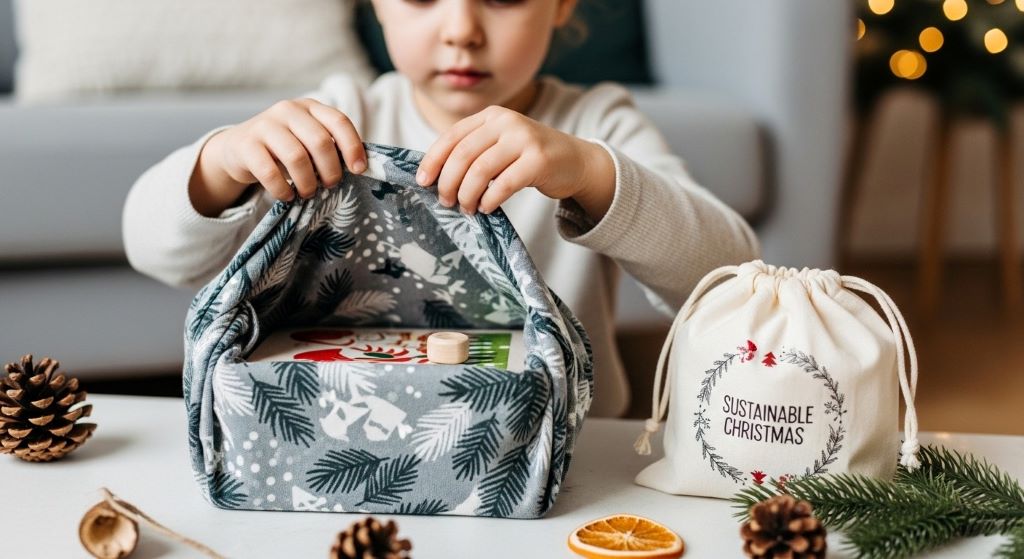
Fabric wrapping using techniques like Furoshiki creates beautiful, reusable gift wrap. Square fabric pieces can wrap items of various sizes and shapes. Recipients can use the fabric for other purposes afterward, making it part of the gift. Choose organic cotton or linen in patterns children enjoy.
Brown paper tied with natural twine offers simple, classic presentation. Children can decorate plain paper with stamps, drawings, or stickers, making the wrapping process part of the fun. Brown paper can be recycled or composted if it doesn’t have excessive decorations.
Reusable gift bags eliminate wrapping entirely. Stock up on cloth bags in various sizes that can be used year after year. These bags work for birthdays, holidays, and other celebrations. Choose fun patterns that appeal to children of different ages.
Newspaper comics make colorful, free wrapping paper. The bright colors and funny images appeal to kids while giving old newspapers new purpose. This option particularly suits irregularly shaped items that are difficult to wrap neatly in conventional paper.
Container-based wrapping turns packaging into part of the gift. Place small items inside reusable lunch boxes, storage bins, or baskets that children can use afterward. This approach eliminates separate wrapping while providing additional useful items.
Teaching Kids About Sustainability
Involving children in sustainable gift choices helps them understand environmental impact. Kids capable of understanding waste concepts often become enthusiastic participants in reducing it. This education shapes their future decision-making and consumption habits.
Explain why you’re choosing certain gifts without lecturing. Simple statements like “this toy is made from wood that will last a long time” or “we’re using fabric instead of paper so we can use it again” plant important seeds. Children absorb these lessons and often remind adults about sustainable choices later.
Let older children participate in selecting gifts for siblings or friends. Discuss options together, weighing factors like durability, materials, and packaging. This involvement teaches critical thinking about purchases and demonstrates that thoughtful giving requires planning and consideration.
Encourage children to give experiences or handmade gifts to others. Kids can create art, bake treats, or offer services like helping with chores. These gifts teach that presents don’t need to be purchased and that time and effort hold significant value.
Create family traditions around sustainable celebrations. Perhaps you always make ornaments together, bake specific treats, or take a special hike. These traditions reduce emphasis on material gifts while creating meaningful shared experiences that children cherish.
Building a Sustainable Gift Registry
When others ask what your children want, guide them toward sustainable options. Creating a wish list or registry helps well-meaning relatives and friends give appropriate gifts aligned with your values. This approach prevents unwanted items while maintaining gift-giving traditions.
Include specific examples of acceptable gifts. Mention preferred brands, materials, or types of items. Provide links to products or stores you support. The more specific you are, the easier you make sustainable giving for others.
Suggest contributions to experience funds rather than physical items. Perhaps grandparents could contribute toward season passes, lessons, or a special trip. This approach gives them the satisfaction of giving while supporting experiences over stuff.
Request that gifts arrive without excessive packaging. Politely explain your zero waste goals and ask gift-givers to skip wrapping or use sustainable alternatives. Most people appreciate clear guidance and happily accommodate reasonable requests.
Emphasize quality over quantity. Let gift-givers know that one meaningful, well-made item means more than multiple cheap toys. This message helps shift cultural norms around holiday gift-giving toward more sustainable practices.
Conclusion
Choosing zero waste holiday gifts for kids requires thoughtfulness but offers rewarding benefits. Sustainable Christmas gifts and green holiday presents don’t sacrifice joy or excitement. Instead, they often provide more meaningful, longer-lasting enjoyment than conventional alternatives.
Focus on experiences that create memories, durable items that last for years, and consumables that get fully used. Support local makers, consider secondhand treasures, and wrap thoughtfully using reusable materials. These choices reduce environmental impact while teaching children valuable lessons about consumption and care for our planet.
Remember that perfect shouldn’t be the enemy of good. Every sustainable choice makes a difference, even if you cannot eliminate all waste immediately. Start with one or two changes this year and build from there. Your efforts model environmental responsibility for the next generation.
By approaching holiday gift-giving with intention and creativity, you demonstrate that celebration and sustainability can coexist beautifully. The true spirit of the season shines through in thoughtful giving that considers both recipients and our shared environment.
Frequently Asked Questions
What if my child specifically asks for a plastic toy?
Listen to their request and look for sustainable alternatives that serve the same purpose. If they want a specific character or theme, seek versions made from better materials or consider experience gifts related to that interest. Sometimes you can find secondhand versions of exactly what they want. Explain your reasoning in age-appropriate terms and involve them in finding solutions.
Are expensive sustainable gifts worth it compared to cheaper conventional options?
Quality sustainable items typically last much longer than cheap alternatives, making them more cost-effective over time. A well-made wooden toy survives multiple children, while plastic versions often break within months. Additionally, considering environmental costs beyond price tags reveals the true value of sustainable choices. Start with one quality gift rather than multiple cheap items.
How do I handle relatives who ignore my sustainability preferences?
Communicate clearly but kindly about your values and reasons. Provide specific alternatives and make sustainable giving easy for them. Thank them graciously for any gifts received, then quietly donate or rehome items that don’t fit your criteria. Focus on teaching your children gratitude while maintaining your principles. Change often happens gradually through consistent modeling.
Can zero waste gifts really compete with flashy electronic toys?
Children often prefer simple toys that engage their imagination over electronic gadgets. Research shows open-ended toys sustain interest longer than single-purpose electronic items. The initial excitement of flashy toys fades quickly, while quality classics remain favorites for years. Focus on what provides lasting value rather than immediate wow factor.
What’s the best age to start zero waste gift-giving?
Start immediately, regardless of children’s ages. Babies and toddlers don’t know the difference between new and secondhand or sustainable versus conventional. Establishing sustainable practices from the beginning creates normal expectations. Older children can participate in discussions and decisions, making it a learning opportunity. It’s never too late to begin making better choices.
Related Topics:
Gift Ideas for the Woman Who Has Everything
Evolution of Rooftop Architectural Features in New York