
What Is Metal Roof Maintenance and Why Does It Matter?
Metal roof maintenance is the process of regularly inspecting, cleaning, repairing, and protecting a metal roofing system to extend its lifespan and prevent costly damage.
Metal roofs are known for durability. Many last 40–70 years. But that lifespan is not automatic. Lack of maintenance leads to corrosion, loose fasteners, leaks, and early replacement.
This is the problem most property owners face. They invest in a metal roof expecting zero upkeep. Years pass. Small issues grow unnoticed. Then a leak appears, insulation gets wet, and repair costs jump fast.
The agitation is real. According to industry case studies from commercial roofing associations, minor roof issues left unchecked can increase repair costs by 4–5x compared to early maintenance fixes.
The solution is simple and proven. A structured, routine metal roof maintenance plan. This guide explains how to maintain a metal roof properly using practical steps, factual data, and real-world maintenance practices that work.
How Often Should You Inspect a Metal Roof?
Short answer: Inspect a metal roof at least twice a year and after major weather events.
Regular inspections catch problems early. Most manufacturers and roofing case studies recommend inspections in spring and fall.
Why biannual inspections work
- Spring checks reveal winter-related stress
- Fall inspections prepare the roof for heavy rain or snow
- Post-storm inspections catch hidden impact damage
In a commercial case study published by a U.S. facilities management group, buildings with scheduled biannual roof inspections reduced leak-related repairs by over 60% in five years.
Inspection does not always require walking on the roof. Visual checks from ground level, binocular inspections, and drone surveys are now common and effective.

What Should You Look for During Metal Roof Inspections?
Short answer: Look for corrosion, loose fasteners, damaged panels, sealant failure, and drainage problems.
Key inspection points
- Rust or oxidation on panels and seams
- Loose, missing, or backed-out fasteners
- Cracked or dried sealant around penetrations
- Dented panels from hail or debris
- Clogged gutters or downspouts
Fastener failure is one of the most common metal roof issues. Thermal expansion and contraction cause screws to loosen over time.
According to roofing maintenance reports, over 70% of metal roof leaks originate from fastener or penetration points, not panel failure.
How Do You Clean a Metal Roof Safely?
Short answer: Clean a metal roof using low-pressure water, mild detergent, and soft tools.
Cleaning is not just about appearance. Dirt, algae, and debris trap moisture. That moisture accelerates corrosion.
Safe metal roof cleaning steps
- Use a garden hose or low-pressure washer
- Apply mild soap or manufacturer-approved cleaner
- Use soft brushes or cloths only
- Rinse thoroughly to avoid residue
In a coastal building maintenance study, metal roofs cleaned annually showed 30–40% less surface corrosion compared to roofs left untreated for five years.
How Do You Prevent Rust and Corrosion on a Metal Roof?
Short answer: Prevent rust by maintaining protective coatings, fixing scratches early, and controlling moisture.
Most metal roofs are coated with protective finishes like galvanized zinc or painted systems. These coatings wear over time.
Proven corrosion prevention methods
- Touch up scratches immediately with manufacturer-approved paint
- Keep gutters and valleys clear
- Ensure proper attic ventilation
- Repair standing water areas quickly
Even small scratches expose bare metal. In industrial case data, untreated scratches developed visible rust within 6–12 months in humid climates.
Moisture control is equally critical. Poor drainage increases corrosion risk regardless of coating quality.
How Should Fasteners and Screws Be Maintained?
Short answer: Tighten, replace, and reseal fasteners regularly to prevent leaks.
Fasteners expand and contract with temperature changes. Over time, they back out.
Fastener maintenance checklist
- Check screw tension during inspections
- Replace stripped or rusted screws
- Use oversized fasteners where needed
- Ensure neoprene washers are intact
Washer failure is common after 10–15 years. Once washers crack, water enters the fastener hole.
A documented warehouse maintenance program showed that proactive fastener replacement extended roof service life by nearly 12 years.
How Do You Maintain Sealants and Flashing on a Metal Roof?
Short answer: Inspect sealants annually and reapply when cracking or separation appears.
Sealants protect joints, penetrations, and transitions. They degrade faster than metal panels.
Areas where sealant failure is common
- Vents and skylights
- HVAC penetrations
- Ridge caps and edge details
- Wall-to-roof transitions
Field data from commercial roofing audits shows sealant failure accounts for nearly 35% of early metal roof leaks.
Always use sealants compatible with metal roofing systems. Mismatched products fail quickly.
Can Coatings Extend the Life of a Metal Roof?
Short answer: Yes. Roof coatings can add 10–20 years when applied correctly.
Elastomeric and silicone coatings restore weather resistance and reflect heat.
| Coating Type | Typical Lifespan Added | Best Use Case |
|---|---|---|
| Acrylic | 10–15 years | Mild climates |
| Silicone | 15–20 years | High moisture areas |
| Polyurethane | 15–20 years | High-traffic roofs |
In a retail chain case study, applying silicone coatings reduced annual roof repair expenses by 45% across 10 locations.
What Maintenance Mistakes Shorten Metal Roof Lifespan?
Short answer: Ignoring inspections, improper repairs, and walking on panels incorrectly.
Common mistakes to avoid
- Skipping routine inspections
- Using incompatible sealants
- Allowing untrained foot traffic
- Ignoring minor leaks
Improper foot traffic causes panel distortion. Over time, this leads to seam separation.
Maintenance records show roofs with unregulated access experience nearly double the repair frequency.
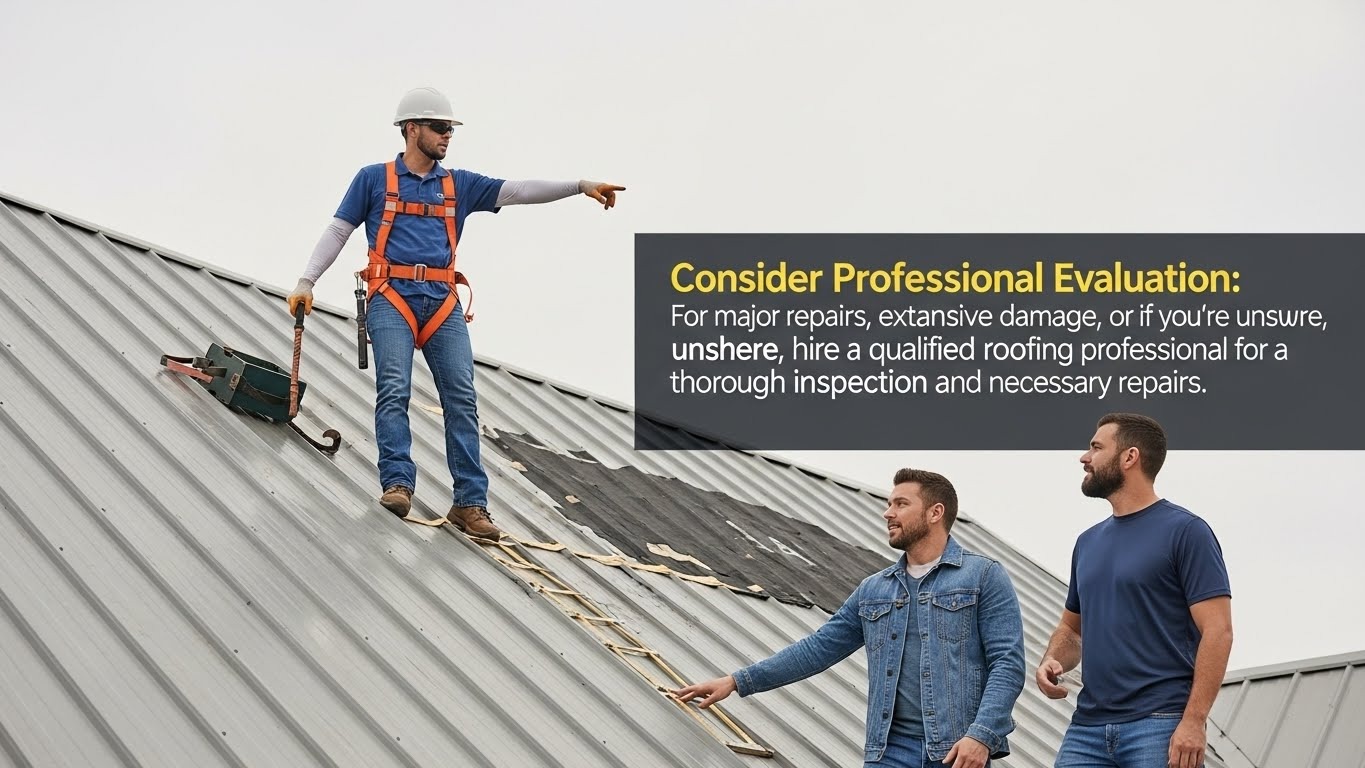
Should You Hire a Professional for Metal Roof Maintenance?
Short answer: Yes, for detailed inspections and repairs.
Basic cleaning can be DIY. Technical inspections should be handled by trained professionals.
Professional roof audits often include moisture scanning and fastener testing that homeowners cannot perform.
Facilities that used annual professional inspections reduced emergency roof repairs by over 50% within three years.
Conclusion: How Do You Protect Your Metal Roof Long Term?
Metal roofs are long-term assets. But only when maintained properly.
Ignoring metal roof maintenance leads to leaks, corrosion, and shortened lifespan. The data is clear. Regular inspections, proper cleaning, fastener care, and sealant maintenance prevent most failures.
Whether residential or commercial, a proactive approach costs less than reactive repairs. Even simple steps like seasonal inspections and debris removal make a measurable difference.
Call to Action: If you want your metal roof to last decades, start a maintenance plan today. Schedule an inspection, document findings, and address small issues before they grow. Long-term performance depends on what you do now.
Frequently Asked Questions About Metal Roof Maintenance
How long does a metal roof last with proper maintenance?
With proper maintenance, metal roofs typically last 40–70 years. Some coated systems exceed this range.
Is metal roof maintenance expensive?
No. Routine maintenance costs far less than major repairs or early replacement.
Can you pressure wash a metal roof?
Low-pressure washing is safe. High-pressure washing can damage seams and coatings.
Do metal roofs need repainting?
Yes. Repainting or recoating restores protection and appearance after years of exposure.
What causes most metal roof leaks?
Loose fasteners, failed sealants, and penetration points cause most leaks.
Can walking on a metal roof cause damage?
Yes. Improper walking can dent panels and damage seams.
How do I know if my metal roof needs professional inspection?
If your roof is over 10 years old or has leaks, professional inspection is recommended.
Related Topics: Why the DEWALT 20V MAX XR Jig Saw is a Top Choice for Woodworkers
Related Topics: Mini But Mighty: Toshiba’s 3-Cup Rice Cooker for Space-Saving Kitchens


