

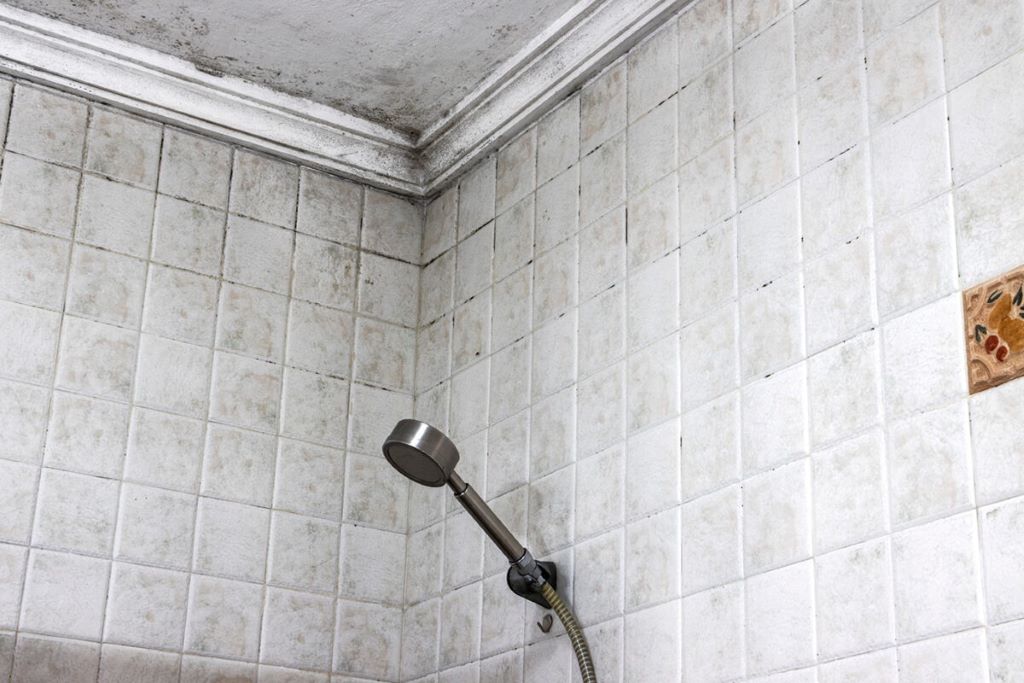
The bathroom, a sanctuary of hygiene and relaxation, can unfortunately become a breeding ground for an unwelcome guest: mold. Those dark, unsightly patches creeping across your ceiling aren’t just an aesthetic nuisance; they pose potential health risks and signal underlying moisture problems. Tackling bathroom ceiling mold requires a thorough understanding of its causes, effective removal methods, and preventative strategies. This comprehensive guide will equip you with the knowledge and tools to reclaim your bathroom’s pristine state and ensure a mold-free environment.
Understanding the Culprit: Why Mold Thrives on Bathroom Ceilings
Mold, a type of fungus, flourishes in damp, poorly ventilated areas. The bathroom, with its constant exposure to steam, humidity, and condensation, provides the perfect conditions for mold spores to germinate and multiply. The most common culprits include:
- Excessive Moisture: Showers, baths, and even handwashing contribute to high humidity levels. Without proper ventilation, this moisture lingers, creating a damp environment conducive to mold growth.
- Inadequate Ventilation: Exhaust fans play a crucial role in removing moist air. If your bathroom lacks an exhaust fan, or if the existing fan is ineffective, humidity will accumulate, leading to mold formation.
- Leaks and Water Damage: Hidden leaks from pipes, roofs, or even adjacent walls can saturate the ceiling material, providing a constant source of moisture for mold to thrive. Water damage following flooding or plumbing issues can also contribute significantly.
- Poor Air Circulation: Blocked vents, cluttered bathrooms, or even tightly closed doors can restrict airflow, trapping moisture and promoting mold growth.
- Organic Materials: Mold feeds on organic materials like dust, soap scum, and the paper backing of drywall. These materials, readily available in bathrooms, provide sustenance for mold colonies.
Identifying the Enemy: Recognizing Different Types of Bathroom Ceiling Mold
Bathroom ceiling mold can manifest in various forms, each with its own characteristics and potential risks. Common types include:
- Black Mold (Stachybotrys chartarum): Often feared due to its potential toxicity, black mold appears as dark, slimy patches. While not all black mold is toxic, it’s crucial to treat any black mold growth with caution and take appropriate safety measures.
- Green Mold (Cladosporium): This mold typically appears as green or brown patches and is commonly found on damp surfaces like bathroom ceilings and tiles.
- White Mold: This mold can appear powdery or cotton-like, often resembling efflorescence (mineral deposits). It can be difficult to distinguish between white mold and efflorescence without testing.
- Pink Mold (Serratia marcescens): While technically a bacterium, pink mold thrives in damp environments and can appear as slimy pink or orange patches on bathroom surfaces.
The Removal Arsenal: Effective Mold Removal Methods
Before embarking on mold removal, prioritize your safety. Wear protective gear, including gloves, a mask, and eye protection, to prevent exposure to mold spores. Ensure adequate ventilation by opening windows and running the exhaust fan.
-
DIY Mold Removal (For Small, Non-Toxic Mold Growth):
- Vinegar Solution: White vinegar’s acidic nature makes it an effective mold killer. Mix equal parts vinegar and water in a spray bottle and apply the solution to the affected area. Let it sit for an hour, then scrub with a sponge or cloth and rinse with clean water.
- Baking Soda Paste: Baking soda is a natural disinfectant and deodorizer. Create a paste by mixing baking soda with water and apply it to the moldy area. Let it dry, then scrub and rinse.
- Tea Tree Oil Solution: Tea tree oil is a potent antifungal agent. Dilute a few drops of tea tree oil in water and spray the solution onto the moldy area. Let it sit for an hour, then wipe clean.
-
Bleach Solution (Use with Caution):
- Dilution: Mix one part bleach with ten parts water.
- Application: Spray the solution onto the moldy area, ensuring thorough coverage.
- Ventilation: Ensure excellent ventilation to minimize exposure to bleach fumes.
- Rinsing: Rinse the treated area with clean water after an hour.
Important Note: Bleach is effective at killing surface mold, but it doesn’t address the underlying moisture problem. It’s also not effective on porous surfaces, as it cannot penetrate the mold’s roots. Never mix bleach with ammonia, as this can create toxic fumes.
-
Professional Mold Remediation (For Large Infestations or Toxic Mold):
For extensive mold growth, particularly black mold, or if you experience persistent symptoms like respiratory problems, consult a professional mold remediation specialist. These experts have the necessary training, equipment, and safety protocols to handle mold removal safely and effectively. They can also identify and address the underlying moisture issues to prevent recurrence.
Preventing the Recurrence: Long-Term Strategies for a Mold-Free Bathroom
Removing mold is only half the battle; preventing its return is crucial. Implement these strategies to maintain a mold-free bathroom:
- Maximize Ventilation: Always run the exhaust fan during and after showers or baths. If your bathroom lacks an exhaust fan, consider installing one. Open windows whenever possible to improve air circulation.
- Control Humidity: Keep the bathroom door ajar after showering to allow moisture to dissipate. Use a dehumidifier to further reduce humidity levels.
- Fix Leaks Promptly: Address any leaks or water damage immediately to prevent moisture buildup. Regularly inspect plumbing fixtures and the ceiling for signs of leaks.
- Clean Regularly: Regularly clean bathroom surfaces, including the ceiling, to remove dust, soap scum, and other organic materials that mold feeds on.
- Use Mold-Resistant Products: Consider using mold-resistant paint or drywall in the bathroom to create a less hospitable environment for mold growth.
- Improve Airflow: Avoid overcrowding the bathroom with clutter that can restrict airflow. Ensure vents are clear and unobstructed.
- Regular Inspections: Routinely inspect your ceiling, especially after a long shower or bath. Look for any new mold growth or signs of water damage.
Popular FAQs on Bathroom Ceiling Mold Removal:
Q: Is bathroom ceiling mold dangerous?
A: Some types of mold, like black mold, can produce toxins that pose health risks, particularly for individuals with allergies or respiratory conditions. Even non-toxic mold can irritate the eyes, skin, and respiratory system.
Q: Can I just paint over the mold?
A: Painting over mold will not eliminate it. The mold will continue to grow beneath the paint, and the problem will persist.
Q: How do I distinguish between mold and efflorescence?
A: Mold typically appears as dark, fuzzy, or slimy patches, while efflorescence is a white, powdery, crystalline substance. A simple test is to spray the affected area with water. Mold will usually smear or discolor, while efflorescence will dissolve.
Q: Can I use essential oils to prevent mold growth?
A: Some essential oils, like tea tree oil and clove oil, have antifungal properties. You can dilute a few drops in water and spray the solution onto bathroom surfaces as a preventative measure.
Q: How often should I clean my bathroom ceiling?
A: Cleaning your bathroom ceiling every few months can help prevent mold growth. More frequent cleaning may be necessary in bathrooms with high humidity levels.
Q: When should I call a professional mold remediation specialist?
A: Call a professional if you have a large mold infestation, if you suspect black mold, or if you experience persistent health problems related to mold exposure.
Q: Are there mold resistant exhaust fans?
A: Many quality exhaust fans will exhaust the humid air appropriately. A good fan that properly ventilates will be enough. Ensure that the proper size exhaust fan for your bathroom, is being used.
Q: Does steam cleaning kill mold?
A: Steam cleaning with high enough heat levels, will kill surface level mold, but will not fix the underlying moisture problem.
Q: Can mold grow through paint?
A: Yes, mold can grow through paint, especially if the paint is not specifically formulated to be mold-resistant, or if the underlying moisture problem is not addressed.
By understanding the causes of bathroom ceiling mold, implementing effective removal methods, and adopting preventative strategies, you can maintain a clean, healthy, and mold-free bathroom environment. Remember to prioritize safety during mold removal and seek professional help when necessary.
Read More: 5 Signs You Might Have a Hidden Leak in Your Home