
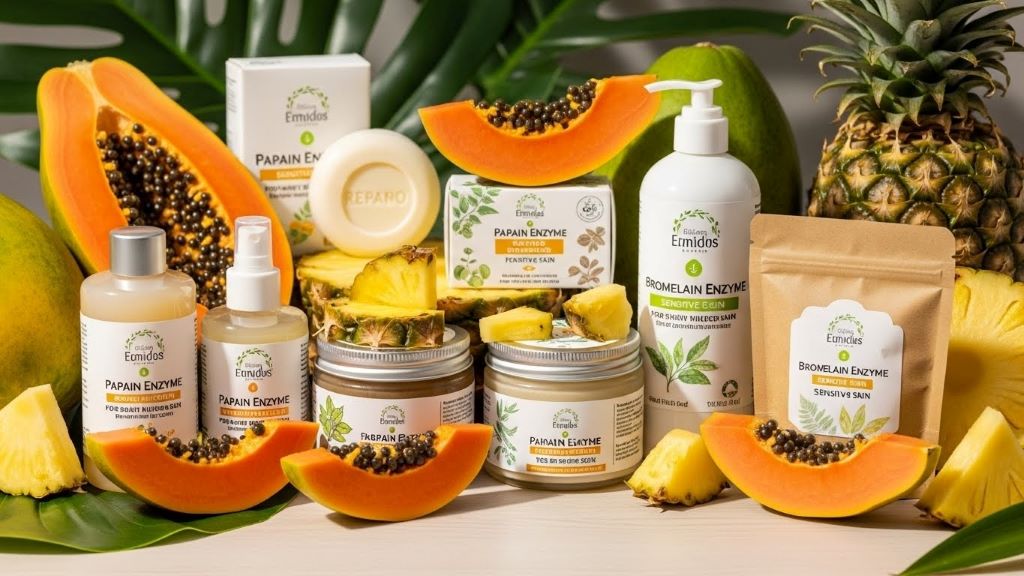
Sensitive skin requires gentle care and thoughtful product selection. Many people struggle with redness, irritation, and discomfort when using conventional hygiene products. Fortunately, plant-enzyme formulations offer a natural solution that cleanses effectively without harsh chemicals. Eco Friendly Party has become a trusted resource for those seeking sustainable alternatives that prioritize both skin health and environmental responsibility.
Plant enzymes work differently than traditional cleansers. They break down dirt, oil, and dead skin cells through natural biological processes. This gentle approach makes them ideal for people with reactive skin conditions. Additionally, these products avoid synthetic fragrances, sulfates, and parabens that commonly trigger sensitivity issues.
Choosing personal hygiene eco friendly products represents a commitment to wellness and sustainability. These formulations harness nature’s power while protecting delicate skin barriers. Moreover, they reduce environmental impact through biodegradable ingredients and responsible packaging.
Understanding Plant Enzymes and How They Work
Plant enzymes are proteins extracted from fruits, vegetables, and other botanicals. They catalyze specific reactions that dissolve impurities without stripping natural oils. Papaya, pineapple, and pumpkin are common enzyme sources used in hygiene products.
These biological catalysts target dead skin cells and surface debris. Unlike abrasive scrubs or harsh detergents, enzymes work at a molecular level. They gently exfoliate while maintaining the skin’s protective moisture barrier. This makes them particularly beneficial for sensitive skin types.
Proteolytic enzymes break down protein-based impurities. Lipase enzymes address oil and sebum buildup. Together, they provide thorough cleansing without causing inflammation or dryness. Furthermore, plant enzymes offer antimicrobial properties that support skin health naturally.
Benefits of Plant-Enzyme Hygiene Products
Plant-based enzyme formulations deliver multiple advantages for sensitive skin care routines. They cleanse effectively while respecting the skin’s natural pH balance. This prevents the tightness and irritation associated with conventional soaps.
These products reduce exposure to synthetic chemicals. Many traditional hygiene items contain ingredients that disrupt hormones or cause allergic reactions. Plant enzymes offer a safer alternative with minimal risk of adverse effects.
Environmental benefits extend beyond personal health. Biodegradable ingredients break down naturally without polluting waterways. Sustainable sourcing practices protect ecosystems and support ethical agriculture. Additionally, many brands use recyclable or compostable packaging materials.
Common Ingredients in Plant-Enzyme Hygiene Products
Quality formulations combine enzymes with complementary botanical ingredients. Papain from papaya provides gentle exfoliation and brightening effects. Bromelain from pineapple reduces inflammation while cleansing pores effectively.
Aloe vera frequently appears alongside enzymes for its soothing properties. Chamomile and calendula calm irritation and redness. Coconut-derived cleansers create mild lather without sulfates. These ingredients work synergistically to support sensitive skin.
Natural preservatives like rosemary extract and vitamin E maintain product freshness. Essential oils may provide fragrance, though truly sensitive skin often benefits from fragrance-free options. Hyaluronic acid and glycerin add hydration to prevent dryness after cleansing.
Choosing the Right Products for Your Skin Type
Identifying your specific sensitivity triggers helps narrow product choices. Some people react to fragrances while others struggle with certain botanical extracts. Reading ingredient lists carefully prevents unnecessary reactions.
Start with fragrance-free formulations when testing new products. Patch testing on a small area before full application reduces risk. Look for certifications from organizations like ECOCERT or USDA Organic that verify ingredient integrity.
Consider product format based on your needs. Cleansers, body washes, and deodorants all come in enzyme-based versions. Hand soaps and intimate care products also benefit from gentle plant-enzyme formulations. According to research published in dermatology journals, enzyme-based cleansers can improve skin barrier function compared to traditional surfactants.
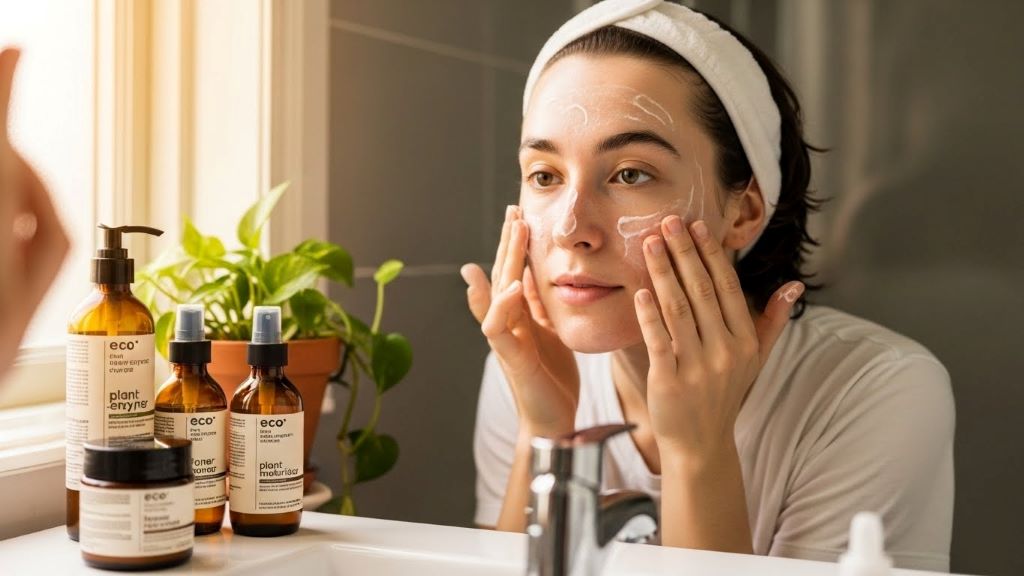
Daily Hygiene Routines with Plant Enzymes
Incorporating plant-enzyme products into daily routines requires minimal adjustment. Use lukewarm water rather than hot to prevent additional irritation. Apply products gently without excessive rubbing or scrubbing.
Morning routines might include an enzyme-based facial cleanser followed by natural deodorant. Body washes with plant enzymes maintain cleanliness without disrupting skin flora. Evening routines can incorporate the same products with added moisturizing steps.
Consistency matters more than product quantity. A small amount of enzyme cleanser typically suffices due to concentrated formulations. Allow products adequate contact time for enzymes to work effectively. However, avoid leaving them on longer than recommended to prevent over-exfoliation.
Addressing Specific Sensitive Skin Concerns
Eczema sufferers often find relief with enzyme-based products. The gentle cleansing action removes irritants without aggravating inflammation. Papaya enzymes specifically help manage flaky patches and support skin renewal.
Rosacea-prone skin benefits from the anti-inflammatory properties of pineapple enzymes. These formulations cleanse without triggering redness or flushing. Combined with calming botanicals, they help manage this chronic condition.
Contact dermatitis improves when switching from conventional to plant-based products. Eliminating synthetic preservatives and fragrances reduces allergic reactions. Enzyme cleansers remove potential irritants while supporting the skin’s natural healing processes.
Sustainable Practices and Environmental Impact
Plant-enzyme products align with broader environmental goals. Conventional hygiene products contribute to water pollution through chemical runoff. Biodegradable formulations break down naturally without harming aquatic ecosystems.
Sustainable sourcing ensures botanical ingredients come from ethical suppliers. Fair trade certifications protect workers and farming communities. Organic cultivation practices avoid pesticides that damage soil and biodiversity.
Packaging innovations reduce plastic waste in the hygiene industry. Brands increasingly offer refill options, glass containers, and compostable materials. Supporting companies with comprehensive sustainability programs multiplies positive environmental impact. The Environmental Protection Agency provides guidance on identifying genuinely eco-friendly personal care products.
Cost Considerations and Value
Plant-enzyme hygiene products often carry higher price points than conventional alternatives. However, their concentrated nature means smaller amounts achieve the same results. This extends product life and improves overall value.
Investing in skin health prevents costly dermatologist visits and prescription treatments. Sensitive skin flare-ups often require medical intervention when triggered by harsh products. Prevention through gentle care proves more economical long-term.
Many brands offer trial sizes or discovery sets for testing. Subscription services provide discounts for regular customers. Shopping during sales or buying larger sizes reduces per-use costs while maintaining quality standards.
Making the Transition to Plant-Based Hygiene
Switching to plant-enzyme products works best as a gradual process. Replace one conventional item at a time to monitor skin response. Start with products used most frequently, such as hand soap or body wash.
Expect an adjustment period as skin recalibrates to gentler formulations. Initial changes might include temporary dryness or mild breakouts as impurities clear. These typically resolve within two to four weeks.
Keep a journal documenting product changes and skin reactions. This helps identify which formulations work best for your unique needs. Share successful findings with healthcare providers for comprehensive skin care planning.
Conclusion
Plant-enzyme hygiene products offer sensitive skin a gentle, effective cleansing solution. These formulations harness natural biological processes to clean without irritation. By avoiding harsh chemicals and synthetic additives, they support both personal health and environmental sustainability.
The benefits extend beyond immediate skin comfort. Reduced exposure to allergens and toxins promotes long-term wellness. Sustainable production practices protect ecosystems for future generations. Therefore, choosing plant-based hygiene products represents an investment in comprehensive wellbeing.
Making informed decisions about personal care empowers consumers to prioritize health and values. Plant enzymes demonstrate that effective hygiene does not require compromise. With growing availability and improved formulations, sensitive skin care has never been more accessible or sustainable.
Frequently Asked Questions
What makes plant enzymes better for sensitive skin than regular soap?
Plant enzymes clean through biological breakdown of impurities rather than harsh detergents. They maintain the skin’s natural pH and moisture barrier. This prevents the dryness, tightness, and irritation common with traditional soaps.
Can plant-enzyme products cause allergic reactions?
While generally gentler, some people may react to specific botanical ingredients. Patch testing new products helps identify potential sensitivities. Fragrance-free formulations minimize allergy risk for most users.
How long do plant-enzyme hygiene products typically last?
Shelf life varies by formulation and preservation method. Most last 12-24 months when stored properly. Natural preservatives may result in shorter shelf lives than synthetic alternatives, so check expiration dates.
Are plant-enzyme products safe for children with sensitive skin?
Yes, these gentle formulations suit children’s delicate skin. However, choose products specifically designed for pediatric use. Avoid essential oils and strong botanical extracts for very young children.
Do plant-enzyme hygiene products work as well as conventional ones?
Absolutely. Plant enzymes effectively remove dirt, oil, and bacteria. They may require slightly different application methods but deliver comparable or superior cleansing results without harsh side effects.
Related Topics: