

Ever felt like your back is carrying the weight of the world? You’re not alone. Back pain can be a real drag, but a back brace can be your knight in shining armor. Let’s dive into how to wear one properly and make the most out of it.
Why Wear a Back Brace?
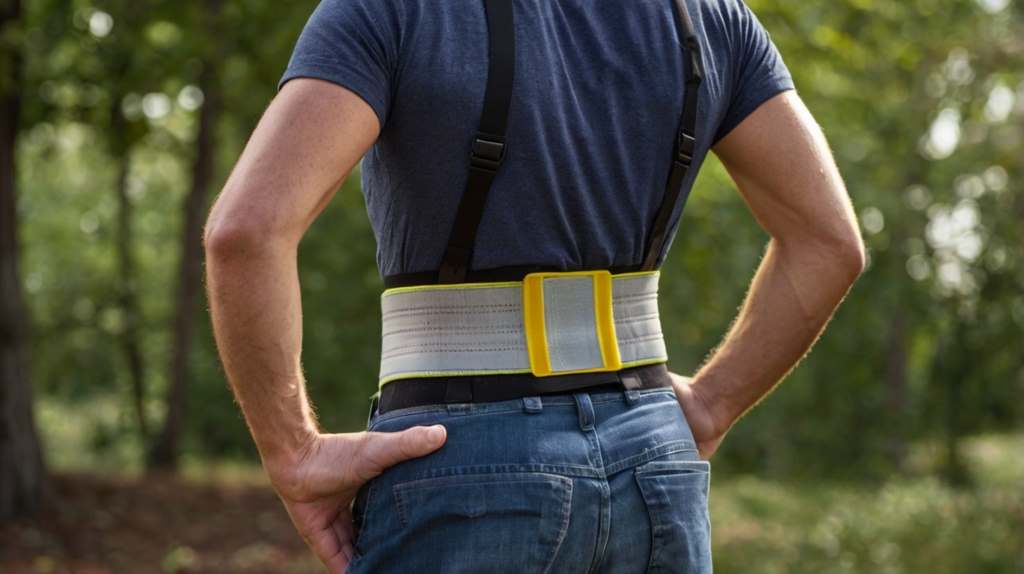
Support and Stability
Think of a back brace as your personal bodyguard. It supports your spine and muscles, keeping everything in line. Whether you’re recovering from an injury or just need some extra support, a back brace can be a game-changer.
Pain Relief
Back pain can feel like a constant nagging reminder of your limits. A back brace helps distribute pressure evenly, reducing strain and providing relief. It’s like having a cushion for your back, making daily tasks more manageable.
Posture Correction
Ever caught yourself slouching? A back brace can help with that too. It encourages proper alignment, reminding you to stand tall and proud. Good posture isn’t just about looking confident; it’s about feeling good too.
Types of Back Braces

Soft Braces
Soft braces are like a gentle hug for your back. They’re flexible and comfortable, perfect for mild support. These are great for everyday use and can be worn under clothes without much fuss.
Rigid Braces
Rigid braces are a heavy-duty option. They provide maximum support and are often used after surgery or for severe conditions. Think of them as the armor for your back, offering robust protection and stability.
How to Wear a Back Brace Properly
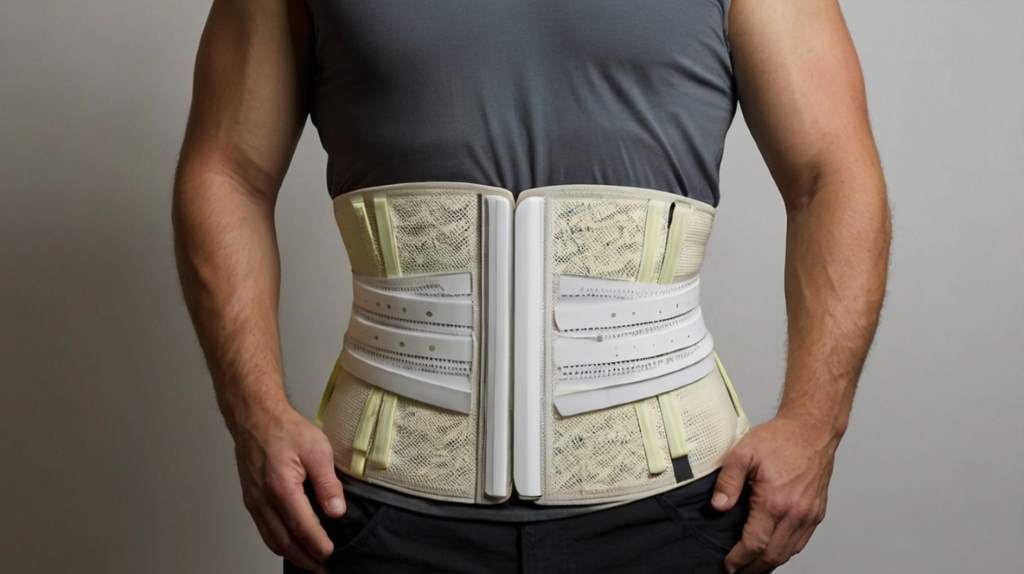
Step 1: Choose the Right Size
First things first, make sure your brace fits. A brace that’s too tight can cause more harm than good, while one that’s too loose won’t provide the support you need. Measure your waist and follow the manufacturer’s sizing guide.
Step 2: Position the Brace Correctly
Wrap the brace around your lower back, with the wings against either side of your torso. The brace should sit snugly on your lower back, not your waist. Imagine you’re putting on a belt but for your back.
Step 3: Secure the Brace
Connect the two ends across your abdomen. Use the pull tabs to adjust the tightness. The brace should be snug but not too tight. You should be able to breathe comfortably without feeling restricted.
Step 4: Adjust for Comfort
Make small adjustments to ensure the brace is evenly snug all around your lower back. Check that it’s not causing any discomfort or rubbing against your skin. If it feels off, take it off and try again.
Tips for Wearing a Back Brace
Wear a Shirt Underneath
Wearing a shirt under your brace can prevent skin irritation. Choose a fitted, soft cotton shirt to minimize friction. A baggy shirt might bunch up and cause discomfort.
Clean the Brace Regularly
Keep your brace clean to avoid skin rashes or lesions. Follow the manufacturer’s cleaning instructions. Regular cleaning helps maintain the brace’s effectiveness and longevity.
Listen to Your Body
Your body knows best. If you feel any pain or discomfort while wearing the brace, take it off and consult your doctor. Wearing a brace improperly can cause more harm than good.
When to Wear a Back Brace

During Physical Activity
If you’re lifting heavy objects or engaging in physical activity, a back brace can provide extra support. It’s like having a spotter at the gym, ensuring you don’t overdo it.
Post-Surgery
After back surgery, a brace can help stabilize your spine and support your recovery. Follow your doctor’s instructions on when and how long to wear it.
Chronic Back Pain
For those with chronic back pain, a brace can offer relief and support. It helps manage pain and allows you to go about your daily activities with less discomfort.
Conclusion
Wearing a back brace properly can make a world of difference. It’s all about finding the right fit, positioning it correctly, and making necessary adjustments. Whether you’re dealing with an injury, recovering from surgery, or just need some extra support, a back brace can be your best friend. Remember, your back is the backbone of your body—take good care of it!