Every dog owner knows that a reliable leash is essential for safe and enjoyable walks. The right leash provides control, ensures safety, and creates positive experiences for both you and your canine companion. However, choosing the perfect leash can feel overwhelming with countless options available in the market today.
A quality leash does more than simply connect you to your dog. It serves as a communication tool, a safety device, and an investment in your pet’s wellbeing. Therefore, understanding what makes a leash durable and functional helps you make informed decisions. This guide walks you through everything you need to know about selecting a leash that withstands daily use.
Understanding Leash Durability and Construction
Durability depends on several key factors working together. The materials used, construction methods, and hardware quality all contribute to how long a leash lasts. Additionally, the specific demands you place on the leash affect its longevity significantly.
Material selection forms the foundation of leash durability. Different materials offer distinct advantages and disadvantages. Nylon provides excellent strength and weather resistance at affordable prices. Leather develops character over time and becomes more comfortable with use. Rope materials offer superior grip and work well in wet conditions. Chain options suit dogs who chew through softer materials.
Construction quality separates premium leashes from budget options. Reinforced stitching at stress points prevents premature failure. Double or triple stitching adds strength where the leash experiences the most tension. Furthermore, sealed edges prevent fraying and extend product life. Quality manufacturers invest in these details because they understand real-world usage demands.
Hardware components require careful evaluation. Clips that attach to collars must withstand constant opening and closing. Cheap plastic clips break easily under stress. Metal clips, particularly those made from zinc alloy or stainless steel, offer superior reliability. Additionally, swivel clips prevent tangling and reduce wear on the leash itself.
Weight ratings provide important guidance for selection. Manufacturers typically specify maximum weight limits for their leashes. Always choose a leash rated well above your dog’s current weight. This accounts for pulling force, which can exceed body weight significantly. Moreover, this safety margin ensures the leash remains reliable even as materials age.
Matching Leash Length to Your Walking Needs
Length dramatically affects your walking experience and control level. Standard lengths serve different purposes and suit various situations. Understanding these differences helps you choose appropriately for your lifestyle.
Four-foot leashes offer maximum control in crowded environments. They keep your dog close during busy street walks or veterinary visits. However, they provide limited freedom for sniffing and exploring. These shorter options work best for training purposes or high-distraction areas.
Six-foot leashes represent the most popular and versatile choice. They balance control with reasonable freedom of movement. Additionally, most training professionals recommend this length for everyday walking. Your dog can explore slightly ahead while you maintain effective communication. This length suits most situations from neighborhood strolls to park visits.
Retractable leashes extend from ten to thirty feet or more. They allow dogs significant exploration range during walks. However, they require responsible handling and work best in open spaces. Furthermore, thin cords on some models can cause injuries if they wrap around limbs. Consider your dog’s training level and walking environment before choosing retractable options.
Long lines ranging from fifteen to fifty feet serve specific training purposes. They enable distance work while maintaining physical connection. These specialized leashes help teach reliable recall commands. Moreover, they allow controlled freedom in safe, open areas. Most dog owners benefit from having one long line for specific training sessions.
Traffic leads measure just twelve to eighteen inches long. These ultra-short options provide temporary close control when needed. They work perfectly for navigating crosswalks or passing other dogs. Additionally, they prevent tangling in tight spaces. Many experienced handlers keep a traffic lead as a supplementary tool.
Material Selection for Different Dogs and Activities
Choosing the right material depends on your dog’s size, behavior, and your typical activities. Each material type offers unique benefits that suit particular situations better than others.
Nylon leashes dominate the market for good reasons. They resist weather damage and dry quickly after wet walks. Additionally, they come in countless colors and patterns to match your style. Nylon works well for most dogs and situations. However, it can cause rope burn if your dog pulls suddenly and the leash slides through your hand.
Leather leashes offer timeless appeal and exceptional comfort. Quality leather softens with use while maintaining strength. Furthermore, it provides excellent grip without causing hand discomfort. Leather suits medium to large dogs who walk calmly. Nevertheless, it requires more maintenance than synthetic materials and costs significantly more initially.
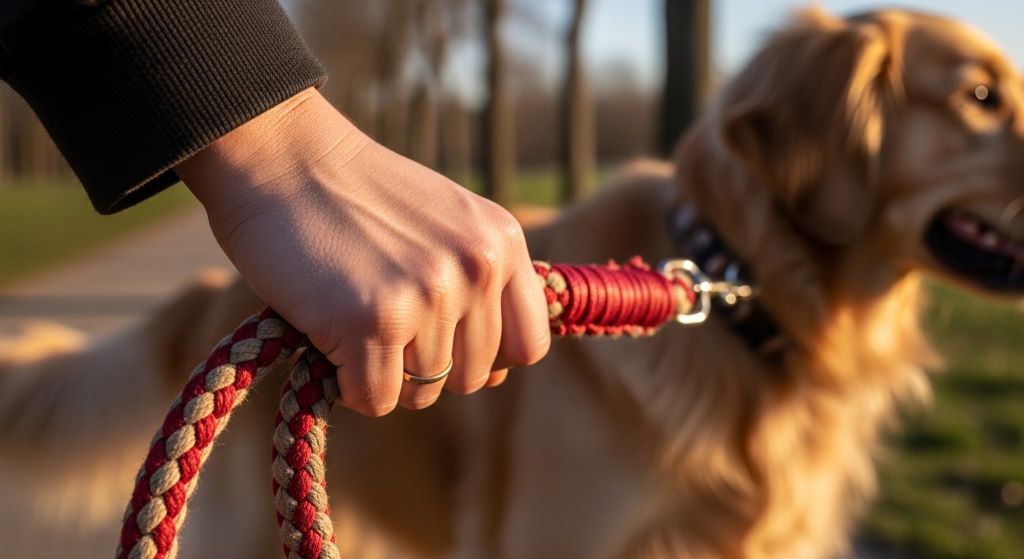
Strong rope leash options provide superior grip in all conditions. Climbing rope materials withstand tremendous force and feel comfortable in your hands. Additionally, rope resists slipping even when wet. These leashes excel for active dogs and outdoor adventures. Mountain climbers and hikers often prefer rope construction for its reliability.
Biothane materials combine the best features of leather and nylon. This synthetic material looks like leather but requires minimal maintenance. It wipes clean easily and resists water, odors, and mildew. Moreover, Biothane maintains flexibility in cold weather when leather stiffens. Active owners appreciate its durability and easy care.
Chain leashes solve specific problems for determined chewers. Metal construction resists even the most persistent teeth. However, chains feel heavy and uncomfortable during long walks. Furthermore, they can damage teeth if dogs mouth them constantly. Use chain leashes only when absolutely necessary for safety.
Bungee or shock-absorbing leashes reduce pulling impact on both ends. Elastic sections cushion sudden movements and protect joints. These work well for dogs still learning loose-leash walking. Additionally, they benefit senior dogs or handlers with joint problems. Nevertheless, they provide less precise control than standard leashes.
Essential Features for Enhanced Functionality
Modern leashes incorporate features that improve daily walking experiences. Understanding these options helps you identify which features match your specific needs.
Padded handles transform comfort during extended walks. Soft neoprene or fleece padding prevents hand fatigue and chafing. This feature particularly benefits handlers of strong pullers. Additionally, padded handles improve grip in wet conditions. Consider this upgrade if you walk your dog for thirty minutes or more daily.
Reflective stitching enhances visibility during low-light conditions. Reflective materials catch headlight beams and alert drivers to your presence. This safety feature proves invaluable for early morning or evening walks. Furthermore, it costs little extra but provides significant peace of mind. Most quality manufacturers include reflective elements as standard features.
Multiple handle positions offer versatility for different situations. A traffic handle near the clip provides quick control when needed. The standard handle gives comfortable walking length. Moreover, some leashes include hand loops at various points along their length. This flexibility helps you adapt to changing circumstances during walks.
Integrated waste bag holders add convenience to your walking routine. Built-in dispensers keep bags accessible when needed. Additionally, they eliminate the need to carry separate bag containers. This thoughtful feature streamlines your walking setup significantly. However, ensure the dispenser doesn’t add excessive bulk or weight.
Detachable sections allow length customization on the go. Some leashes separate into multiple configurations for different uses. You might create a short traffic lead and a standard walking leash from one product. Furthermore, this versatility reduces the number of leashes you need to own. Consider multi-function designs if you walk in varied environments.
Evaluating Hardware Quality and Safety
Hardware components determine whether your leash functions safely and reliably. Poor hardware fails at critical moments, potentially endangering your dog. Therefore, careful evaluation of these elements proves essential.
Clip mechanisms come in several varieties with different strengths and weaknesses. Bolt snaps offer simple, reliable operation with strong holding power. However, they require two hands to operate smoothly. Trigger snaps open easily with one hand but may release accidentally if damaged. Carabiner-style clips provide maximum security but feel bulky. Choose based on your priorities between convenience and security.
Swivel attachments prevent leash twisting during walks. Dogs naturally turn and move in circles while exploring. Without swivels, leashes develop permanent kinks and weak spots. Additionally, swivels allow smoother movement and reduce tangling. Quality swivels rotate freely without resistance or wobbling. Test this function before purchasing if possible.
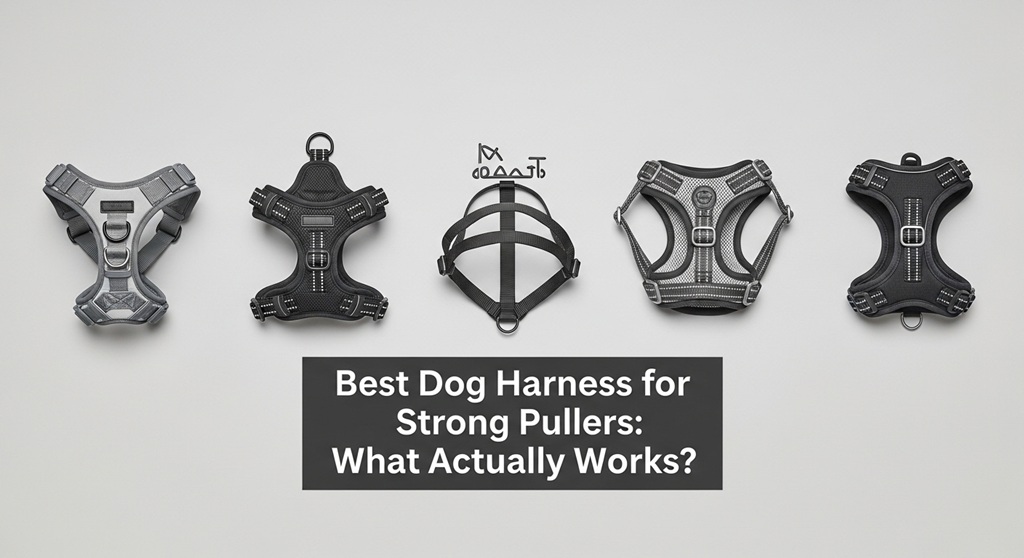
D-ring attachment points enable versatile connection options. Some handlers prefer attaching leashes to harnesses instead of collars. D-rings also allow adding accessories like ID tag holders or lights. Furthermore, reinforced D-rings can serve as temporary tie-out points. However, ensure D-rings are welded closed rather than simply bent metal.
Buckle adjustability helps customize fit and function. Adjustable leashes adapt to different handlers and situations easily. Quick-release buckles enable rapid length changes without complete detachment. Moreover, locking mechanisms prevent accidental adjustment during use. These features add convenience but also introduce additional potential failure points.
Corrosion resistance matters for outdoor dog leash applications and wet climates. Stainless steel hardware resists rust even with frequent water exposure. Brass components also offer good corrosion resistance with attractive appearance. Conversely, cheap zinc-plated steel rusts quickly when exposed to moisture. Invest in quality hardware for leashes used in all weather conditions.

Sizing Considerations Based on Dog Characteristics
Matching leash specifications to your dog’s size and strength ensures safety and effectiveness. Undersized leashes fail under stress while oversized options feel cumbersome and heavy.
Small dogs under twenty pounds need lightweight, comfortable options. Heavy leashes tire small dogs and feel unbalanced. Additionally, thin-diameter materials reduce bulk without sacrificing necessary strength. Quarter-inch to half-inch widths typically suit toy and small breeds perfectly. Furthermore, lightweight clips prevent neck strain on tiny dogs.
Medium dogs between twenty and fifty pounds require moderate strength and width. Half-inch to three-quarter-inch widths provide good balance. These dimensions offer sufficient strength without excessive weight. Additionally, medium dogs benefit from comfortable handle padding since they pull occasionally. Choose materials that withstand moderate stress consistently.
Large dogs from fifty to one hundred pounds demand serious construction. Three-quarter-inch to one-inch widths ensure adequate strength. Furthermore, reinforced stitching becomes critical at this size range. Large dogs generate significant pulling force during excitement or distraction. Therefore, every component must meet higher strength standards. Never compromise on quality for large breed leashes.
Giant breeds exceeding one hundred pounds require specialized equipment. One-inch to one-and-a-half-inch widths distribute force appropriately. Additionally, professional-grade hardware becomes essential for safety. Some giant breeds benefit from dual-clip leashes that attach at two points. This distributes pulling force and improves control. Moreover, consider working with professional trainers to address pulling behaviors.
Strength and energy levels matter as much as size. A fifty-pound energetic retriever needs stronger equipment than a calm seventy-pound senior dog. Assess your individual dog’s behavior when selecting appropriate strength ratings. Additionally, consider worst-case scenarios rather than typical behavior. Your leash must handle occasional squirrel chases or unexpected encounters safely.
Testing and Inspecting Your Leash Regularly
Regular inspection catches wear before it becomes dangerous. Developing a simple checking routine takes minutes but prevents serious problems. Make inspection part of your regular dog care habits.
Visual examination reveals obvious damage quickly. Look for frayed stitching, particularly at stress points near clips and handles. Additionally, check for fabric tears, cracks, or excessive wear spots. Discoloration sometimes indicates material breakdown from sun exposure or chemicals. Replace leashes showing significant visual damage immediately.
Physical testing identifies hidden weaknesses. Tug firmly on clips and stitching to ensure they remain secure. Additionally, run the entire length through your hands feeling for rough spots or thinning. Flex the leash at various points checking for brittleness or cracking. Moreover, operate all moving parts ensuring smooth function. Sticky or grinding hardware needs replacement.
Hardware inspection requires special attention to metal components. Check clips for cracks, bending, or excessive wear on moving parts. Additionally, ensure springs in trigger mechanisms maintain proper tension. Rust, even surface rust, compromises strength and indicates replacement time. Furthermore, examine connection points where metal meets fabric for separation or damage.
Cleaning and maintenance extend leash life significantly. Hand wash leashes periodically with mild soap and cool water. Additionally, allow them to air dry completely before storage. Never use harsh chemicals or machine dryers on leashes. Moreover, condition leather leashes regularly to prevent cracking and maintain suppleness. These simple steps preserve material integrity.
Replacement timing depends on inspection results and usage intensity. Daily walkers should replace leashes annually regardless of visible wear. Additionally, any leash showing concerning damage needs immediate replacement. Never risk your dog’s safety to save money on a new leash. Furthermore, keep a backup leash available for emergencies or while washing your primary leash.
Special Considerations for Training and Behavior
Training goals and behavioral challenges influence optimal leash selection. Different situations require different tools for success. Understanding these relationships improves both training outcomes and daily walking enjoyment.
Puppies need lightweight, simple leashes during early training. Heavy equipment overwhelms small puppies learning leash manners. Additionally, basic designs without complex features reduce confusion. Standard six-foot leashes work perfectly for puppy training. Moreover, inexpensive options make sense since puppies outgrow equipment quickly. However, never sacrifice safety for cost savings.
Reactive dogs benefit from specific leash features that aid management. Brightly colored leashes signal other owners to maintain distance. Additionally, shorter lengths provide better control during potential reactions. Some handlers prefer leashes with traffic handles for quick intervention. Furthermore, comfortable padding becomes crucial since reactive dogs pull more frequently. Consider working with professional trainers to address underlying behavioral issues.
Therapy and service dogs require professional-grade equipment meeting specific standards. These working dogs need absolutely reliable leashes in all situations. Additionally, unobtrusive colors and designs appear more professional. Leather or biothane materials offer appropriate appearance and function. Moreover, many organizations specify exact equipment requirements for their programs. Always verify organizational standards before purchasing.
Multi-dog walking demands specialized equipment for safety and control. Coupler attachments allow walking two dogs on one leash. However, this only works for dogs with similar walking styles. Additionally, some handlers prefer individual leashes for better control. Leash tangles increase with multiple dogs, making proper length selection critical. Furthermore, ensure each leash features easily distinguishable colors or patterns.
Senior dogs often need gentler equipment accommodating physical limitations. Lightweight materials reduce strain on aging bodies. Additionally, shock-absorbing features protect arthritic joints from sudden stops. Shorter lengths prevent seniors from overexerting themselves. Moreover, bright colors help locate senior dogs who wander slowly. Adjust equipment as your dog ages to maintain comfort and safety.
Environmental and Ethical Purchasing Decisions
Responsible consumers consider environmental impact and ethical manufacturing. These factors increasingly influence purchasing decisions across all product categories. Pet supplies are no exception to this growing awareness.
Sustainable materials reduce environmental footprints. Some manufacturers use recycled plastics or organic materials. Additionally, sustainably sourced leather comes from responsible tanneries. Hemp rope offers renewable, biodegradable alternatives to synthetic fibers. Furthermore, these eco-friendly options often match or exceed conventional material performance. Research brands prioritizing environmental responsibility.
Manufacturing practices affect worker welfare and product quality. Companies employing fair labor practices produce superior products. Additionally, ethical manufacturers typically offer better warranties and customer support. Transparency about production locations and conditions indicates responsible business practices. Moreover, supporting ethical companies encourages industry-wide improvements. Consider these factors alongside price and features.
Product longevity represents the most significant environmental consideration. One high-quality leash lasting five years beats five cheap annual replacements. Additionally, durable products generate less waste and consume fewer resources overall. Therefore, investing in quality ultimately benefits both your wallet and the environment. Avoid disposable mentality when purchasing pet equipment.
Repair and upcycling options extend product life creatively. Some leashes allow simple repairs like clip replacement. Additionally, old leashes can become tug toys or tie-downs when walking use ends. Creative repurposing reduces waste while providing utility. Furthermore, some manufacturers offer repair services for premium products. Explore these options before discarding worn equipment.
Local production reduces transportation emissions and supports regional economies. Domestically made products often feature better quality control. Additionally, they typically offer easier warranty service and customer support. However, quality remains paramount regardless of origin. Balance local preferences with performance requirements for optimal decisions.
Conclusion
Selecting a durable dog walking leash requires careful consideration of multiple factors. Material choice, construction quality, hardware reliability, and proper sizing all contribute to leash performance. Additionally, your specific needs based on dog size, behavior, and walking environment guide appropriate selection.
Quality leashes provide safety, control, and communication between you and your dog. They withstand daily use while maintaining comfort for both handler and pet. Furthermore, features like reflective stitching, padded handles, and adjustable lengths enhance functionality significantly. Investment in quality equipment pays dividends through years of reliable service.
Regular inspection and proper maintenance extend leash life and ensure continued safety. Replace worn equipment promptly rather than risking failure at critical moments. Moreover, consider environmental impact and ethical manufacturing when making purchasing decisions. Responsible consumption benefits everyone while meeting your practical needs.
The perfect leash balances durability, comfort, and functionality for your unique situation. Take time to research options and test products when possible. Remember that the best leash keeps your dog safe while making walks enjoyable for everyone involved. Choose wisely and enjoy countless wonderful walks with your canine companion.
Frequently Asked Questions
How often should I replace my dog’s walking leash?
Replace your leash at least once per year with daily use, or sooner if you notice any signs of wear. Check regularly for frayed stitching, cracked materials, or damaged hardware. Additionally, replace immediately if your dog has chewed the leash or if it has been subjected to extreme stress. For occasional walkers, a quality leash may last two to three years with proper care and storage.
What leash length works best for training purposes?
A standard six-foot leash is ideal for most training situations. This length provides enough control for teaching basic commands while allowing your dog some freedom to move. However, specialized training like recall work benefits from longer lines of fifteen to thirty feet. Avoid retractable leashes during training as they make it difficult to maintain consistent communication and control.
Are retractable leashes safe for everyday walking?
Retractable leashes can be safe when used properly in appropriate environments. However, they require responsible handling and work best in open, low-traffic areas. The thin cord can cause injuries if it wraps around limbs, and the mechanism can fail under sudden stress. Additionally, they provide less control in unexpected situations. Many trainers recommend standard leashes for everyday urban and suburban walking.
How can I prevent my dog from chewing through leashes?
Address the underlying cause of chewing through training and environmental management. Never leave your dog unattended with the leash attached. Additionally, provide appropriate chew toys to redirect the behavior. For persistent chewers, chain leashes offer temporary solutions, though they feel heavy and uncomfortable. Work with a professional trainer to resolve chewing behaviors rather than relying solely on chew-proof materials.
What’s the difference between a collar leash and a harness leash?
The attachment point differs rather than the leash itself. Collar leashes attach to traditional neck collars, while harness leashes connect to body harnesses. Most leashes work with both attachment points. However, dogs who pull benefit significantly from front-clip harnesses that redirect pulling force. Additionally, small breeds and dogs with respiratory issues should use harnesses to prevent neck strain and breathing problems.
Related Topics:
Can Dogs Eat Kohlrabi? Unveiling the Surprising Truth
How Odor-Fighting Dog Shampoos Work and Which Ones Are Most Effective