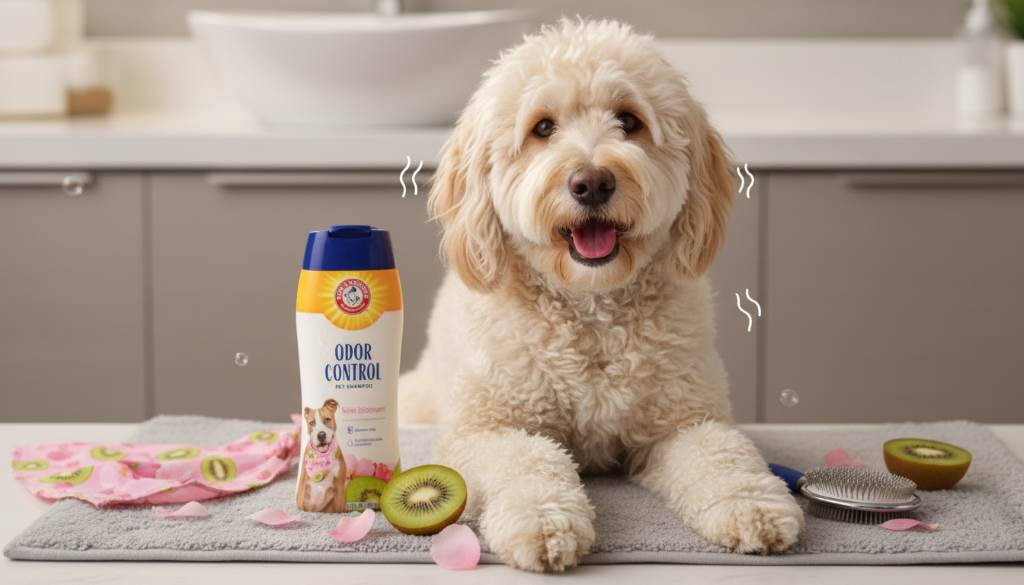
Imagine coming home after a long day, only to be greeted by your furry friend with a not-so-pleasant smell wafting through the air. Dog odors can turn joyful moments into frustrating ones. Many pet owners face this issue daily. Odor-fighting dog shampoos tackle these smells head-on by targeting their root causes. These products clean deeply and neutralize odors effectively. According to the American Veterinary Medical Association, about 59.8 million U.S. households own dogs, totaling around 89.7 million canines. A study from the Human Animal Bond Research Institute shows 83 percent of pet owners spend most of their day with pets, making odor control essential for harmonious living. Check out Odor-fighting dog shampoo for a fresh start. This article explores how these shampoos function and highlights the most effective options available.
Understanding Dog Odors: What Causes That Smell?
Dogs bring endless joy to our lives. However, their natural scents sometimes overpower the fun. Several factors contribute to these odors. First, consider skin conditions. Bacteria and yeast thrive on a dog’s skin, leading to musty smells. For instance, seborrhea causes oily skin and a rancid odor. Allergies exacerbate this problem too. Pollen or food sensitivities trigger itching and infections, amplifying bad smells.
Moreover, ear infections play a big role. Otitis, or ear inflammation, produces yeasty or sewage-like odors. Dogs with floppy ears suffer more often. Anal sac issues add another layer. These glands can become impacted or infected, releasing foul smells during movement. Dental problems contribute as well. Plaque buildup leads to bad breath that permeates the whole body.
Additionally, poor grooming habits worsen odors. Older dogs struggle to clean themselves due to arthritis. This leaves dirt and oils trapped in fur. Metabolic diseases like kidney failure or liver issues manifest through unusual smells. Tumors or hormonal imbalances do the same. Environmental factors matter too. Rolling in mud or dead animals transfers odors quickly.
Veterinarians advise checking for underlying health issues. Persistent smells signal the need for professional help. Regular baths help, but addressing causes prevents recurrence. Understanding these triggers empowers owners to act swiftly. In turn, this improves your dog’s comfort and your home’s freshness.
The Science Behind Odor-Fighting Dog Shampoos
Odor-fighting dog shampoos go beyond simple cleaning. They employ scientific principles to eliminate smells at the source. Traditional shampoos mask odors with fragrances. In contrast, these specialized formulas break down odor-causing molecules. This process ensures long-lasting freshness.
Surfactants form the base of most shampoos. These compounds lift dirt and oils from fur. However, odor-fighters include advanced agents. Enzymes, for example, accelerate chemical reactions. They target organic compounds in sweat, urine, or bacteria. By breaking bonds, enzymes neutralize smells effectively.
Furthermore, pH balance plays a crucial role. Dog skin sits around 6.5 to 7.5 pH. Shampoos matching this prevent irritation. Antibacterial ingredients combat microbial growth. This stops odors from forming anew. Odor-neutralizing technology absorbs volatile compounds. As a result, smells dissipate rather than linger.
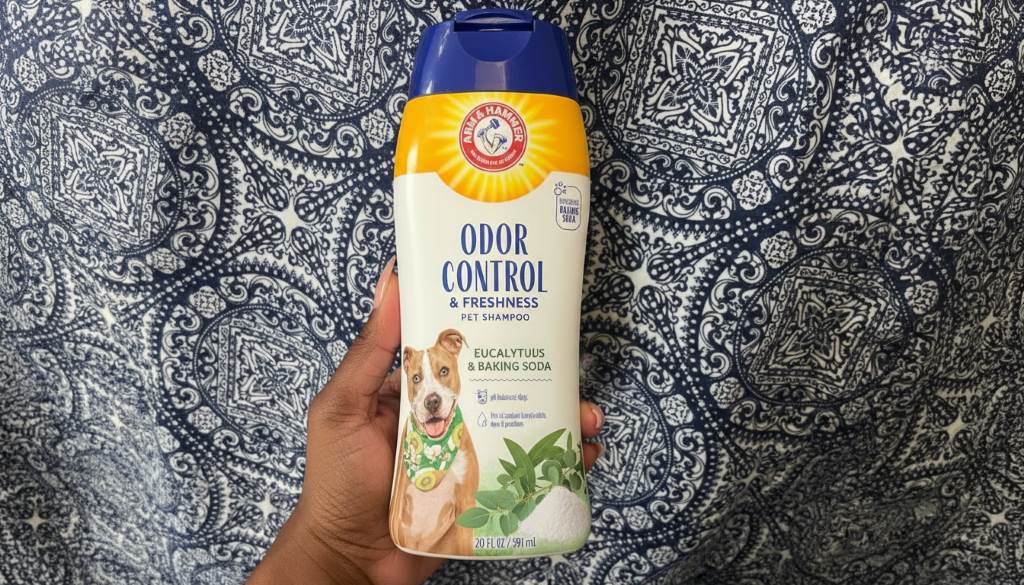
Research supports these mechanisms. A study in the Journal of Veterinary Dermatology highlights enzyme efficacy in odor reduction. Natural extracts enhance this. Essential oils like eucalyptus disrupt bacterial membranes. Baking soda absorbs odors chemically. Together, these create a multi-layered defense.
Scientists continue refining formulas. Recent advancements incorporate probiotics. These good bacteria outcompete harmful ones on skin. Consequently, odors decrease naturally. Waterless options use absorbents for quick fixes. Overall, science drives innovation in pet care.
Key Mechanisms in Odor Elimination
Enzymes lead the charge in odor-fighting shampoos. Proteases break down proteins in organic matter. Lipases target fats and oils. This duo dismantles odor sources efficiently. Amylases handle starches from food residues. Each enzyme specializes in a task.
Neutralizers work differently. They bind to odor molecules. This changes their structure, rendering them scentless. Cyclodextrins, for instance, trap volatiles in a cage-like form. Consequently, smells can’t escape into the air.
Antimicrobials add protection. Tea tree oil inhibits bacteria and fungi. Silver ions disrupt cell walls. These prevent reinfection. Moisturizers like aloe vera soothe skin. Healthy skin resists odor buildup better.
Absorbents play a supporting role. Charcoal or zeolite pulls in odors. They hold them until rinsing removes everything. This comprehensive approach ensures thorough cleaning.
Role of Enzymes and Natural Agents
Enzymes originate from natural sources. Manufacturers derive them from bacteria or plants. In shampoos, they activate upon contact with water. Warm baths enhance their activity. Owners notice quicker results this way.
Natural agents complement enzymes. Lavender calms skin while fighting bacteria. Peppermint refreshes without overwhelming. These scents appeal to humans and dogs alike. A PubMed study notes dogs prefer certain natural smells like lavender.
Combining these creates synergy. Enzymes clear debris. Agents prevent regrowth. This cycle maintains freshness longer. Pet owners appreciate the gentle touch on sensitive skin.
Essential Ingredients in Effective Odor-Fighting Shampoos
Choosing the right shampoo starts with ingredients. Look for natural deodorizers first. Baking soda neutralizes acids causing smells. It absorbs excess oils too. Rosemary oil offers antibacterial properties. This herb freshens fur naturally.
Colloidal oatmeal soothes irritated skin. It reduces inflammation from allergies. Aloe vera hydrates and heals. These calm components prevent odor-causing dryness. Eucalyptus provides a cooling effect. Its menthol disrupts bacterial growth.
Probiotics emerge as a modern addition. They balance skin flora. Good bacteria crowd out bad ones. Enzymes like proteases target specific odors. Avoid harsh chemicals. Sulfates strip natural oils, worsening smells.
Fragrances should come from essentials oils. Synthetic ones irritate. Vitamin E nourishes coat. This antioxidant fights free radicals. Together, these ingredients ensure safety and efficacy.
Common Ingredients to Avoid
Steer clear of parabens. These preservatives disrupt hormones. Phthalates in fragrances cause allergies. Artificial colors offer no benefit. They risk skin reactions.
Sodium lauryl sulfate foams well but dries skin. This leads to more odors over time. Alcohol evaporates quickly. It strips moisture harshly. Choose gentle alternatives instead.
Veterinarians recommend reading labels carefully. Opt for hypoallergenic formulas. These minimize risks for sensitive dogs.
Types of Odor-Fighting Dog Shampoos
Odor-fighting shampoos come in various forms. Traditional liquid shampoos suit regular baths. They lather richly for deep cleaning. Waterless sprays offer convenience. These foam without rinsing. Ideal for quick touch-ups.
Medicated options target specific issues. Antifungal shampoos combat yeast. Antibacterial ones handle infections. Hypoallergenic varieties suit allergy-prone dogs. They use mild ingredients.
Organic shampoos appeal to eco-conscious owners. They feature plant-based components. Puppy formulas provide extra gentleness. Senior dog versions include joint-soothing additives.
Dry powders absorb oils between baths. They freshen without water. Each type addresses different needs. Select based on your dog’s lifestyle.
Traditional vs. Waterless Shampoos
Traditional shampoos require full baths. They rinse thoroughly for best results. This method suits dirty dogs. Waterless versions save time. Spray and towel dry. Perfect for travel or cold weather.
Both eliminate odors effectively. Traditional ones penetrate deeper. Waterless provide instant relief. Combine them for optimal care.
Medicated and Organic Options
Medicated shampoos need vet approval. They contain active drugs like chlorhexidine. These kill pathogens quickly. Use sparingly to avoid resistance.
Organic shampoos avoid synthetics. Certifications ensure purity. They biodegrade easily. This choice benefits the environment and your pet.
Top Odor-Fighting Dog Shampoos in 2026
2026 brings updated formulas for better results. Hepper Deep Clean Pet Shampoo tops lists. It uses natural ingredients to cleanse deeply. Users praise its long-lasting scent. The shampoo neutralizes odors without harsh chemicals.
Hepper Colloidal Oatmeal Pet Shampoo follows closely. Oatmeal soothes skin while fighting smells. It’s ideal for sensitive pups. Reviews highlight its effectiveness on allergies.
Arm & Hammer Super Deodorizing Shampoo excels in odor control. Baking soda powers its formula. Kiwi blossom scent refreshes pleasantly. Many owners report fewer baths needed.
Veterinary Formula Clinical Care stands out for medicated needs. It targets parasites and seborrhea. Vets recommend it often. Quick results impress users.
Wahl Odor Control Purifying Shampoo uses eucalyptus and spearmint. It conditions skin too. Pet parents love the natural freshness.
Green Groom Odor Eliminator offers professional-grade cleaning. It rinses easily. Groomers favor it for tough odors.
Hydra Moisturizing Shampoo hydrates while deodorizing. It’s great for dry coats. Positive feedback notes shiny fur.
Skout’s Honor provides probiotic benefits. It balances skin microbiome. Woods scent appeals to many.
Each product suits different dogs. Test small amounts first.
Hepper Deep Clean Pet Shampoo Review
Hepper Deep Clean tackles tough odors. Its all-natural blend cleans without stripping oils. Enzymes break down smells. Owners see results after one use.
The formula includes aloe and cucumber. These calm skin. No parabens or sulfates. Safe for frequent use.
Arm & Hammer Super Deodorizing Shampoo Insights
Arm & Hammer leverages baking soda. It absorbs odors chemically. Kiwi blossom adds a light fragrance. Dogs stay fresh longer.
Users note easy lathering. Rinses clean. Suitable for all breeds.
Related:
How to Stop Your Dog from Eating Cat Poop in the Garden: A Comprehensive Guide
Can Dogs Eat Kohlrabi? Unveiling the Surprising Truth
Veterinary Formula Clinical Care Analysis
This medicated option fights infections. Coal tar and salicylic acid exfoliate. Micronized sulfur kills bacteria. Ideal for skin conditions.
Follow vet directions. Results show in weeks.
How to Choose the Right Odor-Fighting Shampoo for Your Dog
Selection depends on your dog’s needs. Assess skin type first. Dry skin requires moisturizing formulas. Oily coats need balancing agents.
Consider breed specifics. Long-haired dogs benefit from detanglers. Short-haired ones need quick-rinse options.
Check for allergies. Patch test new products. Look for vet-approved labels.
Read reviews from credible sources. Dogster and PetMD offer insights. Match to your lifestyle.
Factor in frequency of use. Gentle shampoos allow more baths. Strong ones suit occasional deep cleans.
Consult your vet. They provide tailored advice.
Factors Based on Breed and Skin Type
Small breeds like Chihuahuas have sensitive skin. Opt for hypoallergenic. Large breeds like Labs roll in dirt often. Choose durable formulas.
Floppy-eared dogs prone to infections. Antifungal ingredients help. Curly coats trap odors. Penetrating shampoos work best.
Reading Labels and Understanding Certifications
Labels list ingredients in order. Top ones dominate. Avoid fillers.
Certifications like USDA Organic ensure quality. Cruelty-free badges matter too.
Proper Application Tips for Maximum Effectiveness
Start with preparation. Brush fur to remove mats. Wet coat thoroughly with lukewarm water.
Apply shampoo sparingly. Massage gently from head to tail. Focus on odor-prone areas like paws and belly.
Let it sit for 5-10 minutes. This allows ingredients to work. Rinse completely. Residue causes irritation.
Towel dry or use a blower on low. Brush again for even distribution.
Repeat every 2-4 weeks. Over-bathing dries skin.
For waterless, spray and massage in. Wipe excess.
Step-by-Step Bathing Guide
- Gather supplies: shampoo, towels, brush.
- Secure your dog in a tub.
- Wet fur evenly.
- Lather shampoo.
- Massage thoroughly.
- Rinse well.
- Dry gently.
Follow with conditioner if needed.
Common Mistakes to Avoid
Don’t use human shampoo. pH mismatch harms skin. Avoid hot water. It strips oils.
Skip eye area. Use tearless formulas. Never force baths. Make them positive.
Benefits of Using Odor-Fighting Shampoos
These shampoos improve home life. Fresh dogs mean pleasant cuddles. They enhance bonding.
Health benefits abound. Clean skin prevents infections. Reduced itching comforts your pet.
Coats shine brighter. Nutrients in formulas nourish fur. Allergies lessen with soothing ingredients.
Environmentally, natural options reduce chemical runoff. Your choice impacts the planet.
Overall, they save time. Fewer baths needed with effective products.
Health Advantages for Dogs
Regular use maintains skin barrier. This fights external threats. Probiotics support immune health.
Odor control signals good hygiene. Early detection of issues possible.
Improving Home Environment
No more lingering smells. Guests enjoy visits. Furniture stays cleaner.
Safety Considerations and When to See a Vet
Safety starts with quality products. Choose reputable brands. Avoid expired items.
Monitor for reactions. Redness or excessive scratching signals problems. Discontinue use immediately.
Puppies need gentle formulas. Seniors benefit from moisturizers.
See a vet if odors persist. Underlying conditions require treatment. Annual checkups catch issues early.
Don’t ignore sudden changes. Sweet smells indicate diabetes. Fishy odors suggest anal issues.
Professional advice ensures safety.
Identifying Allergic Reactions
Watch for hives or swelling. Vomiting rare but serious. Contact vet promptly.
Veterinary Recommendations
Vets suggest starting slow. Build tolerance. Combine with diet for best results.
Conclusion
Odor-fighting dog shampoos neutralize smells through enzymes, neutralizers, and antimicrobials. They target causes like bacteria and yeast. Top picks in 2026 include Hepper, Arm & Hammer, and Veterinary Formula. Choose based on your dog’s needs for best results. Apply properly to maximize benefits. Address persistent issues with vet help. Keep your home fresh and your pup happy. Try a new shampoo today for a noticeable difference.
FAQs
FAQ 1: What makes odor-fighting dog shampoos different from regular ones?
Odor-fighting shampoos contain enzymes and neutralizers. These break down smells at the source. Regular shampoos only clean surface dirt.
FAQ 2: How often should I bathe my dog with odor-fighting shampoo?
Bathe every 2-4 weeks. Adjust based on activity level. Over-bathing dries skin.
FAQ 3: Can I use odor-fighting shampoo on puppies?
Yes, but choose puppy-specific formulas. They offer extra gentleness. Start with small amounts.
FAQ 4: Do these shampoos work on all dog breeds?
Most do. Consider coat type. Long-haired breeds may need additional conditioning.
FAQ 5: What if the odor returns quickly after bathing?
Check for health issues. See a vet. Underlying problems like infections need treatment.
References
- https://www.avma.org/resources-tools/reports-statistics/us-pet-ownership-statistics
- https://www.petmd.com/dog/vet-verified/best-dog-shampoos
- https://pmc.ncbi.nlm.nih.gov/articles/PMC9219509
- https://www.dogster.com/lifestyle/best-dog-shampoos-for-odor-control