Fishing requires patience, focus, and often many hours of sitting in one spot. Whether you’re casting from the shore, relaxing by a lake, or waiting for that perfect bite, having the right seating can transform your fishing experience from uncomfortable endurance to relaxing enjoyment. The difference between a mediocre fishing trip and a great one often comes down to how comfortable you feel throughout the day.
Many anglers underestimate the importance of quality seating until they’ve spent an entire day dealing with back pain, numb legs, or constant fidgeting. Your chair affects not only your comfort but also your ability to stay alert, make accurate casts, and truly enjoy your time on the water. Therefore, choosing the right fishing chair deserves careful consideration.
This comprehensive guide will walk you through everything you need to know about selecting fishing chairs that keep you comfortable from sunrise to sunset. You’ll learn about different styles, essential features, materials, and practical considerations that make the difference between adequate and exceptional seating.
Understanding Different Types of Fishing Chairs
The fishing chair market offers numerous styles, each designed for specific fishing situations and preferences. Knowing these differences helps you match the chair to your fishing style.
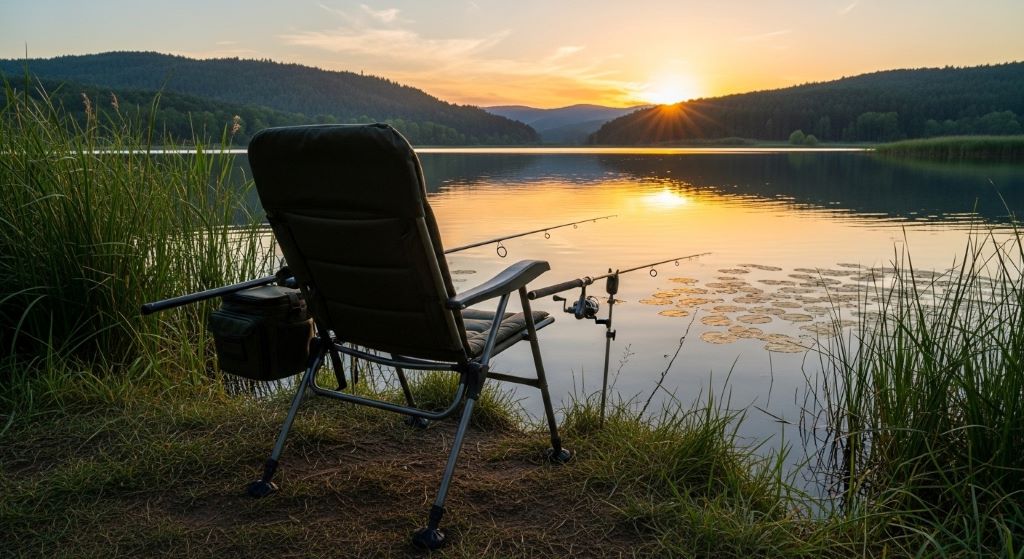
Traditional folding chairs are the most common option. They collapse flat for easy transport and set up quickly at your fishing spot. These chairs come in various sizes and comfort levels, from basic metal frames with fabric seats to padded luxury versions with multiple features.
Bucket-style seats provide a different approach. They sit lower to the ground and often include storage compartments built into the base. These chairs work well for anglers who like keeping tackle and gear within arm’s reach while maintaining a compact footprint.
Backpack chairs combine seating with storage in one unit. The chair frame folds into a backpack that carries your gear, making them ideal for anglers who walk significant distances to reach their fishing spots. This design eliminates the need to carry separate items.
Swivel chairs offer 360-degree rotation, allowing you to turn and cast in any direction without standing up or repositioning your chair. This feature becomes particularly valuable when fishing in areas where you need to cover multiple angles or when fish are moving around your location.
Platform chairs elevate you higher off the ground, providing better visibility and easier standing. They’re excellent for surf fishing or situations where you want to see over vegetation or watch your lines from an elevated position.
Key Comfort Features to Consider
Comfort goes far beyond simple padding. Multiple design elements work together to create truly comfortable seating for extended fishing sessions.
Backrest design significantly impacts your comfort during long sits. Look for chairs with adequate back support that extends high enough to support your entire spine. Some designs include adjustable backrests that let you recline slightly, reducing fatigue during extended waiting periods.
Seat depth and width matter more than many anglers realize. A seat that’s too shallow leaves your thighs unsupported, causing circulation problems. Seats that are too deep can create pressure behind your knees. Similarly, width should accommodate your body comfortably without making you feel cramped or causing the armrests to dig into your sides.
Armrests provide essential support and comfort. They should be at a height that allows your shoulders to relax naturally. Padded armrests are more comfortable than hard plastic or metal, especially during all-day sessions. Some chairs include wider armrests that can hold drinks, bait containers, or other small items.
Padding quality affects long-term comfort significantly. Thin padding compresses quickly, essentially leaving you sitting on the hard frame. Quality chairs use high-density foam that maintains its shape and support throughout the day. Memory foam provides even better comfort by conforming to your body shape.
Leg support or footrests add another dimension of comfort. Some advanced fishing chairs include detachable footrests that elevate your legs, improving circulation and reducing fatigue. This feature becomes especially valuable during marathon fishing sessions.
Portability and Weight Considerations
Getting your chair to your fishing spot is just as important as the comfort it provides once you’re there. A portable fishing chair needs to balance comfort with practical transportation.
Weight directly affects how easily you can carry your chair. Lightweight aluminum frames weigh significantly less than steel alternatives. However, lighter chairs sometimes sacrifice stability or durability. Consider how far you typically walk to your fishing spots when evaluating weight.
Folded dimensions determine how easily you can transport and store your chair. Some chairs fold into remarkably compact packages that fit easily in car trunks or boat storage compartments. Others remain bulky even when folded, requiring dedicated space.
Carrying systems make transportation easier. Built-in shoulder straps allow you to carry the chair hands-free, which is essential when you’re also hauling fishing rods, tackle boxes, and coolers. Some chairs include wheels, letting you roll them to your spot rather than carrying them.
Setup speed matters when you want to start fishing quickly. The best chairs deploy in seconds with simple, intuitive mechanisms. Complicated setup procedures become frustrating, especially in bad weather or when fish are actively biting.
Weight capacity ensures your chair can safely support you plus any gear you might place on it. Most chairs list their maximum weight capacity. Choose one rated well above your weight to ensure stability and longevity.
Material Quality and Durability
The materials used in your fishing chair determine how long it will last and how well it performs in various conditions. Understanding these materials helps you make an informed choice.
Frame materials typically include aluminum, steel, or fiberglass. Aluminum provides an excellent strength-to-weight ratio and resists rust, making it ideal for saltwater fishing. Steel frames are stronger and more stable but heavier and prone to corrosion without proper coating. Fiberglass offers good strength with moderate weight.
Fabric choices affect both comfort and durability. Polyester mesh provides breathability, preventing the sweaty back that solid fabrics can cause on hot days. Canvas offers durability and a classic look but may hold moisture. Synthetic fabrics with water-resistant coatings shed rain and dry quickly.
Joint and hinge quality determines how well your chair withstands repeated folding and unfolding. Look for reinforced connection points with quality hardware. Plastic hinges may be lighter but typically wear out faster than metal alternatives.
Surface treatments protect your chair from the elements. Powder coating on metal frames prevents rust and corrosion. UV-resistant fabrics maintain their color and strength despite constant sun exposure. Water-resistant materials dry quickly and resist mildew.
Stitching and construction details reveal overall quality. Double-stitched seams last longer than single stitching. Reinforced stress points prevent tears at areas that experience the most tension. Quality chairs show attention to these construction details.
Weather Resistance and Environmental Factors
Fishing happens in all weather conditions, and your chair needs to withstand whatever nature throws at it. Environmental resistance is crucial for longevity and consistent performance.
Water resistance keeps you dry and your chair functional. Look for fabrics that repel water rather than absorbing it. Quick-drying materials ensure your chair is ready to use even after rain. Some chairs include waterproof coatings that provide complete moisture protection.
Sun exposure causes fading and material degradation over time. UV-resistant fabrics and coatings maintain their appearance and structural integrity despite hours of direct sunlight. This feature becomes particularly important if you store your chair outdoors or fish in tropical climates.
Saltwater presents unique challenges. Corrosion from salt can destroy chairs not designed for marine environments. If you fish in saltwater, prioritize aluminum or specially coated steel frames. Rinse your chair with fresh water after each saltwater session to extend its life.
Temperature extremes affect different materials in various ways. Some plastics become brittle in cold weather and crack under stress. Others soften in extreme heat. Quality fishing chairs use materials that perform consistently across a wide temperature range.
Sand and dirt resistance matters for beach and river fishing. Look for designs with minimal crevices where sand can accumulate. Mesh fabrics allow sand and dirt to fall through rather than collecting on the seat surface.
Storage and Organization Features
Modern fishing chairs often include built-in storage that keeps essential items within easy reach. These features can significantly enhance your fishing efficiency and enjoyment.
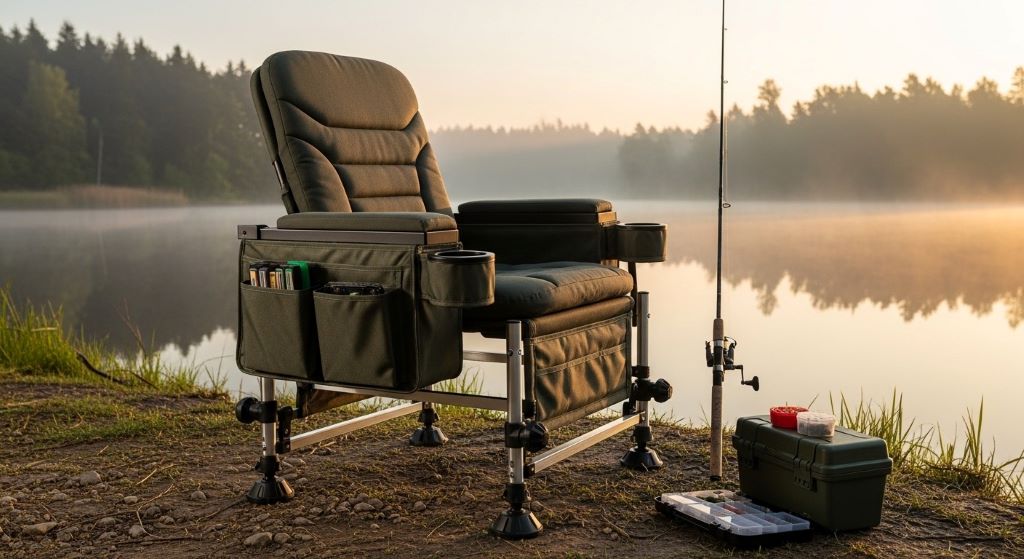
Side pockets provide convenient storage for small items like sunscreen, bug spray, or your phone. Look for water-resistant pockets that protect electronics from splashes. Multiple pocket sizes accommodate different items without creating a cluttered feel.
Cup holders seem simple but make a real difference in convenience. Insulated holders keep drinks cold longer. Adjustable holders accommodate various container sizes from water bottles to travel mugs. Some chairs include multiple holders for drinks and rod placement.
Tool loops and attachment points let you customize your chair’s storage. Clip on additional pouches, attach pliers holders, or hang a small cooler. This flexibility allows you to configure your chair for specific fishing situations.
Under-seat storage compartments provide space for tackle boxes or extra gear. Accessible designs let you reach stored items without standing up. However, ensure storage doesn’t compromise seat comfort or add excessive bulk.
Rod holders built into the chair keep your rods secure and accessible. Some designs include multiple holders at different angles, allowing you to monitor several lines simultaneously. Adjustable holders accommodate various rod types and fishing techniques.
Stability and Safety Features
A comfortable fishing seat becomes useless if it tips over or feels unstable. Safety and stability features ensure you can fish confidently in various terrains and conditions.
Leg design affects overall stability significantly. Wider leg spreads provide better balance on uneven ground. Some chairs include adjustable legs that compensate for slopes or irregular surfaces. Rubberized feet grip better than bare metal and protect floors when used indoors or on boats.
Anti-sink features prevent your chair from sinking into soft ground. Wide feet or base plates distribute weight over a larger area. Some chairs include detachable mud feet specifically designed for soft terrain like sand or marsh edges.
Locking mechanisms ensure your chair stays open during use. Quality locks engage positively and won’t accidentally release when you shift your weight. Easy-release mechanisms are equally important for quick breakdown when it’s time to leave.
Side stability matters when you lean to reach gear or cast in different directions. Chairs with lower centers of gravity and wider bases resist tipping when you move. Test stability by shifting your weight in different directions before committing to a purchase.
Maximum lean angles indicate how far you can recline safely. Some chairs allow significant reclining for relaxation between bites, while others prioritize upright stability. Choose based on your fishing style and whether you value reclining capability.
Specialized Features for Different Fishing Styles
Different fishing approaches benefit from specific chair features. Matching your chair to your fishing style enhances both comfort and effectiveness.
Shore fishing often involves longer sessions in one spot. Therefore, maximum comfort features like thick padding, high backs, and footrests make sense. Storage becomes less critical since you can keep gear nearby on the ground.
Boat fishing requires compact designs that don’t take up excessive deck space. Swivel features help you turn to face different directions without moving the chair. Non-marking feet protect boat surfaces. Lower profiles prevent the chair from becoming a sail in windy conditions.
Ice fishing demands chairs that perform in extreme cold. Look for materials that remain flexible in freezing temperatures. Insulated seats prevent cold transfer from ice to your body. Compact designs fit inside ice fishing shelters.
Fly fishing benefits from chairs with rod holders that keep your expensive fly rod safe when you’re changing flies or taking breaks. Higher seats make it easier to stand and resume casting. Lighter weight matters since fly anglers often cover significant ground.
Tournament fishing sometimes prohibits certain chair types or features. Research regulations if you compete. Quick-release rod holders and minimal storage keep you focused on fishing rather than managing gear.
Budget Considerations and Value
Fishing chairs span a wide price range, from budget options under thirty dollars to premium models exceeding two hundred. Understanding what you get at different price points helps you maximize value.
Entry-level chairs provide basic functionality and comfort. They typically use lighter-duty materials and simpler construction. These chairs work fine for occasional anglers or those fishing in protected environments. However, they may not withstand frequent use or harsh conditions.
Mid-range options offer better materials, more features, and improved durability. They balance cost with quality, providing good value for regular anglers. Most serious fishermen find the best value in this category, getting chairs that last several seasons with proper care.
Premium chairs deliver exceptional comfort, advanced features, and superior durability. They’re built for professional guides and dedicated enthusiasts who fish frequently in demanding conditions. The higher price reflects better engineering, premium materials, and often better warranties.
Consider cost per use rather than just the upfront price. An expensive chair used a hundred times per season costs less per outing than a cheap chair used twenty times before breaking. Factor in how often you fish and in what conditions when determining your budget.
Warranty coverage provides insight into manufacturer confidence. Better warranties suggest higher quality and give you recourse if problems develop. Some companies offer lifetime warranties on frames, demonstrating their commitment to durability.
Maintenance and Care Tips
Proper maintenance extends your chair’s life and ensures it performs well season after season. Developing good care habits protects your investment.
Clean your chair after each fishing trip, especially if exposed to saltwater, mud, or fish slime. Wipe down frames with a damp cloth and mild soap. Rinse fabric thoroughly to remove salt, dirt, and organic matter that can cause deterioration.
Dry your chair completely before storage. Mold and mildew develop on damp fabrics, creating odors and weakening material. Open the chair fully and let it air dry in a well-ventilated area. Never store a wet chair in an enclosed space.
Lubricate moving parts periodically to maintain smooth operation. Use silicone spray on hinges and joints to prevent rust and ensure easy folding. Avoid petroleum-based lubricants that can degrade plastic components.
Inspect your chair regularly for damage. Tighten loose screws, repair small tears before they enlarge, and replace worn components when possible. Many manufacturers sell replacement parts for common wear items like feet or fabric sections.
Store your chair in a protected area when not in use. While quality chairs withstand outdoor storage, keeping them in a garage or shed extends their life. Use a storage bag if provided to protect against dust and pests.
Testing Before You Buy
Whenever possible, test chairs before purchasing. A few minutes of evaluation can prevent buyer’s remorse and ensure you get the right chair for your needs.
Sit in the chair for several minutes, not just a quick test. Notice how your back feels, whether the seat remains comfortable, and if any pressure points develop. Try different sitting positions as you would during actual fishing.
Check the folding and unfolding process. It should be intuitive and smooth without requiring excessive force or complicated steps. Imagine performing this process in rain, darkness, or while managing other gear.
Evaluate the carrying comfort if the chair includes a shoulder strap. Put it on and walk around the store. Notice if it digs into your shoulder or feels balanced. Consider how it would feel after a quarter-mile walk to your fishing spot.
Test stability by shifting your weight in different directions. Lean back, lean forward, and twist to the sides. The chair should feel solid without wobbling or feeling like it might tip.
Compare similar models side by side if possible. Differences in comfort and quality become more apparent when you can make direct comparisons. Don’t hesitate to ask store staff about their experiences or customer feedback on specific models.
Conclusion
Choosing the best fishing chair for all-day comfort requires balancing multiple factors including comfort features, portability, durability, and price. A portable fishing chair that’s easy to transport but uncomfortable defeats its purpose, while a comfortable fishing seat that’s too heavy to carry conveniently won’t get used. The ideal chair matches your specific fishing style, physical needs, and typical fishing environments.
Start by honestly assessing how you fish. Consider the distances you walk, the terrain you encounter, and how long your typical sessions last. These factors should guide your decisions about weight, features, and price range. Don’t overlook seemingly small details like armrest height or fabric breathability, as these elements significantly impact comfort during extended use.
Quality construction and appropriate materials ensure your chair withstands the rigors of regular fishing while maintaining comfort and functionality. Additionally, proper maintenance extends the life of even budget-friendly options, making care routines an important part of ownership.
Remember that the best fishing chair is one you’ll actually use consistently. A chair that stays home because it’s too heavy or cumbersome doesn’t provide any benefit. Finding the right balance between features and practicality ensures you’ll have comfortable seating on every fishing trip, allowing you to focus on what matters most: enjoying your time on the water and catching fish.
Frequently Asked Questions
What is the ideal weight for a portable fishing chair?
The ideal weight depends on your transportation method and physical capability. For anglers who walk to fishing spots, chairs weighing 8 to 12 pounds offer the best balance between comfort features and portability. If you drive directly to your location or fish from a boat, weight becomes less critical, and you can opt for heavier chairs with more features. Consider that you’ll also be carrying rods, tackle, and other gear when evaluating how much weight you can comfortably manage.
How much should I expect to spend on a quality fishing chair?
Quality fishing chairs typically range from 60 to 150 dollars. Chairs in this range offer good durability, comfort features, and materials that withstand regular use. While you can find cheaper options, they often lack longevity and comfort. Premium chairs above 150 dollars provide exceptional features but aren’t necessary for most anglers. Determine your budget based on how frequently you fish and what features matter most to you.
Can I use a regular camping chair for fishing?
You can use camping chairs for fishing, though they may lack fishing-specific features like rod holders or tackle storage. Camping chairs often prioritize different design elements than fishing chairs. However, a quality camping chair with good back support and comfortable seating can work perfectly well for fishing. The main consideration is whether it meets your comfort needs and includes any features you consider essential for your fishing style.
How do I know if a fishing chair will be comfortable for all-day use?
Test the chair by sitting in it for at least 10 to 15 minutes before purchasing. Pay attention to back support, seat cushioning, armrest height, and overall stability. Look for high-density foam padding rather than thin cushioning that compresses quickly. Read reviews from other anglers who use the chair for extended periods. Features like adjustable backrests, footrests, and breathable fabrics contribute to all-day comfort.
What’s the difference between a bucket seat and a traditional folding chair for fishing?
Bucket seats sit lower to the ground and often include built-in storage compartments in the base, keeping tackle and gear accessible. They’re more compact but may be harder to get in and out of, especially for those with mobility issues. Traditional folding chairs sit higher, making entry and exit easier, and typically offer better back support. They fold flatter for transport but don’t usually include integrated storage. Choose based on your mobility needs, storage preferences, and fishing style.
Related Topics:
How to Repair a Broken Fishing Rod Ceramic Guide Insert (Simple DIY Guide)
Eco-friendly Materials in Seaskin Shorty Wetsuits