

Angle grinders are indispensable tools for DIY enthusiasts, metalworkers, and construction professionals. Whether you’re cutting, grinding, or polishing, these powerful machines make tough jobs easier. But what happens when your angle grinder starts overheating? An overheating grinder can slow down your work, damage the tool, or even pose safety risks. In this article, we’ll explore the common causes of angle grinder overheating and provide practical fixes to keep your tool running smoothly.
What Does Overheating Look Like?
Before diving into causes and solutions, it’s important to recognize the signs of an overheating angle grinder:
- Excessive Heat: The tool feels unusually hot to the touch, especially around the motor housing or gear case.
- Burning Smell: A sharp, acrid odor may indicate overheating components or burning insulation.
- Reduced Performance: The grinder slows down, loses power, or struggles to maintain speed.
- Sparks or Smoke: Excessive sparks or visible smoke are serious warning signs.
- Automatic Shut-Off: Some modern grinders have thermal protection that shuts the tool off when it gets too hot.
If you notice these symptoms, stop using the grinder immediately to prevent damage or injury. Let’s explore why this happens and how to fix it.
Common Causes of Angle Grinder Overheating
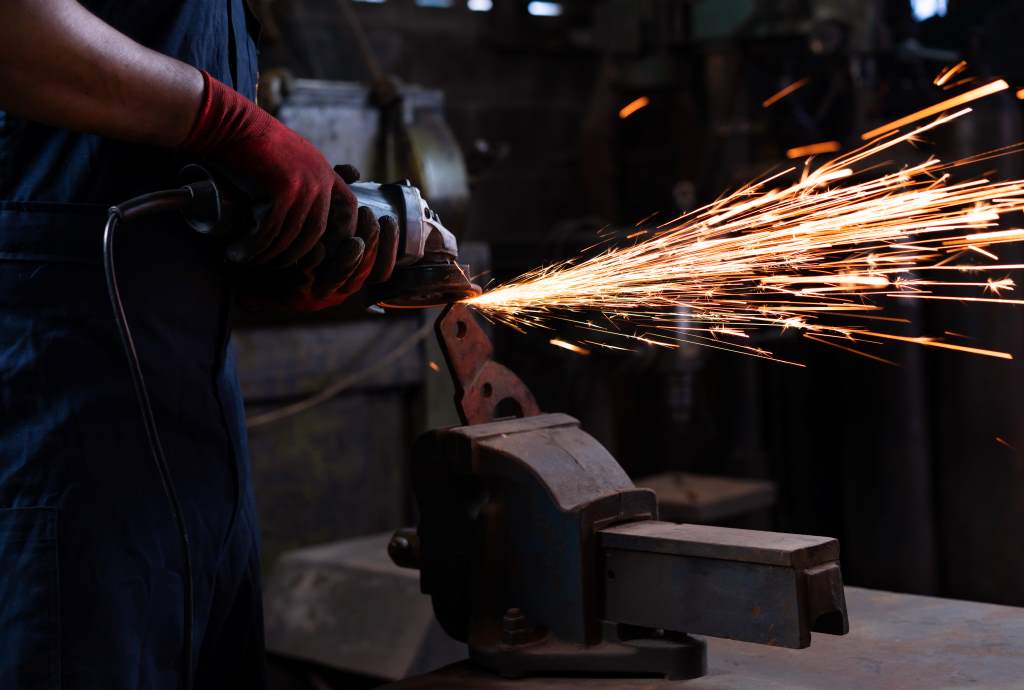
Angle grinder overheating is often the result of overuse, poor maintenance, or environmental factors. Below are the most common culprits:
1. Overloading the Tool
Pushing an angle grinder beyond its capacity is a leading cause of overheating. Overloading happens when you apply too much pressure, use the wrong disc, or tackle a material that’s too tough for the grinder’s power rating.
- Why It Happens: Excessive pressure increases friction, forcing the motor to work harder. Using a disc not suited for the material (e.g., a thin cutting disc for heavy grinding) can also strain the tool.
- Signs: The motor bogs down, and the tool gets hot quickly.
2. Blocked Ventilation
Angle grinders rely on air vents to cool the motor. Dust, debris, or grime can clog these vents, trapping heat inside the tool.
- Why It Happens: Grinding metal, concrete, or wood generates fine particles that can accumulate in the vents over time.
- Signs: The grinder feels hot even during light use, and you may notice dust buildup around the air intake.
3. Worn or Faulty Brushes
Carbon brushes in the motor transfer electricity to the armature. Over time, these brushes wear down or become damaged, leading to inefficient operation and heat buildup.
- Why It Happens: Normal wear and tear or using low-quality replacement brushes can cause this issue.
- Signs: Sparks inside the motor housing, inconsistent power, or a burning smell.
4. Dull or Damaged Discs
A worn-out or damaged grinding or cutting disc increases resistance, forcing the motor to work harder and generate more heat.
- Why It Happens: Discs naturally wear down with use, or they may get damaged from improper storage or misuse.
- Signs: The grinder vibrates excessively, cuts slowly, or produces more sparks than usual.
5. Prolonged Continuous Use
Angle grinders are designed for intermittent use. Running the tool for extended periods without breaks can cause the motor to overheat.
- Why It Happens: Continuous operation doesn’t give the motor time to cool down, especially during heavy-duty tasks.
- Signs: Gradual heating during long sessions, often accompanied by reduced performance.
6. Low-Quality or Underpowered Grinder
Not all angle grinders are created equal. A low-quality or underpowered model may struggle with demanding tasks, leading to overheating.
- Why It Happens: Cheap grinders often have weaker motors or inferior cooling systems that can’t handle tough jobs.
- Signs: The tool overheats even during moderate use or feels underpowered from the start.
7. Electrical Issues
Problems with the power supply, such as low voltage or a faulty extension cord, can cause the grinder to overheat.
- Why It Happens: Inconsistent voltage forces the motor to draw more current, generating excess heat.
- Signs: The grinder runs erratically, and overheating occurs regardless of workload.
Learn How to Effectively Remove Custom Craft Glue Residue.
How to Fix an Overheating Angle Grinder
Now that you know the causes, let’s look at practical solutions to prevent and fix overheating. Always unplug the grinder before performing maintenance to ensure safety.
1. Avoid Overloading
- Use Proper Technique: Let the grinder’s weight do the work. Apply light, steady pressure instead of forcing the tool into the material.
- Choose the Right Disc: Match the disc to the task (e.g., cutting discs for slicing, grinding discs for material removal). Check the disc’s RPM rating to ensure compatibility with your grinder.
- Work in Stages: For heavy-duty tasks, break the job into smaller sections to avoid overloading the motor.
2. Clean the Ventilation System
- Inspect Vents: Check the air vents for dust or debris. Use compressed air or a soft brush to clear blockages.
- Regular Maintenance: Clean the grinder after every use, especially when working with dusty materials like concrete or drywall.
- Work in a Clean Environment: If possible, use a dust extraction system or work in a well-ventilated area to minimize debris buildup.
3. Replace Worn Brushes
- Check Brush Condition: Remove the brushes (consult your user manual for location) and inspect for wear. If they’re shorter than 1/4 inch or show signs of damage, replace them.
- Use Quality Replacements: Purchase manufacturer-approved brushes to ensure compatibility and performance.
- Monitor Spark Levels: Excessive sparking after replacing brushes may indicate an issue with the armature or other motor components—consult a professional.
4. Replace Dull or Damaged Discs
- Inspect Discs Regularly: Look for cracks, chips, or excessive wear. Replace discs that show signs of damage.
- Store Discs Properly: Keep discs in a dry, flat position to prevent warping or cracking.
- Upgrade to Quality Discs: Invest in high-quality discs designed for your specific material (e.g., diamond discs for masonry).
5. Take Breaks During Use
- Follow Duty Cycles: Check your grinder’s manual for recommended run times. A common rule is 10-15 minutes of use followed by a 5-minute break.
- Monitor Heat: If the tool feels warm, pause and let it cool down before resuming work.
- Plan Your Workflow: Organize tasks to alternate between grinding and other activities, giving the tool time to rest.
6. Upgrade to a Better Grinder
- Assess Your Needs: If you frequently tackle heavy-duty tasks, consider a grinder with a higher wattage (e.g., 900-1200 watts) or advanced cooling features.
- Look for Quality Brands: Reputable brands like DeWalt, Makita, or Bosch offer durable grinders with better heat management.
- Check Warranty: A good warranty can protect your investment if overheating issues persist.
7. Address Electrical Problems
- Test the Power Supply: Use a voltage tester to ensure your outlet delivers consistent power (typically 120V or 240V, depending on your region).
- Avoid Long Extension Cords: Long or thin cords can cause voltage drops. Use a heavy-duty, short cord (12-14 gauge) if needed.
- Inspect the Power Cord: Replace any cord with frayed or exposed wires to prevent electrical issues.
When to Seek Professional Help
If you’ve tried these fixes and your angle grinder still overheats, it may have internal damage, such as a faulty motor or worn bearings. In this case:
- Contact the Manufacturer: If the tool is under warranty, reach out for repair or replacement options.
- Visit a Repair Shop: A certified technician can diagnose and fix complex issues, often at a fraction of the cost of a new grinder.
- Consider Replacement: If repairs are too expensive, it may be time to invest in a new, more reliable model.
Preventing Overheating in the Future
To keep your angle grinder running cool and extend its lifespan, adopt these habits:
- Read the Manual: Familiarize yourself with your grinder’s specifications, including disc compatibility and duty cycles.
- Perform Routine Maintenance: Clean the tool, inspect discs, and check brushes regularly.
- Store Properly: Keep the grinder in a dry, dust-free environment to protect internal components.
- Invest in Accessories: Use guards, dust shrouds, and high-quality discs to reduce strain on the tool.
- Practice Safe Operation: Always wear protective gear, including gloves, goggles, and a dust mask, to stay safe while grinding.
Conclusion
An overheating angle grinder can disrupt your projects and lead to costly repairs, but most issues are preventable or fixable with the right approach. By understanding the causes—such as overloading, blocked vents, or worn brushes—you can take targeted steps to keep your tool in top shape. Regular maintenance, proper technique, and quality accessories are key to avoiding overheating and ensuring safe, efficient operation.
If your grinder continues to run hot despite these fixes, don’t hesitate to seek professional help or consider upgrading to a more robust model. With proper care, your angle grinder will remain a reliable workhorse for years to come.