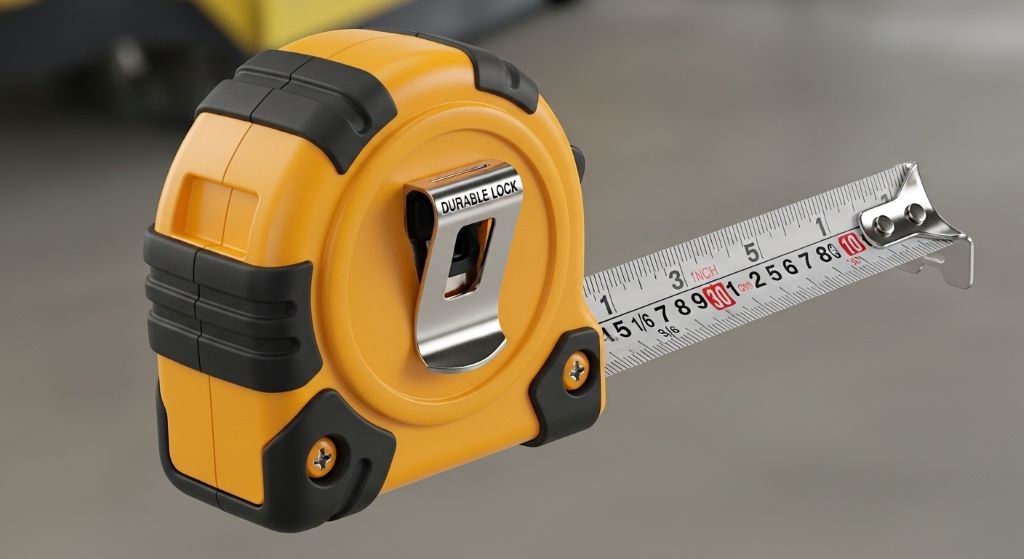
Selecting the right tape measure might seem straightforward, but the wrong choice can lead to frustration and inaccurate measurements. Whether you’re a professional contractor, weekend DIY enthusiast, or simply need one for household tasks, understanding what makes a quality tape measure will save you time and money. This comprehensive guide walks you through everything you need to know before making your purchase.
Why Your Tape Measure Choice Matters
A tape measure is one of the most frequently used tools in any toolbox. You’ll reach for it countless times during projects, making comfort and reliability essential. Poor quality options break easily, provide inaccurate readings, and slow down your work. Conversely, a well-chosen tape measure becomes a trusted companion that lasts for years.
The market offers hundreds of options at various price points. However, not all tape measures are created equal. Some excel at specific tasks while falling short in other areas. Understanding your needs helps narrow down the choices significantly.
Length Considerations for Different Projects
Tape measure length typically ranges from 12 feet to 35 feet for consumer models. Professional versions can extend even further. Your primary use determines the ideal length for your situation.
Homeowners handling basic tasks around the house usually find 25-foot models sufficient. This length covers measuring rooms, furniture placement, and standard home improvement projects. Additionally, these models remain compact enough to carry comfortably.
Contractors and construction professionals often prefer 30 to 35-foot versions. These longer tapes handle framing, outdoor measurements, and larger commercial spaces. They provide the reach needed without requiring multiple measurements or repositioning.
Shorter 12 to 16-foot models work perfectly for detailed carpentry, craft projects, and tight spaces. They fit easily into pockets and reduce bulk when working in confined areas. Therefore, many professionals keep both long and short versions in their tool collection.
Blade Width and Standout Distance
Blade width significantly impacts a tape measure’s functionality. Wider blades offer greater standout, meaning they extend further before bending or collapsing. This feature proves invaluable when measuring alone.
Standard blade widths range from 0.5 inches to 1.5 inches. Narrow blades create compact tools that fit easily into tight spaces. However, they lack the rigidity needed for long-distance solo measurements.
Wide blades, typically one inch or more, provide excellent standout. Many quality models achieve 10 to 13 feet of standout distance. This capability allows single-person measurements of room dimensions without the blade drooping.
Consider your typical working conditions when evaluating blade width. Frequent solo work benefits from wider blades, while team environments can manage with narrower options. The trade-off involves size versus functionality.
Understanding Blade Coating and Durability
The blade coating protects against wear and improves visibility. Different coatings serve various purposes, affecting longevity and ease of use.
Nylon-coated blades resist scratching and last longer under heavy use. The coating protects printed measurements from fading over time. Additionally, these blades often feature enhanced visibility with high-contrast markings.
Polymer coatings offer similar protection while maintaining flexibility. They prevent rust in humid environments and withstand regular exposure to dust and debris. Many professional-grade models feature multiple protective layers.
Some manufacturers apply special finishes that reduce glare under bright lighting conditions. This improvement helps when working outdoors or in well-lit workshops. The easier you can read measurements, the fewer mistakes you’ll make.
Case Design and Construction Quality
The case houses all internal components and takes the brunt of daily abuse. Durable construction ensures your investment lasts through countless drops and impacts.
Rubber overmolding provides shock absorption and improved grip. This feature protects the internal mechanism when the tape measure hits concrete or falls from heights. Furthermore, rubberized surfaces prevent slipping in wet or oily conditions.
Die-cast metal cases offer maximum durability for demanding work environments. They withstand extreme conditions better than plastic alternatives. However, they add weight and cost more initially.
High-impact plastic cases balance durability with affordability. Modern plastics resist cracking and maintain their shape through regular use. They work well for most applications outside heavy industrial settings.
Check the belt clip quality during your evaluation. A sturdy, riveted clip keeps your tape measure accessible and prevents loss. Flimsy clips break quickly, leading to frustration and potential tool damage.
Locking Mechanisms and Ease of Use
The locking mechanism controls blade extension and retraction. A reliable lock maintains your measurement while you mark or cut materials.
Thumb locks remain the most common design. They engage easily with one hand and release smoothly when needed. Quality versions operate consistently even after thousands of uses.
Slider locks offer an alternative that some users prefer. They typically require less pressure to engage and disengage. However, they can accidentally release if bumped during use.
Auto-lock features engage automatically when you stop pulling the blade. They eliminate the extra step of pressing a button, speeding up workflow. These mechanisms work well but may fail more quickly than manual locks.
Test the lock before purchasing if possible. It should engage firmly without excessive force and release cleanly every time. Inconsistent locking creates measurement errors and safety hazards.
Measurement Markings and Readability
Clear, accurate markings separate quality tape measures from inferior products. You need to read measurements quickly and confidently under various lighting conditions.
Fractional markings appear on most tape measures sold in the United States. They typically show sixteenths of an inch, with some offering thirty-seconds for precise work. The clearest models use graduated sizing, making larger fractions more prominent.
Metric markings appear increasingly common as global standards influence American markets. Dual-scale tapes display both systems, accommodating various project requirements. This versatility proves valuable when following plans from different sources.
High-visibility printing uses contrasting colors that remain legible in dim conditions. Yellow or white backgrounds with black printing offer excellent readability. Some premium models include special inks that resist fading from UV exposure.
The first few inches often receive extra attention from manufacturers. Multiple marking systems, including decimal equivalents, appear in this critical measurement zone. Additionally, many tapes highlight common measurements like 16 and 24 inches for framing work.
Hook Design and End Tab Functionality
The hook at the tape’s end plays a crucial role in measurement accuracy. Understanding its design helps you achieve consistent results.
Most hooks attach with rivets that allow slight movement. This intentional looseness compensates for the hook’s thickness during inside and outside measurements. The movement equals the hook thickness, maintaining accuracy in both scenarios.
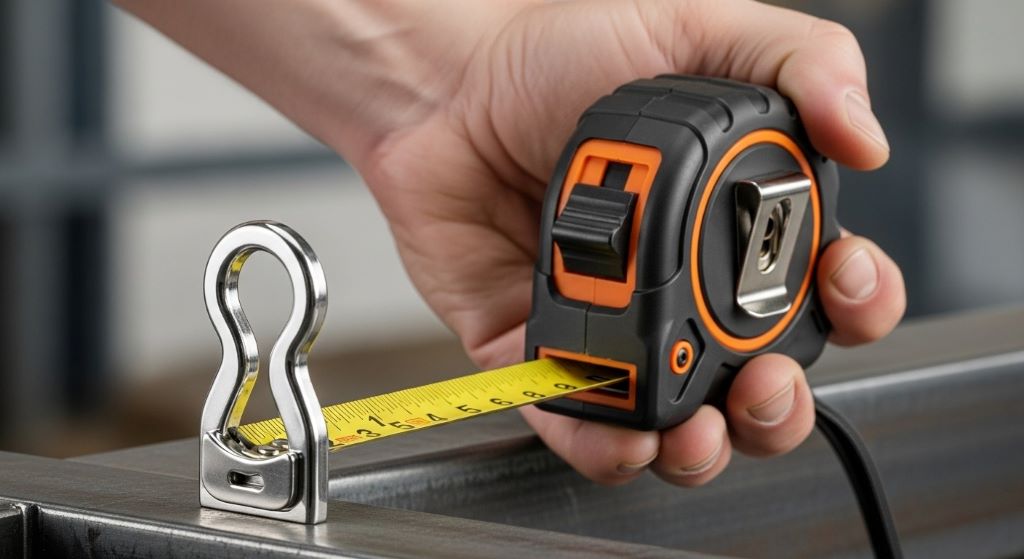
Magnetic hooks offer significant convenience when working with metal studs, pipes, or machinery. They grip surfaces hands-free, allowing solo measurements of awkward spaces. However, magnets add weight and slightly increase the hook’s profile.
Double-sided hooks feature measurement edges on both sides. This design enables you to hook onto surfaces from either direction without flipping the entire tape. It saves time and reduces awkward positioning during use.
Reinforced hooks withstand repeated snagging on rough surfaces. Thin, flimsy hooks bend or break when catching on lumber, concrete, or metal edges. Quality construction maintains the hook’s square shape through extended use.
Specialized Features Worth Considering
Modern tape measures include various additional features that enhance functionality for specific applications. Evaluating these options helps identify tools that match your needs perfectly.
Some models incorporate built-in levels for quick plumb and level checks. This combination tool reduces the number of items you need to carry. However, the level accuracy may not match dedicated spirit levels.
Laser distance meters integrated with traditional tape measures offer hybrid functionality. They handle long distances electronically while maintaining the tape for detailed work. These advanced tools cost more but provide remarkable versatility.
Fraction calculators appear on certain digital models. They add and subtract measurements automatically, eliminating mental math and potential errors. This feature particularly benefits those working with complex layouts.
Stud finders built into some tape measure cases add another layer of utility. While convenient, dedicated stud finders typically offer superior accuracy and reliability. Consider whether the integration justifies any compromise in either function.
Price Ranges and Value Propositions
Tape measures span a wide price range, from budget options under ten dollars to premium models exceeding fifty dollars. Understanding what you receive at each price point helps maximize value.
Budget models provide basic functionality for occasional use. They work adequately for simple household tasks and light DIY projects. However, expect shorter lifespan and less refined features compared to higher-priced alternatives.
Mid-range options, typically between fifteen and thirty dollars, offer substantial quality improvements. Better materials, smoother operation, and enhanced durability justify the modest price increase. These models suit regular users who need reliability without premium features.
Professional-grade tape measures command higher prices but deliver exceptional performance and longevity. They withstand daily jobsite abuse and maintain accuracy through years of heavy use. For those who depend on their tools professionally, the investment pays dividends.
When doing measuring tool comparison, consider the total cost of ownership rather than just initial price. A fifteen-dollar tape that lasts five years costs less annually than a five-dollar version replaced yearly. Additionally, quality tools reduce frustration and improve work quality.
Brand Reputation and Warranty Coverage
Established tool manufacturers typically stand behind their products with meaningful warranties and customer support. This backing provides peace of mind and protection for your investment.
Industry-leading brands invest in research and development, resulting in innovative features and reliable performance. Their products undergo rigorous testing before reaching consumers. Furthermore, widespread availability makes replacement and repairs more convenient.
Lesser-known brands sometimes offer compelling value propositions. They may manufacture quality products at lower prices by avoiding marketing expenses. Research customer reviews and warranty terms before purchasing unfamiliar brands.
Warranty length indicates manufacturer confidence in product durability. Limited lifetime warranties suggest exceptional quality, while short coverage periods may signal concerns about longevity. Read warranty terms carefully to understand what protection you receive.
Customer service accessibility matters when issues arise. Companies with responsive support teams and clear return processes make warranty claims stress-free. This consideration becomes more important with higher-priced purchases.
Matching Tape Measures to Specific Applications
Different projects demand different tool characteristics. Selecting a tape measure optimized for your primary use ensures maximum satisfaction and efficiency.
General contractors benefit from rugged 25 to 30-foot models with wide blades and magnetic hooks. These features facilitate rough construction work where durability and solo measuring capability matter most. Impact resistance takes priority over compact size.
Finish carpenters and cabinet makers often prefer precise, easy-to-read markings over extended standout. They work in measured environments where detailed accuracy trumps measuring long distances. Smoother blade operation prevents scratching finished surfaces.
Plumbers and electricians appreciate compact models that fit into tight spaces behind fixtures and inside walls. Shorter lengths and narrower profiles allow access where standard tape measures won’t reach. Magnetic hooks assist with metallic pipe and conduit work.
DIY enthusiasts generally want versatile all-purpose models. A quality 25-foot tape with standard features handles most home projects competently. Mid-range pricing provides good value without professional-grade expenses.
Testing Before You Buy
Whenever possible, physically examine tape measures before purchasing. Hands-on evaluation reveals qualities that specifications alone cannot communicate.
Extend and retract the blade several times. The motion should feel smooth without binding or jerking. Listen for unusual sounds that might indicate poor internal construction. Quality tapes operate quietly and consistently.
Check the lock mechanism’s responsiveness. Engage it at various extension lengths and confirm it holds firmly. The release should feel deliberate, not accidental or sticky.
Examine marking clarity under store lighting. If you struggle to read measurements in ideal conditions, imagine the difficulty in dimly lit work areas. Clear, high-contrast printing should be immediately obvious.
Assess the overall feel in your hand. Comfortable grip reduces fatigue during extended use. The tape should feel balanced and substantial without excessive weight. Trust your tactile impressions alongside technical specifications.
Maintenance Tips for Longevity
Proper care extends your tape measure’s functional life and maintains accuracy. Simple practices prevent common problems and preserve performance.
Keep the blade clean by wiping it occasionally with a slightly damp cloth. Accumulated sawdust, dirt, and debris interfere with smooth retraction and can scratch protective coatings. Additionally, contamination may obscure measurement markings.
Avoid dropping tape measures whenever possible. While quality construction withstands impacts, repeated falls eventually cause damage. Impact absorption has limits, and internal components may fail after sufficient abuse.
Store tape measures in moderate temperature environments. Extreme heat or cold affects plastic components and can warp blades. Tool belts worn in vehicles during summer subject tapes to damaging temperatures.
Retract blades fully after use rather than leaving them extended. This practice prevents dust accumulation and reduces strain on the spring mechanism. Full retraction also protects the blade from accidental damage.
Making Your Final Decision
After considering all factors, create a short list of candidates that meet your requirements. Compare their strengths and weaknesses against your specific needs.
Prioritize features that matter most for your intended applications. A hobby woodworker has different priorities than a commercial electrician. Tool features explained in marketing materials should align with your actual usage patterns.
Read verified customer reviews to identify common issues or exceptional performance characteristics. Real-world experiences often reveal information absent from manufacturer specifications. However, consider the reviewer’s use case alongside their opinions.
Calculate the cost-per-use based on expected frequency and longevity. An expensive tape measure used daily for professional work offers better value than a cheap one requiring frequent replacement. Long-term perspective guides smarter purchasing decisions.
Trust quality over gimmicks when features seem excessive for your needs. Basic functionality done well surpasses multiple features executed poorly. Simplicity often delivers better reliability and ease of use.
Conclusion
Choosing the best tape measure requires balancing multiple factors against your specific needs and budget. Length, blade width, case durability, and marking clarity all contribute to overall performance and satisfaction. Professional users benefit from investing in premium models that withstand daily abuse, while occasional users find excellent value in mid-range options.
Remember that the ideal tape measure feels comfortable in your hand, provides accurate measurements consistently, and survives your typical working conditions. Taking time to evaluate options thoroughly prevents buyer’s remorse and ensures you select a tool that serves you well for years. Whether you need a compact model for craft projects or a heavy-duty version for construction work, the right tape measure exists for your situation.
The small investment in a quality measuring tool pays dividends through improved accuracy, reduced frustration, and long-term durability. Make your decision based on features that genuinely matter for your applications rather than impressive specifications you’ll never use.
Frequently Asked Questions
What length tape measure do most people need?
Most homeowners and DIY enthusiasts find that a 25-foot tape measure handles the majority of household projects perfectly. This length covers measuring rooms, hanging pictures, and typical home improvement tasks without being overly bulky. Professionals often prefer 30 to 35-foot models for construction work.
How much should I spend on a good tape measure?
Quality tape measures typically cost between fifteen and thirty dollars. This price range offers reliable construction, clear markings, and features like magnetic hooks or extra-wide blades. Budget options under ten dollars work for occasional use, while professional models exceeding fifty dollars provide maximum durability for daily jobsite demands.
What does standout distance mean and why does it matter?
Standout distance refers to how far the tape blade extends before bending or collapsing under its own weight. Greater standout allows you to measure longer distances alone without the blade drooping. Modern quality tape measures achieve 10 to 13 feet of standout, making solo room measurements much easier.
Are magnetic hooks worth having on a tape measure?
Magnetic hooks prove extremely useful when working with metal studs, pipes, appliances, or machinery. They allow hands-free measurements in situations where holding both the hook and the tape body would be difficult. However, they add slight cost and weight, so consider whether your typical projects involve metal surfaces.
How can I tell if a tape measure is accurate?
Check for looseness in the end hook, which should move slightly to compensate for its thickness during inside and outside measurements. Compare measurements against a known accurate ruler or another trusted tape measure. Quality brands maintain tight manufacturing tolerances and clearly printed, consistent markings throughout the blade’s length.
Related Topics:
How to Cut Wood Cleanly with a Cordless Jig Saw
How to Start DIY Projects Using a Cordless Drill