Cycling enthusiasts often believe that high performance requires a premium price tag. However, the market for cheap bike shoes 2026 has evolved dramatically, offering riders exceptional value without compromising essential features. Finding quality cycling footwear within a budget is entirely possible when you know what to look for and where to shop.
The cycling industry has made significant strides in manufacturing technology over recent years. This progress means that affordable performance shoes now incorporate features that were once exclusive to expensive models. Budget-conscious cyclists can enjoy comfortable, efficient rides without emptying their wallets.
This comprehensive guide will help you navigate the world of budget cycling footwear. You’ll learn which features matter most, where to find the best deals, and how to evaluate quality at every price point. By the end, you’ll have the knowledge needed to make a smart purchase that serves you well for many miles to come.
Understanding What Makes Cycling Shoes Worth Buying
Before diving into specific shopping strategies, it’s important to understand what separates quality cycling shoes from cheap imitations. Not all budget footwear delivers good value, and knowing the difference protects you from wasting money on products that won’t last.
Quality cycling shoes transfer power efficiently from your legs to the pedals. This efficiency comes from a stiff sole that prevents energy loss through flexing. Even budget models should offer reasonable stiffness, though they may not match the rigidity of carbon fiber soles found in premium shoes.
Proper fit is non-negotiable regardless of price. Shoes that don’t fit correctly cause hot spots, numbness, and reduced power transfer. Therefore, focusing on fit should be your primary concern, even when shopping on a tight budget.
Durability matters because replacing shoes frequently costs more than buying better quality initially. Look for reinforced toe boxes, quality stitching, and materials that can withstand regular use. A slightly more expensive shoe that lasts twice as long provides better value than the cheapest option.
Breathability affects comfort during long rides. Your feet generate significant heat while cycling, and shoes that trap moisture become uncomfortable quickly. Even budget shoes should include some ventilation features to keep your feet reasonably dry.
Key Features to Prioritize in Budget Cycling Shoes
When working with a limited budget, you must prioritize which features matter most for your cycling style. Not every feature adds equal value, and understanding these differences helps you make strategic compromises.
The closure system affects both fit and convenience. Traditional laces cost less to manufacture but work perfectly well for most riders. Velcro straps offer quick adjustments and work great for recreational cycling. Single dial systems have become more common in the budget category and provide excellent adjustability.
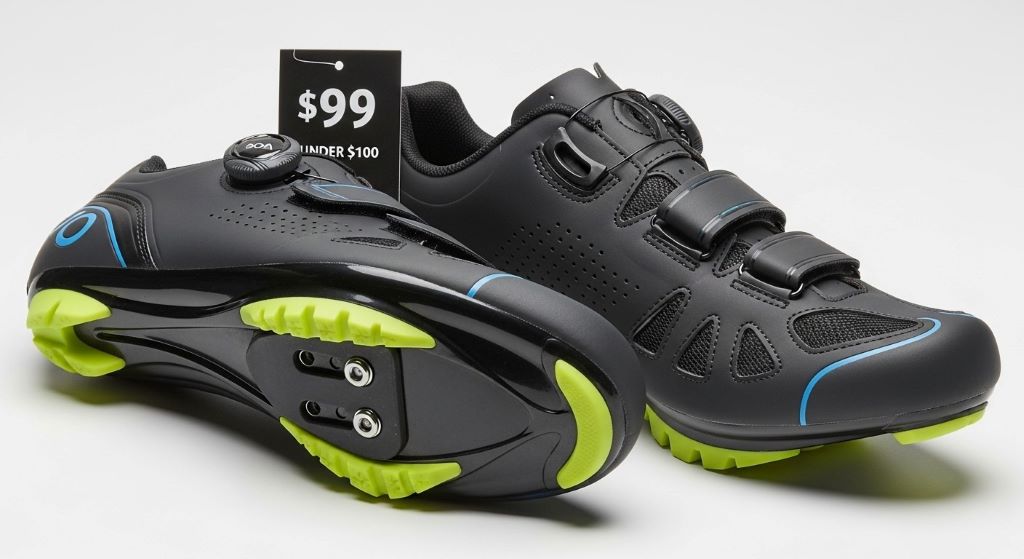
Sole stiffness directly impacts pedaling efficiency. While you won’t find carbon fiber soles under $100, many budget shoes use composite materials or reinforced nylon that provide adequate stiffness for recreational and fitness riding. Competitive cyclists might notice the difference, but most riders will find these materials sufficient.
Cleat compatibility determines which pedal systems you can use. Two-bolt mountain bike cleats and three-bolt road cleats are the main standards. Some budget shoes accommodate both types with different inserts, offering versatility without extra cost.
Insole quality varies significantly among budget shoes. Many come with basic foam insoles that provide minimal support. However, you can easily upgrade insoles separately, often improving comfort more than buying more expensive shoes with marginally better built-in footbeds.
Weight becomes less critical at the budget level. Heavier shoes require slightly more energy to pedal, but the difference only matters significantly during racing or competitive riding. For fitness and recreational cyclists, a few extra ounces won’t noticeably impact performance.
Where to Find the Best Deals on Cycling Shoes
Knowing where to shop can make the difference between finding genuine bargains and overpaying for inferior products. Different retailers offer various advantages, and smart shoppers use multiple sources.
Online retailers often provide the widest selection and most competitive pricing. Major cycling-specific websites run regular sales and clearance events. Additionally, they usually offer detailed size charts and customer reviews that help you make informed decisions.
Previous season models offer excellent value. Manufacturers release new versions annually, and last year’s models often get heavily discounted despite minimal actual changes. These shoes deliver the same performance at significantly reduced prices.
Outlet stores and clearance sections contain hidden gems. Major cycling brands operate outlet websites where discontinued colors and sizes sell for substantial discounts. Check these sources regularly, as inventory changes frequently.
General sporting goods stores sometimes stock cycling shoes at competitive prices. While their selection may be limited compared to specialty retailers, they often run promotions that make quality shoes more affordable. Additionally, you can try shoes on in person, which reduces the risk of ordering the wrong size.
Direct-to-consumer brands have disrupted traditional pricing models. These companies sell exclusively online, eliminating middleman costs. Many offer quality products at lower prices than traditional brands, though you’ll need to research reviews since you can’t examine products in stores.
Evaluating Quality Without Trying Shoes On
Online shopping offers the best prices, but buying shoes without trying them presents challenges. Learning to evaluate quality through product descriptions, reviews, and specifications helps you shop confidently.
Material descriptions reveal manufacturing quality. Synthetic leather or microfiber uppers in budget shoes perform nearly as well as premium materials. Mesh panels indicate breathability. Avoid shoes with vague material descriptions or those listing only “synthetic materials” without specifics.
Customer reviews provide invaluable real-world information. Look for comments about sizing accuracy, durability after several months of use, and how well shoes perform in various conditions. Pay special attention to reviews from riders with similar cycling styles and experience levels.
Return policies protect you from costly mistakes. Choose retailers with generous return windows and free return shipping. This safety net lets you order multiple sizes or styles to find the perfect fit without financial risk.
Brand reputation matters even in the budget category. Established cycling brands produce budget lines that maintain reasonable quality standards. Lesser-known brands might offer good value, but they require more careful research to ensure you’re not sacrificing essential quality.
Construction details visible in product photos tell you a lot about quality. Examine stitching in close-up images. Look for reinforced stress points and clean finishing. Sloppy construction in product photos usually indicates poor quality throughout the shoe.
Timing Your Purchase for Maximum Savings
When you buy cycling shoes affects how much you pay. Strategic timing can stretch your budget significantly further, potentially allowing you to afford higher-quality options than you initially expected.
End-of-season sales offer deep discounts. Cycling gear typically goes on sale in late fall and winter when fewer people buy cycling equipment. Retailers clear inventory to make room for next year’s models, creating opportunities for significant savings.
Holiday sales events provide excellent opportunities. Black Friday, Cyber Monday, and post-holiday clearances frequently include cycling shoes. Sign up for email lists from your favorite retailers to receive advance notice of these sales.
Mid-season flash sales happen throughout the year. Online retailers often run limited-time promotions to boost sales during slower periods. Following brands and retailers on social media helps you catch these deals before popular sizes sell out.
New model releases trigger discounts on previous versions. When manufacturers announce new models, retailers begin discounting existing inventory. Research upcoming release schedules to time your purchase strategically.
However, don’t wait too long if you find a good deal in your size. Popular sizes in discounted models sell out quickly. If you find quality shoes at a great price in your size, purchasing immediately often makes more sense than waiting for a potentially better deal.
Understanding Different Types of Cycling Shoes
Different cycling disciplines require different shoe designs. Understanding these categories helps you choose appropriate footwear for your riding style without overspending on features you don’t need.
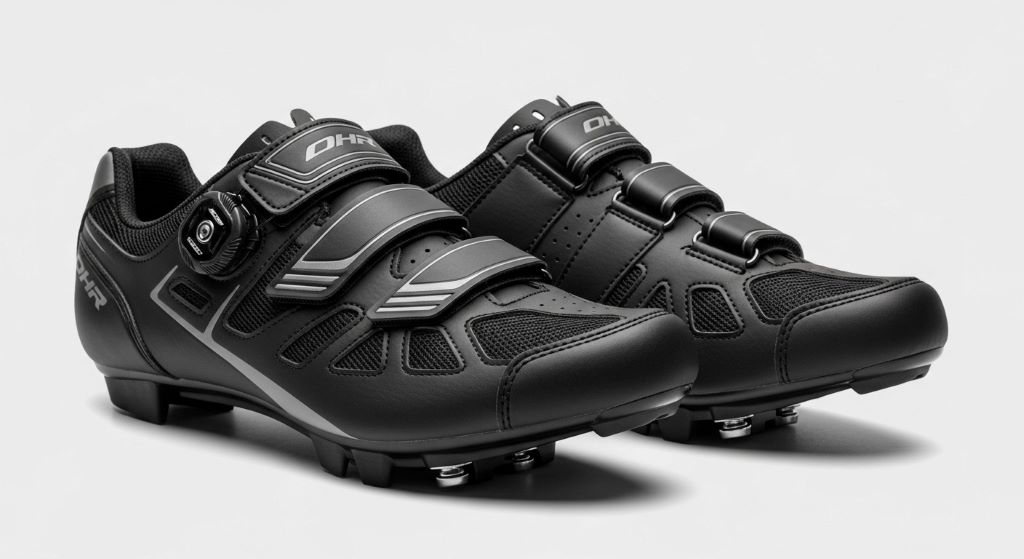
Road cycling shoes prioritize efficiency and aerodynamics. They use three-bolt cleat systems and feature stiff soles for maximum power transfer. The smooth soles make walking difficult, but they excel for riding. Budget road shoes work well for fitness riding and group rides.
Mountain bike shoes offer more versatility with two-bolt cleat systems and treaded soles that make walking easier. They’re ideal for riders who need to hike sections of trail or walk through parking lots. Additionally, they work well for commuting and casual riding.
Touring and commuter shoes blend cycling performance with walkability. They often look more like regular shoes, making them appropriate for riding to work or running errands. These shoes accept two-bolt cleats but function reasonably well with flat pedals.
Indoor cycling shoes are designed specifically for spin classes and indoor training. They often work with both two-bolt and three-bolt systems. Since you won’t walk or ride in varied conditions, you can prioritize ventilation and simple closure systems.
Gravel and cyclocross shoes split the difference between road and mountain bike designs. They provide good pedaling efficiency while remaining walkable enough for obstacles or running sections. This versatility makes them excellent choices for riders who participate in multiple cycling disciplines.
Sizing and Fit Considerations for Online Purchases
Getting the right size when ordering online requires more attention than grabbing your usual shoe size. Cycling shoes fit differently than casual footwear, and brands vary in their sizing.
Measure your feet at the end of the day when they’re slightly swollen. Stand while measuring to account for the natural spreading that occurs under weight. Measure both feet, as one is often slightly larger. Use the larger measurement when consulting size charts.
Consult brand-specific size charts rather than relying on general conversions. European sizing predominates in cycling, and conversions to US sizes vary between manufacturers. Most retailers provide detailed measurements in centimeters that offer more accuracy than size numbers alone.
Consider how you’ll use the shoes when deciding on fit. Shoes for long rides might need slightly more room than those for short, intense efforts. Your feet swell during extended cycling, and overly tight shoes become painful.
Read reviews specifically about sizing. Many reviewers mention whether shoes run large, small, or true to size. This information proves invaluable when ordering from unfamiliar brands.
Plan to wear cycling-specific socks when trying on new shoes. These socks are typically thinner than regular athletic socks, affecting fit. Trying shoes with the wrong socks can lead to incorrect size selection.
Order multiple sizes if the retailer offers free returns. This approach eliminates guesswork and ensures you get the best fit. The minor inconvenience of returning extra sizes is worthwhile considering how important proper fit is for cycling comfort.
Recognizing When to Spend More
While this guide focuses on finding quality shoes under $100, sometimes spending slightly more delivers substantially better value. Recognizing these situations prevents false economy.
If you ride more than three times per week, investing in better shoes often makes sense. Frequent riders benefit more from improved comfort and durability. The additional cost spreads across many more rides, reducing the per-ride expense.
Competitive cyclists should prioritize performance over budget constraints. The efficiency gains from stiffer soles and better power transfer can affect race results. However, many successful racers train in budget shoes and save premium footwear for competitions.
Riders with foot problems or specific fit requirements might need to exceed the $100 threshold to find appropriate shoes. Custom orthotics, wide widths, or other special needs sometimes require investing more to avoid pain and injury.
If you’re keeping shoes from a previous season that still function adequately, waiting to save for higher-quality replacements often makes more sense than buying budget shoes immediately. Sometimes patience delivers better long-term value than rushing to purchase within a strict budget.
Conversely, if you’re new to cycling or unsure about your commitment level, starting with budget shoes makes perfect sense. You’ll learn what features matter to you before investing in more expensive footwear later.
Maximizing Value Through Proper Care
Once you’ve found quality cycling shoes within your budget, proper care extends their lifespan and protects your investment. Simple maintenance practices prevent premature wear and keep shoes performing well.
Clean your shoes after every muddy or wet ride. Dirt and grime degrade materials over time, and salt from sweat corrodes metal components. A quick wipe-down takes minutes but significantly extends shoe life.
Air dry shoes thoroughly between rides. Remove insoles and loosen closures to promote airflow. Never put cycling shoes in a dryer or place them near direct heat sources, as this can warp synthetic materials and damage glues.
Inspect cleats regularly and replace them before they wear completely through. Worn cleats affect the connection to pedals and can damage the shoe mounting points if they fail. Cleats are inexpensive compared to shoes, making timely replacement worthwhile.
Store shoes in a cool, dry place away from direct sunlight. UV exposure degrades synthetic materials, causing them to become brittle and crack. A closet or gear bag provides better storage than a garage or car trunk.
Treat leather or synthetic leather components with appropriate conditioners. This maintenance keeps materials supple and water-resistant. Follow manufacturer recommendations for specific products to use.
Rotate between two pairs of shoes if possible. This practice allows each pair to dry completely between uses and extends the life of both pairs. Additionally, it lets you keep a backup pair ready if your primary shoes develop problems.
Common Mistakes to Avoid When Shopping on a Budget
Even knowledgeable shoppers make mistakes when hunting for bargains. Awareness of common pitfalls helps you avoid disappointing purchases and wasted money.
Buying shoes that don’t fit properly just because they’re cheap wastes money regardless of the price. Ill-fitting shoes cause discomfort and potentially injury. No amount of break-in will fix fundamentally wrong sizing.
Ignoring return policies can leave you stuck with unsuitable shoes. Always verify that you can return or exchange items before purchasing, especially when buying from unfamiliar retailers or foreign websites.
Focusing solely on price rather than value leads to poor decisions. The cheapest option isn’t always the best deal if it wears out quickly or performs poorly. Calculate cost per year of expected use rather than just looking at the initial price.
Overlooking compatibility issues wastes money. Verify that shoes work with your pedal system before buying. Converting pedal systems to match incompatible shoes often costs more than buying compatible shoes initially.
Impulse buying during sales can result in purchases you regret. Just because shoes are on sale doesn’t mean they’re right for you. Stick to your criteria regarding fit, features, and compatibility rather than buying something simply because it’s discounted.
Neglecting to research brands leads to quality issues. Not all budget brands deliver good value. Spend time reading reviews and researching company reputations before purchasing from unfamiliar manufacturers.
Making Your Final Decision
After researching options, comparing prices, and evaluating features, you’ll need to make a final decision. A systematic approach helps you choose confidently among several viable options.
Create a comparison chart listing your top choices with their key features, prices, and pros and cons. This visual reference makes differences clear and helps you evaluate trade-offs objectively.
Prioritize your must-have features versus nice-to-have extras. If a shoe lacks an essential feature, eliminate it regardless of price. However, don’t discard good options because they’re missing minor conveniences.
Consider total cost including any necessary accessories. Some shoes require specific cleats, insoles, or other components. Factor these expenses into your budget to avoid surprises.
Read recent reviews one more time before purchasing. Sometimes new information appears that might influence your decision. Additionally, verify that nothing has changed regarding sizing or quality in recent production runs.
Trust your research and pull the trigger when you find a good match. Analysis paralysis prevents you from ever making a purchase. If you’ve done your homework and found a shoe that meets your criteria within budget, buy it confidently.
Conclusion
Finding quality cycling shoes under $100 in 2026 is entirely achievable with the right approach. The market for cheap bike shoes 2026 offers more options than ever before, with manufacturers producing affordable performance shoes that deliver excellent value for recreational and fitness cyclists.
Success requires understanding which features truly matter for your cycling style and being willing to compromise on less important elements. Proper fit, adequate sole stiffness, and basic durability should be non-negotiable, while features like weight savings and premium materials can be sacrificed in budget-friendly options.
Strategic shopping timing, careful research, and knowing where to look for deals can help you afford better quality than you might expect. Previous season models, outlet stores, and direct-to-consumer brands all offer paths to quality footwear within tight budgets.
Remember that the right cycling shoes significantly impact your comfort and enjoyment on the bike. Therefore, investing time to find the best option within your budget pays dividends in many miles of comfortable riding. With the information in this guide, you’re well-equipped to make a smart purchase that serves you well for seasons to come.
Frequently Asked Questions
What’s the main difference between budget cycling shoes and expensive ones?
The primary differences are sole stiffness, weight, and material quality. Expensive shoes typically use carbon fiber soles that maximize power transfer, while budget options use composite materials or reinforced nylon. Premium shoes also feature lighter materials, more breathable fabrics, and higher-quality closure systems. However, for recreational cycling and fitness riding, budget shoes perform admirably. The differences mainly matter to competitive cyclists or those riding extremely long distances regularly.
Can I use cheap cycling shoes for racing or long-distance rides?
Yes, many riders successfully race and complete long rides in budget cycling shoes. The key is finding shoes that fit properly and provide adequate stiffness for your riding intensity. While premium shoes offer marginal performance gains, proper fit and good cycling technique matter more than expensive equipment. Many competitive cyclists train in budget shoes and save premium footwear for important events. For century rides and gran fondos, comfortable budget shoes often work better than ill-fitting expensive ones.
How long should budget cycling shoes last?
With proper care, quality budget cycling shoes should last two to five years depending on riding frequency and conditions. Riders who cycle a few times weekly can expect three years or more. Daily commuters or frequent riders might see closer to two years. Proper maintenance, including regular cleaning and allowing shoes to dry completely between uses, significantly extends lifespan. Replace shoes when you notice sole separation, worn-through materials, or closure systems that no longer secure properly.
Are last year’s models really as good as current versions?
In most cases, yes. Cycling shoe technology evolves slowly, and year-to-year changes often involve cosmetic updates rather than significant performance improvements. Previous season models frequently offer identical performance to current versions at substantially lower prices. Manufacturers sometimes improve closure systems or update materials, but these changes rarely justify the price premium. Reading reviews of specific models helps you determine whether any meaningful improvements occurred in newer versions.
Should I buy shoes slightly larger to accommodate swelling during long rides?
Most cyclists should choose shoes that fit well at rest rather than sizing up significantly. Properly fitted cycling shoes should feel snug but not tight, with about a thumb’s width between your longest toe and the shoe’s end. Your feet will swell slightly during long rides, but quality cycling socks and well-designed shoes accommodate this natural expansion. Shoes that are too large cause hot spots, reduce power transfer, and increase injury risk. If swelling causes significant discomfort, consider adjustable closure systems that let you loosen shoes during rides.
Related Topics:
How to Find an Affordable Bike Helmet Without Compromising Safety
Eco-friendly Materials in Seaskin Shorty Wetsuits