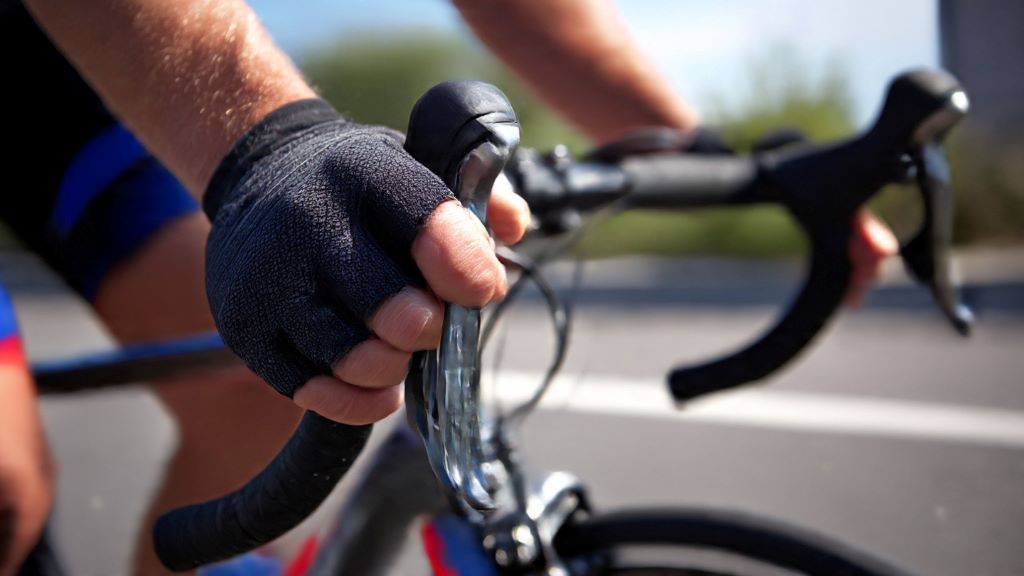
Experiencing tingling or numbness in your hands while cycling can turn an enjoyable ride into an uncomfortable ordeal. Many cyclists face this issue when riding on the hoods of their road bikes. Understanding why this happens is crucial for preventing discomfort and maintaining proper control of your bicycle. At Cyclist View, we explore common cycling challenges to help riders improve their experience on two wheels.
Hand numbness occurs when pressure compresses the nerves or restricts blood flow in your hands. The position you maintain while gripping the hoods places concentrated pressure on specific areas of your palms. This pressure affects the ulnar and median nerves, which run through your wrists and hands. Over time, sustained compression leads to that familiar pins-and-needles sensation that can become quite bothersome during longer rides.
Additionally, vibrations from the road surface travel directly through your handlebars into your hands. These constant micro-impacts compound the pressure issue. If your new bike is causing left hand numbness, several factors related to bike fit, riding position, and equipment choices may be contributing to the problem. Addressing these factors can significantly improve your comfort on the bike.
Understanding Nerve Compression in Your Hands
Your hands contain two primary nerves that are vulnerable during cycling. The ulnar nerve runs along the pinky side of your hand, while the median nerve travels through the center of your wrist. When you grip the hoods, pressure concentrates on the heel of your palm where these nerves are most exposed.
The ulnar nerve is particularly susceptible because it passes through a narrow channel called Guyon’s canal. Continuous pressure in this area can cause ulnar nerve entrapment, leading to numbness in your ring and pinky fingers. Similarly, pressure on the median nerve can result in numbness affecting your thumb, index, and middle fingers.
Furthermore, poor circulation exacerbates nerve compression. When blood flow to your hands becomes restricted, your fingers may feel cold and tingly. This combination of nerve pressure and reduced circulation creates the sleeping sensation many cyclists experience.
Bike Fit Issues That Cause Hand Numbness
Improper bike fit is one of the most common culprits behind hand numbness. When your bike is not adjusted correctly to your body dimensions, you end up placing excessive weight on your hands. This happens because your body compensates for the poor positioning.
Your handlebar height plays a critical role in weight distribution. If your handlebars sit too low relative to your saddle, you lean forward more aggressively. This forward angle shifts additional weight onto your hands and wrists. Conversely, handlebars positioned too high can also cause problems by creating an awkward arm angle.
Reach distance matters equally. If your handlebars are too far away, you stretch to reach them, locking your elbows and increasing hand pressure. According to research on cycling ergonomics published by the National Center for Biotechnology Information, proper bike fit significantly reduces the risk of overuse injuries and discomfort in cyclists.
The Role of Grip Pressure and Hand Position
Many cyclists grip their handlebars too tightly without realizing it. This death grip restricts blood flow and increases muscle tension throughout your hands and forearms. Tension builds gradually during a ride, and before you know it, your hands have gone numb.
Your grip should be firm enough to maintain control but relaxed enough to allow natural movement. Think of holding a bird gently without letting it escape or crushing it. This balance ensures adequate circulation while maintaining steering precision.
Moreover, staying in one position for extended periods concentrates pressure on the same areas. Experienced cyclists regularly shift their hand positions between the hoods, drops, and tops of the handlebars. These position changes redistribute pressure across different parts of your palms and give compressed nerves time to recover.
Handlebar and Hood Setup Considerations
The angle of your brake hoods affects how your wrists align with your forearms. Hoods angled too high or too low force your wrists into unnatural positions, creating stress points. Your wrists should remain relatively straight when gripping the hoods, forming a natural extension of your forearms.
Most modern road bikes allow hood angle adjustment. Small changes of just a few degrees can make a substantial difference in comfort. Experiment with slight adjustments until you find the position that keeps your wrists neutral and comfortable.
Additionally, handlebar width influences hand comfort. Handlebars that are too wide or too narrow can cause shoulder tension that travels down into your arms and hands. Your handlebars should generally match your shoulder width, allowing your arms to hang naturally.
The Importance of Padded Gloves and Bar Tape
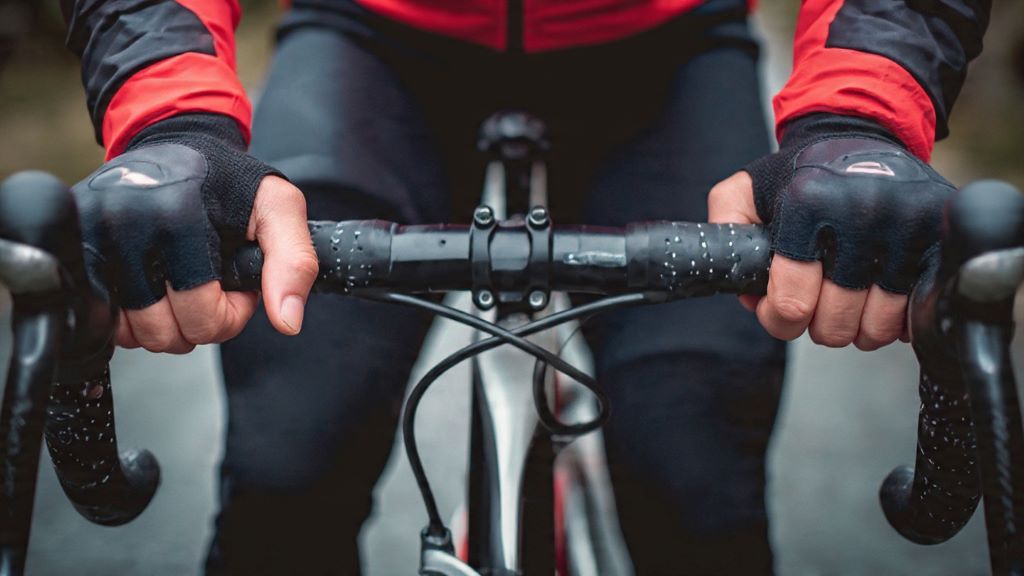
Quality cycling gloves with gel padding provide a cushioning layer between your hands and the handlebars. This padding absorbs road vibrations and distributes pressure more evenly across your palms. However, gloves should not be excessively thick, as this can reduce your feel for the bike and braking sensitivity.
Similarly, handlebar tape thickness and material affect vibration dampening. Cork tape offers good shock absorption, while gel-padded tape provides even more cushioning. Some cyclists prefer double-wrapping their bars for extra padding, though this increases handlebar diameter.
Therefore, choosing the right combination of gloves and bar tape creates a customized comfort system for your hands. Pay attention to the padding placement in gloves, ensuring it covers the areas where you experience the most pressure.
Body Position and Core Strength
Supporting your upper body with your core muscles reduces the weight transferred to your hands. When your core muscles are weak or fatigued, you essentially hang on the handlebars, forcing your hands to bear excessive load.
Developing core strength through off-bike exercises helps you maintain proper posture during rides. Planks, bridges, and rotational exercises strengthen the muscles that keep you stable on the bike. A strong core allows your arms to remain relaxed rather than tensed for support.
Furthermore, keeping your elbows slightly bent acts as natural suspension, absorbing bumps and reducing the jarring impact transmitted to your hands. Locked elbows create a rigid connection that channels every road imperfection directly into your hands and shoulders.
Saddle Position and Its Effect on Hand Pressure
Your saddle position influences how much weight rests on your hands. A saddle tilted too far forward slides you toward the handlebars, increasing hand pressure. Conversely, a saddle angled upward may seem comfortable initially but can force you to push against the handlebars to maintain position.
Saddle height also matters. If your saddle is too low, you cannot fully extend your legs, which affects your weight distribution. According to cycling experts at BikeRadar, proper saddle height should allow a slight bend in your knee at the bottom of the pedal stroke, optimizing both power output and comfort.
Moving your saddle forward or backward by just a few millimeters can shift your center of gravity enough to noticeably change hand pressure. These adjustments should be made carefully and tested over several rides.
Road Conditions and Vibration Management
Rough road surfaces generate constant vibrations that fatigue your hands more quickly. Broken pavement, chip seal, and gravel roads all increase the punishment your hands endure. While you cannot always choose smoother routes, you can adapt your riding technique.
Relaxing your grip and letting your arms absorb vibrations helps protect your hands. Think of your arms as shock absorbers that flex and move with the terrain rather than rigid posts resisting every bump. This active absorption technique reduces the cumulative stress on your nerves.
Additionally, wider tires run at lower pressures can significantly reduce vibration transmission. Many road cyclists are switching from traditional 23mm tires to 25mm or 28mm options. These wider tires roll smoothly while providing better vibration dampening without sacrificing speed.
Medical Conditions That Increase Susceptibility
Some underlying medical conditions make cyclists more prone to hand numbness. Carpal tunnel syndrome, a common condition affecting the median nerve, causes numbness and tingling even during everyday activities. Cycling can aggravate existing carpal tunnel symptoms.
Diabetes can affect nerve function throughout the body, making cyclists with this condition more susceptible to numbness. Similarly, conditions affecting circulation, such as Raynaud’s phenomenon, can cause cold hands and numbness during rides.
If you experience persistent numbness that does not resolve with bike fit adjustments and position changes, consult a healthcare professional. Chronic numbness may indicate a condition requiring medical attention beyond cycling-related solutions.
Practical Solutions and Prevention Strategies
Preventing hand numbness requires a multifaceted approach combining proper bike fit, equipment choices, and riding technique. Start by having your bike professionally fitted to ensure correct dimensions for your body. This investment pays dividends in comfort and performance.
Change your hand position frequently during rides, moving between the hoods, drops, and tops every few minutes. This simple habit prevents sustained pressure on any single area. On longer rides, consider standing up periodically to completely relieve pressure from your hands.
Strengthen your core and upper body through targeted exercises. Strong supporting muscles allow your hands to rest lightly on the bars rather than bearing your weight. Yoga and Pilates offer excellent benefits for cyclists seeking better body awareness and strength.
Invest in quality padded gloves and experiment with different handlebar tape options until you find what works best for you. Some cyclists benefit from ergonomic grips or bar ends that offer alternative hand positions.
Conclusion
Hand numbness while riding on road bike hoods stems from a combination of factors including nerve compression, poor bike fit, improper riding position, and inadequate equipment. Understanding these causes empowers you to take corrective action and enjoy more comfortable rides.
Addressing hand numbness typically requires adjusting multiple variables rather than a single fix. Start with a professional bike fit, then experiment with handlebar position, grip technique, and equipment choices. Building core strength and maintaining proper posture also play crucial roles in reducing hand pressure.
Most importantly, listen to your body and make changes when numbness occurs. Persistent numbness that continues despite these interventions warrants consultation with a medical professional to rule out underlying conditions. With the right adjustments, you can eliminate hand numbness and focus on enjoying the freedom of the open road.
Frequently Asked Questions
How long does it take for hand numbness to go away after cycling?
Mild hand numbness typically resolves within 10 to 30 minutes after finishing your ride. If numbness persists for several hours or occurs frequently, this indicates excessive nerve compression that requires addressing through bike fit changes or technique adjustments.
Should I continue riding if my hands go numb?
You should stop and shake out your hands when numbness begins. Change your hand position and relax your grip before continuing. Riding through severe numbness can lead to temporary nerve damage and prolonged recovery time.
Can hand numbness while cycling cause permanent damage?
Occasional mild numbness rarely causes permanent damage. However, chronic, severe numbness from repeated nerve compression can lead to lasting nerve problems. Address persistent numbness promptly through proper bike fit and riding technique to prevent long-term issues.
What hand position on road bikes reduces numbness most effectively?
Regularly alternating between the hoods, drops, and tops of the handlebars prevents sustained pressure on any single area. The drops position can actually reduce hand pressure by distributing weight more evenly when riding aggressively, though the hoods offer better control for general riding.
Do expensive cycling gloves prevent hand numbness better than budget options?
Premium gloves often feature better gel padding placement and superior materials that wick moisture and reduce bunching. However, proper bike fit and riding technique matter more than glove price. A well-fitted budget glove beats an expensive glove on a poorly fitted bike.
Related Topics:
Everything to know about sports bra – A guide to make the right choice