
Surfing in choppy conditions requires skill, timing, and the right approach. Many surfers struggle with chop hop techniques because they overlook fundamental aspects of wave reading and body positioning. Whether you’re a beginner or intermediate rider, understanding common pitfalls can dramatically improve your performance. Having quality equipment from trusted retailers like Cool Surfing Gear makes a significant difference when tackling challenging water conditions.
Choppy waves present unique challenges that differ from smooth, glassy swells. These conditions occur when wind patterns create irregular water surfaces, making it harder to maintain balance and execute maneuvers. Additionally, many riders don’t realize that timing becomes even more critical in these situations. Learning the chophouse surfing best way to resources helps you develop strategies that work specifically for unpredictable wave patterns.
Understanding what goes wrong during chop hop attempts helps you correct your technique faster. This article explores the most frequent errors surfers make and provides practical solutions to overcome them.
Improper Weight Distribution
One of the biggest mistakes involves incorrect weight placement on your board. Many surfers lean too far forward when approaching choppy sections, which causes the nose to dive underwater. This happens because riders instinctively try to maintain speed by pressing down on the front of the board.
However, proper chop hop technique requires a more centered stance. Your weight should remain balanced between both feet, allowing the board to rise and fall naturally with the water’s movement. When you encounter a choppy section, shifting your weight slightly toward the back foot helps the board lift over obstacles rather than plowing through them.
Therefore, practicing your stance on flat water before attempting chop hops in rough conditions builds muscle memory. Focus on keeping your knees bent and your core engaged throughout the movement.
Mistiming the Pop
Timing separates successful chop hops from failed attempts. Many surfers try to pop too early or too late, resulting in awkward landings or missed opportunities. The pop refers to the explosive upward movement that lifts your board off the wave face.
The key involves watching the water ahead and anticipating when your board will reach the choppy section. Starting your pop motion just as your board begins climbing the chop gives you maximum lift. Conversely, waiting until you’re already on top of the bump reduces your ability to clear it smoothly.
Additionally, the speed of your approach affects timing significantly. Slower speeds require earlier pops, while faster approaches allow for later timing. Experimenting with different speeds helps you develop an intuitive sense of when to initiate the movement.
Neglecting Arm Movement
Your arms play a crucial role in chop hop execution, yet many riders keep them stiff or in the wrong position. Proper arm movement provides balance, generates momentum, and helps guide your board through the air.
As you approach the chop, your arms should swing upward naturally, similar to jumping on land. This upward motion helps lift your body weight and creates the necessary force to elevate the board. Furthermore, extending your arms during the aerial phase stabilizes your body and prevents unwanted rotation.
Landing requires a different arm position. Bringing your arms down and forward as you descend helps absorb impact and maintains forward momentum. Think of your arms as shock absorbers that work in coordination with your legs.
Looking Down Instead of Ahead
Vision plays a vital role in successful surfing maneuvers. A common mistake involves looking down at the board or the immediate water surface instead of scanning ahead. This error limits your ability to read upcoming conditions and plan your next move.
According to surfing experts at Surfline, keeping your eyes on the horizon helps maintain balance and improves decision-making. Your body naturally follows where your eyes focus, so looking ahead keeps you moving in the right direction.
Moreover, scanning the water several meters in front of you reveals patterns in the chop. You can identify larger bumps, flatter sections, and optimal paths through rough water. This forward vision gives you precious seconds to adjust your approach and timing.
Using the Wrong Board
Equipment selection significantly impacts your ability to handle choppy conditions. Many surfers attempt chop hops on boards designed for smooth waves, which makes the technique unnecessarily difficult. Board volume, rocker profile, and tail design all affect performance in rough water.
Boards with more volume provide better flotation in choppy conditions, helping you maintain speed and control. Similarly, a moderate rocker allows the board to glide over bumps rather than getting stuck in troughs. The tail shape influences how quickly you can redirect the board when conditions change.
Therefore, choosing appropriate equipment for the conditions you’re surfing improves your success rate dramatically. Consider consulting with knowledgeable shapers or experienced surfers about board selection for choppy water.
Tensing Up Your Body
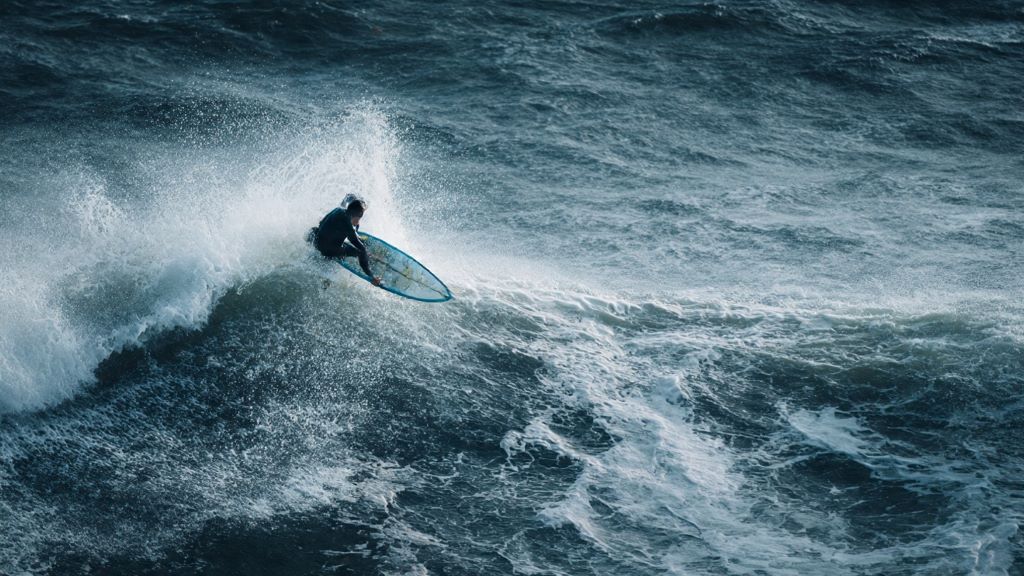
Physical tension represents another frequent problem among surfers learning chop hops. When riders feel nervous or uncertain, they naturally tense their muscles, which reduces flexibility and responsiveness. This rigidity makes it harder to absorb impacts and adjust to changing water conditions.
Relaxation doesn’t mean being loose or unfocused. Instead, it involves maintaining engaged muscles while keeping joints mobile and ready to move. Your knees, ankles, and hips should act as suspension systems that cushion rough water.
Furthermore, breathing properly helps reduce tension throughout your body. Many surfers hold their breath during challenging maneuvers, which increases stress and fatigue. Conscious, steady breathing keeps oxygen flowing to your muscles and helps maintain composure.
Ignoring Wind Direction
Wind creates choppy conditions, but it also affects how you should approach chop hops. Many riders fail to account for wind direction when planning their maneuvers, leading to unexpected results. Offshore winds, onshore winds, and side winds each require different adjustments.
Offshore winds tend to smooth out the wave face but can create choppy sections near the peak. These conditions often provide the cleanest opportunities for chop hops. Onshore winds create more overall choppiness but can help you gain extra lift during your pop.
Additionally, understanding wind patterns throughout your session helps you choose the best waves and positions. Resources from the National Weather Service provide detailed wind forecasts that can inform your surf planning.
Lack of Progressive Practice
Attempting advanced chop hops before mastering basic techniques leads to frustration and slow progress. Many surfers skip fundamental skills in their eagerness to perform impressive maneuvers. This approach creates gaps in their ability that limit long-term development.
Starting with small bumps and low-speed hops builds confidence and proper form. As your technique improves, gradually increase the size of chops you attempt and the speed of your approach. This progressive method ensures you develop solid fundamentals while minimizing risk.
Moreover, practicing on different types of waves and in various conditions expands your skill set. Each session offers unique learning opportunities that contribute to your overall proficiency.
Poor Landing Technique
The landing phase often receives less attention than the takeoff, yet it’s equally important for successful chop hops. Common landing mistakes include straightening your legs too soon, leaning too far back, or failing to absorb the impact properly.
Effective landings require bent knees and active absorption of the impact force. Your legs should compress as the board touches down, distributing the shock throughout your lower body. Simultaneously, your arms move downward to help stabilize your upper body and maintain balance.
Therefore, visualizing smooth landings before each attempt improves your actual execution. Mental preparation helps your body respond correctly when the moment arrives.
Conclusion
Mastering chop hop surfing requires attention to multiple technical elements working together harmoniously. The most common mistakes involve weight distribution errors, timing issues, inadequate arm movement, and improper vision focus. Additionally, equipment selection, body tension, wind awareness, progressive practice, and landing technique all play critical roles in your success.
By identifying these common pitfalls and implementing the suggested corrections, you’ll see noticeable improvements in your chop hop performance. Remember that consistent practice in varied conditions builds the skills and confidence needed to handle choppy water with ease. Focus on one or two areas at a time rather than trying to fix everything simultaneously. This targeted approach leads to faster progress and more enjoyable sessions in challenging conditions.
Frequently Asked Questions
What is a chop hop in surfing?
A chop hop is a technique where surfers use choppy water sections to launch their board slightly off the wave face, creating a small aerial maneuver. This skill helps maintain speed and flow through rough water conditions.
How do I know when to start my chop hop?
Watch the water ahead and begin your pop motion just as your board starts climbing the choppy section. Timing depends on your speed, with faster approaches allowing slightly later pops.
What type of surfboard works best for chop hops?
Boards with moderate volume, manageable length, and versatile tail designs perform well in choppy conditions. The ideal board varies based on your skill level, weight, and the specific wave conditions you’re surfing.
Can beginners learn chop hops safely?
Yes, beginners can start with small bumps and low speeds in controlled conditions. Progressive practice from simple to complex movements ensures safe skill development without overwhelming new surfers.
How does wind affect chop hop difficulty?
Wind direction significantly impacts chop hop execution. Offshore winds generally create cleaner conditions with isolated choppy sections, while onshore winds create overall choppiness that requires constant adjustment and can provide extra lift.
Related Topics: