Your car’s transmission is the unsung hero, silently orchestrating gear changes to deliver optimal power and control. But just like any hardworking component, it relies on proper maintenance to function smoothly. One essential aspect of this care is the regular replacement of transmission fluid. However, many drivers might wonder: what happens if I neglect to change the transmission fluid?
In this article, we’ll delve into the consequences of skipping transmission fluid changes, exploring the impact on your car’s performance, longevity, and ultimately, your wallet. We’ll also address a common concern – can changing the fluid after a long period of neglect actually cause problems?
The Marvel of Transmission Fluid: More Than Just Lubrication
Transmission fluid plays a multifaceted role within your car’s transmission system. It acts as a lubricant, reducing friction between moving parts to ensure smooth gear changes. But that’s not all. The fluid also:
- Dissipates Heat: The transmission generates significant heat during operation. Transmission fluid helps transfer this heat away from critical components, preventing overheating and component wear.
- Carries Contaminants: As the transmission functions, tiny metal shavings and clutch debris are produced. The fluid acts as a carrier, transporting these contaminants to the filter where they’re trapped, preventing them from harming internal parts.
- Hydraulic Pressure Transmission: Automatic transmissions rely on hydraulic pressure to engage and disengage gears. The fluid serves as the medium for transmitting this pressure, ensuring precise and timely gear changes.
The Downside of Neglect: When Transmission Fluid Loses its Magic
Over time, transmission fluid degrades due to heat exposure, contamination build-up, and the breakdown of its additives. This breakdown results in several negative consequences:
- Reduced Lubrication: Worn-out fluid loses its lubricating properties, increasing friction between parts. This leads to rough shifting, delayed gear changes, and a general feeling of sluggishness when accelerating. In severe cases, it can even cause grinding noises and shuddering.
- Overheating: As the fluid loses its ability to dissipate heat, the transmission temperature climbs. This excessive heat accelerates fluid breakdown, creating a vicious cycle that can damage internal components.
- Increased Wear and Tear: Without proper lubrication and heat control, transmission components like gears, clutches, and synchronizers wear out prematurely. This can lead to costly repairs or even complete transmission failure.
- Contamination Issues: As the filter becomes saturated with debris, it loses its effectiveness. This allows contaminants to circulate within the system, causing further wear and tear.
Signs Your Transmission is Crying for Help: Be Mindful of These Symptoms
Early detection is key to preventing major transmission problems. Here are some telltale signs that your transmission fluid needs attention:
- Rough Shifting: The most common symptom is a noticeable jerk or hesitation during gear changes. This can range from a mild bump to a violent clunk.
- Slipping Gears: The car may struggle to maintain gear engagement, causing the engine RPMs to rev without a corresponding increase in speed.
- Delayed Gear Engagement: There might be a noticeable lag between selecting a gear and the car actually responding.
- Burning Smell: A strong burning odor emanating from the car can indicate severe overheating within the transmission.
- Warning Lights: Modern vehicles often have dashboard lights that illuminate if they detect a problem with the transmission.
The Controversy: Can a Late Change Cause More Problems?
There’s a lingering concern among some drivers that changing the transmission fluid after a long period of neglect can actually worsen existing problems. This can happen in rare cases, particularly with high-mileage vehicles.
Here’s why:
- Worn Clutch Plates Relying on Friction: Over time, worn clutch plates might depend on the slightly thicker consistency or increased friction provided by the degraded fluid to function properly. Replacing the fluid with fresh, thinner fluid can initially cause slipping issues until the clutches wear in or are replaced.
- Dislodging Debris: Fresh fluid can dislodge built-up debris that was previously keeping worn components from binding completely. This can temporarily worsen symptoms until the contaminants are flushed out through a complete fluid change with a filter replacement.
Important Note: This scenario is not a reason to skip a fluid change altogether. Postponing the service will only exacerbate the underlying problems and lead to a more expensive repair down the line. If you’re concerned about a high-mileage vehicle with potential transmission issues, consult a qualified mechanic who can assess the situation and recommend the best course of action.
Following the Right Schedule: How Often Should You Change Transmission Fluid?
The recommended interval for changing transmission fluid varies depending on your car’s make, model, and driving conditions. Refer to your owner’s manual for the manufacturer’s specific recommendations.
Preventing Premature Damage: Stick to a Maintenance Plan
Here’s a general guideline, but always defer to your owner’s manual:
- Routine Driving: For everyday drivers, most manufacturers recommend changing the fluid every 30,000 to 60,000 miles.
- Severe Driving Conditions: If you frequently tow a trailer, haul heavy loads, or drive in stop-and-go traffic, more frequent fluid changes might be necessary. Some experts recommend changing the fluid as often as every 15,000 miles.
Don’t Forget the Filter! Replacing the transmission filter is equally important to changing the fluid itself. A clogged filter restricts fluid flow and leaves your transmission vulnerable to damage.
The Bottom Line: Why a Transmission Fluid Change is Worth the Cost
By proactively changing your transmission fluid and filter, you’re making a smart investment in your vehicle’s performance, longevity, and resale value. Think of it this way: the cost of a transmission fluid change is a fraction of the price of repairing or replacing a failed transmission. Additionally, you’ll benefit from:
- Improved Fuel Efficiency: A well-lubricated and smoothly operating transmission allows your engine to work less hard, potentially leading to marginal gains in gas mileage.
- Smoother Driving Experience: Crisp gear shifts and a more responsive feel will give your ride an improved overall feel, resulting in a more comfortable and enjoyable driving experience.
- Peace of Mind: Knowing that your car’s transmission is well-maintained brings a level of worry-free driving that’s hard to put a price on.
A Word of Caution: Not All Fluids are Equal
Using the correct type of transmission fluid, as specified in your car’s owner’s manual, is paramount. Using the wrong fluid can have disastrous consequences, possibly resulting in severe internal damage.
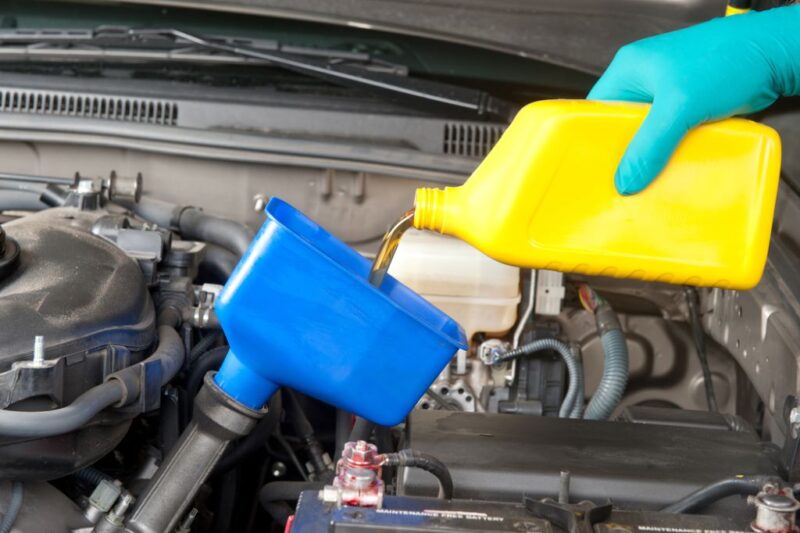
Additionally, while many car owners with mechanical knowledge tackle transmission fluid changes at home, some transmissions require specialized tools or procedures. If you’re unsure, err on the side of caution and consult a reputable mechanic. They’ll have the skills and experience to ensure the service is done properly.
In Conclusion
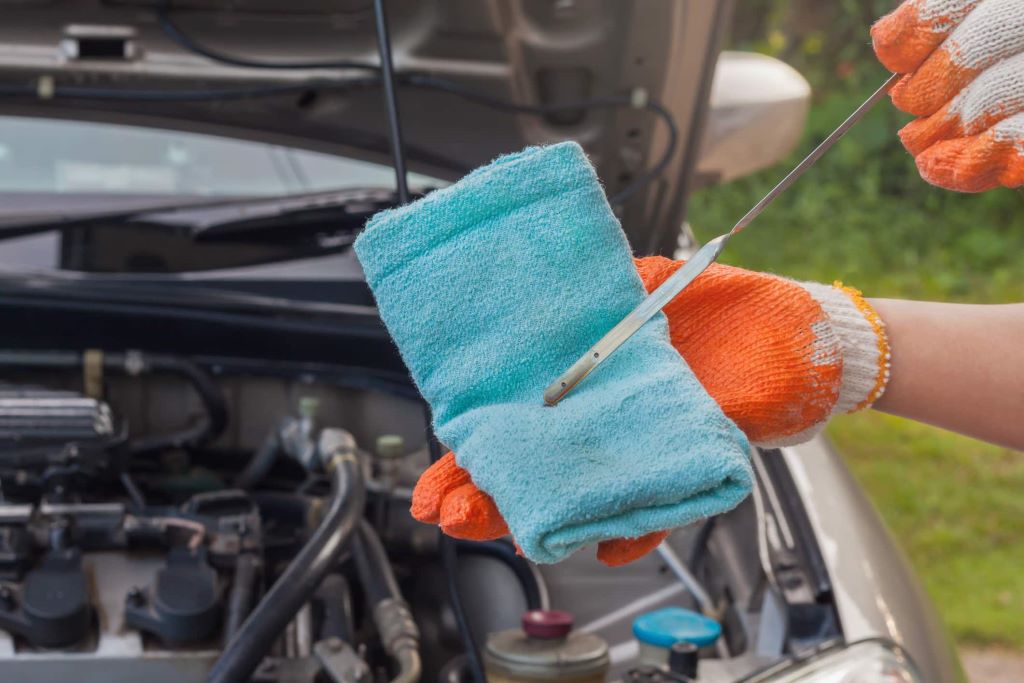
Don’t gamble with the health of your car’s transmission. Keep an eye on the fluid’s condition (many cars have a dipstick to check the fluid level and color), stick to the recommended servicing schedule, and use the correct type of transmission fluid. Your car – and your wallet – will thank you for it!