
Injuries are a common occurrence, especially in the workplace. Understanding what happens in your body in the immediate aftermath of an injury is crucial. This knowledge can help you take timely action, assist an injured colleague, and inform decisions about seeking medical care.
The Moment of Impact
The first moments after an injury involve a complex chain of physiological responses designed to stop bleeding, initiate repair, and protect the body from further harm. These processes unfold rapidly, even for seemingly minor incidents.
- Pain Signals: Our bodies are equipped with an intricate network of pain receptors. Upon injury, these receptors send signals to the brain, alerting us that damage has occurred. This pain response helps us react quickly to minimize further damage.
- Vasoconstriction and Clotting: If blood vessels are damaged, one of the first reactions is vasoconstriction – the blood vessels narrow to limit blood loss. Simultaneously, the body activates a clotting cascade. Platelets, tiny cells in the blood, clump together at the injury site, forming a temporary plug. Specialized proteins, such as fibrin, create a mesh-like structure to reinforce the clot, preventing excessive bleeding.
The Inflammatory Response
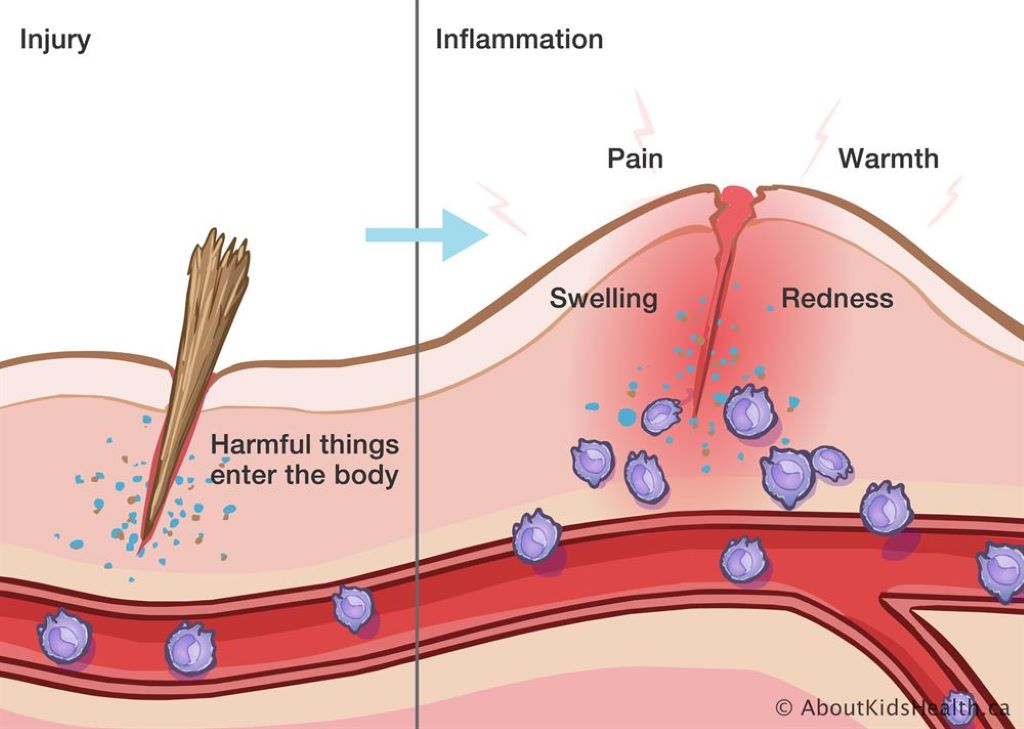
Within minutes of injury, the inflammatory response begins. This might seem counterintuitive since we often associate inflammation with negative effects. However, acute inflammation is a critical part of the healing process.
- Immune Cell Mobilization: White blood cells, your body’s defense system, rush to the injured area. They clean up debris from damaged cells, fight off any bacteria that may have entered the wound, and release chemical signals to coordinate healing processes.
- Swelling and Redness: The increased blood flow and accumulation of fluids at the injury site lead to visible redness, swelling, and warmth. Swelling may seem inconvenient, but it serves a purpose; it helps to immobilize the affected area and brings in important healing factors.
- Chemical Changes: Injured tissues release a complex array of chemicals. Some of these chemicals increase your sensitivity to pain, reminding you to protect the injured site. Others play a key role in tissue repair and regeneration.
Understanding the Severity of an Injury
While the body’s early responses are remarkably similar across different types of injuries, it’s important to be able to identify signs that may indicate a more serious situation:
- Severe bleeding: Uncontrollable bleeding requires immediate medical attention.
- Deformity or instability: Suspected fractures or dislocations need professional evaluation and treatment.
- Changes in consciousness: Any loss of consciousness, confusion, or severe headache after an injury warrants urgent medical help.
- Persistent or worsening symptoms: Lingering pain that doesn’t improve over time, increasing swelling, or changes in sensation may highlight an underlying issue needing attention.
Why is Attitude an Important Fitness Level Factor to Consider?
Actions to Take Following a Workplace Injury
If you or a colleague experience an injury at work, taking quick and informed steps is crucial:
- Assess the situation: Evaluate the severity of the injury. Is there significant bleeding, deformity, or altered consciousness?
- Provide first aid: If possible, administer basic first aid measures like controlling bleeding or applying ice.
- Seek medical attention: For anything beyond a minor cut or bruise, consult a medical professional. Follow your workplace’s specific procedures for reporting injuries.
- Document the incident: Take detailed notes about the circumstances of the injury and the initial symptoms experienced. This information can be helpful for potential insurance claims or workplace safety improvements.
Beyond the Immediate: The Healing Process Continues
The body’s work doesn’t end with the immediate responses at the time of injury. In the subsequent days, weeks, and even months, a remarkable series of events unfolds aimed at tissue repair and restoring function. Understanding these later stages of healing informs realistic expectations for recovery and the importance of following medical advice regarding rehabilitation and return-to-work protocols.
By understanding how our bodies react to an injury, we’re empowered to make educated decisions about our well-being and contribute to a more informed and supportive workplace environment.