At first glance, the question might seem absurd — If tomatoes are a fruit, is ketchup a smoothie? But it’s precisely the kind of playful curiosity that opens the door to interesting discussions about culinary classifications, nutrition, and food science. With the rise in quirky food debates online, this question has gained popularity for its humorous yet mind-boggling twist on definitions. As we dig into the answer, we’ll also explore the science and culture of how we label food.
If you love curious food facts, recipes, or just want to know more about fruits in general, you should definitely check out fruitnfood.com — a goldmine for food enthusiasts who love diving into these kinds of questions.
Now, let’s unpack this viral debate and settle it once and for all.
First, Are Tomatoes Really a Fruit?
To answer this question, we need to look at both botanical science and culinary practice. Botanically speaking, a fruit is the part of a flowering plant that contains seeds and develops from the ovary of a flower. By this definition, tomatoes, along with cucumbers, pumpkins, and even eggplants, are classified as fruits.
However, in culinary terms, tomatoes are commonly referred to as vegetables due to their savory taste and usage in dishes. In fact, this led to a famous U.S. Supreme Court ruling in 1893 (Nix v. Hedden), which legally categorized tomatoes as vegetables for taxation purposes.
So, scientifically, tomatoes are fruits. But the story doesn’t end there.
If Tomatoes Are Fruit, Is Ketchup a Smoothie?
You might be wondering — if tomatoes are fruit, is ketchup a smoothie? It’s a hilarious but genuinely intriguing question that deserves a closer look. We explore this very concept in-depth on ketchup smoothie breakdown, which clarifies the ingredients, methods, and intentions behind both ketchup and smoothies.
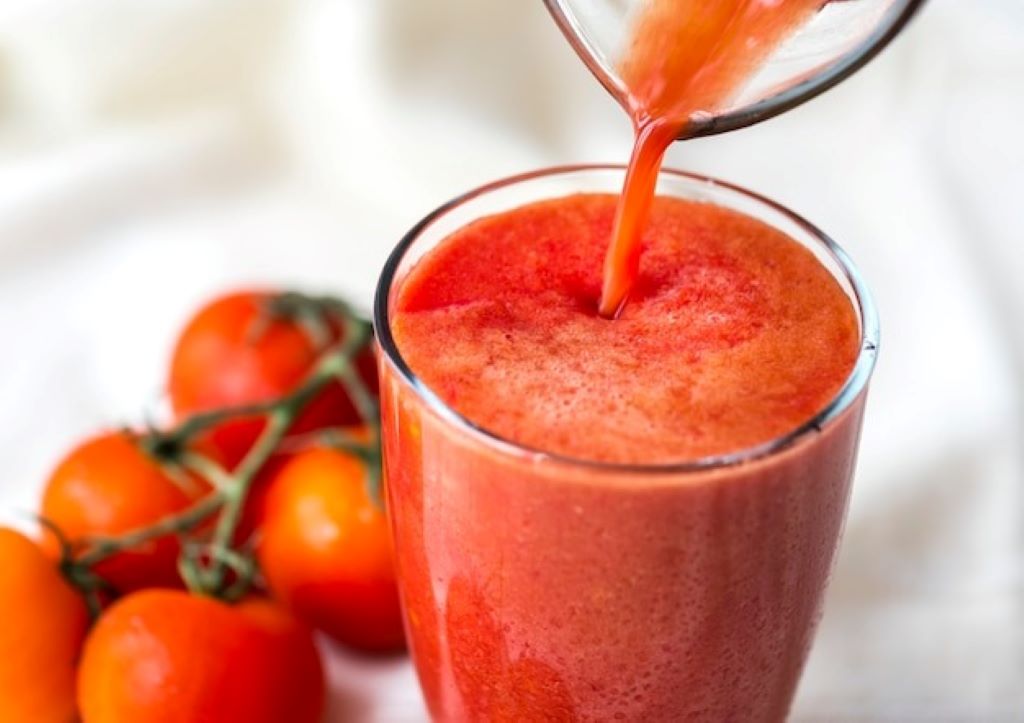
So, what is a smoothie? Typically, a smoothie is a blended beverage made from fruits, vegetables, liquids (like milk, juice, or yogurt), and occasionally added sweeteners or supplements. The goal is often to create a refreshing, nutritious drink.
Ketchup, on the other hand, is a processed condiment made mainly from cooked tomatoes, sugar, vinegar, and spices. It’s heated, preserved, and intended to complement other foods rather than be consumed on its own as a drink.
Therefore, even though both involve blended fruits, their purpose, preparation, and presentation are fundamentally different. It’s like comparing chocolate syrup to chocolate milk — similar components, vastly different contexts.
Key Differences Between Ketchup and Smoothies
Let’s break down the comparison:
- Ingredients: Smoothies often use raw fruits and natural sweeteners. Ketchup is made from cooked tomatoes, sugar, vinegar, salt, and spices.
- Texture: Smoothies are thick but drinkable. Ketchup is thicker and stickier — meant to cling, not to sip.
- Purpose: Smoothies are beverages, consumed on their own. Ketchup is a condiment, served with other foods.
- Preparation Method: Smoothies are usually blended raw. Ketchup involves cooking and preserving.
So while ketchup is technically made from a fruit, it doesn’t meet the criteria of a smoothie.
Why This Debate Catches Fire Online
Social media thrives on food debates that are both humorous and brain-twisting. From whether cereal is soup to whether a hot dog is a sandwich, these discussions become viral because they challenge how we define everyday things.
The question “if tomatoes are fruit, is ketchup a smoothie?” has become a meme-worthy food philosophy prompt. It forces us to examine the limitations of our classifications and laugh at our own logic gaps.
But beyond the humor lies a genuine curiosity: How do we label our food, and why?
The Science of Food Classification
Food classification is based on two major systems:
- Botanical Classification: Based on the plant’s biological structure.
- Culinary Classification: Based on taste and usage in recipes.
Tomatoes are a perfect example of this conflict. Botanically a fruit, but culinarily a vegetable. The same confusion applies to avocados, bell peppers, and zucchinis.
Smoothies, on the other hand, are defined by their function and form. They’re drinks, often used as meal supplements or health boosters. Ketchup’s main purpose is not nutrition but flavor enhancement, preservation, and condiment usage.
This disqualifies it from being considered a smoothie by culinary standards.
Historical Origins of Ketchup
Ketchup didn’t even start as a tomato product. Its roots can be traced back to fermented fish sauces in Southeast Asia known as “kecap” (pronounced kay-chap). When British traders brought it back, they adapted the sauce using mushrooms, walnuts, and eventually tomatoes.
By the 19th century, tomato-based ketchup became a household staple in America. It was designed for long shelf life, bold flavor, and as a complement to meats and fries — not for drinking or blending in your morning fruit bowl.
Are There Tomato-Based Smoothies?
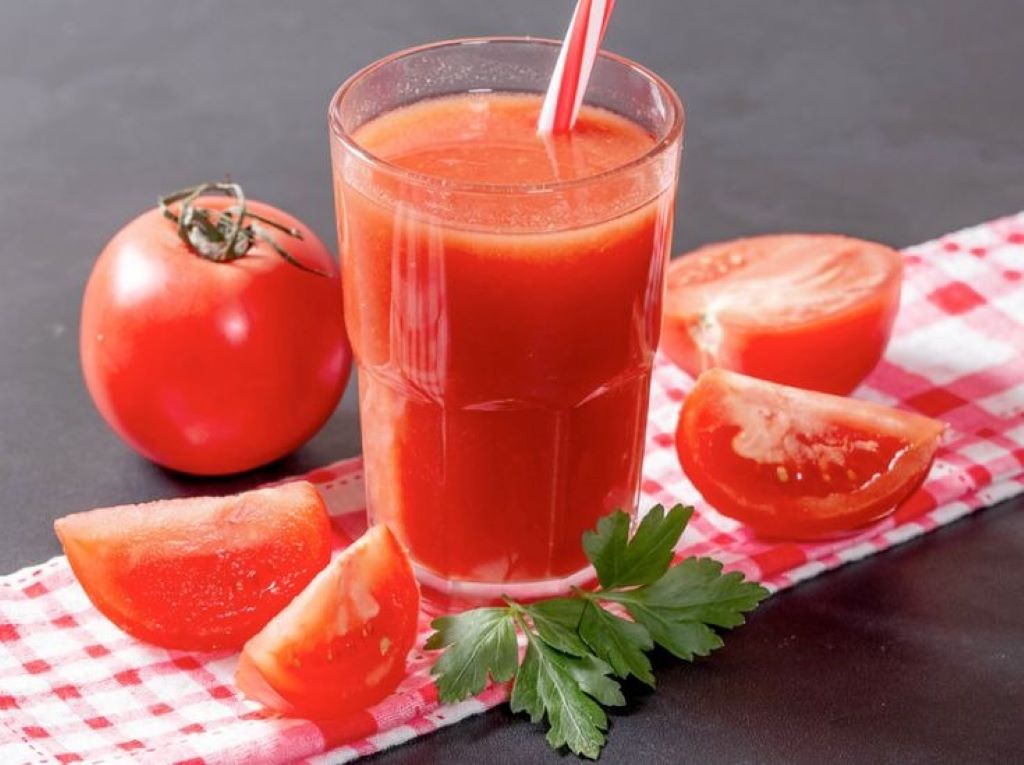
Yes, there are! In fact, tomato juice is a popular base in drinks like Bloody Marys or veggie smoothies. When tomatoes are used raw and blended with other fruits or vegetables, they qualify as a smoothie component. These are very different from ketchup.
You can experiment at home: blend fresh tomatoes, cucumbers, celery, and a bit of lemon juice. The result is a refreshing veggie smoothie — far from the sugary thickness of ketchup.
Expert Opinions on the Debate
According to Harvard’s School of Public Health, tomatoes offer high levels of lycopene and other antioxidants, making them a valuable fruit (nutritionally speaking). But dietitians unanimously agree: ketchup’s sugar and sodium content put it in the processed condiment category, not in the healthy smoothie aisle.
In a BBC interview on food labeling, experts highlight how food labels are more cultural than scientific, which is why these debates persist.
FAQs
-
Is ketchup considered a smoothie in any cuisine?
No, ketchup is universally regarded as a condiment. While both ketchup and smoothies involve blended ingredients, ketchup is preserved and spiced, making it unsuitable as a smoothie.
-
Can I use fresh tomatoes to make a smoothie?
Absolutely! Fresh tomatoes can be a delicious, low-calorie addition to veggie smoothies. They pair well with cucumber, spinach, lemon, and even watermelon.
-
Why do people say ketchup is a smoothie if tomatoes are fruit?
It’s mostly a joke or thought experiment that plays on logic — if a smoothie is blended fruit, and ketchup is made from fruit (tomatoes), is ketchup a smoothie? The answer is no, due to the added sugar, vinegar, and cooking process.
-
What makes a food a smoothie versus a sauce or condiment?
A smoothie is a cold, blended beverage typically consumed on its own. A sauce or condiment, like ketchup, is designed to complement other foods and often includes preservatives and spices.
-
Does ketchup have any health benefits?
While tomatoes are rich in antioxidants, ketchup is often high in sugar and sodium. Consumed in moderation, it’s fine, but it’s not a health food or a substitute for fresh fruits.
Conclusion: The Verdict
So, if tomatoes are fruit, is ketchup a smoothie? The answer is a definitive no — at least not by any culinary, scientific, or nutritional standard. While both ketchup and smoothies can include blended fruits, their preparation, ingredients, intent, and usage are entirely different.
This fun question teaches us about the complexities of food classification and why context matters. It also shows the fluidity between science and culinary tradition. Whether you’re dipping fries or sipping a green smoothie, it’s fascinating to consider what truly defines the food we eat.
Read More: Simple Vegan Family Meals: Easy Recipes Everyone Will Enjoy