
Picture this: you’ve carefully applied Citristrip to that antique dresser you’ve been meaning to refinish for months. The paint is bubbling beautifully, and you decide to grab a quick lunch while it works its magic. Four hours later, you return to find the surface looking nothing like you expected. If you’ve ever wondered what happens when paint remover sits too long on wood, metal, or other surfaces, you’re about to discover why timing is everything in furniture restoration.
Understanding Citristrip: The Gentle Paint Remover
Citristrip has revolutionized the paint removal industry by offering a safer alternative to harsh chemical strippers. This citrus-based paint stripper contains N-methyl-2-pyrrolidone (NMP) and dibasic esters, making it less toxic than traditional methylene chloride products. Unlike aggressive chemical strippers that work in minutes, Citristrip is designed for a slower, more controlled paint removal process.
The product typically requires 30 minutes to 24 hours of dwell time, depending on the number of paint layers and surface type. However, many DIY enthusiasts and professional refinishers wonder about the consequences of exceeding these recommended timeframes.
What Actually Happens When Citristrip Overstays Its Welcome
Wood Surfaces: The Most Common Concern
When Citristrip remains on wood surfaces beyond the recommended time, several issues can emerge. The extended exposure can cause the stripper to penetrate deeper into the wood grain, potentially raising the wood fibers and creating a fuzzy texture that requires extensive sanding to correct.
Prolonged contact may also lead to darkening or staining of certain wood types, particularly softer woods like pine or poplar. The citrus-based formula can react with tannins in the wood, creating discoloration that may be difficult to remove without aggressive sanding or bleaching treatments.
Metal Surfaces: Corrosion Risks
On metal surfaces, leaving chemical paint remover on too long poses different challenges. While Citristrip is gentler than traditional strippers, extended exposure can still promote oxidation and surface corrosion, especially on ferrous metals like steel and iron. This can result in pitting, rust formation, or surface etching that compromises both appearance and structural integrity.
Painted Surfaces: Over-Softening Effects
When paint stripper gel sits too long on multiple paint layers, it can over-soften the substrate, making removal more difficult rather than easier. The paint may become gummy or stringy, adhering more stubbornly to the surface and requiring additional applications or mechanical removal methods.
Time Guidelines: How Long Is Too Long?
Understanding proper dwell times is crucial for successful paint removal projects. For most applications, Citristrip should remain on surfaces between 30 minutes and 24 hours. However, these guidelines vary significantly based on several factors:
| Surface Type | Recommended Dwell Time |
|---|---|
| Single Paint Layer | 30 minutes to 3 hours |
| Multiple Paint Layers | 3 to 8 hours |
| Stubborn or Thick Coatings | 8 to 24 hours |
| Delicate Surfaces | Monitor every 30 minutes |
Environmental conditions also affect timing. Higher temperatures accelerate the chemical process, while cooler conditions slow it down. Humidity levels can impact evaporation rates, potentially requiring plastic film coverage to prevent premature drying.
Signs You’ve Left It On Too Long
Recognizing the warning signs of over-application can help minimize damage to your project. Visual indicators include:
- Excessive darkening of wood surfaces beyond normal staining
- White or chalky residue formation on the surface
- Extreme softening of the substrate material
- Formation of a thick, gel-like layer that resists removal
- Evidence of surface etching or texture changes
- Uneven color variations across the treated area
The paint removal process should result in clean, even stripping without damage to the underlying material. If you notice any of these warning signs, immediate action is necessary to prevent further complications.
Damage Control: What to Do When Things Go Wrong
Immediate Removal Protocol
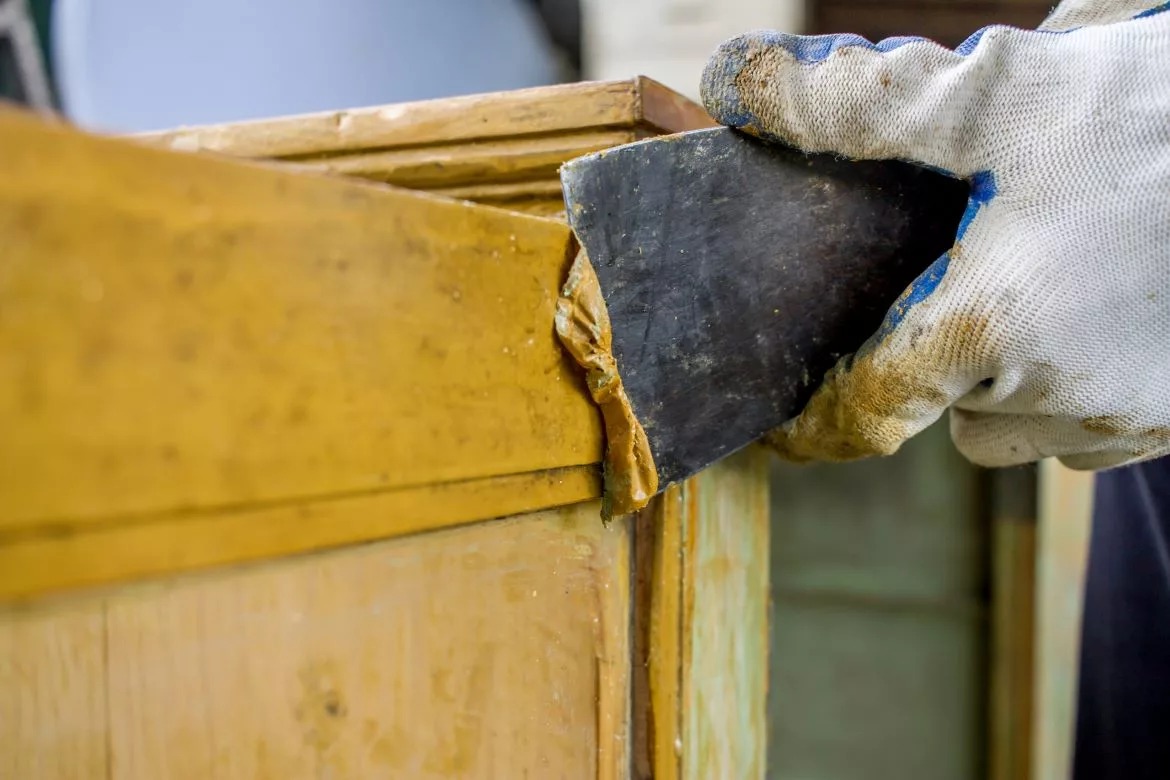
Begin by removing as much of the stripper as possible using a plastic scraper, working in the direction of the wood grain if applicable. Avoid using metal scrapers, which can cause additional surface damage.
Neutralization Process
After mechanical removal, neutralize the surface according to manufacturer instructions. This typically involves washing with mineral spirits or a specialized neutralizing solution to stop the chemical action and remove residual stripper.
Surface Assessment and Repair
Once cleaned and dried, assess the extent of any damage. Light staining may respond to oxalic acid wood bleaching, while raised grain requires careful sanding with progressively finer grits. For metal surfaces, evaluate corrosion damage and treat with appropriate rust inhibitors or primers.
Prevention Strategies: Timing Your Application Right
Successful paint stripping requires careful planning and monitoring. Start with test areas to determine optimal dwell times for your specific project. Set timers and check progress regularly rather than leaving the application unattended for extended periods.
Consider environmental factors when planning your timeline. Work during moderate temperature and humidity conditions when possible, and have proper ventilation to ensure safe working conditions throughout the process.
Professional Tips for Optimal Results
Experienced furniture refinishers recommend several best practices for safe chemical stripping. Apply thin, even coats rather than thick applications that may require longer dwell times. Use plastic sheeting to prevent premature drying in dry conditions, but remove it periodically to check progress.
Keep detailed records of application times and results for different surface types and paint systems. This documentation becomes invaluable for future projects and helps develop timing instincts for various scenarios.
For valuable or delicate pieces, consider working in small sections to minimize risk. This approach allows for better control and immediate correction if problems arise.
Alternative Approaches When Time Goes Wrong
When paint remover has been left on too long and caused damage, consider alternative refinishing approaches. Heavy sanding may be necessary to remove staining or texture issues, but this also provides an opportunity to create a completely fresh surface for new finishes.
In severe cases, professional restoration services may be necessary, particularly for valuable antiques or items with sentimental significance. Professional refinishers have access to specialized equipment and techniques that can address damage beyond typical DIY capabilities.
Safety Considerations and Best Practices
Throughout any paint removal project, prioritize safety with proper personal protective equipment, including chemical-resistant gloves, eye protection, and appropriate respiratory protection. Work in well-ventilated areas and follow all manufacturer safety guidelines.
Store unused products properly and dispose of waste materials according to local environmental regulations. Many communities have specific requirements for disposing of paint strippers and removed paint materials.
Related Topic: Replace a Damaged Door Jamb Corner
Conclusion: Mastering the Art of Timing
Success with Citristrip and similar paint removal products depends heavily on understanding proper timing and monitoring techniques. While leaving the product on too long can create challenges, most issues are repairable with patience and appropriate techniques.
The key lies in regular monitoring, understanding your specific project requirements, and being prepared to act quickly when necessary. Remember that each surface and paint system may react differently, making test areas and careful observation essential components of any successful stripping project.
Ready to tackle your next paint removal project with confidence? Start by testing Citristrip on a small, inconspicuous area to determine optimal timing for your specific situation. Document your results, set up proper monitoring schedules, and remember that patience and attention to detail are your best tools for achieving professional-quality results. Whether you’re restoring a treasured family heirloom or refreshing everyday furniture, proper technique and timing will ensure your project succeeds beautifully.