

Surfing demands perfect balance, quick reflexes, and unwavering confidence in your equipment. While most surfers focus on selecting the right board and wetsuit, footwear often gets overlooked. Yet, what you wear on your feet can dramatically transform your performance on the waves. The right surf footwear creates a secure connection between you and your board, allowing you to focus on technique rather than worrying about slipping.
Many surfers struggle with maintaining stability, especially when conditions get challenging. Cold water, reef breaks, and rocky entries all present unique obstacles. Fortunately, modern surf footwear has evolved significantly, offering solutions that protect your feet while enhancing your connection to the board. Understanding how to choose and use these specialized shoes can elevate your surfing experience from frustrating to exhilarating.
Understanding the Importance of Proper Surf Footwear
Traditional surfing purists might argue that bare feet provide the best board feel. However, this approach comes with significant limitations. Sharp rocks, coral reefs, sea urchins, and cold temperatures can all cut sessions short or cause injuries. Moreover, bare feet often slip on waxed surfaces, particularly when water temperature affects wax consistency.
Quality surf shoes solve these problems without sacrificing performance. They create a protective barrier while maintaining sensory feedback from the board. The key lies in selecting footwear specifically designed for surfing rather than general water sports. Regular water shoes lack the specialized features that surfers need for optimal performance.
Additionally, surf-specific footwear addresses the unique biomechanics of surfing. The sport requires explosive movements, quick weight transfers, and sustained balance on an unstable surface. Shoes designed for these demands incorporate features that support these actions rather than hindering them.
Key Features That Enhance Board Connection
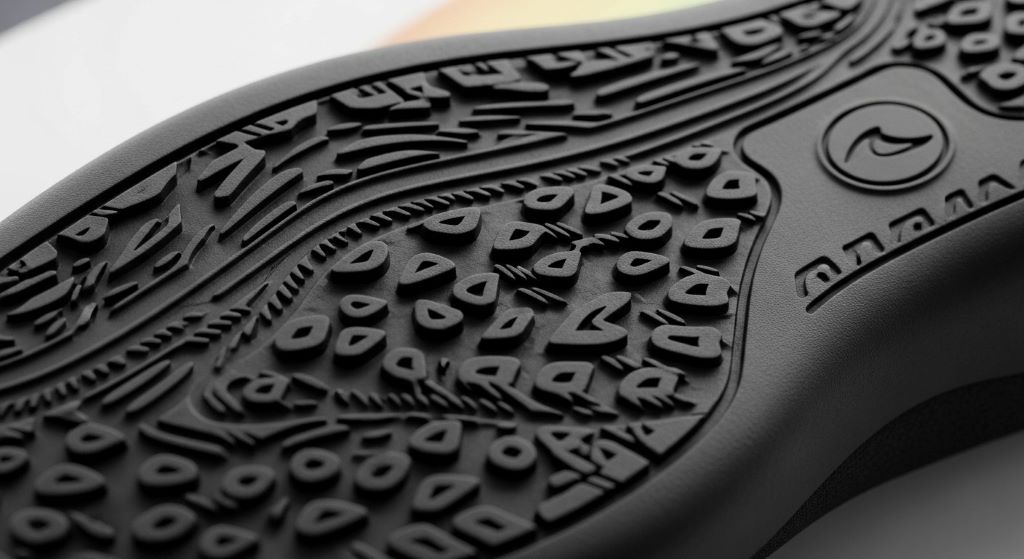
The foundation of effective surf footwear starts with the sole design. Advanced materials and patterns work together to create maximum contact with your board’s surface. Manufacturers now use proprietary rubber compounds that remain flexible in various temperatures while providing exceptional grip.
Traction patterns have evolved through years of testing and refinement. Modern designs feature multi-directional patterns that maintain hold during dynamic movements. These patterns channel water away from the contact surface, preventing hydroplaning that causes slips. Furthermore, the sole thickness matters significantly; too thick reduces board feel, while too thin offers inadequate protection.
The upper construction also plays a crucial role in stability. Secure fit systems prevent the shoe from shifting during aggressive maneuvers. Neoprene uppers stretch to accommodate foot swelling in cold water while maintaining snugness. Strategic reinforcement zones provide support without restricting natural foot movement.
Selecting the Right Sole Technology
Different wave conditions and surfing styles require different sole approaches. Understanding these variations helps you make informed choices. Soft rubber compounds excel in warm water conditions, molding to board contours for maximum surface contact. These materials work particularly well on traditional longboards where subtle weight shifts matter.
Conversely, firmer compounds suit high-performance surfing in colder conditions. They maintain their properties when temperatures drop, ensuring consistent performance. However, they require a break-in period to achieve optimal flexibility. The trade-off between durability and initial comfort is worth considering based on your surfing frequency.
Hybrid sole designs combine multiple compounds in strategic zones. Softer materials under the ball of the foot enhance sensitivity, while firmer heel sections provide stability during bottom turns. This segmented approach optimizes both feel and function. Therefore, many professional surfers prefer these advanced designs for their versatility.
Fitting and Sizing Considerations
Proper fit makes the difference between helpful equipment and hindrance. Surf shoes should feel snug without restricting circulation or causing pressure points. Remember that neoprene materials will stretch slightly with use, so new shoes might feel tighter than expected initially.
Sizing varies between brands, making trying before buying essential whenever possible. Your toes should have minimal space to move forward, preventing the shoe from shifting during pop-ups. However, excessive tightness leads to numbness and cramping during extended sessions. Pay attention to width as well as length; a properly fitted shoe accommodates your foot’s natural shape.
Consider the thickness of neoprene when selecting sizes. Thicker materials take up more internal space, potentially requiring a size adjustment. Additionally, some designs feature split-toe configurations that need different fitting approaches. These designs enhance balance by allowing your big toe independent movement, mimicking barefoot sensations while maintaining protection.
Breaking In Your New Surf Footwear
New surf shoes require a conditioning period for optimal performance. Start by wearing them around the house to identify any problem areas before hitting the water. This practice reveals pressure points that might need adjustment or indicate sizing issues.
Initial surf sessions should be shorter and in easier conditions. This approach allows you to adapt to the different board feel while minimizing fatigue from unfamiliar equipment. Furthermore, it gives the materials time to conform to your foot shape and movement patterns. Gradually increase session duration as comfort improves.
Some surfers accelerate the break-in process by soaking shoes in warm water before wearing them. This technique softens the neoprene, allowing it to mold more quickly. However, avoid hot water, which can damage adhesives and compromise structural integrity. Patience during this period pays dividends in long-term comfort and performance.
Maintenance for Longevity and Performance
Proper care extends the life of your surf shoes while maintaining their performance characteristics. Rinse them thoroughly with fresh water after every session, removing salt, sand, and organic matter. These contaminants degrade materials and harbor bacteria that cause odors.
Drying technique matters significantly for neoprene longevity. Avoid direct sunlight and heat sources, which break down rubber compounds and cause premature aging. Instead, hang shoes in a shaded, well-ventilated area. Turning them inside out speeds drying while preventing mildew growth in hard-to-reach areas.
Inspect your shoes regularly for signs of wear, particularly in high-stress areas. The sole pattern, seam integrity, and closure systems all need periodic evaluation. Small repairs, like regluing separated seams, prevent minor issues from becoming major problems. Additionally, rotating between two pairs extends the life of both by allowing complete drying between sessions.
Adapting Your Technique with Footwear
Transitioning from barefoot surfing to wearing shoes requires technical adjustments. The added thickness between your feet and board changes sensory feedback. Initially, this difference feels awkward, but most surfers adapt quickly with mindful practice.
Pop-up timing might need slight modification due to the extra material. Some surfers find they can push off more aggressively, actually improving their pop-up speed. Experiment with foot placement to find what works best with your new footwear. Moreover, turns might feel different initially as the shoes change your connection point with the board.
Balance adjustments typically happen subconsciously as your proprioceptive system adapts. However, deliberately practicing fundamental movements helps speed this process. Spend time in smaller waves focusing on basic maneuvers before attempting advanced tricks. This methodical approach builds confidence while allowing natural adaptation.
Comparing Different Sole Patterns
Manufacturers employ various pattern designs, each with specific advantages. Circular patterns provide omnidirectional grip, working well for surfers who frequently change stance or practice switch riding. These designs distribute pressure evenly, reducing hot spots during extended sessions.
Linear patterns excel in forward-focused surfing styles. They channel water efficiently along the board’s length, maintaining grip during nose rides or extended bottom turns. However, they offer less lateral stability for aggressive rail-to-rail surfing. Therefore, consider your primary surfing style when evaluating pattern types.
Hexagonal and geometric patterns represent newer innovations combining benefits of traditional designs. They offer multidirectional stability while efficiently managing water flow. These patterns often incorporate varying depths, creating micro-suction effects that enhance grip without requiring excessive pressure. Consequently, they reduce foot fatigue during long sessions.
Temperature Considerations and Seasonal Use
Water temperature dramatically affects both your comfort and equipment performance. Cold water requires thicker neoprene for thermal protection, typically ranging from three to five millimeters. This additional insulation maintains foot function when circulation naturally decreases in cold conditions.
Warm water allows thinner materials, improving board feel and reducing weight. One to two millimeter booties provide adequate protection against rocks and reef while maintaining sensitivity. Some surfers prefer hybrid designs with thinner bottoms and thicker tops, balancing protection with performance.
Seasonal surfers benefit from owning multiple pairs suited to different conditions. This investment ensures optimal performance year-round while preventing premature wear from using inappropriate footwear. Additionally, alternating between pairs extends the overall lifespan of your collection through reduced individual use.
Impact on Different Surfing Disciplines
Longboarding demands exceptional board feel for subtle weight shifts and nose riding. Thin, flexible soles work best, allowing you to sense exactly where your weight sits on the board. The increased stability from non-slip surf boots enhances confidence during cross-stepping and hang-five maneuvers.
Shortboarding requires durability and responsive feedback during aggressive movements. Slightly firmer soles provide the support needed for powerful bottom turns and aerial maneuvers. The secure fit becomes even more critical as forces increase during high-performance surfing.
Stand-up paddleboarding benefits from footwear that balances padding with stability. The larger board surface area reduces grip requirements, but prolonged standing creates different pressure points. Cushioned midsoles reduce fatigue without significantly compromising board connection. Therefore, SUP-specific designs often feature enhanced arch support and padding.
Environmental Considerations and Sustainable Choices
Modern surfers increasingly prioritize environmental responsibility in equipment choices. Many manufacturers now use recycled materials and sustainable production methods. Limestone-based neoprene alternatives reduce petroleum dependency while offering comparable performance characteristics.
Durability represents another aspect of environmental consciousness. Higher-quality footwear lasts longer, reducing waste and resource consumption over time. While initial costs might be higher, the extended lifespan makes sustainable options economically sensible.
Supporting companies with strong environmental commitments creates market pressure for continued improvement. Research brand practices regarding materials sourcing, manufacturing processes, and end-of-life recycling programs. Your purchasing decisions contribute to broader industry shifts toward sustainability.
Troubleshooting Common Issues
Slipping inside your shoes indicates improper fit or worn-out materials. Before replacing them, try adjusting closure systems or wearing neoprene socks for additional friction. If problems persist, the shoes may have stretched beyond useful life.
Excessive water retention suggests compromised drainage systems or material degradation. Inspect for clogged drain holes and clear them carefully. However, if the neoprene feels heavy and waterlogged immediately after purchase, consider exchanging for a different model with better drainage design.
Discomfort during specific movements often relates to sizing or break-in issues rather than fundamental design flaws. Identify exactly when pain occurs and experiment with different lacing or strap adjustments. Persistent problems might require professional fitting advice or trying alternative brands with different fit characteristics.
Advanced Features for Serious Surfers
Innovation continues pushing surf footwear boundaries with features once considered impossible. Integrated arch support systems provide medical-grade foot alignment without bulk. These designs particularly benefit surfers with pronation issues or previous injuries.
Antimicrobial treatments reduce odor and prevent infections from prolonged exposure to marine environments. Silver ion technology and other treatments maintain effectiveness through numerous wash cycles. Additionally, quick-dry linings improve comfort between sessions during surf trips.
Replaceable sole systems allow you to refresh grip without buying entirely new shoes. This modular approach reduces waste while maintaining optimal performance. Though less common currently, this innovation represents the future direction of sustainable surf equipment.
Training and Conditioning with Surf Footwear
Incorporating footwear into your surf training maximizes its benefits. Balance board exercises while wearing your shoes familiarize your feet with the different sensation. This practice builds specific muscle memory that translates directly to wave riding.
Strength training for feet and ankles becomes even more important when using footwear. Exercises like toe curls, heel raises, and ankle rotations maintain joint health and muscular balance. The additional material changes biomechanical loads slightly, making targeted conditioning valuable.
Flexibility work prevents stiffness from the somewhat restrictive nature of neoprene. Regular stretching maintains range of motion in toes and ankles. Moreover, this practice reduces injury risk when you occasionally surf barefoot or wear different footwear types.
Making the Investment Decision
Quality surf footwear represents a significant investment for many surfers. Evaluate your surfing frequency, local conditions, and performance goals when setting a budget. Frequent surfers in challenging environments benefit most from premium options, while occasional weekend warriors might find mid-range products adequate.
Consider the total cost of ownership rather than just purchase price. Durable shoes that last multiple seasons ultimately cost less than repeatedly replacing cheaper alternatives. Additionally, performance benefits and injury prevention have value that extends beyond simple dollar calculations.
Sales and end-of-season discounts offer opportunities to acquire premium footwear at reduced prices. However, ensure discontinued models still meet your needs rather than buying something unsuitable simply because it costs less. The right footwear enhances your surfing experience immeasurably, making it worth the investment.
Conclusion
Improving board stability with proper surf footwear transforms your surfing experience across all skill levels and conditions. The right shoes protect your feet while enhancing your connection to the board through advanced sole technology and thoughtful design. From understanding key features like wave grip sole patterns to maintaining your equipment properly, each aspect contributes to better performance.
Selecting appropriate traction surf footwear requires considering your specific needs, local conditions, and surfing style. Whether you prioritize warmth, sensitivity, or durability, modern options address virtually every requirement. The initial adjustment period quickly gives way to improved confidence and expanded surfing possibilities.
Remember that footwear represents just one component of successful surfing. Proper technique, physical conditioning, and ocean knowledge remain fundamental. However, quality surf shoes eliminate one variable, allowing you to focus entirely on riding waves. This peace of mind proves invaluable when conditions become challenging or you push your limits.
Investing in appropriate footwear demonstrates commitment to your surfing progression. The protection, performance, and versatility they provide justify the expense many times over. As you spend more time in the water, you will appreciate how this seemingly small piece of equipment makes such a significant difference in your overall surfing experience.
Frequently Asked Questions
Can I use regular water shoes for surfing?
Regular water shoes lack the specialized features surfers need for optimal performance. They typically have flat soles without proper grip patterns and looser fits that shift during dynamic movements. Surf-specific footwear incorporates advanced rubber compounds, drainage systems, and secure closures designed specifically for wave riding demands.
How often should I replace my surf shoes?
Replace surf shoes when you notice significant sole wear, compromised grip, or material degradation. Heavy users surfing multiple times weekly might need replacement annually, while occasional surfers may get several years from quality pairs. Inspect regularly for signs like smooth sole patterns, separated seams, or excessive stretching.
Do surf shoes affect my ability to feel the board?
Initially, surf shoes change sensory feedback compared to barefoot surfing. However, quality designs minimize this difference through thin, flexible soles and anatomical fits. Most surfers adapt quickly and find the trade-off worthwhile for the protection and enhanced grip provided, especially in challenging conditions.
What thickness should I choose for different water temperatures?
Water above 70°F typically requires 1-2mm thickness for minimal protection. Temperatures between 60-70°F work well with 3mm booties, while colder water below 60°F benefits from 5mm or split-toe designs. Consider your personal cold tolerance and session duration when selecting thickness.
Can wearing surf shoes improve my surfing skills?
Surf shoes indirectly improve skills by increasing confidence and extending session times. The enhanced stability allows you to attempt maneuvers you might avoid barefoot on unfamiliar breaks. Additionally, foot protection lets you surf reef breaks and rocky areas that would otherwise be inaccessible, expanding your experience and skill development opportunities.
Related Topics:
Eco-friendly Materials in Seaskin Shorty Wetsuits
Common Mistakes Chop Hop Surfing