
Wine enthusiasts often describe certain bottles as having a mysterious smoky quality that sets them apart from conventional wines. This distinctive flavor profile typically comes from grapes grown in volcanic soil, creating what many call a volcanic signature. Wineries like Beresan Wines have built their reputation on showcasing these unique terroir-driven characteristics that captivate wine lovers worldwide.
The Science Behind Volcanic Terroir
Volcanic soils contain a complex mixture of minerals that fundamentally alter how grapevines absorb nutrients. When ancient volcanic eruptions deposited layers of ash, pumice, and basalt across landscapes, they created some of the most unique growing conditions on Earth. These soils are particularly rich in iron, magnesium, and potassium, which vines readily absorb through their root systems.
The volcanic character with wine emerges from this mineral uptake process. As grapes mature in volcanic terroir, they develop distinctive flavor compounds that translate into smoky, flinty, or mineral notes in the finished wine. Additionally, volcanic soils typically drain exceptionally well, forcing vines to dig deeper for water and nutrients. This stress creates smaller, more concentrated grapes with intense flavors.
What Creates the Smoky Flavor Profile
The smoky taste in volcanic wines doesn’t come from actual smoke or fire. Instead, it results from specific chemical compounds that develop during grape maturation. Phenolic compounds in the grape skins interact with minerals absorbed from volcanic soil, creating flavors reminiscent of gunflint, wet stones, or ash.
Furthermore, volcanic soils often have higher pH levels than other soil types. This alkalinity affects how grapes develop their acidity profile. The combination of high minerality and balanced acidity produces wines with crisp, clean finishes that carry subtle smoky undertones. Wine chemists have identified that certain volatile compounds, particularly pyrazines, contribute to these earthy and smoky characteristics.
Famous Volcanic Wine Regions Around the World
Several renowned wine regions sit atop ancient volcanic formations. Santorini in Greece produces distinctive white wines from vines growing in volcanic ash deposits. The island’s Assyrtiko grapes develop intense minerality and citrus notes with a characteristic smoky finish.
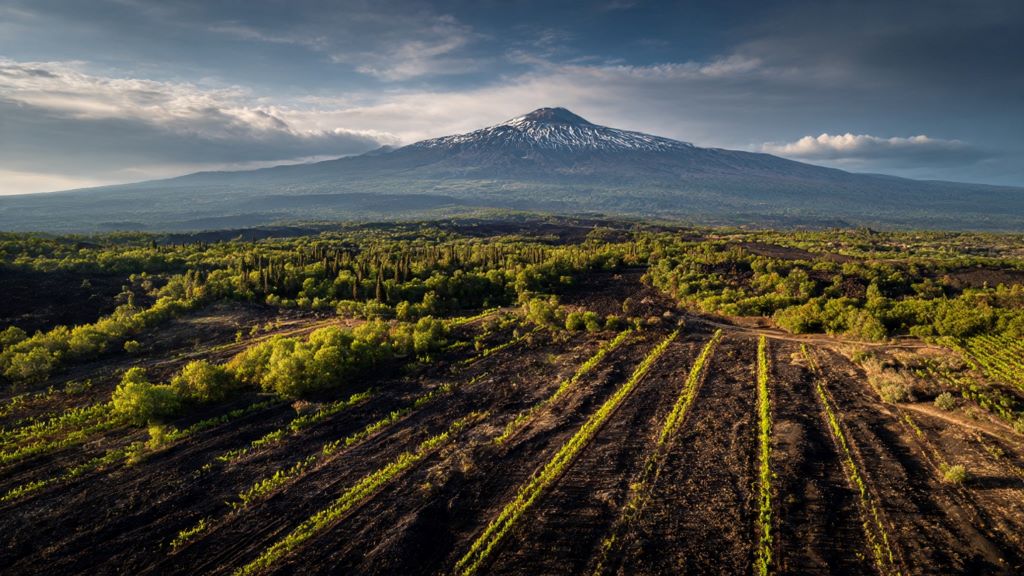
Similarly, Mount Etna in Sicily has become synonymous with volcanic wines. The active volcano provides constantly refreshing mineral content to the surrounding soils. Nerello Mascalese grapes grown on Etna’s slopes produce elegant red wines with smoky complexity and bright acidity.
The Canary Islands, particularly Lanzarote, feature dramatic volcanic landscapes where vines grow in individual pits carved into black lava rock. These extreme conditions create wines with powerful mineral expressions. Across the Atlantic, Oregon’s Willamette Valley contains ancient volcanic soils that contribute to the region’s celebrated Pinot Noir character.
According to Wine Enthusiast, volcanic wines represent some of the most distinctive expressions of terroir in the wine world. The magazine notes that these wines often command premium prices due to their unique characteristics and limited production areas.
How Volcanic Minerals Influence Wine Flavor
Different volcanic minerals impart specific characteristics to wine. Iron-rich soils often produce wines with deeper colors and more tannic structure. Magnesium contributes to aromatic complexity, while potassium helps regulate vine water balance and sugar accumulation in grapes.
However, the mineral content alone doesn’t tell the complete story. The age of volcanic deposits matters significantly. Older, weathered volcanic soils have broken down into finer particles that vines can access more easily. Younger volcanic formations may contain larger rock fragments that provide excellent drainage but fewer immediately available nutrients.
Therefore, winemakers working with volcanic terroir must understand their specific soil composition. Some volcanic regions feature dark basaltic soils that retain heat, helping grapes ripen in cooler climates. Others have lighter pumice-based soils that reflect sunlight and moderate temperature extremes.
The Role of Climate and Elevation
Volcanic wine regions often benefit from unique microclimates created by their geological features. Mountains and volcanic cones create temperature variations between day and night. These diurnal temperature swings preserve acidity in grapes while allowing sugars to develop slowly.
Additionally, many volcanic vineyards sit at high elevations where cooler temperatures extend the growing season. This prolonged ripening period allows flavor compounds to develop more complexity. The combination of mineral-rich soil, dramatic temperature shifts, and extended hang time contributes to the layered flavors found in volcanic wines.
Coastal volcanic regions add another dimension to wine character. Sea breezes carry salt spray inland, adding subtle salinity that complements the mineral and smoky notes. This maritime influence creates wines with exceptional freshness and length.
Winemaking Techniques That Enhance Volcanic Character
Winemakers employ specific techniques to highlight volcanic terroir in their wines. Many choose minimal intervention approaches that let the soil speak through the wine. Native yeast fermentations preserve regional characteristics that commercial yeasts might mask.
Moreover, aging wines in neutral vessels like concrete or older oak barrels prevents wood flavors from overwhelming delicate mineral notes. Some producers use amphora or clay vessels that echo ancient winemaking traditions and enhance textural qualities without adding flavor.
The decision to include or exclude stems during fermentation also impacts volcanic wine character. Stems add additional tannins and herbal notes that can complement smoky mineral flavors. However, this technique requires careful consideration to avoid creating harsh or bitter wines.
Tasting and Appreciating Volcanic Wines
Recognizing volcanic character in wine requires attention to specific sensory cues. On the nose, look for aromas of struck match, flint, wet stone, or chalk. These mineral scents often appear alongside fruit notes rather than dominating them.
On the palate, volcanic wines typically display bright acidity and a distinctive texture often described as “chalky” or “stony.” The finish tends to be long and clean, with mineral notes persisting after fruit flavors fade. The smoky quality emerges most prominently in the mid-palate and finish rather than the initial taste.
Temperature plays a crucial role in appreciating these wines. Serving volcanic whites too cold can mute their mineral complexity, while serving reds too warm can make the smoky notes seem harsh. Aim for slightly cooler than room temperature for reds and cellar temperature for whites.
Pairing Volcanic Wines With Food
The mineral intensity and smoky character of volcanic wines make them exceptional food companions. Their high acidity cuts through rich, fatty dishes while their mineral backbone complements seafood and vegetables.
White volcanic wines pair beautifully with oysters, grilled fish, and fresh cheeses. The smoky notes harmonize with dishes that incorporate actual smoke, such as smoked salmon or grilled vegetables. Asian cuisines with complex umami flavors also match well with these wines.
Red volcanic wines complement mushroom dishes, game meats, and aged cheeses. Their earthy, smoky qualities enhance the savory aspects of food without overwhelming delicate flavors. Grilled meats particularly shine alongside these wines, as the charred flavors echo the wine’s smoky character.
Conclusion
Volcanic wines offer a distinctive taste experience shaped by unique geological conditions. The smoky, mineral character that defines these wines emerges from the complex interaction between volcanic soils, climate, and winemaking practices. From Santorini to Mount Etna, volcanic wine regions produce bottles that capture the essence of their dramatic terroir. Understanding what creates these characteristics helps wine lovers appreciate the remarkable diversity that soil composition brings to wine. Whether you prefer the crisp minerality of volcanic whites or the smoky complexity of volcanic reds, these wines demonstrate how profoundly geology influences flavor.
Frequently Asked Questions
Are volcanic wines actually smoky or is it just a description?
The smoky quality in volcanic wines is a genuine taste perception, not actual smoke flavor. Chemical compounds in grapes absorb minerals from volcanic soil, creating flavor molecules that our taste buds interpret as smoky, flinty, or ashy. These sensory impressions are real, though subjective.
Do all wines from volcanic regions taste smoky?
Not all volcanic wines display prominent smoky characteristics. The intensity varies based on soil composition, grape variety, vine age, and winemaking techniques. Some volcanic wines emphasize fruit or floral notes while others showcase mineral and smoky qualities more prominently.
Are volcanic wines more expensive than regular wines?
Volcanic wines often command higher prices due to limited production areas and unique characteristics. However, affordable options exist from regions like the Canary Islands or lesser-known areas. Price depends more on reputation, production methods, and demand than purely on volcanic terroir.
Which grape varieties work best in volcanic soil?
Many grape varieties thrive in volcanic conditions. Assyrtiko, Nerello Mascalese, and Malvasia perform exceptionally well. However, international varieties like Chardonnay, Pinot Noir, and Cabernet Sauvignon also express volcanic character distinctively when grown in these soils.
How should I store volcanic wines?
Store volcanic wines like any quality wine in a cool, dark place with stable temperature and humidity. Many volcanic wines have excellent aging potential due to their high acidity and mineral structure. White volcanic wines can develop fascinating complexity with five to ten years of cellaring.
Related Topics: