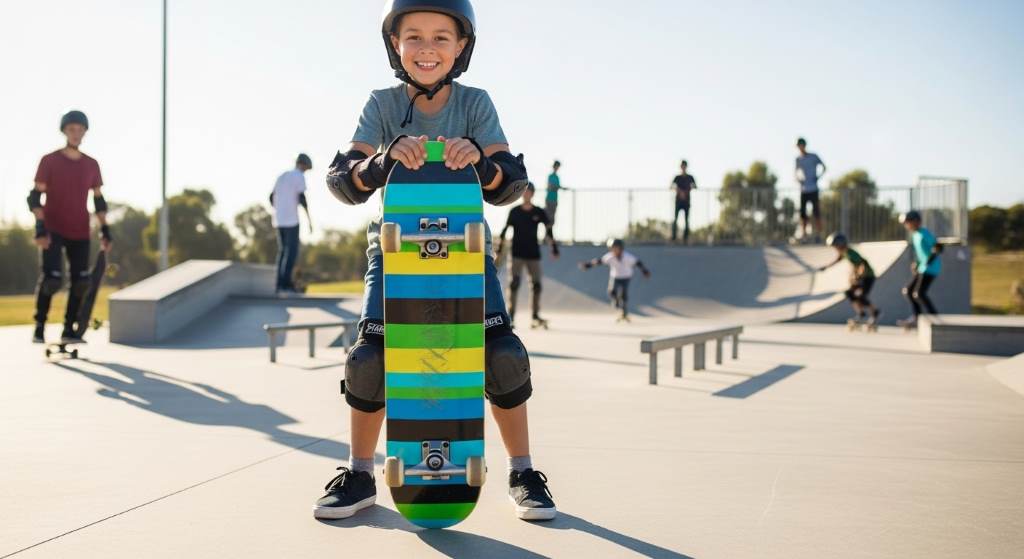
Imagine the rush of wind on your face as wheels hum beneath you. That first push changes everything. Skateboarding pulls you into a world of freedom and flow. Yet many newcomers freeze at the start. They wonder which board suits them best. This guide walks you through it all. You learn to select gear that matches your style and skill. Plus, you avoid common pitfalls that sideline beginners.
Recent data shows why timing matters. A 2025 PubMed Central study highlights a national surge in skateboarding clubs and participation rates. Youth involvement jumped over 15% since 2020, according to outdoor recreation reports from the U.S. Department of the Interior. Meanwhile, University of Utah Health data from 2024 stresses injury prevention. Upper body falls account for most beginner mishaps. Therefore, smart choices build confidence fast.
For a solid entry point, consider the perfect starter board. It offers stability without overwhelming details. Now, dive deeper. You discover how to build your setup step by step. Moreover, you gain tips from pros and real rider stories. Let’s roll.
Why Skateboarding Hooks Beginners in 2025
Skateboarding thrives today more than ever. Streets buzz with riders of all ages. Social media clips inspire millions to try. However, the sport demands the right tools from day one. Without them, frustration creeps in quickly.
Think about Alex, a 14-year-old from Seattle. He grabbed a random board online. It wobbled underfoot. Lessons stalled for weeks. Then, he switched to a beginner-friendly complete. Suddenly, tricks clicked. Stories like his prove preparation pays off.
Additionally, urban parks expand nationwide. The U.S. Bureau of Land Management notes over 2,000 public skate spots by mid-2025. These spaces welcome novices. Yet success starts with your board. It must forgive errors while encouraging growth. For instance, wider decks provide that buffer. They let you focus on balance, not bailouts.
Furthermore, community matters. Local shops host free clinics. Riders share setups that work. As a result, you join a crew sooner. Skateboarding builds bonds. It turns solo pushes into group adventures. Therefore, picking wisely opens doors wide.
Anatomy of a Skateboard: Break Down the Basics
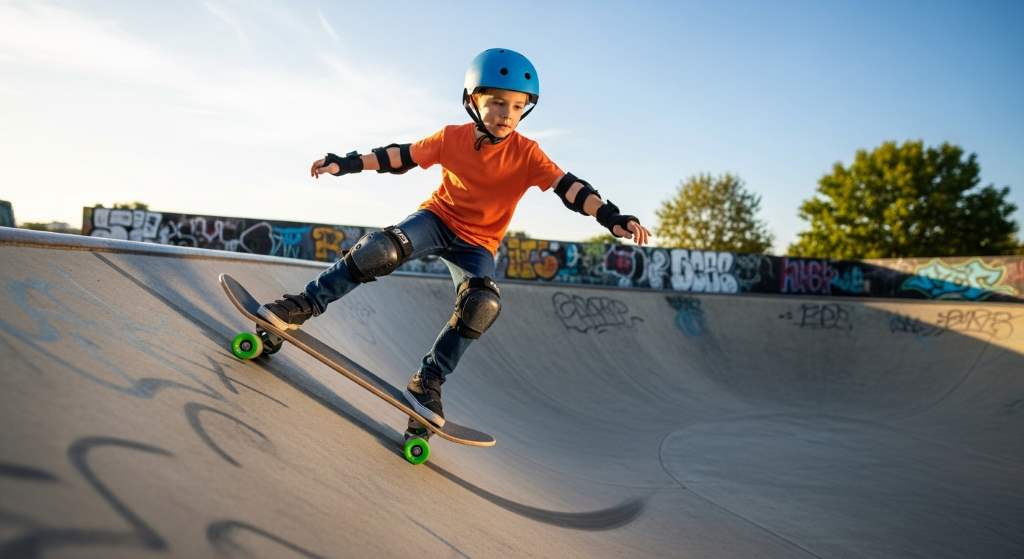
Every board consists of key parts. Understanding them helps you choose smartly. Moreover, it empowers tweaks as you progress. Let’s explore each component. You see how they team up for smooth rides.
The Deck: Your Board’s Foundation
The deck forms the base. It’s the flat wooden surface under your feet. Beginners benefit from 7.5 to 8-inch widths. These sizes offer stability without bulk. For example, shorter decks around 31 inches suit quick turns.
Maple wood dominates construction. Seven plies create strength. However, some use bamboo for flex. That choice absorbs shocks better on rough pavement. Always check concave. Mild curves prevent slipping during ollies.
In addition, nose and tail shapes vary. Symmetrical twins work for street skating. Popsicle styles launch easily. Real riders test these in stores. They feel the grip and pop firsthand.
Trucks: The Steering System
Trucks mount under the deck. They hold axles and wheels. Aluminum builds keep them light yet tough. Standard kingpin setups suit most newbies. They adjust for loose or tight turns.
Width matches deck size. A 5-inch truck pairs with 7.75-inch boards. Therefore, alignment stays true. Bushings control feel. Softer ones ease carving for learners.
Moreover, brands like Independent or Thunder shine. They endure daily grinds. Swap them later for custom vibes. But start simple. Reliable trucks build trust in your ride.
Wheels and Bearings: Roll with Control
Wheels grip the ground. Polyurethane material rolls smooth. Beginners pick 52-54mm diameters. Larger sizes cruise better over cracks. Durometers around 99A strike balance. They’re grippy yet fast.
Bearings spin inside. ABEC ratings gauge speed. However, focus on steel quality over numbers. Clean ones last longer. For instance, Bones Reds deliver consistent performance.
Additionally, riser pads add height. They soften landings on uneven surfaces. Therefore, pair them with softer wheels for urban jaunts. Test combos at shops. You find your sweet spot quickly.
Grip Tape: Stick to the Plan
Grip tape coats the deck top. It prevents slides. Coarse silicon carbide bites shoes hard. Medium grit suits sensitive feet. Avoid smooth finishes. They lead to slips.
Cut it to fit precisely. Bubbles ruin adhesion. Moreover, replace yearly. Fresh tape restores control. Riders swear by it for confidence boosts.
Sizing Your First Board: Match It to You
Size dictates comfort. Wrong fits cause cramps or wobbles. Therefore, measure your height first. Charts guide selections. For adults under 5’4″, try 7.25-7.5 inch decks. Taller folks grab 8.25 inches.
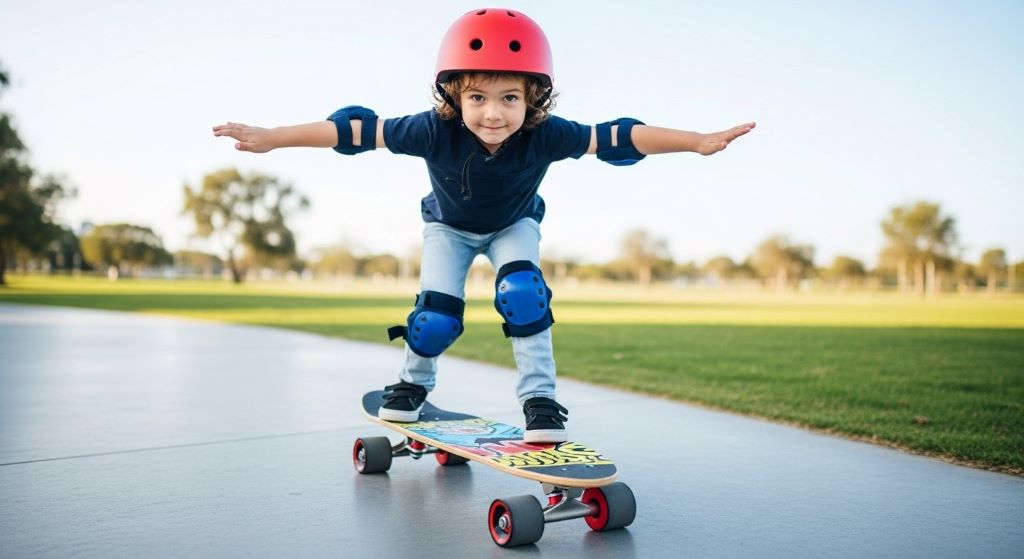
Kids scale down. A 22-inch mini suits ages 5-8. It builds fundamentals. However, growth spurts demand upgrades. Check every six months.
Moreover, stance plays in. Regular riders lead left foot forward. Goofy flips it. Test both. Mirrors help. As a result, you avoid forced habits.
Use this quick guide:
- Under 5’0″: 7.0-7.25 inches wide, 29-30 inches long.
- 5’0″-5’6″: 7.5-8.0 inches wide, 31-32 inches long.
- Over 5’6″: 8.0-8.5 inches wide, 32-33 inches long.
Examples abound. Pro skater Nyjah Huston started small. He scaled up gradually. That path prevents overwhelm. Therefore, patience yields pros.
Materials and Construction: Build for the Long Haul
Quality materials endure abuse. Canadian maple leads for resilience. It flexes without snapping. However, eco options rise. Recycled composites lighten loads.
Pressing techniques matter. Single-press holds basic shapes. Double-kick designs pop higher. For beginners, forgiving flex wins. Stiff boards punish mistakes.
Additionally, finishes protect. Clear coats resist water. Satin feels premium. Check edges. Rounded ones glide rails easier.
Real talk: Sarah from Portland cracked cheap plywood fast. She upgraded to layered maple. Sessions doubled. Therefore, invest in construction. It pays in miles.
Safety Gear: Protect Your Shred Session
Boards alone won’t save you. Gear guards against falls. Helmets top the list. CPSC-certified models absorb impacts. MIPS tech rotates on hits.
Knees and elbows follow. Padded sleeves cushion scrapes. Wrist guards prevent breaks. University of Utah research shows they cut injuries by 50%.
Moreover, shoes grip tight. Flat soles with vulcanized rubber stick. Avoid slippery sneakers. They invite twists.
Start slow. Practice on grass first. Then hit pavement. As a result, confidence grows safely. Friends spot each other. That teamwork saves skins.
Types of Starter Boards: Find Your Fit
Options overwhelm at first. Completes simplify. They arrive assembled. Ideal for zero-timers. Brands like Element offer reliable kits.
Cruisers roll easy. Longboards carve streets. However, street decks flip tricks. Pick based on goals. Cruising? Go wide and stable.
Mini boards teach kids. They mimic full sizes. Therefore, transitions smooth out.
Case study: Tony Hawk’s line targets novices. Soft wheels and grippy tape shine. Riders progress faster. Moreover, fun graphics motivate.
Related:
Hardest Skateboard Trick Ever: Can You Land It?
Where to Buy and Test: Shop Smart
Local skate shops beat big box stores. Staff demo fits. They spot mismatches quick. Online works too. Read reviews deeply.
Test rides seal deals. Push around parking lots. Feel the flex. However, return policies matter. Thirty days cover regrets.
Communities online help. Reddit threads share 2025 picks. Forums debate wheel hardness. Therefore, crowd wisdom guides.
Common Beginner Mistakes: Steer Clear
Rushing buys tops the list. Impulse grabs flop. Measure twice. Fit once.
Ignoring maintenance hurts. Tighten trucks weekly. Clean bearings monthly. Neglect leads to squeaks.
Overlooking terrain. Street boards crack on dirt. Match to spots. As a result, gear lasts.
Pushing too hard early. Master pushes before ollies. Patience prevents quits.
Maintenance Tips: Keep It Rolling Fresh
Care extends life. Store boards dry. Sun fades graphics. Wipe decks after rain.
Lube bearings quarterly. Drop oil spins faster. Check nuts. Loose ones rattle.
Replace worn parts. Bald wheels slip. Fresh grip revives stick. Therefore, small habits build big skills.
Riders like Jamie maintain logs. They track tweaks. Progress shows clear.
Building Skills: From Push to Pop
Practice fundamentals daily. Balance on grass. Then curbs. Videos break tricks down.
Join classes. Parks offer free intros. Instructors correct forms. Moreover, groups motivate.
Track wins. Film sessions. Review footwork. As a result, growth accelerates.
Pros started here. Rodney Mullen flipped basics first. Mastery follows basics.
Community and Culture: Join the Ride
Skateboarding unites. Contests welcome newbies. Online challenges spark creativity.
Diversity grows. Women’s leagues expand. 2025 sees inclusive events nationwide.
Share stories. Instagram tags connect locals. Therefore, solo turns social.
Advanced Tweaks: Evolve Your Setup
Once comfy, customize. Swap wheels for speed. Add risers for height.
Experiment trucks. Low ones hug ground. High clear obstacles.
However, change one part at a time. Isolate feels. As a result, you dial in perfectly.
Conclusion
Picking your first skateboard sets the tone. Focus on size, parts, and safety. Test fits and learn basics. Avoid rushes. Embrace maintenance.
You now hold the map from zero to shred. Gear up today. Hit the pavement. Your story starts now. What trick will you land first? Grab that board and find out.
Frequently Asked Questions
What Makes a Board Beginner-Friendly?
Beginner boards feature wider decks for stability. Soft wheels absorb bumps. Completes save assembly hassle. They let you focus on fun, not fiddles.
How Do I Know My Skateboard Size?
Match width to shoe size. Feet 8-10? Go 8 inches. Height charts help too. Test in stores for the best feel.
Do I Need Protective Gear Right Away?
Yes. Helmets and pads prevent most injuries. Start with basics. Add more as skills grow. Safety boosts confidence.
Can Kids Use Adult Boards?
Not ideal. Minis fit small frames better. They build control without overwhelm. Upgrade as they stretch.
How Often Should I Maintain My Board?
Weekly checks for trucks and wheels. Monthly deep cleans. Simple steps keep rides smooth and safe.
References
- https://pmc.ncbi.nlm.nih.gov/articles/PMC12184765/
- https://healthcare.utah.edu/healthfeed/2024/06/skateboarding-injury-risks-prevention
- https://www.skatewarehouse.co.uk/blogs/buyer-guides/buying-your-first-skateboard-a-beginners-guide
- https://www.tactics.com/info/skateboard-sizes-and-buying-guide