
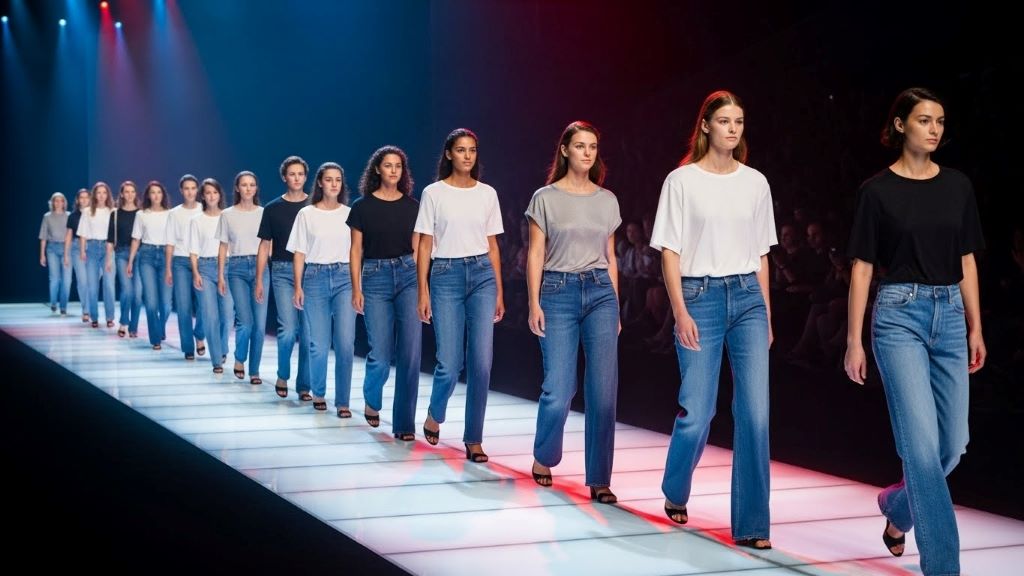
Fashion shows don’t always need elaborate gowns and avant-garde designs to captivate an audience. Sometimes, the most relatable and accessible looks make the strongest impact. A runway featuring everyday essentials like jeans and t-shirts can be just as memorable as haute couture, especially when paired with thoughtful choreography. Working with a New Jersey Stylist can help you create a show that celebrates minimalist fashion while keeping your audience engaged from start to finish.
The key to a successful casual runway lies in creative movement and staging. While the clothing may be simple, the presentation should never be boring. Choreography transforms basic garments into fashion statements by highlighting their versatility and comfort. Whether you’re planning a local fashion event, a brand launch, or a college showcase, understanding how to choreograph a plain tshirt and jeans runway will help you create an unforgettable experience. The right combination of music, lighting, and model movements can elevate these wardrobe staples into something truly special.
Additionally, casual runway shows appeal to a broader audience. People connect with clothing they can actually wear in their daily lives. This relatability factor makes jeans-and-tee runways perfect for retail brands, sustainable fashion advocates, and emerging designers who want to showcase wearability alongside style.
Understanding the appeal of minimalist runway fashion
Minimalist fashion has gained tremendous popularity in recent years. Consumers increasingly value quality over quantity and appreciate clothing that offers versatility. A jeans-and-t-shirt runway celebrates these principles while demonstrating how basic pieces can be styled in countless ways.
The simplicity of the garments allows the audience to focus on fit, fabric quality, and styling details. Models can showcase different cuts of jeans, from skinny to wide-leg, paired with various t-shirt styles like crew necks, v-necks, or oversized fits. This approach helps viewers imagine themselves in the clothing, which is particularly effective for commercial fashion shows.
Moreover, minimalist runways often emphasize sustainability. According to Vogue Business, the fashion industry is shifting toward more conscious consumption, and showcasing timeless basics supports this movement. By highlighting how simple pieces can create multiple looks, you’re promoting a more sustainable approach to fashion.
Creating dynamic walking patterns and formations
The choreography for a casual runway should feel natural yet intentional. Start by planning walking patterns that keep the show visually interesting. Instead of the traditional single-file walk, consider using diagonal crosses, figure-eight patterns, or group formations where multiple models appear on stage simultaneously.
Varying the pace of walks adds energy to the show. Some models can move briskly while others take their time, creating visual contrast. You might also incorporate pauses at specific points on the runway where models strike casual poses or interact with each other naturally.
Furthermore, consider using the entire stage space. Models can enter from different directions or utilize multiple levels if your venue permits. This three-dimensional approach prevents the show from feeling monotonous and keeps the audience’s attention focused on the stage.
Incorporating lifestyle moments and interactions
Since jeans and t-shirts are everyday clothing, incorporating lifestyle moments into your choreography makes perfect sense. Models can engage in activities that reflect real-life scenarios, such as adjusting a backpack, checking a phone, or sharing a laugh with another model.
These interactions humanize the fashion and help the audience envision wearing the clothing in their own lives. However, these moments should appear spontaneous and natural rather than overly rehearsed. The goal is to create authenticity while maintaining the professionalism of a fashion show.
Additionally, you can stage small vignettes at different points on the runway. For example, two models might meet in the center and exchange a casual greeting before continuing their walks. These touches add personality to the show without overshadowing the clothing.
Selecting music that complements casual aesthetics
Music selection plays a crucial role in setting the tone for your runway. For a jeans-and-tee show, choose tracks that feel contemporary and accessible. Indie pop, alternative rock, or upbeat electronic music often works well with casual fashion presentations.
The tempo should match the energy you want to create. Faster beats work for energetic, youth-focused shows, while slower, more melodic tracks suit sophisticated casual presentations. Consider creating a playlist that builds throughout the show, starting with moderate energy and increasing toward the finale.
Therefore, work closely with your sound designer to ensure smooth transitions between songs. Abrupt changes can disrupt the flow of your choreography. The music should feel like a natural accompaniment to the models’ movements rather than a distraction.
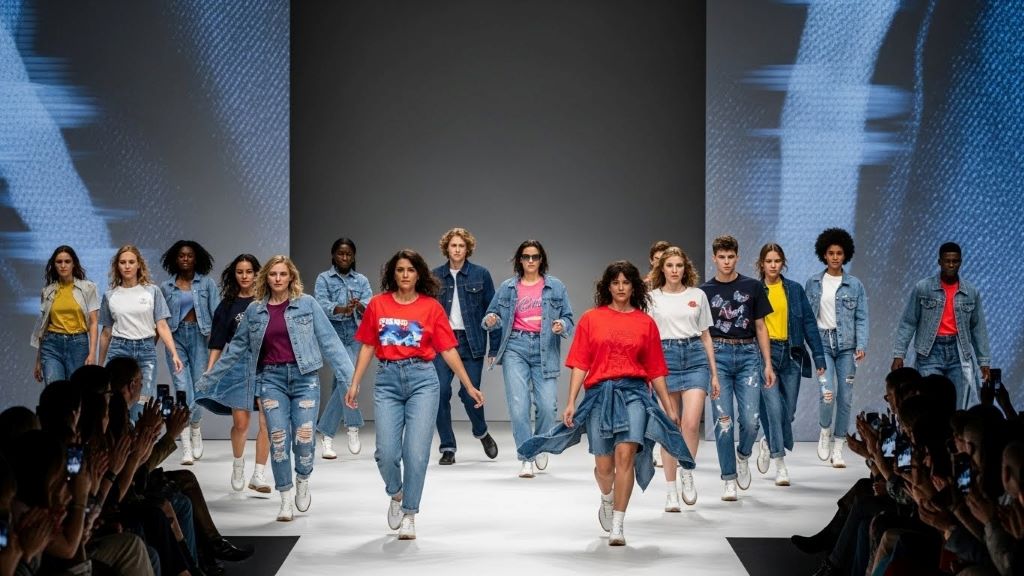
Utilizing lighting to enhance simple silhouettes
Lighting design becomes especially important when working with simple clothing. Since the garments lack elaborate embellishments, strategic lighting can highlight textures, create mood, and draw attention to specific styling details.
Consider using side lighting to emphasize the drape and fit of the clothing. Backlighting can create striking silhouettes, while colored washes might reflect the mood of different segments within your show. Spotlights can follow models as they walk, creating focus and drama.
Moreover, dynamic lighting changes synchronized with music beats add excitement to the presentation. However, avoid overcomplicating the lighting design. The goal is to enhance the clothing and choreography, not overwhelm them.
Mixing individual and group choreography
A well-paced show balances solo walks with group moments. Individual model walks allow the audience to appreciate specific styling choices and garment details. Meanwhile, group choreography creates visual impact and showcases how multiple people might wear the same basic items differently.
Group formations can be simple yet effective. Three to five models walking in a staggered line, a synchronized pause with all models facing different directions, or a casual cluster where models interact naturally all work well for jeans-and-tee presentations.
Additionally, consider the skill level of your models when planning group choreography. Complex synchronized movements require extensive rehearsal time. Simpler formations that feel organic often work better for casual fashion shows and are easier to execute flawlessly.
Adding accessories and styling variations strategically
While the focus remains on jeans and t-shirts, accessories provide opportunities for creative choreography. Models can add or remove jackets, swap sneakers for boots, or incorporate bags and hats as they move down the runway.
These styling changes demonstrate versatility and give choreographers additional elements to work with. A model might start with a denim jacket, remove it midway down the runway, and drape it over one shoulder, showing how the same outfit transforms with simple adjustments.
Furthermore, accessories create natural moments for pauses and poses. A model adjusting sunglasses or slinging a backpack over one shoulder adds visual interest and reflects how people actually interact with their clothing throughout the day.
Considering venue layout and audience proximity
The physical space significantly impacts your choreography options. Intimate venues where the audience sits close to the runway allow for subtle expressions and detailed styling to be appreciated. Larger venues require bigger, more dramatic movements to maintain impact.
For smaller spaces, consider incorporating the audience area into your choreography. Models might walk through seated sections or interact with front-row attendees in planned, appropriate ways. This immersive approach works particularly well for casual fashion shows where breaking the fourth wall feels natural.
Therefore, always visit your venue before finalizing choreography. Understanding sightlines, stage depth, and entrance options helps you create movements that work with the space rather than against it.
Incorporating diversity in model casting and movement
A jeans-and-tee runway should celebrate how these universal garments look on different body types, ages, and styles. Diverse casting strengthens your show’s message and makes it more relatable to a wider audience.
Each model brings unique movement qualities to the runway. Rather than forcing everyone into identical walks, embrace individual personalities while maintaining overall cohesion. Some models might have a confident strut while others project casual ease. This variety makes the show more interesting and authentic.
Additionally, working with models of varying experience levels can add unexpected charm to a casual runway. While professional models bring polished technique, newer faces often convey genuine enthusiasm that resonates with audiences watching everyday fashion.
Planning transitions and segment changes
A cohesive show requires smooth transitions between different segments or themes. If you’re showcasing various jeans styles or t-shirt collections, plan how models exit and enter to minimize dead time while maintaining flow.
Quick crossover moments where outgoing models pass incoming ones on the runway create continuous movement. Alternatively, a brief pause with all models off stage allows for lighting or music changes that signal a new section.
Moreover, consider using a signature move or formation that repeats throughout the show. This creates a sense of continuity and gives your presentation a memorable visual identity.
Rehearsing for natural yet polished execution
The paradox of casual runway shows is that looking effortless requires significant preparation. Schedule adequate rehearsal time for models to become comfortable with choreography, music cues, and spacing.
During rehearsals, encourage models to add personal touches within the choreographic framework. A genuine smile, a natural adjustment of clothing, or a spontaneous interaction with another model can elevate the entire presentation. However, ensure these moments don’t disrupt timing or spacing.
Furthermore, conduct full dress rehearsals with complete lighting and sound. This allows everyone to experience the show as the audience will, revealing any timing issues or awkward moments that need adjustment.
Conclusion
Creating compelling choreography for a plain t-shirt and jeans runway requires thoughtful planning and creative vision. By focusing on dynamic walking patterns, natural interactions, and strategic use of music and lighting, you can transform simple garments into an engaging fashion experience. The key lies in celebrating the versatility and relatability of everyday clothing while maintaining professional presentation standards.
Remember that successful casual runways balance simplicity with visual interest. Whether you’re working with a New Jersey Stylist or choreographing independently, prioritize authenticity and connection with your audience. These shows prove that fashion doesn’t need to be complicated to be captivating.
Frequently Asked Questions
How long should a jeans-and-t-shirt runway show last?
A casual runway show typically runs 10-15 minutes. This duration maintains audience engagement without feeling rushed. Plan for 15-25 looks with appropriate pacing between models to fill this timeframe comfortably.
Do I need professional models for a simple fashion show?
Professional models bring polish and experience, but they’re not essential for casual shows. Many successful jeans-and-tee runways feature real customers, brand ambassadors, or enthusiastic amateurs who convey authenticity and relatability that resonates with audiences.
What’s the best way to rehearse casual runway choreography?
Start with basic walking patterns and gradually add complexity. Hold at least three full rehearsals with music and lighting. Encourage models to practice their walks individually at home to build confidence before group rehearsals.
How many outfit changes should each model have?
For a jeans-and-tee show, 1-3 looks per model works well. This allows enough variety without requiring excessive backstage time for changes. Consider using accessories to modify looks quickly rather than complete outfit changes.
Can a casual runway show work for high-end brands?
Absolutely. Luxury brands increasingly embrace casual aesthetics, and a well-executed jeans-and-tee runway can showcase premium quality, superior fit, and elevated styling. The key is maintaining high production values in choreography, lighting, and presentation while keeping the clothing approachable.
Related Topics:
8 Stylish Ways to Rock Business Casual Coordinated Pants
Old Fashion Days: A Journey Back in Time