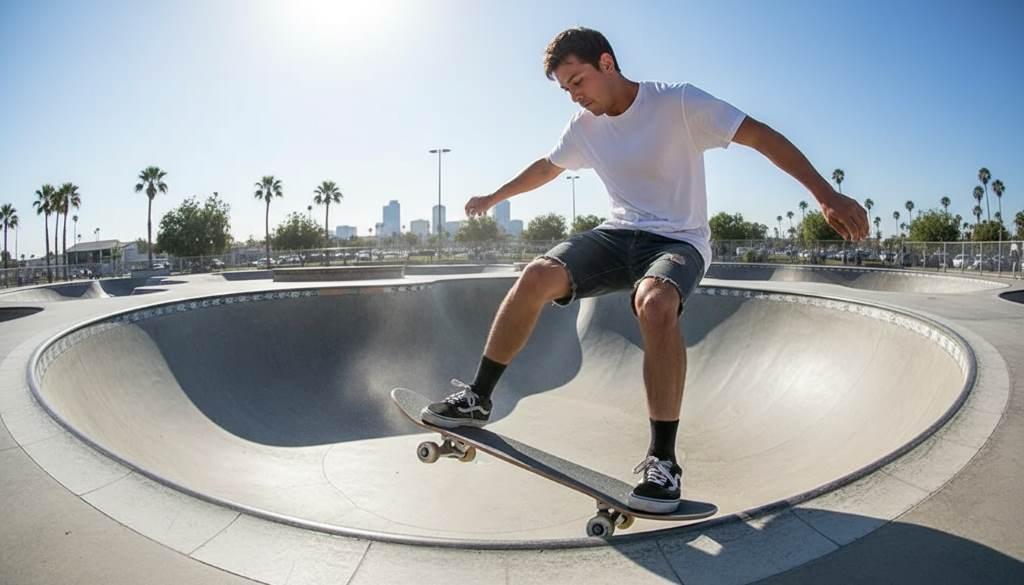

Skateboarding thrills millions worldwide. Yet, the right gear makes all the difference. Imagine carving smooth turns on city streets or grinding rails with confidence. That’s where quality trucks come in. They connect your deck to wheels and define your ride. Today, we explore the Independent skateboard trucks kit. This setup stands out for its legacy and performance. Additionally, statistics show its impact. According to the National Safety Council, over 245,000 skateboard-related injuries hit U.S. emergency rooms in 2021. Proper equipment like these trucks reduces risks by enhancing control. Moreover, a study from Portland State University highlights how skateboarding serves as efficient transportation, with trucks playing a key role in stability. So, let’s break down what makes this kit a top choice for riders.
Understanding Skateboard Trucks
Skateboard trucks form the backbone of any setup. They attach wheels to the deck and allow turns. Without them, your board stays static. First, consider their basic parts. Each truck includes a hanger, baseplate, kingpin, and bushings. The hanger holds the axle, while the baseplate mounts to the deck. Meanwhile, the kingpin adjusts tightness for turning. Bushings provide cushioning. Furthermore, trucks vary in height, width, and material. For instance, low trucks suit street skating, offering better flip tricks. High ones excel in transition skating, like ramps. Therefore, choosing the right type boosts your skills. In addition, performance depends on these elements working together. Riders often tweak bushings for personal feel. Overall, trucks influence every aspect of skating.
Beyond basics, trucks affect pop and stability. Pop refers to how high you ollie. Stable trucks prevent wobbles at speed. Consequently, experienced skaters prioritize durable options. Newbies might focus on forgiveness. However, all levels benefit from quality builds. Research from the Journal of Applied Biomechanics shows trucks impact force distribution during tricks like ollies. Forces peak at over 1.5 times body weight. Thus, strong trucks absorb shocks better. Similarly, a study on downhill skating notes trucks’ role in braking and curving. Riders average five brakes per run, relying on truck responsiveness. So, understanding these dynamics helps you select wisely.

History of Independent Trucks
Independent Trucks started in 1978. Founders aimed to create better gear amid skateboarding’s boom. They focused on durability and innovation. Quickly, pros adopted their designs. For example, Stage 1 trucks set standards for strength. Over years, they evolved. Stage 11 became iconic for its geometry. This model refines turning and grind feel. Moreover, the brand introduced hollow and forged versions. These cut weight without sacrificing power. Today, Independent leads the market. A 2025 market report predicts skateboard trucks industry growth at 9.45% CAGR through 2033. Independent contributes significantly. Their commitment shows in rider loyalty. Many swear by them for life. Stories abound of trucks lasting decades. Thus, their history builds trust.
Innovation drives Independent’s success. They pioneered inverted kingpins in some models. This setup improves clearance and reduces wheel bite. Additionally, collaborations with artists add style. But performance remains core. A YouTube review of Stage 4 trucks highlights updates from 1986 originals. Modern steel enhances strength. Riders test them in real scenarios, like street sessions. Results show better control. Furthermore, pros like Blake Johnson endorse specific sizes for their setups. He chooses 149 standards for balance. Such insights reveal why Independent endures. Their evolution mirrors skateboarding’s progress. From parks to streets, they adapt.
What’s in the Independent Skateboard Trucks Kit?
The kit includes two trucks, ready for assembly. Typically, it features Stage 11 models or variants. You get hangers, baseplates, and hardware. Bushings come pre-installed, often in medium hardness. Additionally, some kits add risers for height adjustment. These prevent wheel bite on larger wheels. Moreover, the package ensures compatibility with standard decks. Widths range from 129mm to 169mm. Choose based on deck size. For example, 149mm fits 8.25-inch decks perfectly. Therefore, setup becomes straightforward. Riders appreciate this completeness. No need for extra parts hunts.
Inside, materials shine. A356 T6 aluminum forms hangers and baseplates. Heat-treated for toughness, it grinds smoothly. Hollow axles reduce weight by 10%. This lightness aids tricks. Furthermore, orange cushions provide responsive turns. You can swap them for softer or harder ones. The kit’s design minimizes slop, ensuring tight rides. Reviews note this precision. One tester praised the forged hollow version for versatility. It handles street and park equally well. So, the kit delivers value through thoughtful components.
Design and Materials
Independent uses premium materials. Aluminum alloys dominate for lightness and strength. Forged options add durability. Titanium variants cut weight further, by 15%. This appeals to weight-conscious skaters. Moreover, powder-coated finishes resist wear. Blackout models feature flat black for style. However, function trumps aesthetics. Geometry optimizes turning radius. Mid trucks introduce inverted kingpins. This lowers height while keeping hanger size. Result? Better stability and fewer bites. Studies confirm such designs reduce injury risks. For instance, wrist fractures common in falls decrease with stable trucks.
Bushings matter too. Urethane formulas offer consistent rebound. Medium durometer suits most. Softer ones turn easier for beginners. Harder provide speed stability. Additionally, kingpins adjust easily. No tools needed for basic tweaks. Overall, design prioritizes rider input. Independent tests prototypes extensively. Feedback loops refine products. A review of Mid trucks notes precise steering. Testers avoided wheel bites entirely. Thus, materials and design synergize for peak performance.
Performance Breakdown
Performance defines trucks. Independent excels across metrics. First, consider weight. Hollow models weigh 335g per truck. This lightness boosts pop. Riders ollie higher effortlessly. Moreover, grind feel stands out. Smooth surfaces slide rails easily. Titanium versions grind best, per reviews. They outshine magnesium alternatives. Additionally, durability impresses. Trucks withstand heavy use. Pros grind down axles over years. Yet, they hold up.
Turning responsiveness shines. Geometry allows quick pivots. Bushings compress predictably. Consequently, carving feels natural. In parks, this aids transitions. On streets, it dodges obstacles. A biomechanical study shows peak forces during turns. Good trucks distribute them evenly. Independent does this well. Furthermore, stability at speed prevents speed wobbles. Downhill riders brake less confidently. Observational data from races shows average tuck times of 86 seconds. Trucks support this posture.
Turning and Responsiveness
Turning starts with kingpin tightness. Looser settings carve sharply. Tighter offer control. Independent’s range suits all. Mid models enhance this. Inverted kingpins improve geometry. Reviews confirm better response. One skater switched from standards and noticed immediate difference. Additionally, bushings rebound fast. This keeps turns fluid. In tight spots, like ledges, precision matters. Trucks deliver. Moreover, width affects leverage. Narrower for tech tricks. Wider for stability. Choose wisely.
Responsiveness extends to flips. Trucks influence rotation speed. Light ones spin easier. A study on ollie kinetics notes truck role in force application. Rear foot pushes while trucks pivot. Independent optimizes this. Users report consistent pops. Furthermore, in competitions, quick turns win points. Olympic skaters rely on such gear. Their demands push brands forward. So, turning defines ride quality.
Grinding and Durability
Grinding tests metal. Independent’s aluminum grinds buttery. No catches or sticks. Hollow axles maintain smoothness. Reviews praise this. One called it “incredibly smooth.” Additionally, durability handles abuse. Street skaters grind stairs daily. Trucks endure. Forged versions resist bends. Titanium adds toughness. A market trend shows lightweight materials rising. Independent leads here.
Durability links to safety. Stable trucks reduce falls. Government data notes 66,566 ER visits for skateboarding in 2020. Many from equipment failure. Quality trucks cut this. Moreover, maintenance extends life. Clean axles prevent wear. Stories of decade-old trucks abound. Pros like them for reliability. Thus, grinding and durability blend for long-term value.
Stability on Different Terrains
Terrains vary. Streets demand agility. Parks need flow. Independent adapts. On rough pavement, trucks absorb vibrations. Bushings cushion bumps. Consequently, rides smooth. In bowls, high hangers provide leverage. Transitions feel seamless. Additionally, downhill requires steadiness. Mid trucks lower center, aiding control. A study on downhill behaviors shows multiple brakes per run. Stable trucks minimize them.
Urban commuting benefits too. A Portland study views skating as transport. Trucks enable efficient travel. Average speeds hit 6.5 km/h in parks. Moreover, versatility shines. Switch from street to vert easily. Users share stories of all-terrain sessions. One rode city to skatepark without issues. Therefore, stability enhances enjoyment across spots.
Pros and Cons
Pros abound. Durability tops lists. Trucks last seasons. Lightweight options reduce fatigue. Grinding feels premium. Turning responsiveness suits pros and newbies. Versatility handles all styles. Moreover, brand legacy builds confidence. Cons exist too. Some find them heavy compared to ultra-lights. Initial break-in takes time. Bushings might need swaps for perfect fit. However, these minor issues fade with use. Overall, pros outweigh cons heavily.
Installation Guide
Installing trucks is simple. Gather tools: skate tool or wrenches. First, remove old trucks if needed. Unscrew baseplate bolts. Next, align new trucks with deck holes. Insert bolts from top. Add nuts underneath. Tighten evenly. Avoid over-tightening to prevent stripping. Additionally, check kingpin direction. It faces inward. Mount wheels on axles. Secure with nuts. Test for spin. Furthermore, add risers if using big wheels. This prevents bite. Whole process takes minutes. New setups feel fresh instantly.
Proper alignment matters. Trucks should parallel each other. Misalignment causes drag. Measure from nose to tail. Adjust as needed. Moreover, torque bolts to spec. Loose ones rattle. Tight ones crack decks. Practice makes perfect. Videos guide visually. Independent’s site offers tips. So, install confidently.
Maintenance Tips
Maintenance keeps trucks performing. Clean regularly. Wipe dirt from hangers. Use soft cloth. Additionally, check bushings for cracks. Replace worn ones. Softer durometers wear faster. Lubricate axles sparingly. Too much attracts grime. Moreover, inspect kingpins. Tighten if loose. But don’t overdo. Balance is key.
Storage helps too. Keep dry to prevent rust. Hang boards vertically. This avoids warping. Furthermore, rotate trucks occasionally. Even wear extends life. After sessions, inspect for damage. Bent hangers need replacement. Stories show neglected trucks failing mid-trick. Avoid that. Consistent care pays off.
Related:
Hardest Skateboard Trick Ever: Can You Land It?
Affordable and High-Quality Kids Protective Gear
User Experiences and Case Studies
Users rave about Independent. One Reddit thread shares stories. Many stick with them for reliability. A newbie switched and loved the turn. Pros echo this. Blake Johnson’s video details his choice. Standards provide balance for his style. Additionally, a test of Mid trucks won over skeptics. No wheel bites, great steering.
Case studies highlight performance. In a park session, riders averaged 138 bpm heart rate. Trucks aided endurance. Another study compared styles. Brakers vs. non-brakers in pushing. Stable trucks supported both. Moreover, injury data shows gear’s role. Quality reduces ER visits. A 2020 report notes fractures as common. But stable setups mitigate. Real stories humanize this. A female skater shared longer manuals with Indys. Confidence grew. Thus, experiences prove worth.
Skateparks buzz with Independent fans. Groups swap tips on setups. One case: a team tested hollow vs. standard. Hollow won for lightness in flips. Yet, standards held for grinds. Versatility emerged. Furthermore, commuter skaters praise stability. Daily rides feel secure. Academic insights back this. Heart rate studies show skating meets fitness guidelines. Trucks enable longer sessions. So, user tales inspire.
Conclusion
We covered the Independent Skateboard Trucks Kit thoroughly. From history to performance, it shines. Design and materials ensure durability. Turning, grinding, and stability impress across terrains. Pros dominate, with easy installation and maintenance. User stories confirm its edge. Overall, this kit elevates rides. Now, grab yours and hit the streets. Experience the difference yourself.
FAQs
FAQ: What Makes Independent Trucks Stand Out?
Independent trucks excel in durability and innovation. Their geometry provides superior turning. Additionally, lightweight options appeal to many. Riders trust the brand’s legacy since 1978.
FAQ: How Do I Choose the Right Truck Size?
Match truck width to deck size. For 8-inch decks, use 139mm. Wider decks need larger trucks. This ensures stability. Measure your setup first.
FAQ: Are Independent Trucks Good for Beginners?
Yes, they suit beginners. Responsive turning builds skills. Start with medium bushings. Adjust as you progress. Many start here and stay.
FAQ: What Terrains Work Best with These Trucks?
They handle streets, parks, and ramps. Stability aids transitions. On rough ground, they absorb shocks. Versatility is key.
FAQ: How Often Should I Maintain My Trucks?
Check monthly for wear. Clean after dirty sessions. Replace bushings yearly. Regular care extends life significantly.
References