

You’ve finally carved out a free Saturday morning, the Pacific is glassy, and your board is strapped to the roof. But as you pull on your usual full-length leggings, you already know the drill: soaking wet cuffs, sand trapped at your ankles, and that heavy, cold fabric clinging to your calves by hour two. If you spend any time in the California surf, you know the struggle is real. The solution isn’t a shorter board or a different wetsuit it’s smarter apparel. Choosing the right capri leggings for surfing CA can slash your dry time, protect you from the sun, and keep you comfortable from the parking lot to the peak and back. This guide breaks down exactly what to look for, what to avoid, and how to pick a pair that actually survives the Golden State’s unique surf conditions.
Why Standard Leggings Fail for California Surf Sessions
Standard athletic leggings are designed for the gym, not the ocean. They absorb water like a towel, stretch out when wet, and lack the durability to handle wetsuit seams, board wax, and rocky beach access points. For surfing, you need fabric engineered for performance in saltwater and constant movement.
Fabric Absorption and Dry Time
Cotton blends and basic polyester-spandex mixes can soak up a surprising amount of water. When you exit the water, those heavy, wet leggings create significant drag and can chill you quickly, even in California’s milder summer water temps. Specialized surf-focused fabrics are treated or woven to shed water and dry in minutes, not hours.
Chafing and Salt Buildup
Surfing involves paddling, kicking, and sudden twists. Standard leggings often have thick seams in high-friction zones. The combination of salt crystals, sand, and repetitive motion leads to painful chafing on your waist and inner thighs. Performance leggings for water sports use flatlock or seamless constructions to minimize this risk.
UV Protection Under the California Sun
While you’re in the water, your back is exposed to intense reflected UV rays from the ocean surface. A standard black legging may offer some protection, but many light-colored gym leggings provide minimal UPF. Surf-specific capris often come with UPF 50+ ratings built into the fabric, offering reliable protection for your lower body during those long midday paddles.
What Makes a Capri Legging “Surf-Ready” in CA?
Surf-ready capris are constructed with four key elements: quick-dry technical fibers, high-stretch recovery, secure pocket systems, and reinforced flatlock stitching. These features work together to handle the demands of paddling, duck-diving, and walking across hot sand without falling apart.
Quick-Dry Technical Fibers (Nylon and Polyester Blends)
Look for a high percentage of nylon or polyester blended with spandex or elastane. Nylon is inherently stronger and more abrasion-resistant than cotton, while polyester wicks moisture well. A blend of about 80% nylon and 20% spandex offers an ideal balance of flexibility, compression, and rapid evaporation. Fabrics like these are also less prone to retaining the “stinky” smell that often lingers after a saltwater dunk.
Compression and Recovery Rating
Pay attention to the fabric’s recovery. After stretching the fabric, does it snap back into place? Surfing involves constant pushing against the material with your knees and hips. A legging with poor recovery will bag out at the knees and waist within a few weeks of consistent use. Look for “high recovery” or “4-way stretch” labels that specifically mention shape retention.
Secure Pocket Design for Essentials
Carrying a car key, a phone for emergency calls, or a small wax comb is common. But not all pockets are equal. A basic side pocket might be fine for yoga, but for surfing, you need secure internal or zippered pockets. A high-quality option might even feature a waterproof internal phone pouch. If you are looking for specific recommendations, checking out a curated list of the best capri leggings for surfing CA can help you find products that have already been tested in local waters.
How to Choose the Right Thickness and Fabric Weight
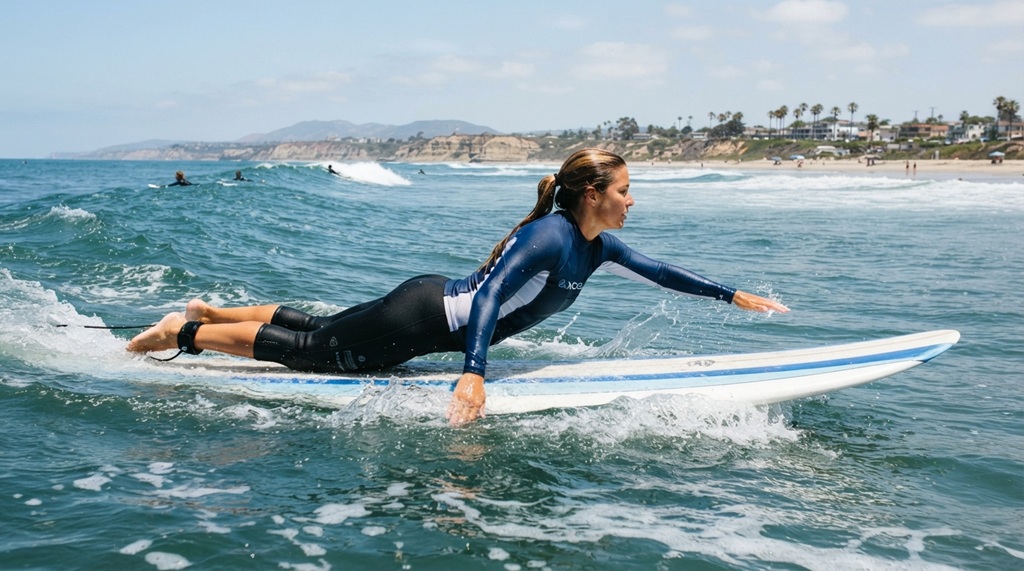
California’s coastline varies significantly in temperature. Water in San Diego during summer can reach the low 70s, while in San Francisco, the water hovers in the mid-50s year-round. This variability means you might need different weight capris for different seasons or locations.
Lightweight Capris (Summer and Warmer Waters)
For water temperatures above 65°F, a lighter-weight fabric of around 200-230 GSM (grams per square meter) is breathable and comfortable. These often feel like a second skin and dry almost instantly. They are perfect for dawn patrol sessions in Southern California where the sun is strong and the air is warm.
Mid-Weight Thermal Capris (Spring and Fall)
When the marine layer is thick or the water dips into the high 50s, a mid-weight option with a brushed fleece interior or a slightly thicker weave provides a bit of insulation without overheating you. These measure around 250-300 GSM. They bridge the gap between bare legs and a full wetsuit, which can be overkill for those crisp, sunny days with a chilly ocean.
Comparing Fabric Weight vs. Flexibility
Heavier fabrics often sacrifice flexibility. While a thick, fleece-lined legging might keep you warm, it could restrict your kick when paddling out. Test the fabric’s stretch by pulling it diagonally. A good surf capri should allow a full pistol squat movement without losing its shape or creating a see-through stretch.
Which Features Protect Against Sand and Board Wax?
Two of the most annoying things about surfing are getting sand inside your waistband and getting black wax marks on your clothing. The design of the leg opening and the waistband plays a huge role in mitigating these issues.
Anti-Slip Waistbands and Gussets
Look for a wide, silicone-gripped waistband. This helps prevent sand from infiltrating as you wade into the water. A gusseted crotch is non-negotiable for surfing; it provides full range of motion for the frog-kick needed to push through waves and prevents seam blowouts during intense movements.
Cuff Design: Raw Cut vs. Elasticated
Elasticated cuffs at the knee area can trap sand against your shins, causing friction. Many surf-specific capris use a raw-cut hem or a tight, flat-lock seam that sits flush against the skin, allowing sand and water to wash out easily rather than getting trapped in a fold.
Resistance to Board Wax Stains
Dark-colored capris (black, navy, dark teal) are your best friend when it comes to hiding wax residue. While lighter colors are cool in the sun, they show scratches and wax smudges almost immediately. A smooth, tightly-woven fabric is also harder for wax to stick to than a loose-knit texture.
Can You Wear Capris Under a Wetsuit?
Yes, you can wear thin capri leggings under a wetsuit, but it is not a substitute for a wetsuit liner. The benefit is additional warmth and protection against rashes from a tight suit. The drawback is a potential reduction in flexibility and added bulk, which can make getting the wetsuit on difficult.
Layering Capris for Northern California Winter Surfing
When braving Northern California’s frigid winter waters, layering lightweight, flat-seam neoprene capris beneath your full wetsuit provides a critical thermal barrier that dramatically improves core heat retention while eliminating painful thigh chafing. This seamless insulation layer prevents suit friction without compromising your flexibility in heavy surf, keeping you warmer and in the water longer. While thermal gear protects your body in cold surf, protecting high-end accessories from environmental extremes requires equal care; discover expert strategies in our guide on storing designer purses in Miami humidity.
When to Wear Capris as Standalone Bottoms
For summer surfing and in warmer coves, capris are often worn alone with a rash guard or bikini top. They serve as excellent sun protection without the heat of a wetsuit. They also protect your knees from the wax and fiberglass when you pop up, something a standard bikini bottom doesn’t offer.
How to Test for the “Paddle Test” Before Buying
Before committing to a pair, perform a quick “paddle test” while you are still in the store or when the package arrives. This ensures the leggings won’t sag, roll, or restrict your movement when you are horizontal on your board.
Check for Waistband Roll-Down
Simulate the paddling motion by lying on your stomach on a bench and lifting your chest and legs. The waistband should stay flush against your skin. If it rolls over or gapes, it will do the same in the water, allowing cold water and sand to flush in consistently.
Evaluate Squat and Lunge Flexibility
Do a series of deep squats, lunges, and high kicks. The fabric should stretch easily without feeling restrictive. Pay attention to whether the fabric becomes translucent when stretched if you can see skin through the material, it’s too thin and will offer poor sun protection and durability.
Check the Zipper and Pocket Integrity
If you are buying capris with pockets, test the zipper strength. Pull it repeatedly to ensure it doesn’t snag on the fabric. For hand pockets, make sure they are deep enough to hold a phone securely while you are walking, but not so deep that they fill with sand and water when you dive under a wave.
When Is the Best Time to Wear Capris in California?
Timing depends on the microclimate. Generally, capris are ideal for “cold water, warm air” days which are common in California from April through October. You need leg protection from the 58°F water but don’t want to overheat in the 75°F air.
Seasonal Surfing Guide for Leg Wear
- Winter (Dec-Feb): Use thin capris as a liner under a 4/3 wetsuit for extra thermal protection.
- Spring (Mar-May): Wear mid-weight capris alone on sunny days, especially in Southern California where water temps start rising.
- Summer (Jun-Aug): Opt for lightweight, UPF 50+ capris for long sessions to protect from sunburn during midday surfs.
- Fall (Sep-Nov): Use mid-weight capris again as water temps drop but air temps remain warm, making full neoprene unnecessary.
Is a Higher Price Always Better for Surf leggings?
No, price does not always equal performance. You are paying for specific technologies like bonded seams or specialized yarns but many mid-range brands offer excellent quality. The key is to focus on the exact materials, not the label prestige.
The Cost Breakdown: Materials vs. Brand
You will often see premium prices for brands that use recycled nylon or proprietary quick-dry coatings. While these are great for the environment and performance, they might not be necessary for casual weekend surfers. For frequent surfers, investing in a high-quality pair is worth it because they withstand constant saltwater exposure without degrading. For occasional surfers, a simple nylon-spandex blend from a reputable athletic brand will perform adequately at half the price.
Features Worth Paying Extra For
- Zipper pockets: These are crucial for securely holding keys while you are tossed by a wave. The zipper adds cost but significantly increases safety.
- Flatlock seams: They prevent chafing. This feature is worth paying for if you have sensitive skin or surf for hours.
- UPF 50+ rating: This is a non-negotiable feature for California’s high sun index.
Which Materials Should You Avoid at All Costs?
Avoid any leggings that have a high cotton content, even if they feel soft. Cotton holds water up to 25 times its own weight. Also, avoid anything with brushed fleece interiors unless it’s specifically designed for cold-water immersion under a wetsuit, as they can become waterlogged and heavy.
The Problem with Cotton Blends
Cotton loses all elasticity when wet. It will sag at the knees and waist. More importantly, it creates a perfect environment for skin irritation because it holds salt and sand particles against your skin. Look at the fabric tag if “cotton” appears in the top three fibers, skip it.
Why You Should Avoid Scratchy Synthetic Laces
A drawstring might seem helpful for securing the waist, but it can dig into your stomach when you are lying flat on your board. Opt for a seamless, wide waistband without a drawstring, or one that is flat and smooth on the inside, to prevent “dig-in” discomfort during paddling.
How to Care for Your Surf Capris to Extend Their Life
Proper washing and drying are critical to maintaining the stretch and water-repellency of your capris. Saltwater is corrosive to spandex. Always rinse your leggings in fresh, cold water immediately after your surf session.
Rinsing and Washing Best Practices
Hand-wash your capris with a mild detergent (like Tech Wash) or a gentle soap. Never use fabric softeners, as they coat the fibers and break down the elasticity. If you must use a machine, place them in a lingerie bag on a cold, gentle cycle.
Drying and Storage Tips
Never put your capris in the dryer. The heat destroys the elastane fibers, causing them to lose shape. Hang them to dry in the shade the sun’s UV rays can degrade the nylon and fade the color over time. Store them flat or rolled, not stretched over a hanger, to maintain their shape.
Frequently Asked Questions
Can I wear regular running capris for surfing in California?
Technically you can, but they will not perform well. Running capris are often made with moisture-wicking fabrics that repel water quickly, but they lack the rugged seams and secure pockets needed for surfing. They also may not offer high UPF protection or the specific elasticity needed for paddling, leading to sagging and chafing.
Are capri leggings better than board shorts for surfers?
It depends on your preference. Board shorts dry quickly and offer no leg protection. Capris offer more sun protection, prevent chafing against the board, and provide a bit of warmth. For female surfers and male surfers with slender builds, capris provide a better fit without the bulk of board shorts.
How tight should surf capri leggings be?
They should be snug but not constricting. You should be able to slide two fingers under the waistband easily. They need to be tight enough to stay in place against the force of waves, but not so tight that they restrict your circulation or cause stomach cramps during a long paddle.
Do capri leggings provide enough sun protection for a full day at the beach?
Yes, if they are rated UPF 50+. This blocks 98% of UVA and UVB rays. However, remember that the fabric must be dry for maximum protection. Wet fabric can lose up to 50% of its UPF rating, so it is wise to reapply sunscreen on your legs after you exit the water if you are not wearing a high-quality fabric with sun-blocking properties.
Can men wear capri leggings for surfing?
Absolutely. While less common than in women’s fashion, men’s capri leggings (often called “surf tights” or “board tights”) are popular for cold-water surfing. They provide mobility, sun protection, and insulation. The fit is typically less compression-style and more relaxed through the thigh.
Is it necessary to buy a separate pair for winter and summer?
Yes, ideally. A lightweight pair will not keep you warm in the winter, and a thermal pair will be too hot in the summer. Having two pairs one lightweight (200-230 GSM) and one mid-weight (250-300 GSM) will cover all California surf conditions throughout the year.
Conclusion
Choosing the right pair of capri leggings for your California surf sessions is all about matching the fabric technology to the specific demands of the ocean. Nylon-spandex blends, secure pockets, durable flatlock seams, and a high UPF rating are the benchmark features that separate surf-specific gear from fashion wear. Take the time to perform the “paddle test” and consider the water temperatures in your specific zone whether you are riding waves in Santa Cruz or San Onofre. The right pair will keep you comfortable, protected from the sun, and ready to spend more time on your board and less time shivering in the parking lot. Now that you know what to look for, go out there and find the pair that fits your body and your home break perfectly. Your future sessions depend on it.