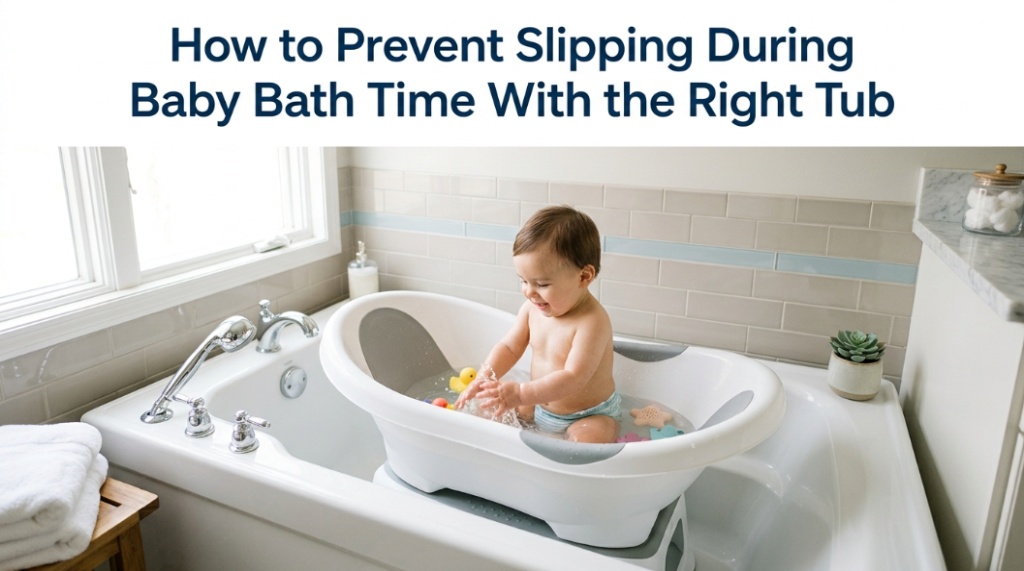
Most baby bath accidents happen in less time than it takes to answer a text message, which is why an anti-slip infant tub matters more than expensive baby bath accessories. A secure bathing surface reduces sudden sliding, improves parent control, and creates a safer, calmer routine for newborns and infants. Choosing a tub with textured grip support, stable positioning, and proper bathtub grip safety features is one of the simplest ways to build a safe baby bathing setup at home.
Why Does Slipping Happen During Baby Bath Time?
Slipping during baby bath time usually happens because wet surfaces reduce friction while babies naturally move, kick, and twist during bathing.
Many parents underestimate how quickly a newborn can slide inside a smooth plastic surface. Water mixed with soap creates an even more slippery environment. Without an anti-slip infant tub, caregivers often rely entirely on hand support, which increases stress and accident risk.
According to pediatric safety discussions from organizations such as the American Academy of Pediatrics, bathroom injuries remain a common household concern for infants and toddlers. Even minor slips can lead to bumps, water inhalation, or panic during bathing.
Common causes of slipping include:
- Smooth plastic bathtub surfaces
- Too much water inside the tub
- Soap residue buildup
- Incorrect infant positioning
- Lack of ergonomic support
- Using adult bathtubs too early
- Unstable bath seats
A safe baby bathing setup focuses on stability before convenience.
What Is an Anti-Slip Infant Tub?
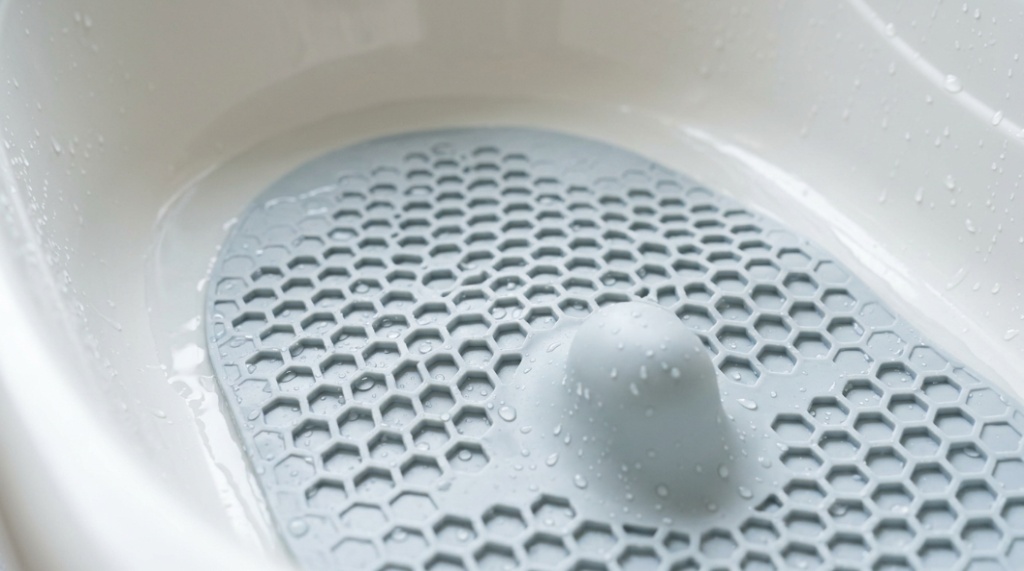
An anti-slip infant tub is a baby bathtub designed with textured surfaces, grip padding, ergonomic support, and stability features that reduce sliding during bath time.
Unlike traditional smooth plastic tubs, anti-slip models use materials and structural support systems that help keep infants secure even when water and soap are present.
Most high-quality anti-slip infant tubs include:
- Textured bottom grip surfaces
- Soft foam or rubber inserts
- Newborn recline support
- Non-skid base legs
- Drainage systems for water control
- Temperature-sensitive indicators
These safety-focused features improve bathtub grip safety while helping parents maintain better control during bathing.
Why Is Bathtub Grip Safety Important for Babies?
Bathtub grip safety matters because infants have limited body control, weak neck stability, and extremely sensitive skin, making slips especially dangerous.
Newborns cannot stabilize themselves during movement. Even a small shift can cause their face to approach water unexpectedly. That moment creates panic for both baby and parent.
Good bathtub grip safety improves:
- Infant positioning stability
- Parent confidence
- Bathing comfort
- Water control
- Reduced injury risk
- Safer newborn handling
Babies who feel physically secure during bath time are also less likely to develop bath-related anxiety later.
Which Features Make an Infant Tub Truly Slip Resistant?
The best anti-slip infant tubs combine textured surfaces, ergonomic shaping, stable bases, and secure support positioning.
Not all baby tubs marketed as “safe” provide equal protection. Some include only minimal texture while lacking real stability support.
Textured Interior Surface
A textured interior increases friction between the baby’s body and the tub surface.
Look for:
- Rubberized grip areas
- Raised texture patterns
- Foam support zones
- Non-toxic slip-resistant materials
Ergonomic Recline Design
A reclined shape supports natural newborn positioning while reducing sudden sliding motions.
This helps support:
- Head positioning
- Spinal alignment
- Hip comfort
- Controlled water exposure
Wide Stable Base
A narrow bathtub can wobble or tilt during movement. Wide bases improve overall stability.
Important stability features include:
- Rubber feet
- Locking support legs
- Countertop compatibility
- Sink stabilization design
Secure Newborn Inserts
Some infant tubs include mesh slings or padded inserts designed specifically for newborn bathing.
These inserts reduce movement while supporting delicate muscles and joints.
How Do You Create a Safe Baby Bathing Setup?
A safe baby bathing setup includes proper tub positioning, temperature control, grip safety, adult supervision, and organized bath supplies.
Many bath-time accidents happen because parents reach for towels, soap, or clothing while holding a wet baby. Preparation matters.
Prepare Supplies Before Bath Time
Keep everything within arm’s reach:
- Baby soap
- Soft washcloth
- Hooded towel
- Fresh diaper
- Clean clothes
- Baby lotion
Use Minimal Water
For newborns, only 2–3 inches of water is typically necessary.
Too much water increases sliding risk and makes positioning harder.
Check Water Temperature
Recommended baby bath temperature is generally around 37°C to 38°C (98°F to 100°F).
Use:
- Bath thermometers
- Temperature indicators
- Your wrist or elbow for testing
Keep One Hand on Baby
Even with the safest anti-slip infant tub, constant supervision remains essential.
Never leave an infant unattended near water for any reason.
Which Baby Tub Types Offer Better Slip Protection?
Contoured infant tubs and foam-supported bathers usually provide better slip resistance than flat plastic tubs.
| Baby Tub Type | Slip Resistance | Best For | Limitations |
|---|---|---|---|
| Flat Plastic Tub | Low | Older infants | Minimal grip support |
| Contoured Anti-Slip Tub | High | Newborns + infants | Takes more storage space |
| Foam Bath Support | Moderate to High | Newborns | Short usage period |
| Convertible Baby Tub | High | Growing babies | Higher cost |
| Sink Bath Insert | Moderate | Small newborns | Sink compatibility issues |
Parents looking for long-term usability often choose convertible anti-slip infant tubs with adjustable support stages.
Can You Use an Adult Bathtub Safely for Infants?
Using an adult bathtub for infants is possible, but only with proper support systems and bathtub grip safety measures.
Adult tubs are naturally slippery and oversized for newborns. Without proper support, babies can shift unexpectedly.
If using a regular bathtub:
- Add anti-slip bath mats
- Use a newborn bath insert
- Keep water shallow
- Avoid hard plastic supports without grip texture
- Maintain full hand contact
Most pediatric safety experts recommend dedicated infant tubs during the first year because they improve control and positioning.
What Materials Are Safest for Baby Bathtubs?
The safest baby bathtubs use BPA-free, phthalate-free, non-toxic materials with soft-touch grip surfaces.
Material quality matters because infants have highly sensitive skin and frequent contact with bathtub surfaces.
Recommended Materials
- BPA-free polypropylene
- Medical-grade silicone
- Soft rubber grip inserts
- Non-toxic foam padding
Materials to Avoid
- Cheap brittle plastics
- Strong chemical-smelling materials
- Low-quality foam that traps mold
- Sharp-edged molded plastic
Ventilated designs also reduce moisture buildup and mildew growth.
How Often Should You Clean an Anti-Slip Infant Tub?
An anti-slip infant tub should be cleaned after every use to prevent soap residue, bacteria, and mold buildup.
Ironically, grip textures designed for bathtub grip safety can also trap moisture if not cleaned properly.
Simple Cleaning Routine
- Drain water immediately
- Rinse soap residue thoroughly
- Dry with a clean towel
- Air-dry completely before storage
Weekly Deep Cleaning
Once weekly:
- Use mild baby-safe disinfectant
- Scrub textured grip surfaces
- Inspect drainage areas
- Check for mold spots
Proper maintenance preserves both hygiene and slip resistance.
What Mistakes Increase Baby Bath Slip Risk?
Using too much soap, rushing bath time, poor positioning, and unstable tubs are major causes of infant bath slipping.
Even experienced parents can overlook small safety details during busy routines.
Common Baby Bath Safety Mistakes
- Leaving baby unattended “for one second”
- Overfilling bathtub
- Using adult soap products
- Ignoring slippery residue buildup
- Bathing on unstable counters
- Using damaged tubs
- Not testing grip surfaces regularly
Preventing slips is usually about consistency, not complexity.
Do Babies Need Different Bath Support at Different Ages?
Yes, babies require different levels of bath support as muscle control, mobility, and body size change during growth stages.
0–3 Months
Newborns need maximum reclined support with head stabilization.
Best option:
- Mesh sling tubs
- Foam newborn bathers
- Deep contoured anti-slip infant tubs
3–6 Months
As babies begin kicking and rolling, side stability becomes more important.
Recommended features:
- Raised side supports
- Wider anti-slip seating
- Enhanced back grip texture
6–12 Months
Sitting babies require upright positioning with secure lower-body grip support.
Good options include:
- Convertible seated tubs
- Bathtub support seats
- Slip-resistant floor textures
Are Anti-Slip Baby Tubs Worth Buying?
Yes, anti-slip baby tubs are worth buying because they improve bathing safety, reduce parent stress, and provide better infant stability.
Many parents initially view baby tubs as optional. After experiencing difficult bath positioning in regular tubs, they often realize how much safer structured support feels.
Benefits include:
- Reduced sliding risk
- Better newborn support
- More comfortable bathing routines
- Improved parent confidence
- Longer, calmer bath sessions
- Safer water positioning
For families bathing infants multiple times weekly, these safety improvements add up quickly.
How Can Parents Make Bath Time Less Stressful?
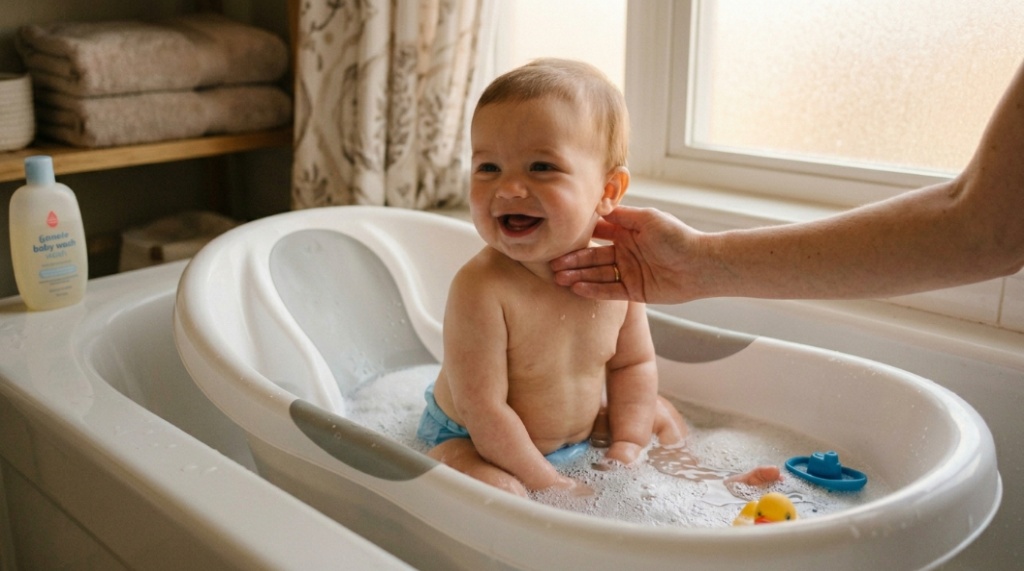
Parents can reduce bath-time stress by creating a consistent routine, using stable support equipment, and simplifying the bathing process.
Bath time becomes easier when babies feel physically secure.
Helpful strategies include:
- Using warm towels immediately after bathing
- Keeping bath sessions short
- Maintaining room warmth
- Talking calmly during bathing
- Using ergonomic anti-slip infant tubs
- Bathing at consistent times daily
Consistency builds comfort for both parent and child.
Conclusion: How Do You Prevent Slipping During Baby Bath Time?
Preventing slipping during baby bath time starts with choosing the right anti-slip infant tub and building a reliable safe baby bathing setup. Textured grip surfaces, ergonomic support, stable positioning, and careful supervision all work together to reduce accidents and improve comfort.
Bathtub grip safety is not just about convenience. It directly affects infant stability, parent confidence, and overall bathing safety. A well-designed infant tub helps reduce sudden movement, minimizes sliding risks, and creates a calmer routine for growing babies.
Parents do not need complicated products to improve bath safety. Small upgrades like textured support surfaces, shallow water levels, organized bath supplies, and consistent supervision often make the biggest difference.
If you are preparing for a newborn or upgrading your current baby bath routine, investing in a properly designed anti-slip infant tub is one of the most practical safety decisions you can make. Safe bath routines begin with stable support.
Frequently Asked Questions About Anti-Slip Infant Tubs
What is the safest way to bathe a newborn?
The safest way to bathe a newborn is by using an anti-slip infant tub with reclined support, shallow warm water, and continuous adult supervision.
How much water should be in a baby bathtub?
Most newborn baths require only 2–3 inches of water to reduce slipping risk and maintain safer positioning.
Can anti-slip tubs completely prevent accidents?
No. Anti-slip tubs reduce sliding risk significantly, but active adult supervision remains essential during every bath.
When should babies stop using infant tubs?
Most babies transition from infant tubs between 6–12 months depending on size, sitting ability, and mobility development.
Are bath seats safer than baby tubs?
Bath seats can help older infants, but newborns generally need full-body support from dedicated anti-slip infant tubs.
How do you disinfect a baby bathtub safely?
Use mild baby-safe cleaners, rinse thoroughly, scrub textured surfaces weekly, and fully dry the tub after each use.
Why does my baby still slide in a textured tub?
Excess soap, incorrect recline angle, too much water, or worn grip surfaces can still cause slipping even in textured tubs.
📌 Related Reads
Discover: How to Choose a Mountain Bike for Men and Women Comfortably
Explore: How Good Is the Huffy Stone Mountain Bike? Honest Beginner Review