
A clean and organized kitchen is the heart of every home. Not only does it make meal preparation more efficient, but it also provides a welcoming environment for cooking and dining. Yet, for many homeowners, keeping the kitchen tidy and organized can feel like an overwhelming task. But with a solid plan and the right techniques, achieving a spotless and organized kitchen is within reach. In this comprehensive step-by-step guide, we will dive deep into how to organize and clean your kitchen. From tackling countertops to decluttering cabinets, we’ll provide practical tips and expert advice to help you reclaim your kitchen space.
Table of Contents
ToggleStep 1: Declutter and Empty All Cabinets and Drawers
The first step in organizing your kitchen is to declutter. Over time, we accumulate kitchen tools, utensils, and gadgets that no longer serve us. According to a study by the National Kitchen and Bath Association, 60% of homeowners say they don’t use half the kitchen gadgets they own. It’s time to let go of items that don’t add value to your kitchen.
Start by emptying all cabinets and drawers. This gives you a clean slate to work with and allows you to assess what you need and what you can discard. As you go through each item, ask yourself: Have I used this in the past six months? If not, it’s time to donate, recycle, or toss it.
Pro Tip: Organize like items together. For example, store baking supplies in one drawer and pots in another. This will save you time in the long run and streamline your cooking process.
Step 2: Clean Out the Refrigerator and Pantry
After decluttering your countertops, the next area to tackle is your refrigerator and pantry. These spaces can often become overcrowded with expired items, half-empty jars, or forgotten ingredients. Statistics show that 25% of food purchased by consumers in the U.S. goes to waste due to improper storage or expiration, according to the USDA.
Take everything out and check the expiration dates on every item. For fresh ingredients, toss anything that’s past its prime. Organize remaining items by category, such as canned goods, grains, and condiments, making it easier to locate them in the future.
Expert Tip: Use transparent storage containers for dry goods to keep track of what’s inside and prevent clutter from accumulating. This small step can save you money in the long term by preventing food from spoiling prematurely.
Step 3: Deep Clean Your Kitchen Surfaces
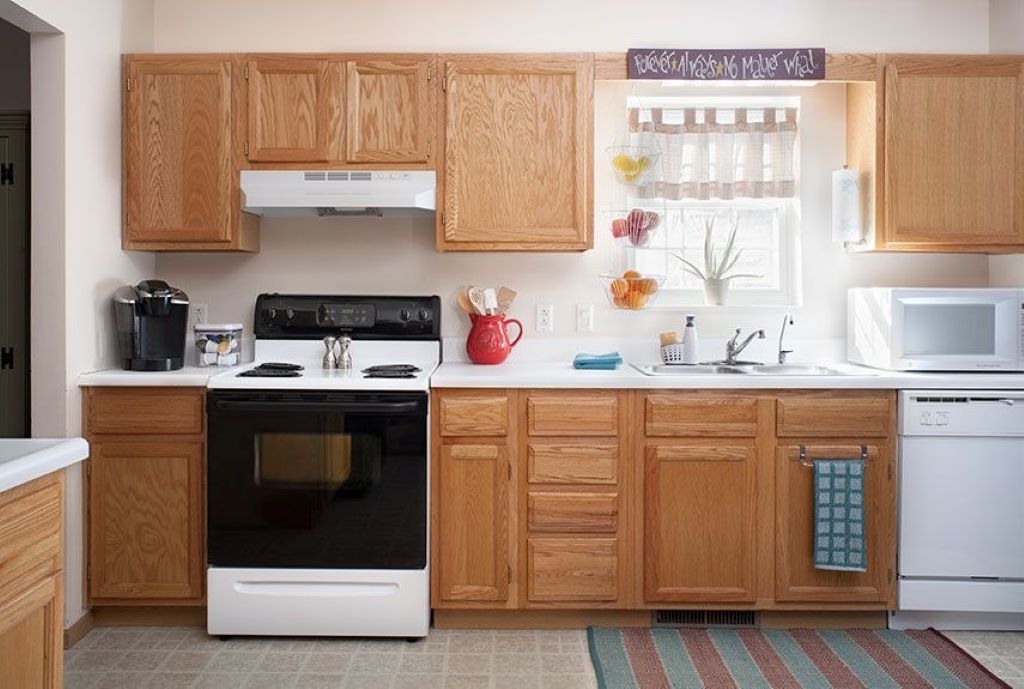
Now that you’ve decluttered, it’s time to give your kitchen a deep cleaning. Start with the countertops. For most surfaces, a mixture of warm water and dish soap will work wonders. If you have granite or marble countertops, ensure you use a cleaner specifically designed for these materials to avoid damage.
When cleaning your kitchen appliances, make sure to follow the manufacturer’s instructions. According to CleanMama.com, regular cleaning of appliances like the oven and microwave can increase their lifespan and improve performance. You should also tackle your kitchen sink, scrubbing it thoroughly with a non-abrasive cleaner to remove stains and food residue.
Pro Tip: Use a microfiber cloth to wipe surfaces. It collects dust, dirt, and germs more effectively than traditional cloths or paper towels. Plus, it’s washable and eco-friendly!
Step 4: Organize Kitchen Tools and Utensils
One of the most important steps in creating a functional kitchen is to organize your tools and utensils. A well-organized kitchen makes cooking faster and less stressful. Begin by sorting items based on how frequently you use them. Keep the essentials (like knives, spatulas, and cutting boards) in a drawer close to your work area, while less frequently used items can go in higher drawers or cabinets.
For larger tools, like blenders and mixers, consider investing in a pull-out shelf or designated storage space. According to the National Kitchen & Bath Association, over 30% of homeowners now install pull-out shelves in their kitchens to improve accessibility.
Pro Tip: Use drawer organizers or trays to keep utensils separated and easy to find. This helps to prevent a cluttered mess and can make it easier to spot specific tools when needed.
Step 5: Maximize Vertical Space
In many kitchens, cabinet and drawer space is limited. To solve this, consider maximizing your kitchen’s vertical space. Install shelves above countertops to store frequently used items. Wall-mounted racks or hooks are excellent for hanging pots, pans, and utensils.
Expert Insight: Adding hooks for mugs, aprons, or even small baskets for produce is a space-saving method that can help keep your kitchen organized without sacrificing style. According to a report by the Kitchen Design Institute, 80% of successful kitchen designs make use of vertical space.
Step 6: Clean and Organize Your Kitchen Sink Area
The sink area is one of the busiest and most used spaces in the kitchen. Start by cleaning out any food particles or soap scum buildup in and around the sink. Consider investing in a soap dispenser to keep your counter space tidy and a small caddy to store dish brushes and sponges neatly.
For a polished look, install a small rack or drawer underneath the sink to store cleaning supplies. This keeps everything within reach but out of sight, ensuring your sink area remains clean and organized.
Pro Tip: Use a sink mat to protect the bottom of your sink from scratches and stains caused by dishes and utensils.
Step 7: Establish a Routine for Ongoing Maintenance
Once your kitchen is organized and cleaned, maintaining it is key to long-term success. Establish a daily or weekly cleaning routine to keep everything in order. For example, wiping down surfaces after cooking and doing a quick sweep of the floor can make a significant difference in keeping your kitchen looking fresh.
According to a study by the American Cleaning Institute, people who clean their kitchens daily report feeling more productive and less stressed when preparing meals. Additionally, cleaning as you go helps prevent dirt and grease buildup, saving you time during your deep cleaning sessions.
Expert Tip: Set a weekly time to reorganize and declutter your kitchen. This will ensure that your kitchen stays organized and prevents the need for major cleaning sessions in the future.
Reviews and Insights
While organizing and cleaning your kitchen may seem like a daunting task, the benefits of maintaining a tidy kitchen are undeniable. Many homeowners who have followed step-by-step guides like this one report feeling more productive and less stressed in their kitchens. Expert reviews emphasize that having a well-organized kitchen can lead to better meal planning, reduce food waste, and even improve your overall quality of life.
For example, a review on ConsumerReports.com highlights that people with organized kitchens are more likely to cook at home, reducing dining out expenses and leading to healthier eating habits. Additionally, a tidy kitchen increases efficiency in meal prep, as ingredients and tools are easier to find.
FAQs About Organizing and Cleaning Your Kitchen
1. How often should I deep clean my kitchen?
A deep clean should be done at least once a month, but regular maintenance (like wiping down surfaces) should occur daily.
2. Should I throw away all old kitchen gadgets?
Not necessarily. If a gadget still works and serves a purpose, keep it. But if it’s collecting dust and rarely used, it’s time to let it go.
3. How can I keep my kitchen organized on a budget?
Use inexpensive storage solutions like baskets, drawer dividers, and pegboards. These tools help keep your kitchen organized without a hefty price tag.
4. What’s the best way to store spices?
Consider using a spice rack or drawer organizer to keep spices easy to access. Store them in alphabetical order to save time when cooking.
5. How can I reduce food waste in my kitchen?
Regularly check expiration dates, store food properly, and plan meals based on what you already have to reduce waste.
6. What should I do with small appliances I don’t use often?
Store them in cabinets or on high shelves. If you don’t use them regularly, they should not clutter your countertops.
7. How do I maintain a clean kitchen while cooking?
Clean as you go. Wipe down surfaces, wash dishes, and put ingredients back in their places during cooking to keep the space tidy.
By following this step-by-step guide to organizing and cleaning your kitchen, you’ll not only enjoy a more functional and clutter-free space but also experience the joy and satisfaction of a well-maintained kitchen.
Read More: Why Does My Fridge Smell Like Chemicals?