

Getting quality sleep doesn’t have to drain your wallet. Many people believe expensive pillows guarantee better rest, but that’s not always true. Back sleepers can find excellent support without spending a fortune. This guide will help you discover affordable options that provide the comfort and alignment your spine needs.
Understanding Your Sleep Position Needs
Back sleeping is considered one of the healthiest positions for your spine. When you sleep on your back, your weight distributes evenly across your body. This position reduces pressure points and keeps your neck and spine aligned naturally.
However, the wrong pillow can ruin these benefits. A pillow that’s too high pushes your head forward, creating neck strain. Meanwhile, a pillow that’s too flat fails to support the natural curve of your cervical spine. Finding the right balance matters more than the price tag.
Your pillow should fill the gap between your mattress and neck. This support maintains proper alignment throughout the night. Additionally, the pillow needs enough firmness to prevent your head from sinking too deeply.
Key Features to Look For
Shopping for affordable pillows requires knowing what really matters. Several features determine whether a pillow will work well for back sleepers.
Loft height stands as the most critical factor. Back sleepers typically need medium loft pillows, measuring between three to five inches when compressed. This height supports your neck without tilting your head awkwardly.
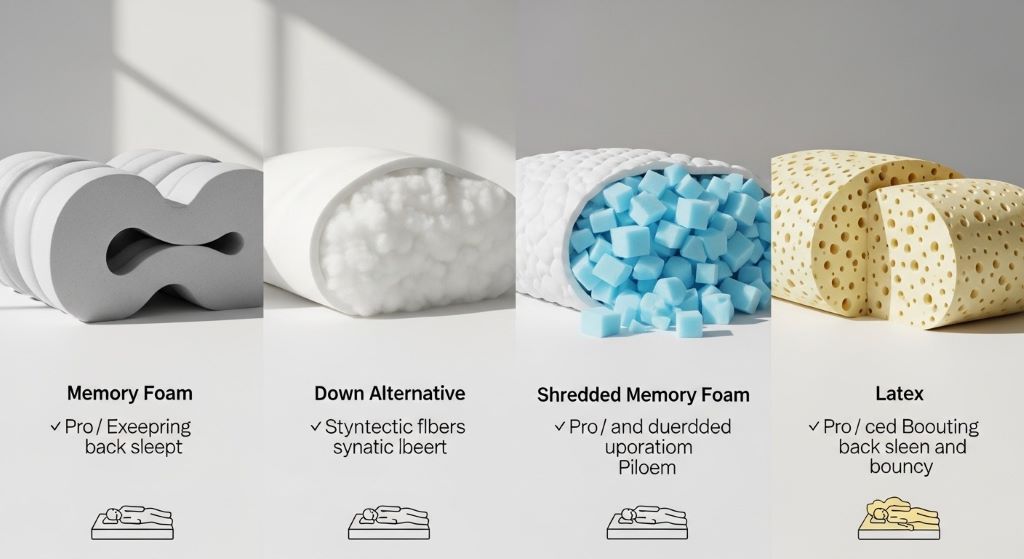
Material quality affects both comfort and durability. Memory foam contours to your head and neck while providing consistent support. Polyester fill offers affordability and softness, though it may compress faster. Down alternative materials combine the plushness of down with hypoallergenic properties.
Firmness level determines how well the pillow maintains its shape. Medium-firm pillows generally work best for back sleepers. They provide enough support to keep your neck aligned while offering some softness for comfort.
Cover fabric influences breathability and maintenance. Cotton covers allow air circulation and are usually machine washable. Bamboo-derived fabrics offer cooling properties, which help regulate temperature throughout the night.
Setting Your Budget Parameters
Determining how much to spend helps narrow your options effectively. Quality pillows for back sleepers typically range from fifteen to fifty dollars. This price range offers plenty of reliable choices without compromising essential features.
Consider the pillow’s expected lifespan when evaluating cost. A thirty-dollar pillow that lasts two years costs less annually than a twenty-dollar pillow that needs replacing after six months. Therefore, initial price alone doesn’t determine true value.
Watch for sales during major shopping holidays. Many retailers discount bedding products significantly during Memorial Day, Labor Day, and Black Friday. However, don’t let sales pressure you into buying unsuitable pillows just because they’re cheap.
Evaluating Material Options
Different materials offer distinct advantages for back sleepers seeking budget pillow options.
Memory foam provides excellent support and conforms to your unique contours. Traditional memory foam may retain heat, but many affordable options now include cooling gel or ventilation. These pillows typically maintain their shape well and offer good durability.
Polyester fill creates soft, fluffy pillows at minimal cost. These pillows are lightweight and machine washable, making maintenance simple. Nevertheless, polyester compresses over time and may require more frequent replacement.
Down alternative materials mimic natural down’s softness without triggering allergies. These pillows offer good loft and comfort for back sleepers. They strike a nice balance between support and plushness.
Latex foam provides responsive support that springs back quickly. Though less common in budget ranges, some affordable latex options exist. These pillows resist dust mites naturally and typically last longer than other materials.
Shopping Strategies for Maximum Value
Smart shopping habits help you find quality pillows without overspending. Several approaches can lead you to better deals on value sleep products.
Compare prices across multiple retailers before purchasing. The same pillow often sells for different prices at various stores. Online marketplaces frequently offer competitive pricing compared to brick-and-mortar locations.
Read customer reviews carefully, focusing on comments from fellow back sleepers. Look for patterns in feedback rather than isolated complaints. Reviews mentioning durability and support maintenance over time prove particularly valuable.
Check return policies before buying. Reputable sellers understand that pillow preference varies individually. A generous return window lets you test the pillow risk-free at home.
Consider buying directly from manufacturers when possible. Cutting out middlemen sometimes reduces costs while maintaining quality. Many companies offer introductory discounts for first-time customers.
Testing and Trial Considerations
Even budget-friendly pillows deserve proper evaluation. Your body needs time to adjust to any new pillow, but certain signs indicate a poor fit immediately.
Sleep on your new pillow for at least three nights before making final judgments. Your neck and shoulders might feel different initially as they adapt to new support. However, increasing pain or stiffness suggests the pillow isn’t right for you.
Pay attention to your head position when lying down. Your nose should point toward the ceiling, not tilt toward your chest or fall backward. Proper alignment means your ears align with your shoulders when viewed from the side.
Notice whether you wake with headaches or neck soreness. These symptoms often indicate inadequate support or incorrect loft height. Additionally, frequent pillow adjustments during the night suggest poor fit.
Maintenance Tips for Longevity
Proper care extends your pillow’s useful life, maximizing your investment. Simple maintenance habits make significant differences in durability.
Use pillow protectors beneath your pillowcases. These barriers shield against oils, sweat, and dust while remaining breathable. Pillow protectors are inexpensive and extend pillow life considerably.
Wash pillows according to manufacturer instructions. Most polyester and down alternative pillows handle machine washing well. Memory foam typically requires spot cleaning only, though some newer versions are machine washable.
Fluff your pillow daily to redistribute fill and maintain loft. This quick habit takes seconds but prevents permanent compression. For memory foam, simply allow it to expand fully each morning.
Replace pillows when they fail the fold test. Fold your pillow in half and release it. If the pillow doesn’t spring back to its original shape, it has lost supportive properties.
Warning Signs of Poor Quality
Recognizing inferior products helps you avoid wasting money. Certain red flags indicate a pillow won’t provide adequate support or durability.
Chemical odors that persist beyond initial airing suggest low-quality materials. While new pillows often have temporary smells, strong chemical scents that linger indicate questionable manufacturing.
Uneven filling creates lumpy surfaces that fail to support your neck properly. Quality control matters even in budget products. Run your hands over the pillow before purchasing to check for consistency.
Thin covers that feel flimsy tear easily and provide minimal protection. The cover should feel substantial enough to withstand regular washing and nightly use.
Missing care labels or vague material descriptions often hide inferior components. Legitimate manufacturers proudly list materials and provide clear care instructions.
Alternative Shopping Venues
Expanding where you shop increases chances of finding excellent deals. Don’t limit yourself to traditional bedding stores.
Discount retailers often carry surprisingly good pillows at fraction of specialty store prices. These stores buy overstock or discontinued items from major brands. The pillows themselves remain quality products despite reduced prices.
Online-only brands eliminate showroom costs and pass savings to customers. Many direct-to-consumer companies offer trial periods and free returns. Their value sleep products often match or exceed traditional retail offerings.
Wholesale clubs provide bulk pricing on individual items. Membership fees pay for themselves quickly if you shop regularly. These venues frequently stock quality bedding at competitive prices.
Clearance sections deserve attention year-round. Stores discount perfectly good pillows when updating inventory or packaging. These markdowns represent genuine savings rather than inferior products.
Making Your Final Decision
Choosing the right pillow involves balancing multiple factors. Your personal comfort preferences ultimately matter most, but objective criteria help guide selection.
Create a shortlist of three to five pillows meeting your requirements. Compare their features, prices, and return policies side by side. This organized approach prevents overwhelming yourself with too many options.
Trust your initial impressions when testing pillows in-store. Your body often knows immediately whether support feels right. However, remember that brief in-store tests differ from full nights of sleep.
Start with one pillow rather than buying multiple options simultaneously. Give each pillow a fair trial before moving to another choice. This methodical approach saves money and reduces decision fatigue.
Conclusion
Finding the perfect pillow for back sleeping doesn’t require enormous spending. Quality support and comfort exist across various price points when you know what features matter. Focus on appropriate loft height, suitable materials, and adequate firmness rather than brand prestige or premium pricing.
Smart shopping strategies help you identify genuine value among countless options. Read reviews from other back sleepers, compare prices across retailers, and take advantage of return policies. Remember that personal comfort varies, so what works wonderfully for others might not suit your needs.
Proper maintenance extends any pillow’s lifespan, making even modest investments worthwhile. Use protective covers, follow care instructions, and replace pillows showing wear. These simple habits ensure you get maximum value from your purchase.
The best pillow supports your spine properly, feels comfortable throughout the night, and fits your budget comfortably. By applying the guidance in this article, you can confidently select affordable options that deliver quality rest night after night.
Frequently Asked Questions
How often should I replace my budget pillow?
Replace your pillow every 12 to 18 months, regardless of price. Even quality budget pillows lose support over time as materials compress. If you wake with neck pain or your pillow fails the fold test sooner, replace it immediately.
Can cheap pillows provide the same support as expensive ones?
Yes, many affordable pillows offer excellent support for back sleepers. Price often reflects brand marketing, fancy packaging, or premium materials you may not need. Focus on proper loft height and firmness rather than cost.
What loft height works best for back sleepers?
Most back sleepers need medium loft pillows between 3 to 5 inches when compressed under your head’s weight. This height maintains natural cervical spine alignment without pushing your head forward or letting it fall back.
Are memory foam pillows better than polyester for back sleeping?
Memory foam typically provides more consistent support and lasts longer than polyester fill. However, quality polyester pillows work well for back sleepers who prefer softer feel. Choose based on your firmness preference and budget.
How can I tell if a budget pillow is actually good quality?
Check for even filling distribution, substantial cover fabric, and clear material descriptions. Read customer reviews focusing on durability and support. Avoid pillows with strong chemical odors or missing care labels.
Related Topics:
Sciatica Relief: Top Pregnancy Pillows Reviewed
How to Ensure Baby Swing Safety: What Parents Need to Know