
The 1920s brought a revolution in men’s fashion that still influences style today. Oxford bags trousers became an iconic symbol of this era, characterized by their extraordinarily wide legs that set them apart from traditional tailoring. Additionally, these trousers represented a bold departure from the slim cuts that dominated previous decades. At Blushed Beauty Barla, we explore the fascinating history and styling techniques that make this vintage look both authentic and wearable for modern gentlemen.
Understanding Oxford Bags and Their Historical Context
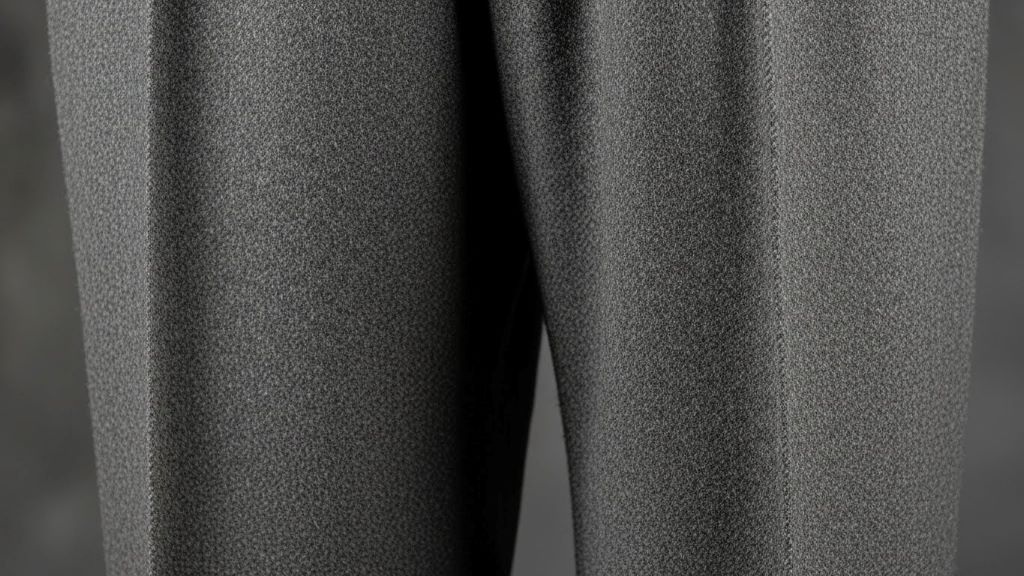
Oxford bags emerged from Oxford University in the early 1920s as a rebellious fashion statement. Students originally wore these exaggeratedly wide trousers to conceal their knickerbockers underneath, which they wore for sports. However, the style quickly evolved into a standalone fashion phenomenon that swept across Britain and America. The trousers typically measured between 22 to 44 inches at the hem, creating a dramatic silhouette that challenged conventional menswear norms.
The golden age of jazz significantly influenced this trend. Furthermore, the connection between mens hats and suits 1920s fashion created a complete aesthetic that defined the decade. Young men embraced this bold style as a form of self-expression during a time of social change and cultural excitement.
Choosing the Right Oxford Bags for Your Build
Selecting appropriate Oxford bags requires careful consideration of your body type. Therefore, understanding proportions becomes essential for achieving an authentic yet flattering look. Men of average height should opt for trousers with a 24 to 28-inch leg opening. Taller gentlemen can confidently wear wider variations, while shorter men should exercise restraint to avoid overwhelming their frame.
The fabric choice matters tremendously for authentic styling. Wool flannel remains the most traditional option, offering weight and drape that enhances the characteristic flow of Oxford bags. Additionally, herringbone and pinstripe patterns were extremely popular during the 1920s. These patterns add visual interest while maintaining period accuracy.
Pairing Oxford Bags with 1920s Suit Jackets
Creating a cohesive 1920s ensemble requires matching your Oxford bags with appropriate suit jackets. The jackets from this era featured specific characteristics that complemented the wide-legged trousers perfectly. Single-breasted jackets with notch lapels were most common, typically featuring two or three buttons positioned relatively high on the torso.
The jacket length is crucial for maintaining proper proportions. Therefore, your jacket should end around the middle of your hip, creating balance with the voluminous trousers below. The shoulders should fit naturally without excessive padding, as the 1920s predated the exaggerated shoulder lines of later decades. Moreover, the jacket sleeves should reveal about half an inch of shirt cuff, demonstrating attention to detail that separates authentic styling from costume.
Color Coordination and Pattern Mixing
Color selection significantly impacts the success of your 1920s outfit. Neutral tones dominated the era, with charcoal gray, navy blue, and various shades of brown proving most popular. However, lighter colors like tan and cream gained favor for warmer months and less formal occasions.
Pattern mixing requires a delicate touch. If your Oxford bags feature pinstripes, pair them with a solid jacket in a complementary color. Conversely, patterned jackets work beautifully with solid trousers. Additionally, avoid combining competing patterns, as this creates visual chaos rather than sophisticated style. The Smithsonian Magazine has documented extensive collections of 1920s menswear that illustrate these timeless principles.
Essential Accessories for Completing the Look
Accessories transform Oxford bags and suits from simple clothing into a complete 1920s ensemble. Hats were absolutely non-negotiable during this period. Fedoras and trilbies were the most popular choices, typically worn at a slight angle for rakish charm. The hat color should coordinate with your suit, creating visual harmony from head to toe.
Neckties in the 1920s were narrower than modern versions, typically measuring about two to three inches wide. Additionally, bow ties offered a sophisticated alternative for both daytime and evening wear. Stick to subtle patterns or solid colors that complement rather than compete with your suit.
Pocket squares add polish to any 1920s outfit. However, they should be folded simply and displayed with restraint. White linen remains the safest and most versatile choice for beginners. Furthermore, pocket watches on chains provide authentic period detail while serving a practical purpose.
Footwear Selection for Oxford Bags
Shoes complete the foundation of your 1920s look. Two-tone spectator shoes became iconic during this era, featuring contrasting colors like white and brown or white and black. These shoes perfectly complement the playful nature of Oxford bags while maintaining sophistication.
Oxford shoes in polished leather offer a more conservative alternative. Therefore, they work well for business settings or formal occasions. The toe should be slightly rounded rather than pointed, reflecting period-appropriate styling. Additionally, ensure your shoes maintain a high shine, as meticulous grooming was a hallmark of 1920s gentlemen.
Sock selection deserves attention as well. The wide legs of Oxford bags often reveal your socks when you sit or move. Consequently, choose socks that coordinate with either your trousers or shoes. Argyle patterns were gaining popularity toward the end of the decade and add authentic flair.
Modern Adaptations of the 1920s Style
Contemporary gentlemen can embrace 1920s styling without appearing costume-like. The key lies in selective incorporation rather than complete replication. Therefore, consider wearing slightly narrower Oxford bags with modern proportions, perhaps with a 20-inch leg opening rather than the extreme widths of the original versions.
Mixing vintage and modern pieces creates accessible style. Pair authentic Oxford bags with a contemporary tailored jacket in a classic cut. This approach honors the spirit of 1920s fashion while maintaining relevance for today’s contexts. Moreover, modern fabrics with period-appropriate patterns offer easier care than vintage materials.
Occasions Suitable for Oxford Bags and 1920s Suits
Understanding appropriate occasions for this distinctive style helps you wear it confidently. Themed events like Great Gatsby parties obviously welcome authentic 1920s attire. However, creative professionals and style enthusiasts can incorporate these elements into everyday wardrobes with thoughtful execution.
Vintage fashion shows and historical reenactments provide perfect venues for full 1920s ensembles. Additionally, upscale social events with creative dress codes allow for bold fashion choices. Nevertheless, consider your audience and setting before committing to extreme vintage styling in conservative environments.
Maintaining and Caring for Vintage-Style Garments
Proper care ensures your Oxford bags and 1920s-style suits maintain their appearance and longevity. Wool garments require careful handling to prevent damage and maintain their shape. Therefore, always use padded hangers for jackets and trousers to preserve their structure.
Dry cleaning should be minimized to extend garment life. Instead, spot-clean minor stains and air out garments between wears. Additionally, invest in a quality clothes brush to remove surface dirt and lint. Steam pressing works better than traditional ironing for wool fabrics, as it refreshes without flattening the natural texture.
Storage considerations matter significantly for vintage-style clothing. Keep garments in breathable garment bags rather than plastic covers. Furthermore, ensure your storage area maintains stable temperature and humidity levels to prevent fabric deterioration. Cedar blocks or lavender sachets help deter moths while adding pleasant fragrance.
Building Your 1920s Wardrobe Gradually
Creating an authentic 1920s wardrobe requires patience and strategic purchasing. Start with foundational pieces like a quality suit in a neutral color. Therefore, you establish versatility that allows multiple styling options as you expand your collection.
Research reputable vintage clothing dealers and reproduction manufacturers. The Victoria and Albert Museum offers valuable resources for understanding authentic 1920s construction and styling. Additionally, specialized vintage boutiques often provide expertise alongside their inventory.
Budget considerations should balance quality and quantity. Investing in fewer high-quality pieces yields better results than accumulating numerous inferior garments. Moreover, well-made items last longer and wear better, ultimately proving more economical over time.
Conclusion
Styling Oxford bags trousers with 1920s suits offers a unique opportunity to embrace one of fashion history’s most distinctive periods. The combination of dramatically wide trousers with well-tailored jackets creates a silhouette that remains striking nearly a century later. By understanding historical context, selecting appropriate accessories, and maintaining proper proportions, modern gentlemen can successfully incorporate these vintage elements into their wardrobes. Whether attending themed events or simply expressing individual style, the 1920s aesthetic provides endless inspiration for those willing to embrace its bold character.
Frequently Asked Questions
What is the difference between Oxford bags and regular wide-leg trousers?
Oxford bags specifically refer to extremely wide-legged trousers originating from 1920s Oxford University, typically measuring 22 to 44 inches at the hem. Regular wide-leg trousers are generally more moderate in width and lack the specific historical and cultural context associated with Oxford bags.
Can shorter men wear Oxford bags without looking overwhelmed?
Yes, shorter men can wear Oxford bags by choosing more moderate widths around 20 to 24 inches at the hem and ensuring proper length that just touches the shoe. Additionally, wearing them with fitted jackets helps maintain balanced proportions.
What fabrics were most common for 1920s Oxford bags?
Wool flannel was the predominant fabric for Oxford bags during the 1920s. Herringbone, pinstripe patterns, and solid colors in gray, navy, brown, and cream were most popular choices for this iconic style.
How do I avoid looking like I’m wearing a costume?
Mix vintage and modern pieces thoughtfully, choose slightly narrower interpretations of Oxford bags, and ensure everything fits well. Confidence and attention to grooming also help distinguish authentic style from costume.
Where can I purchase authentic 1920s-style Oxford bags today?
Specialized vintage reproduction companies, high-end tailors offering bespoke services, and reputable vintage clothing dealers offer authentic Oxford bags. Online retailers specializing in vintage menswear also provide various options at different price points.
Related Topics:
8 Stylish Ways to Rock Business Casual Coordinated Pants
Old Fashion Days: A Journey Back in Time